Iffa Jayyana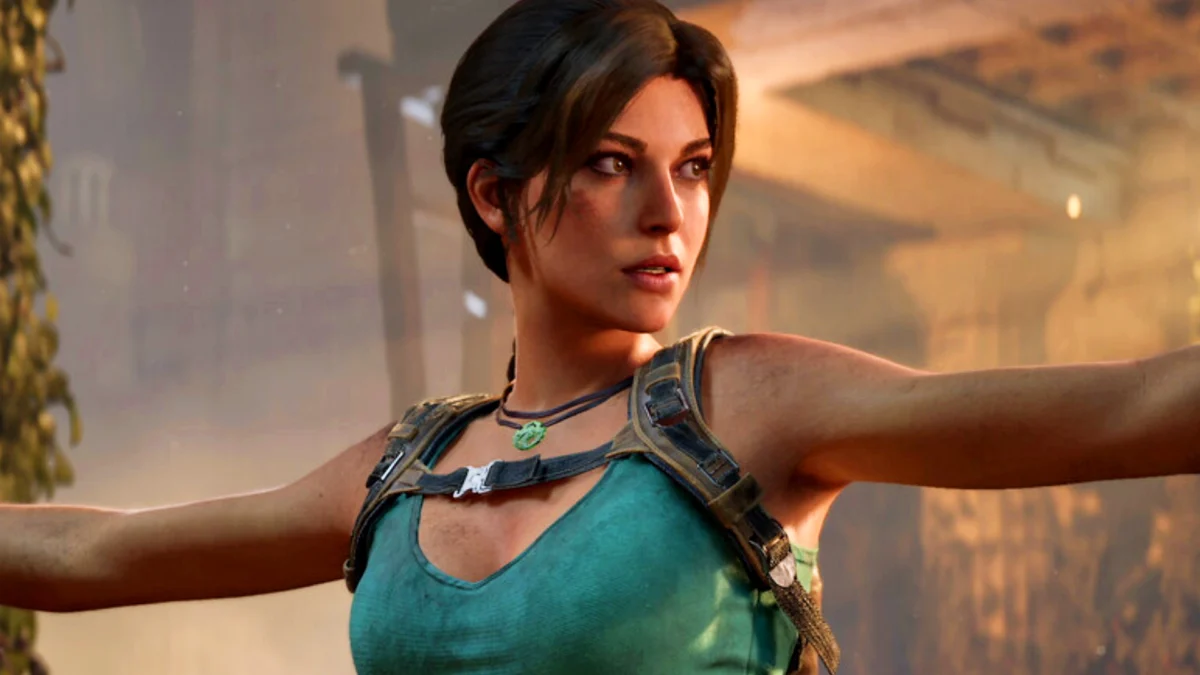
The challenge of modernizing a gaming icon is one of the most perilous tightropes in interactive entertainment. How do you honor the blocky, high-stakes charm of a 1996 masterpiece while satisfying the expectations of a contemporary audience raised on the seamless, high-fidelity experiences of the modern era? This is the central question facing Crystal Dynamics and Flying Wild Hog as they prepare to launch Tomb Raider: Legacy of Atlantis.
Far from a simple graphical facelift, Legacy of Atlantis is being positioned as a comprehensive reimagining of Lara Croft’s debut adventure. During Summer Game Fest, we sat down with Experience Director Jeff Adams and Game Director Raul Siqueira of Crystal Dynamics, alongside Art Director Arek Tomaszewski of Flying Wild Hog, to peel back the curtain on this ambitious project.
The Philosophy of the "Reimagining"
In the current gaming landscape, the term "remake" has become a semantic battleground. To many, it implies a 1:1 graphical upgrade—polishing the surfaces while leaving the skeletal structure, level design, and limitations of the original intact. For the team behind Legacy of Atlantis, that definition is insufficient.
"What we’ve done is taken the unique points of the original game, the story and the moments that people remember and keep in their memories, and we just reimagined them," explains Arek Tomaszewski. "We make them bigger, we make them different. We expand on the lore, we expand on the whole environment, storytelling—it’s a much, much deeper experience than the original one, while maintaining the key points and the key places."
This isn’t merely about inflating the scale of the world for the sake of marketing bullet points. Game Director Raul Siqueira emphasizes that the "reimagining" label is a promise of a ground-up reconstruction. "There’s a lot that went into the creative process," Siqueira notes. "From figuring out traversal systems to how combat’s going to play. We are rebuilding from the ground up, and we looked at every other Tomb Raider game for inspiration to see how those elements could coalesce here."
A Chronology of Evolution: From 1996 to 2027
To understand Legacy of Atlantis, one must look at the trajectory of the Tomb Raider franchise. The 1996 original was defined by its sense of isolation, intricate environmental puzzles, and the revolutionary acrobatics of its protagonist.

By the time the "Survivor" trilogy launched in 2013, the series had shifted toward cinematic storytelling, grounded physics, and a more vulnerable, humanized Lara Croft. Legacy of Atlantis seeks to occupy a unique space in this timeline: it takes the classic, confident, and iconic Lara—the one who enters a room and immediately commands total attention—and imbues her with the emotional depth and humanity established in the later Survivor titles.
This blending of eras is evident in the gameplay. While the core DNA remains the exploration-heavy puzzle-solving that put the series on the map, the mechanics are being filtered through three decades of design evolution.
Technical Depth and Environmental Narrative
One of the most striking elements discussed by the team is the overhaul of the classic "cog-style" clockwork puzzles. In the 1996 version, these were abstract obstacles. In Legacy of Atlantis, they are functional, lore-rich components of the world.
"We started coming into it saying, ‘How are we going to get this to feel like a more authentic environment, one that really feels like you could actually go out into the world and discover it?’" says Jeff Adams. "You get this beautiful complex where water drives this intricate machinery, so you get that expression. It’s faithful, but it’s this new presentation format that feels fresh."
This philosophy extends to every nook and cranny. The goal is to ensure that players are not just solving a puzzle, but interacting with a world that feels as though it functions independently of Lara’s presence. The environments are being designed to reward curiosity, encouraging players to deviate from the main path to uncover secrets that flesh out the ancient history of the setting.
The Human Element: A New-Old Lara
Voice actress Alix Wilton Reagan is at the heart of this character study. Adams notes that while the team loves the previous incarnations of the character, there was a specific need to balance the "bravado" of the classic era with the relatability of the modern iteration.

"We want that sense of when she walks into a room, all eyes are on her, and she controls it," Adams says. "We have that Lara in Legacy of Atlantis, where she carries that depth. Alix pulls it off masterfully." This suggests a protagonist who is not just a tomb raider, but a character undergoing a maturation process that feels both nostalgic and refreshingly new.
Supporting Systems: The Inclusion of Crafting
A significant takeaway from our demo was the presence of a crafting system, a direct lineage from the Survivor trilogy. While the team remains coy about the full scope of these mechanics, the implications are clear: resource management will play a larger role in Legacy of Atlantis than it did in the original game.
"There is a crafting system—we’re not quite ready to talk about it," Siqueira confirms. During the demo, the presence of flora and other items suggests that healing and utility items will be manufactured on the fly. Siqueira hints that these systems are tied to "other surprises" that the team is preparing to reveal closer to launch.
The AI Controversy: An Official Response
Perhaps the most scrutinized aspect of the game’s announcement has been the disclosure regarding the use of generative AI in the development pipeline. In an era where the ethics of AI in creative fields are under constant fire, the team at Crystal Dynamics has opted for transparency, though it remains a point of contention for many fans.
"We see AI as a tool that can help our team get to the right answers faster," the team stated during the interview. "In early level development, we might have an idea for an in-game object, but we’re not sure whether we want to take the time to build it. We can use a generative-AI tool to visualize it in the world, and if it works, we’ll then move it to our traditional pipeline. From there, our team will concept it and build it, making sure that all the finished content in the final game is human-crafted."
The studio maintains that this is purely a prototyping and efficiency tool, aimed at allowing artists and designers to experiment without draining resources on assets that may never make the final cut. Whether this explanation settles the concerns of the community remains to be seen, but the studio is firm in its stance: their priority is to ensure the final product is a high-quality, human-crafted experience.
Implications for the Future of the Franchise
Tomb Raider: Legacy of Atlantis arrives at a pivotal moment. The gaming industry is currently obsessed with nostalgia, but it is also wary of "lazy" remakes. By positioning this title as a "reimagining" rather than a remake, Crystal Dynamics is signaling that they are comfortable breaking the sanctity of the original if it means creating a more coherent and engaging experience.
The integration of the Survivor trilogy’s narrative depth into the classic tomb-raiding loop is a bold gamble. If it succeeds, it could set a new standard for how legacy IP is handled in the 21st century. If it fails, it risks alienating the purists who cherish the original for its simplicity and the modern fans who demand specific mechanical conventions.
The commitment to "human-crafted" final assets, despite the inclusion of AI in the early conceptual phases, highlights the industry’s ongoing struggle to balance technological efficiency with artistic integrity. Fans will be watching the final release in February 2027 with a critical eye, eager to see if this "reimagining" honors the legend of Lara Croft or merely uses it as a skin for modern design trends.
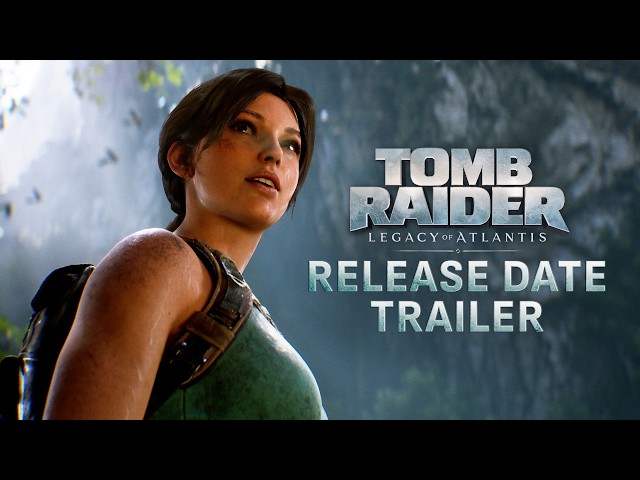
Tomb Raider: Legacy of Atlantis is set for release on Friday, February 12, 2027. For those eager to witness the evolution of the adventurer, the title is currently available for wishlisting on Steam.


 Nana Muazin
 Nana Wu