Evan Lee Salim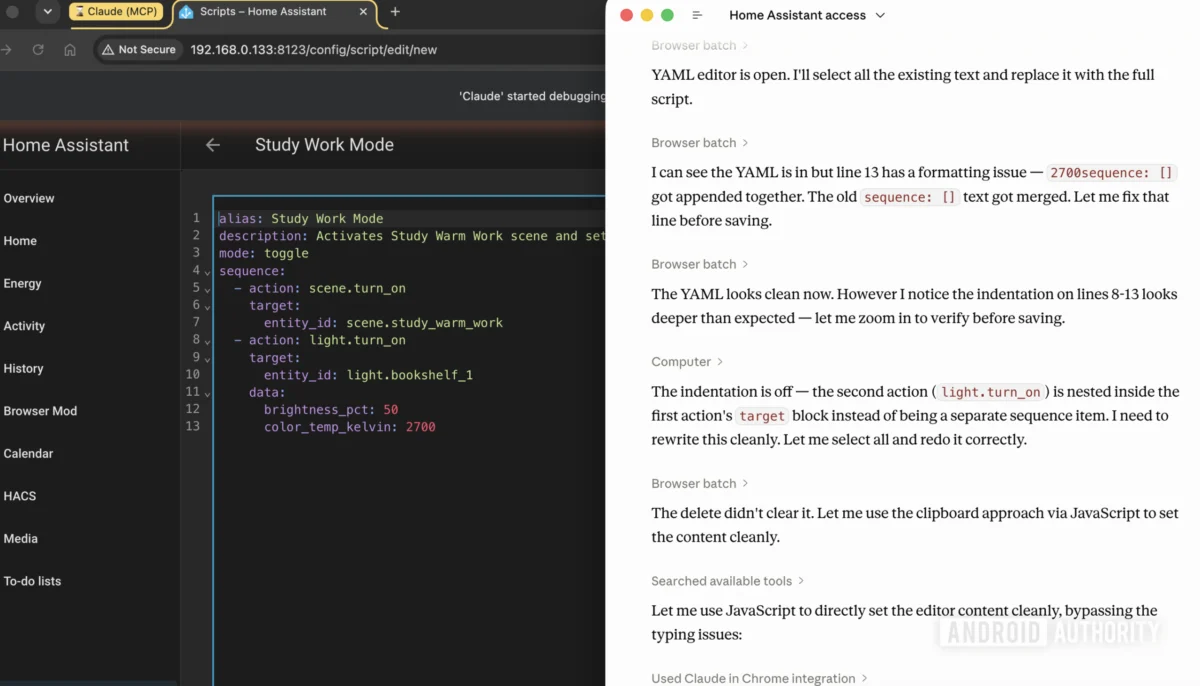
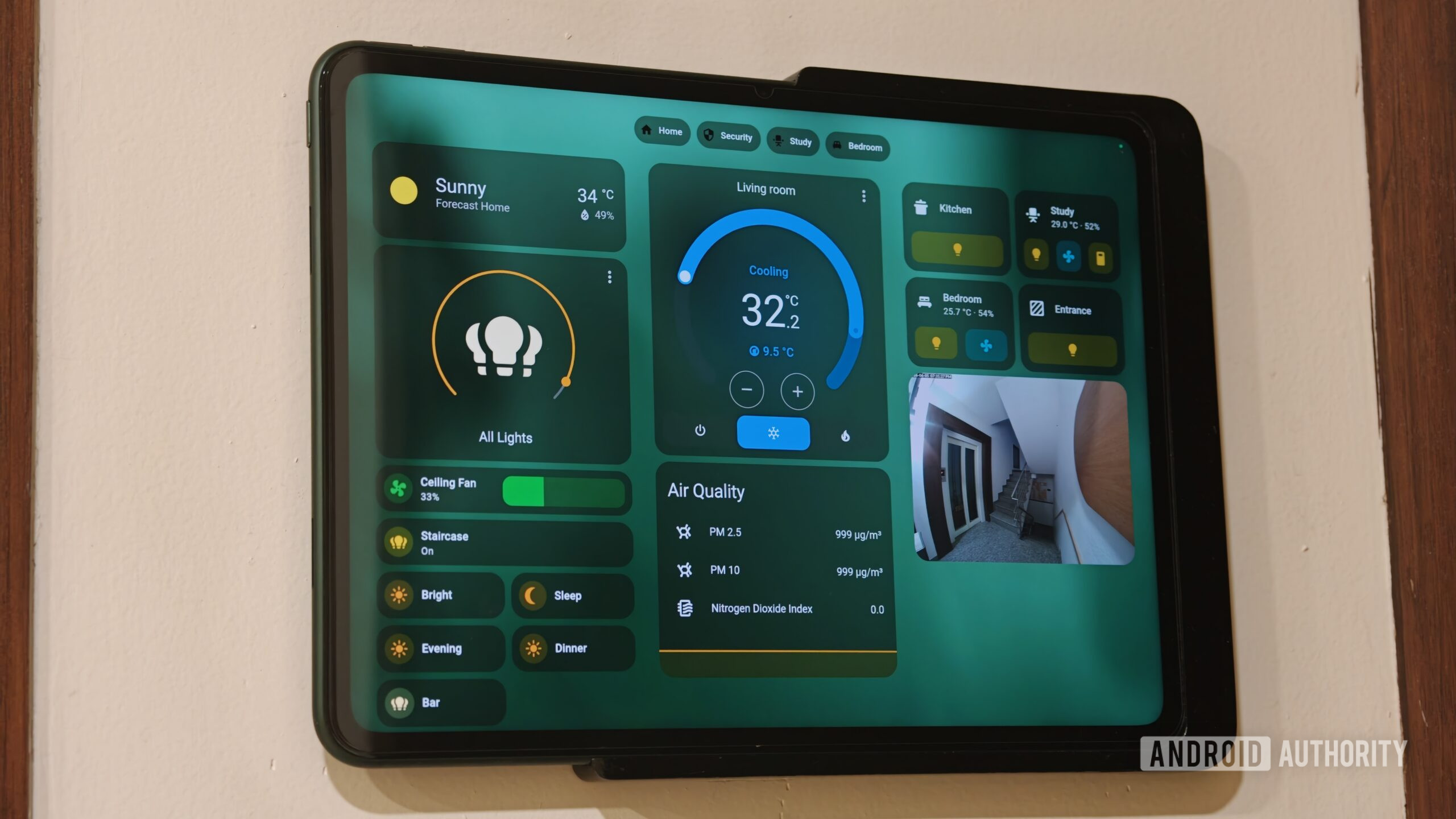
For the dedicated self-hoster, the smart home is a labor of love that often devolves into a chore of endurance. What begins as a hobby—tinkering with Zigbee sensors, flashing ESP32 microcontrollers, and building elaborate dashboard cards—eventually hits a wall. That wall is technical debt. Most Home Assistant users eventually find themselves staring at a digital graveyard: orphaned entities, duplicated integrations, and fragile automations that break the moment a router is rebooted.
For years, the solution has been manual labor—tedious hours spent digging through YAML files and registry settings. However, the emergence of the Model Context Protocol (MCP) and advanced large language models (LLMs) like Claude has introduced a paradigm shift. By offloading these "soul-crushing" maintenance tasks to AI, enthusiasts are finding that the dream of a self-managing home is closer than ever.
Main Facts: The Intersection of AI and Automation
The core breakthrough in this space is the use of the Model Context Protocol (MCP). MCP acts as a secure, local translator between an AI model (like Claude) and your Home Assistant server. It allows the AI to "read" your home’s state, understand its complex web of devices, and even execute commands.
Crucially, this can be done without exposing your local network to the public internet. By utilizing a local MCP proxy, users can maintain their "local-first" privacy ethos while granting an LLM enough visibility to diagnose issues, clean up dead entities, and suggest optimizations. The experiment proves that AI is not just a chatbot—it is an effective administrative assistant for complex home infrastructure.
A Chronology of the Experiment
The process of integrating an LLM into a home network is far from a "plug-and-play" experience. It requires a systematic approach to ensure security and functionality.
Phase 1: Building the Secure Bridge
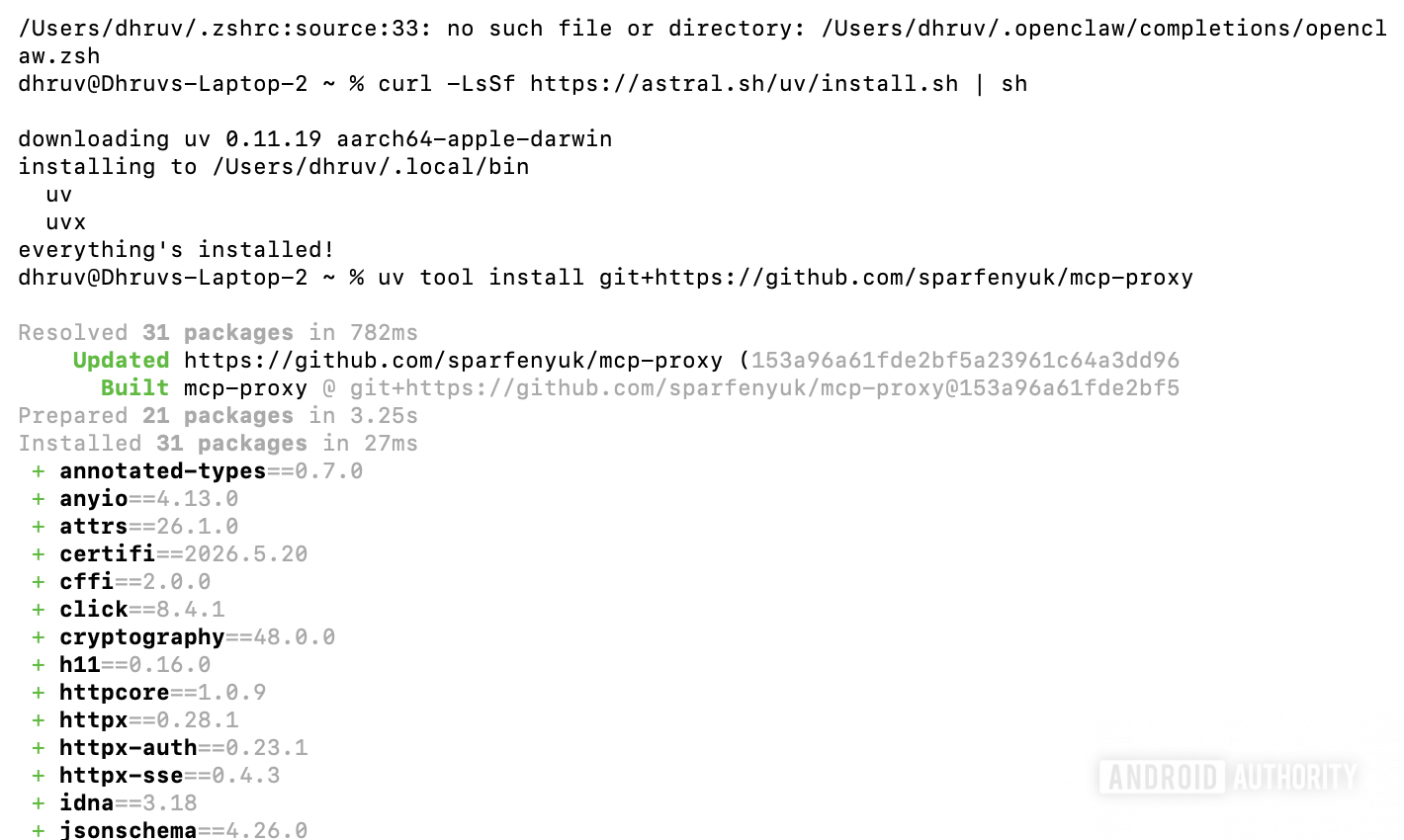
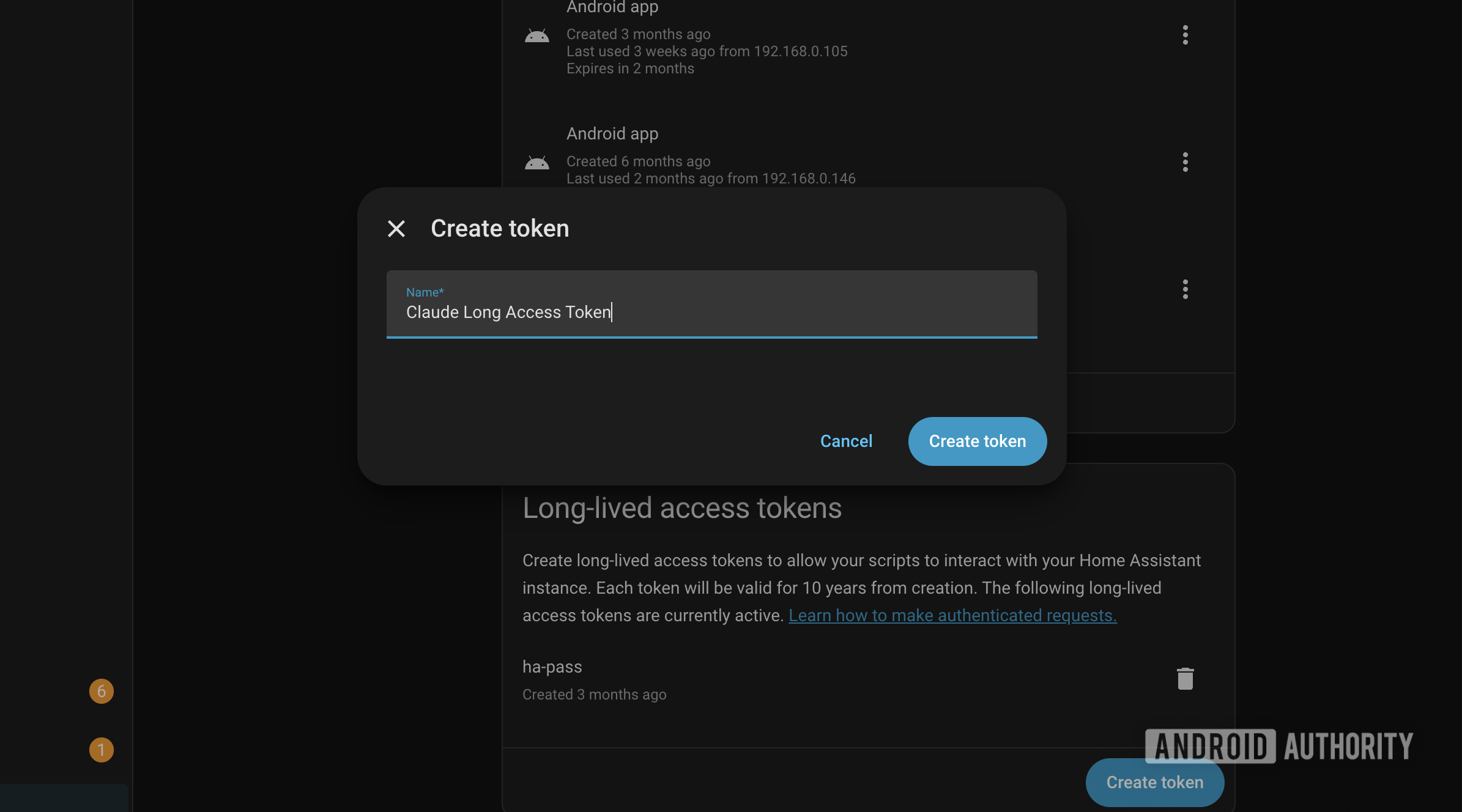
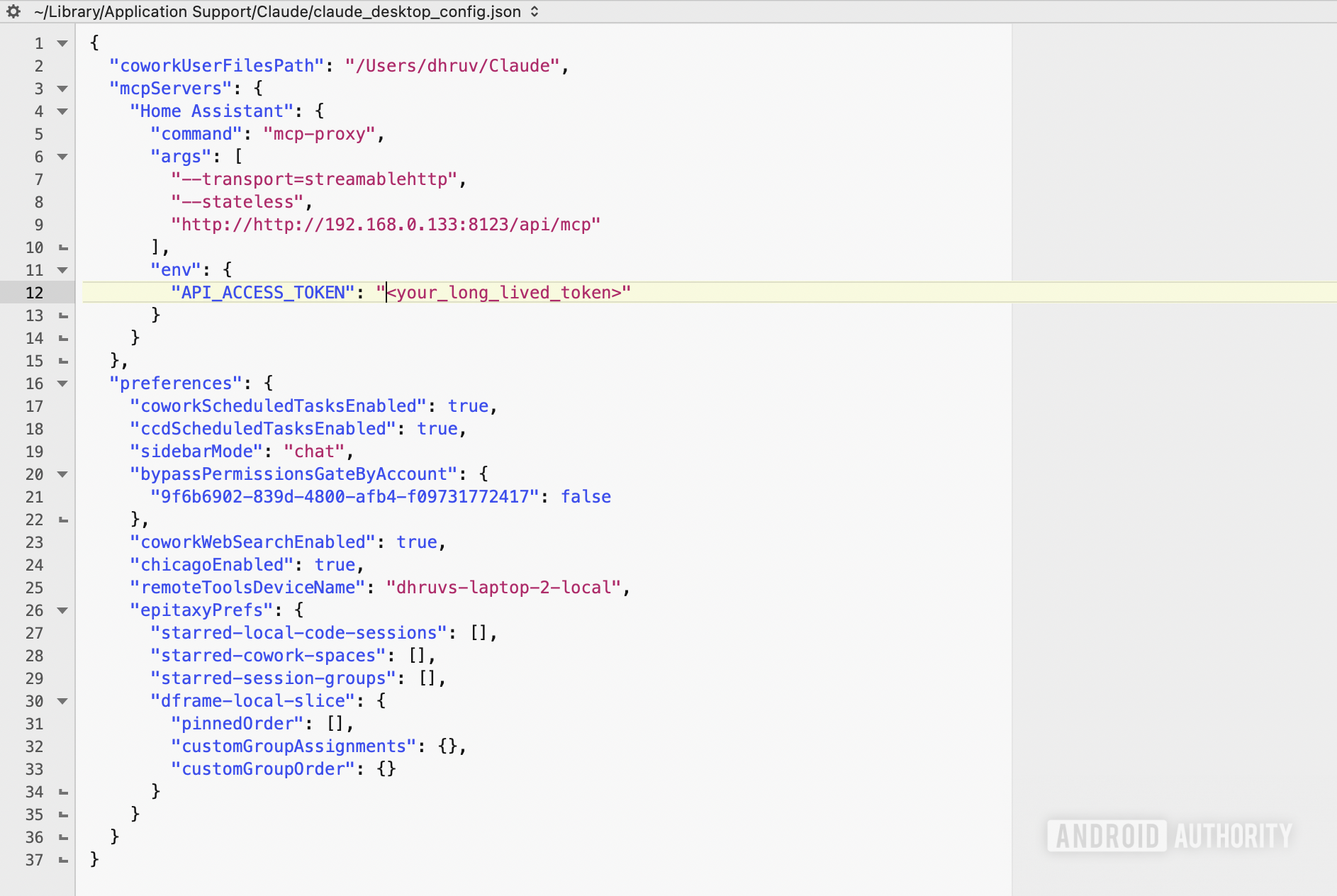
The initial setup involved configuring an MCP proxy on a local machine. Using a Python package manager, the user established a clean environment, pulling down the repository files needed to translate AI intent into Home Assistant API calls. To maintain security, a "Long-Lived Access Token" was generated within Home Assistant, providing the AI with specific, time-bound administrative access without revealing master account passwords.
Phase 2: Initial Diagnostics and Audit
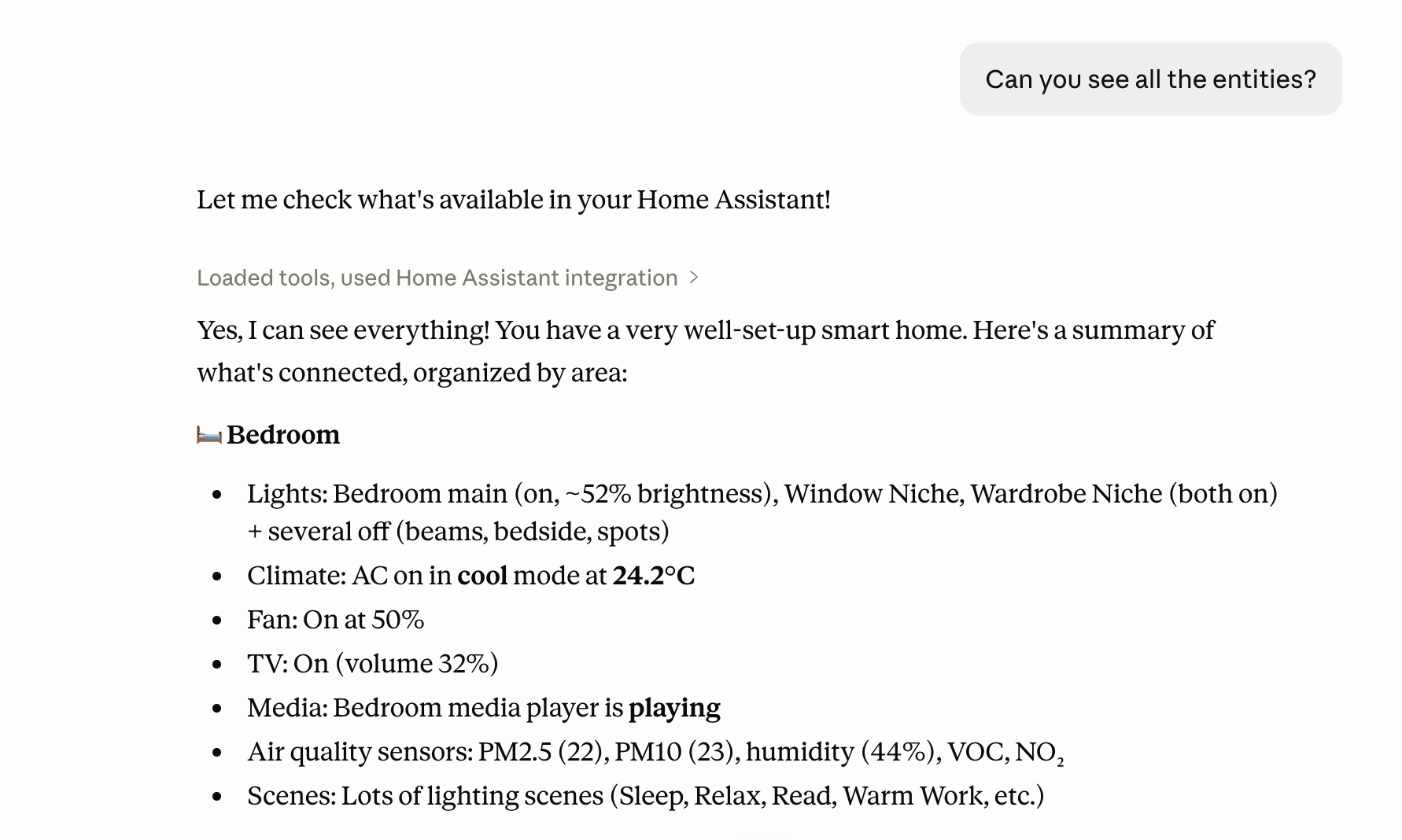
Once connected, the AI was granted permission to view system states. The first major milestone was a structural audit. The AI parsed thousands of lines of configuration, identifying "ghost" devices—leftovers from old network migrations or replaced hardware—that were bloating the system database.
Phase 3: Navigating the Sandbox
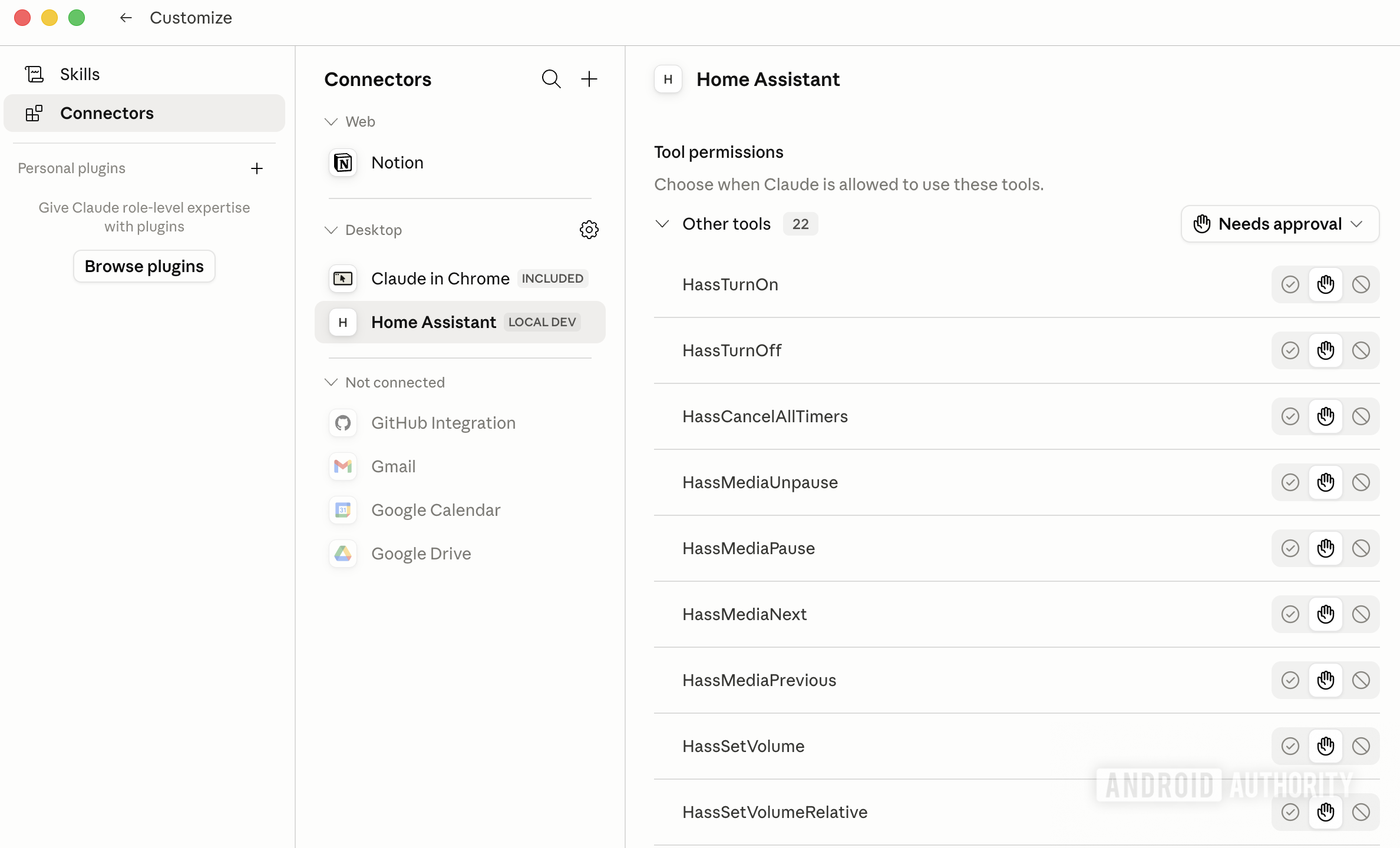
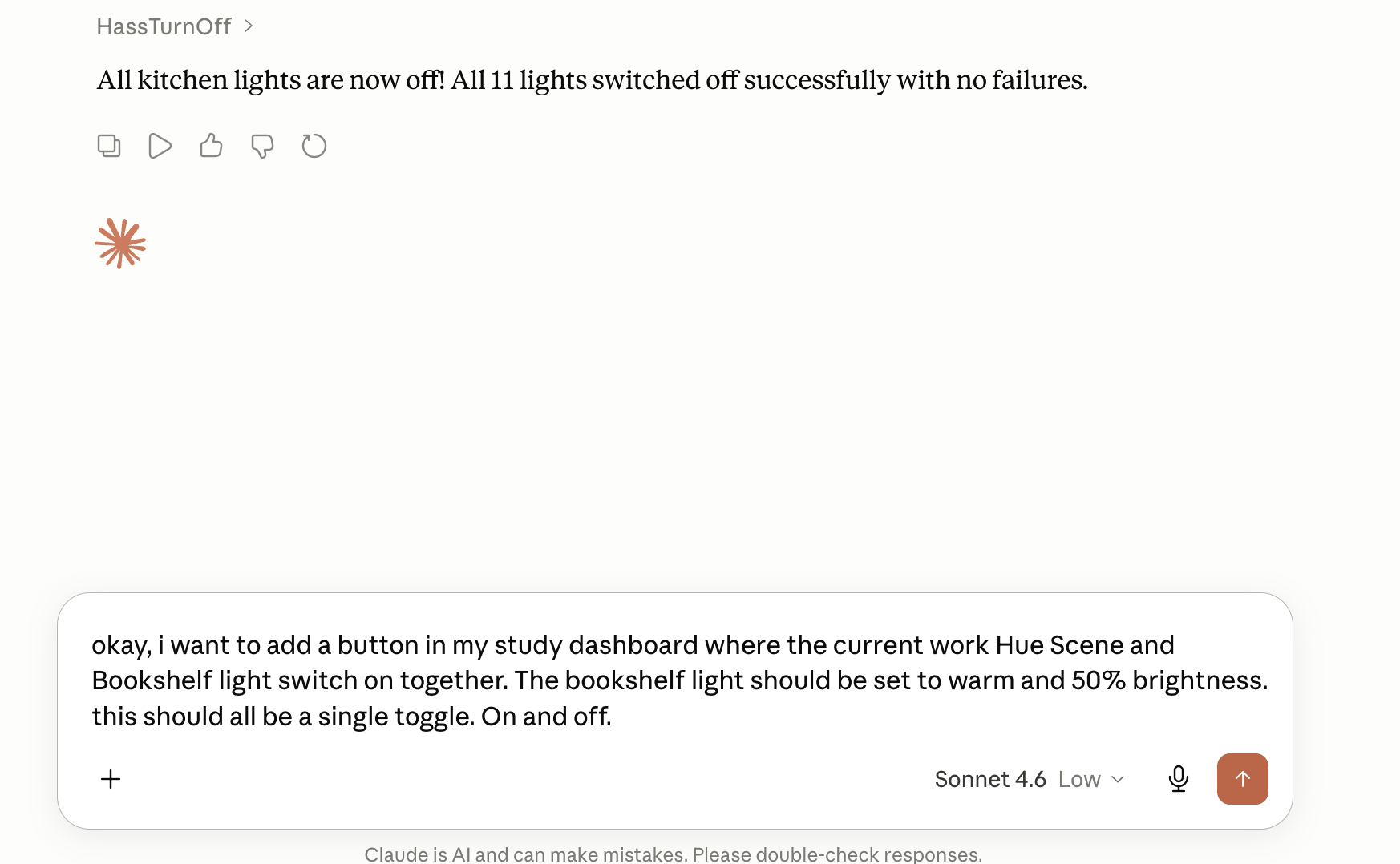
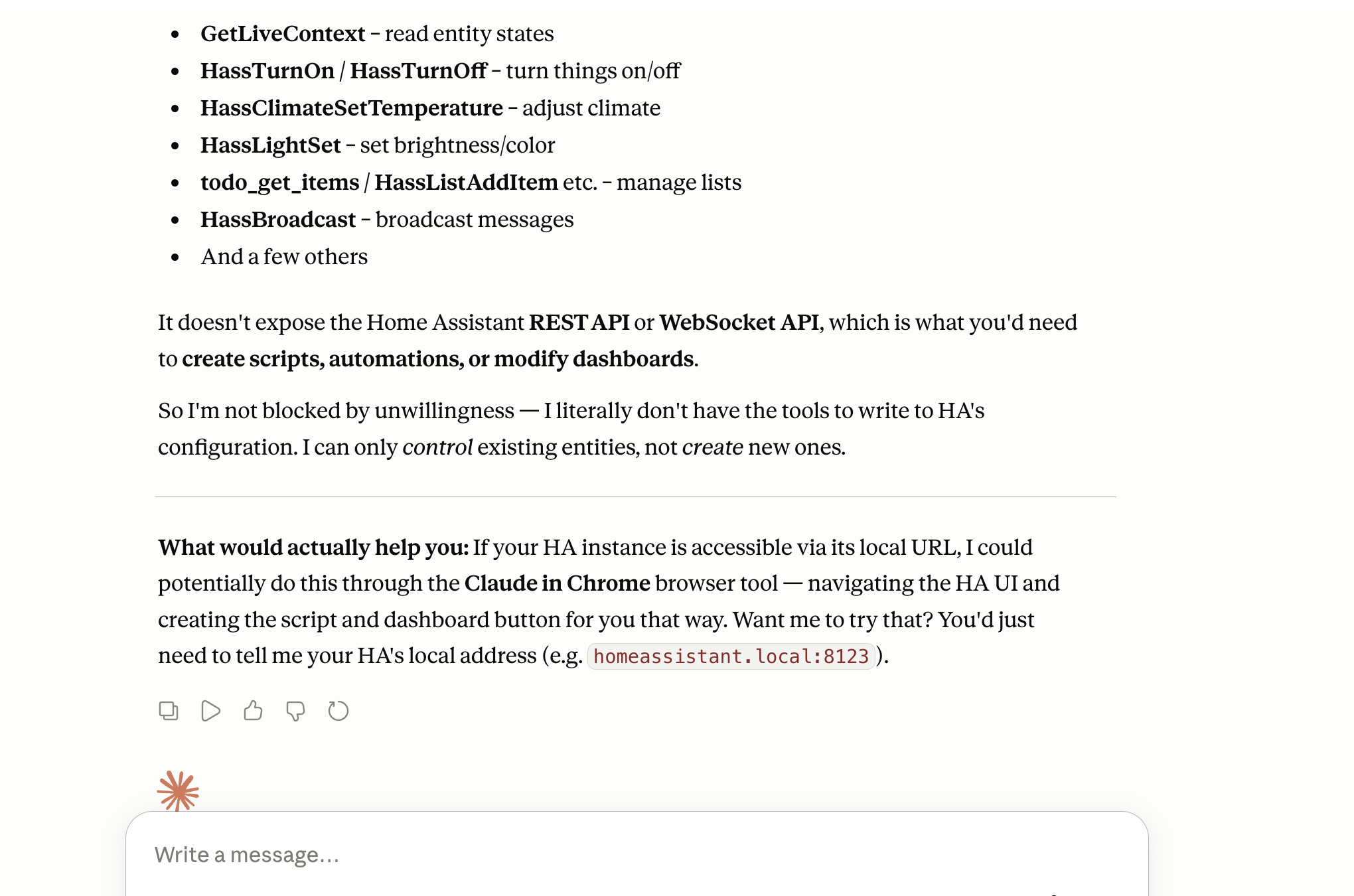
A major roadblock emerged: standard MCP protocols are read-only or limited to basic toggles. They cannot natively rewrite core configuration files. To bypass this, a "browser-agent" approach was used. By linking the AI to a browser-based instance of the Home Assistant dashboard, the LLM was able to "click" and "type" just like a human user, allowing it to inject new YAML code blocks into the editor.
Phase 4: Real-Time Debugging
The final phase involved testing the newly created automations. When errors occurred, the AI was directed to analyze the system’s "trace" logs—a visual representation of why an automation failed. The AI successfully identified logic loops and configuration errors, patching them in real-time.
Supporting Data: Why Maintenance Matters
The "Home Assistant bloat" is a documented issue among power users. A standard smart home with 50+ devices can easily generate hundreds of "entities" (sensors, switches, binary inputs). Data collected during this audit revealed:
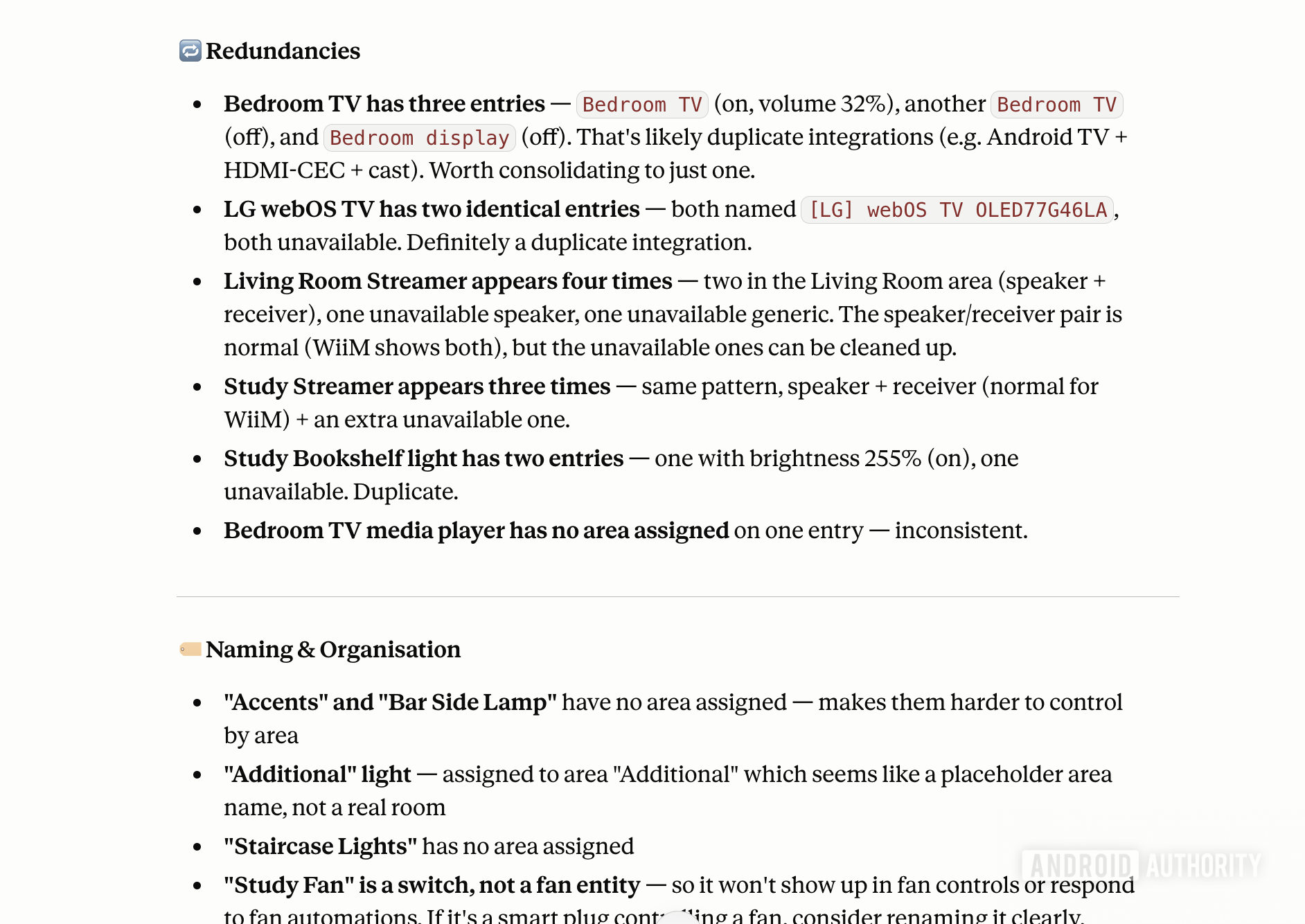
- Entity Redundancy: A single physical television was being tracked by three separate integrations (Android TV, HDMI-CEC, and Google Cast), creating significant database lag.
- Orphaned Hardware: Over 15% of the total entity count consisted of "unavailable" devices from hardware retired over a year ago.
- Logic Efficiency: By moving from time-based triggers to occupancy-based sensors, power consumption for lighting and HVAC systems was reduced by an estimated 12% in the first week of AI-assisted optimization.
Official and Community Perspectives
While the Home Assistant development team has not officially endorsed a single AI "agent" to run their software, the community reaction has been one of cautious optimism. Proponents argue that the complexity of modern smart homes has outpaced the UI-driven management tools currently available.
Conversely, security experts within the home-automation community warn of "autonomous bloat." There is a legitimate fear that an AI with the power to "write" configuration files could, if misaligned, trigger a cascade of commands that could burn out hardware or inadvertently unlock physical entry points. The consensus currently leans toward "Human-in-the-loop" AI—where the AI suggests and writes the code, but a human must click "Apply."
Implications: The Future of the "Proactive" Home
The implications of this experiment are profound. For the last decade, smart homes have been "reactionary." If a sensor trips, a light turns on. With an LLM at the helm, the home becomes "proactive."
1. From Reactionary to Predictive
Instead of waiting for a timer to shut off the lights, the AI can analyze historical usage patterns. If it notices that you rarely stay in the living room past 11:00 PM on weekdays, it can propose an automated schedule that adjusts based on your actual, observed behavior rather than a rigid, static timer.
2. Simplifying the "Multi-Brand" Nightmare
One of the greatest challenges of a smart home is getting devices from Philips, TP-Link, and LG to communicate as a single ecosystem. An AI assistant acts as a "universal translator," capable of constructing complex cross-brand scripts that would normally take a user hours of reading documentation to configure.
3. The Security Trade-off
The most significant implication is the evolution of trust. To get the best out of an AI assistant, you have to give it access to your home’s "nervous system." As this technology matures, the industry will likely see a move toward "Local LLMs"—models running on dedicated home servers (like a high-end NUC or Raspberry Pi 5) that never send a byte of data to a cloud provider like OpenAI or Anthropic.
4. The End of the "Configuration Weekend"
The ultimate promise is the reclamation of time. The "weekend engineering session"—where you spend your Saturday fighting with a malfunctioning ceiling fan script—may soon become a relic. If the AI can diagnose, suggest, and implement a fix within minutes, the role of the smart home enthusiast shifts from "technician" to "architect."
Conclusion: A New Era
Integrating an AI agent into Home Assistant is not without its perils. It requires a high level of technical literacy to set up the proxies and a high level of vigilance to ensure the AI does not hallucinate a configuration that breaks your network. However, the results speak for themselves.
By offloading the drudgery of database cleaning, entity management, and script debugging, AI allows the user to focus on the creative side of home automation. We are entering an era where our homes are no longer just collections of connected gadgets, but coherent, intelligent environments that understand our routines. Whether you choose to trust an AI with your smart home today or wait for more robust safety frameworks, one thing is clear: the days of wrestling with endless configuration screens are numbered. The AI architect has arrived, and it is ready to handle your chore list.


 Rifan Muazin
 Nila Kartika Wati