Reynand Wu
By Shayna Josi, Contributor
Published: June 14, 2026, 2:30 PM EDT
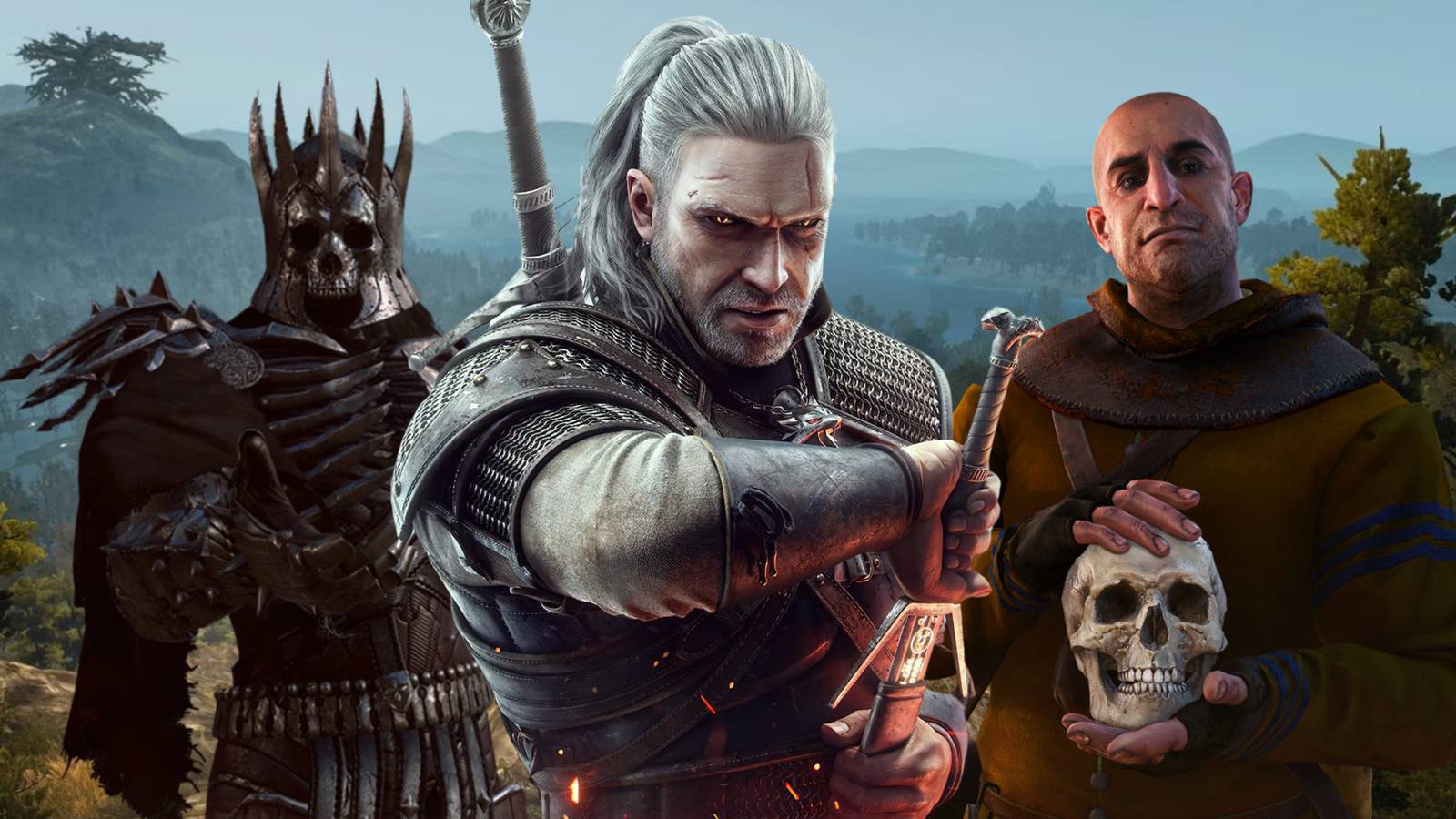
The Witcher 3: Wild Hunt stands as a titan in the realm of open-world role-playing games, celebrated for its intricate narrative, vast landscapes, and morally ambiguous choices. Yet, for players venturing into this rich world without prior immersion in Andrzej Sapkowski’s novels or the preceding games, certain plot points, character interactions, and even pivotal moments can feel somewhat opaque. The game masterfully weaves a tapestry of lore, but the threads of its full context often lie just beyond the immediate gameplay, enriching the experience immeasurably for those who delve deeper.
This article aims to illuminate those often-overlooked layers of narrative and history that elevate specific encounters and character arcs within The Witcher 3 from memorable to truly profound. By exploring the deeper lore, we can re-examine seemingly straightforward events and discover the intricate web of political machinations, ancient prophecies, and personal histories that imbue the game with its lasting impact.

H2: The Unseen Threads: Lore as a Catalyst for Deeper Understanding
The Witcher 3, a sprawling epic set in a world brimming with monsters, magic, and political intrigue, often presents its narrative through dialogue, environmental storytelling, and player choice. However, the true weight and significance of many events are amplified when viewed through the lens of the established lore. The game’s developers at CD Projekt Red have masterfully integrated elements from the books and previous titles, assuming a baseline familiarity from seasoned players while still providing enough context for newcomers. Yet, for those who seek a more complete understanding, revisiting early encounters with a newfound appreciation for the world’s history can be a revelation.
For instance, initial encounters with characters might be met with a sense of mild confusion regarding their familiarity with Geralt. A casual greeting as an "old friend" can leave a player questioning the depth of their connection. Similarly, banter referencing past events or ongoing conflicts might fall flat without the necessary historical context. This is not a failing of the game, but rather a testament to its commitment to a deeply established universe. The Witcher 3 doesn’t hold your hand through every historical footnote; instead, it trusts players to either piece together the narrative or, for those so inclined, to seek out the rich tapestry of lore that underpins it.
This article will delve into specific moments within The Witcher 3 that gain substantial depth and emotional resonance when understood within the broader context of the franchise’s lore. These are not necessarily moments that are incomprehensible without prior knowledge, but rather those that transform from interesting plot points into emotionally charged revelations, shifting player perceptions and solidifying the game’s status as a narrative masterpiece.
H2: Illuminating Key Moments: A Deeper Dive into The Witcher 3’s Narrative
The journey through The Witcher 3 is punctuated by encounters that, while impactful on their own, gain a new dimension when viewed with a deeper understanding of the world’s intricate history and character backgrounds. These moments often involve characters whose motivations, allegiances, and past actions are more complex than initially presented, or events that signify larger shifts in the world’s political or magical landscape.
H3: The Unveiling of the Wild Hunt: More Than Just Spectral Raiders
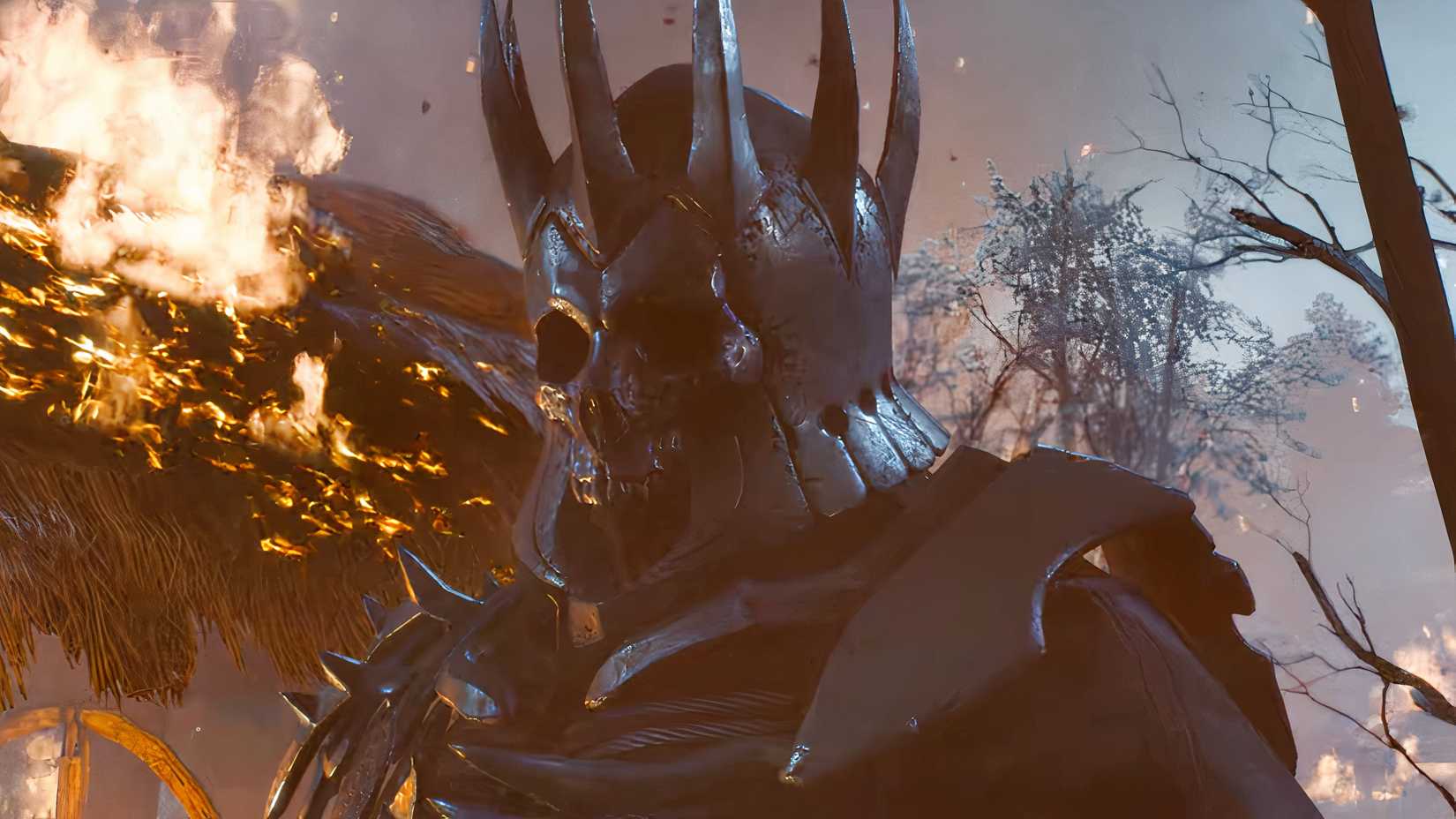
The initial introduction to the Wild Hunt paints them as a terrifying, ethereal force, a relentless specter of doom pursuing Ciri. Their chilling presence and seemingly unstoppable nature evoke a primal fear. However, the lore reveals a far more nuanced and desperate reality. The Wild Hunt are not simply spirits but a group of dimension-hopping Aen Elle elves, led by King Eredin. Their relentless pursuit of Ciri stems from a desperate need to escape the encroaching White Frost, an apocalyptic cosmic phenomenon that threatens to consume their own world.
This revelation recontextualizes their actions. While their methods are undeniably brutal and their pursuit places countless lives in peril, their ultimate goal is survival. This adds a layer of tragic desperation to their villainy, transforming them from pure evil into a force driven by a primal, albeit ruthless, instinct for self-preservation. The understanding that Eredin is a king fighting to save his people from annihilation imbues their conflict with a greater sense of weight, highlighting the desperate choices made in the face of existential threat. The Wild Hunt’s pervasive presence throughout the game is not merely a plot device; it’s the culmination of a long-standing, desperate struggle for survival that predates Geralt’s immediate quest.
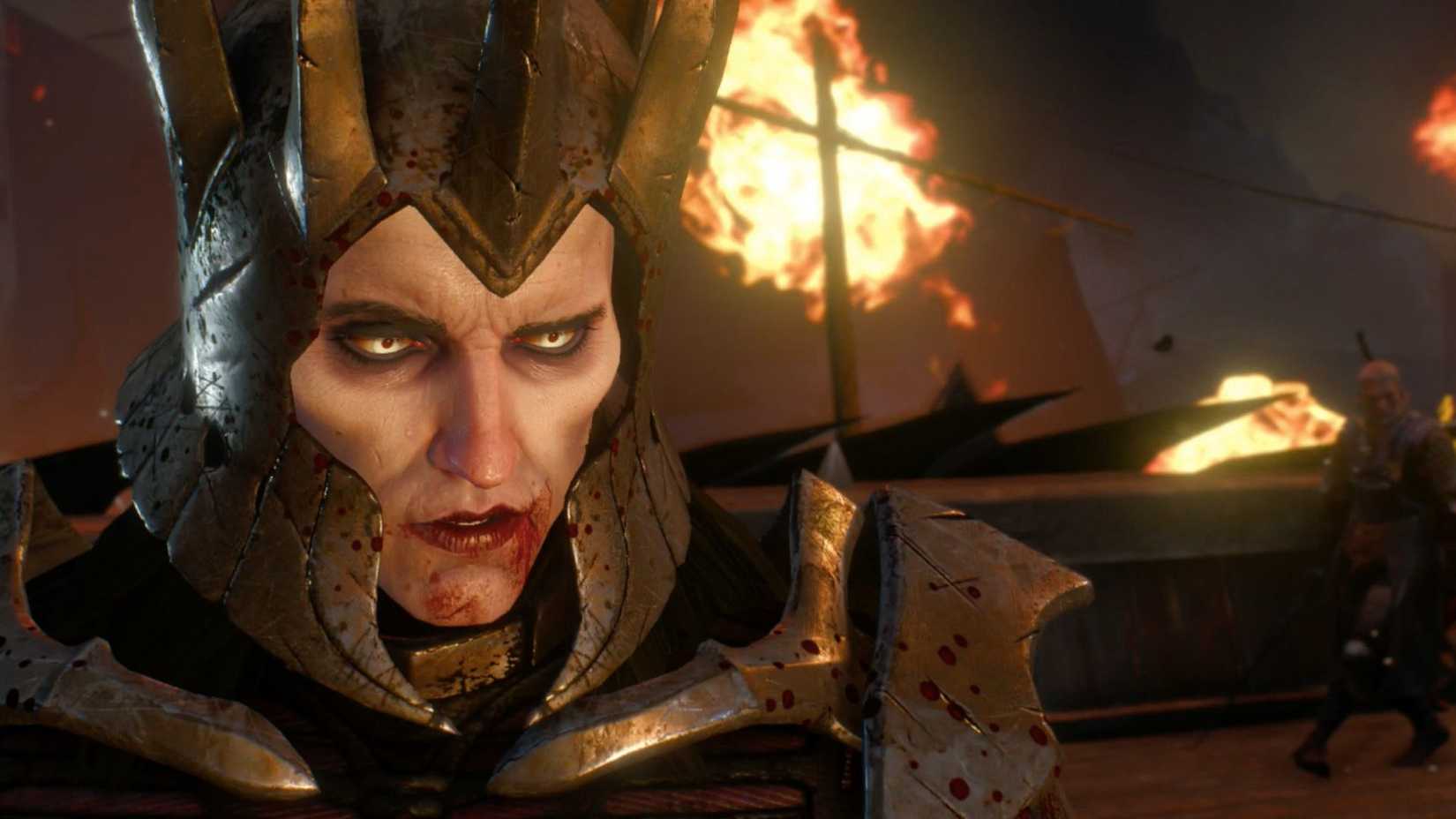
H3: Eredin’s Reign: A King’s Desperate Gambit
Eredin Bréacc Glas, the King of the Wild Hunt, is presented as the primary antagonist of The Witcher 3. While his actions are unequivocally villainous, a deeper understanding of his motivations reveals a monarch burdened by the impending doom of his own world. The Aen Elle elves, hailing from a dimension teetering on the brink of destruction by the White Frost, see Ciri and her Elder Blood as their last hope for survival. Eredin’s relentless pursuit is not born of malice, but of a king’s desperate attempt to secure a future for his people.
This revelation doesn’t absolve Eredin of his transgressions – his methods are cruel, and his disregard for other worlds is evident. However, it transforms him from a one-dimensional villain into a complex figure. He is a king making a desperate gamble, willing to sacrifice entire worlds to save his own. This adds a layer of tragic inevitability to his confrontation with Geralt and Ciri, framing the ultimate battle not just as a fight against evil, but as a clash between two desperate forces, each fighting for their own survival. His character becomes a powerful exploration of the lengths to which any leader might go when faced with the ultimate apocalypse.
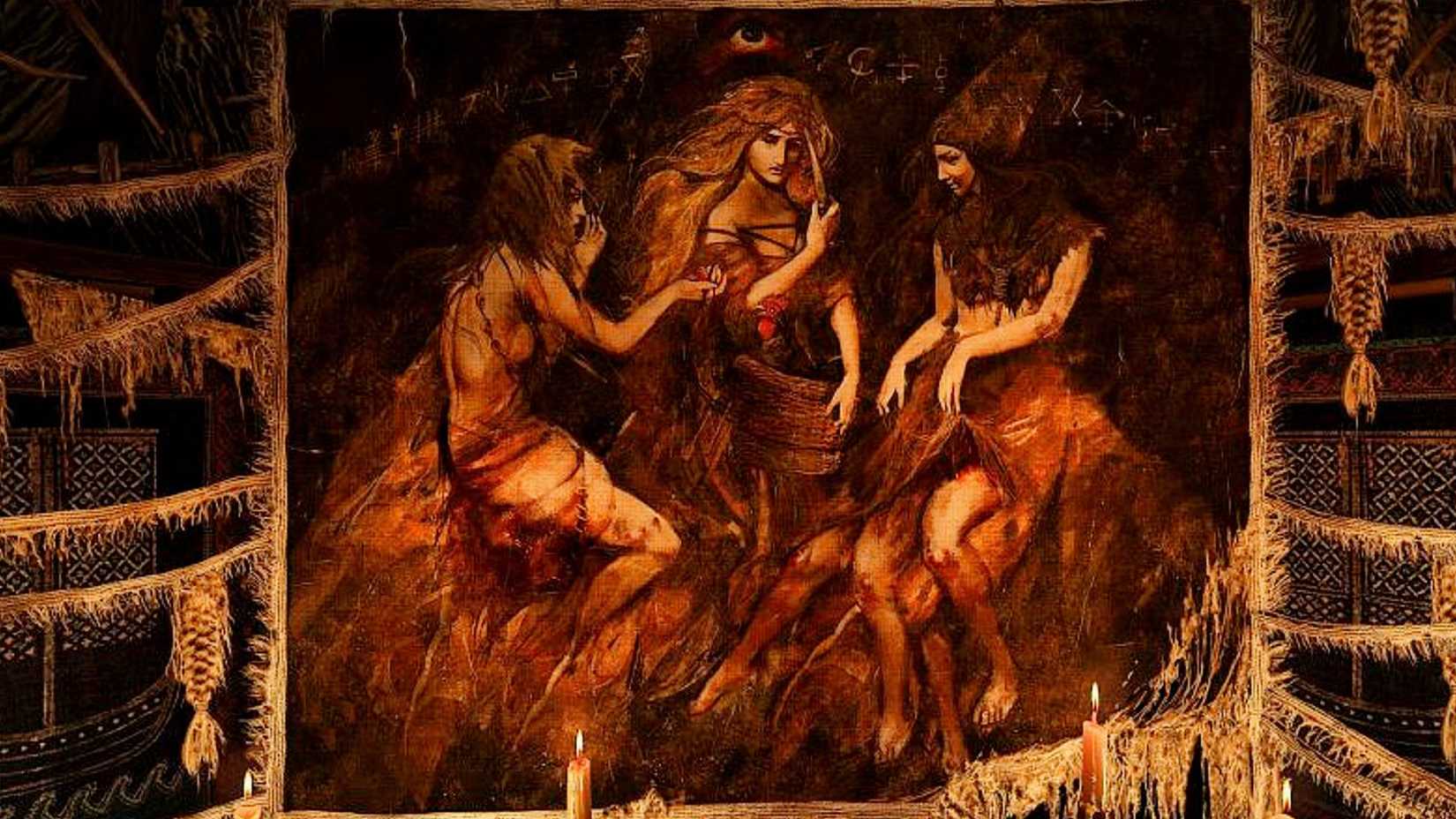
H3: The Crones of Crookback Bog: Echoes of Ancient Folklore
The Crones of Crookback Bog, initially appearing as benevolent yet unsettling figures in Velen, quickly reveal their sinister nature. For those familiar with European folklore, particularly Slavic myths, their depiction is not entirely surprising. These three ancient beings, residing in a desolate swamp, embody the archetype of the forest witch – powerful, ancient, and often malevolent entities who prey on the innocent. Their allure masks a horrific reality: they feast on children and manipulate mortals with Faustian bargains, rarely offering true salvation.
Understanding this mythological context immediately casts the Crones in a more terrifying light. Their deceptive beauty and seemingly helpful demeanor become a chilling facade, a common trope for dangerous enchantresses in folklore. This knowledge deepens the horror of their actions and reinforces the narrative’s cautionary tale about trusting appearances, especially in the darkest corners of the Continent. The player’s decision to confront or cooperate with them becomes even more fraught with ethical weight, knowing the ancient evils they represent and the grim consequences of their influence. Their presence serves as a potent reminder of the deep roots of mythology that permeate the Witcher universe.

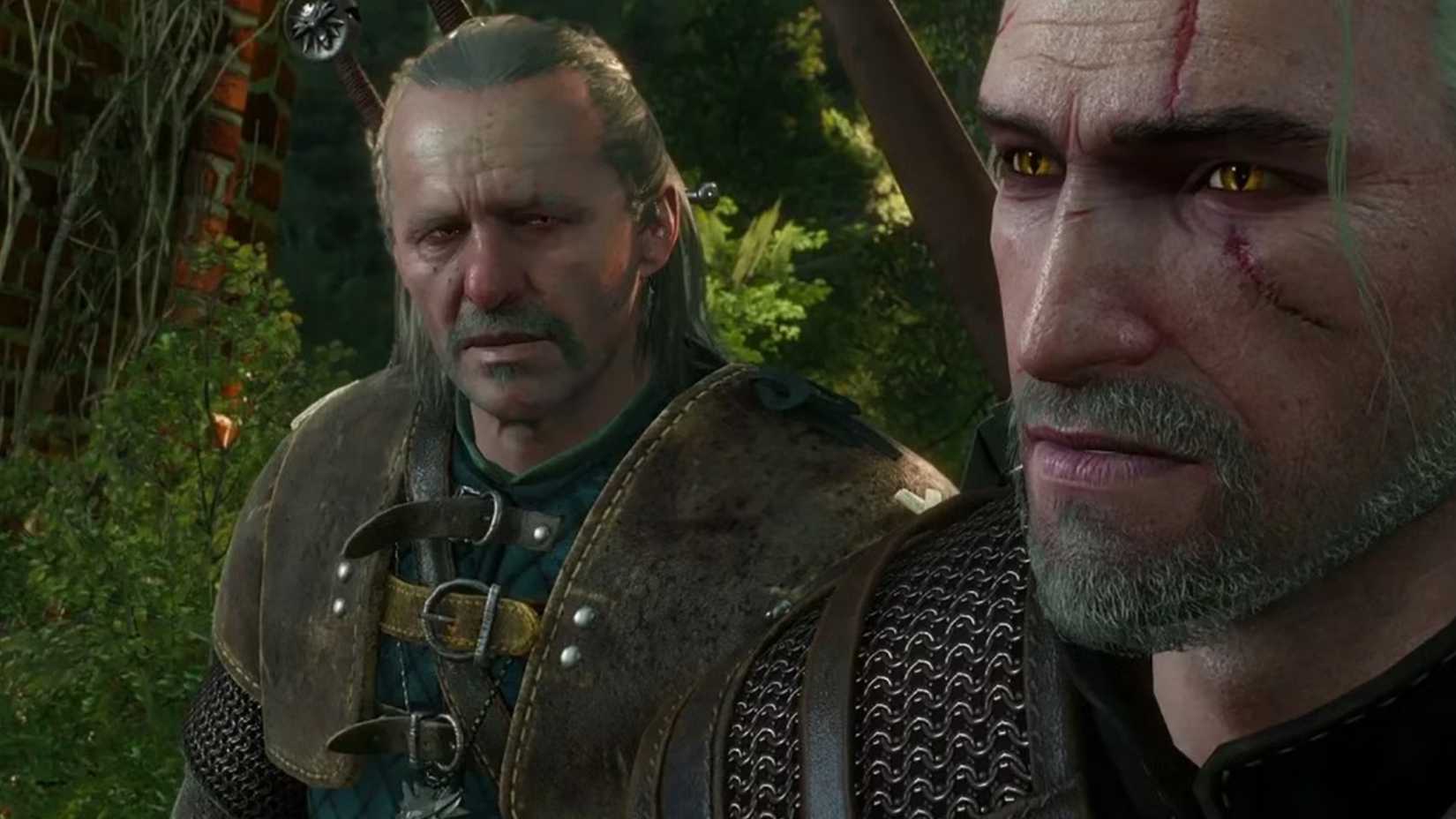
H3: Vesemir’s Sacrifice: The End of an Era
Vesemir’s death is an undeniably poignant moment in The Witcher 3, marking the loss of a mentor, a father figure, and a steadfastly good man. However, its true significance extends beyond the emotional impact of his demise. Vesemir represents the last bastion of a dying tradition. With the Witchers in decline, their schools dismantled, and their numbers dwindling, his death signifies more than just the end of a beloved character; it marks the twilight of an era.
The knowledge of the Witcher’s history, their arduous training, and the harsh realities of their existence amplifies the tragedy. Vesemir’s passing represents the loss of invaluable knowledge – the secrets of monster hunting, the ancient lore, the very essence of the Witcher Path. While the tradition may persist through Ciri or other nascent witchers, Vesemir’s death truly closes a chapter, leaving a void that can never be fully filled. It underscores the precarious state of the Witcher world and the fading of its unique protectors, adding a profound sense of melancholy to an already devastating event.
H3: The Trial of the Grasses: A Glimpse into Witcher Origins
The Trial of the Grasses, a crucial plot point involving the fate of a young sorcerer, is presented as a brutal and ethically challenging decision. Geralt, Eskel, and Lambert react with a mixture of revulsion and reluctant understanding, while Yennefer sees its potential. While the in-game dialogue clearly conveys the grim nature of this ritual – a deadly process used to mutate children into witchers – a deeper understanding of its lore transforms this moment into something far more visceral.
The Trial of the Grasses is not merely a painful procedure; it is a horrific crucible that few survive, a testament to the extreme measures taken to create witchers. It’s the first time players witness the raw, unforgiving reality of witcher creation firsthand, a process that involved excruciating pain, dangerous alchemical concoctions, and a near-certain death sentence for many. This context elevates the scene, making the reluctance of Geralt and his companions palpable. Their shared trauma and the echoes of their own harrowing experiences become evident, turning a narrative choice into a profound exploration of their origins and the enduring scars of their transformation.
H3: Romancing Triss: Unpacking the Unspoken History
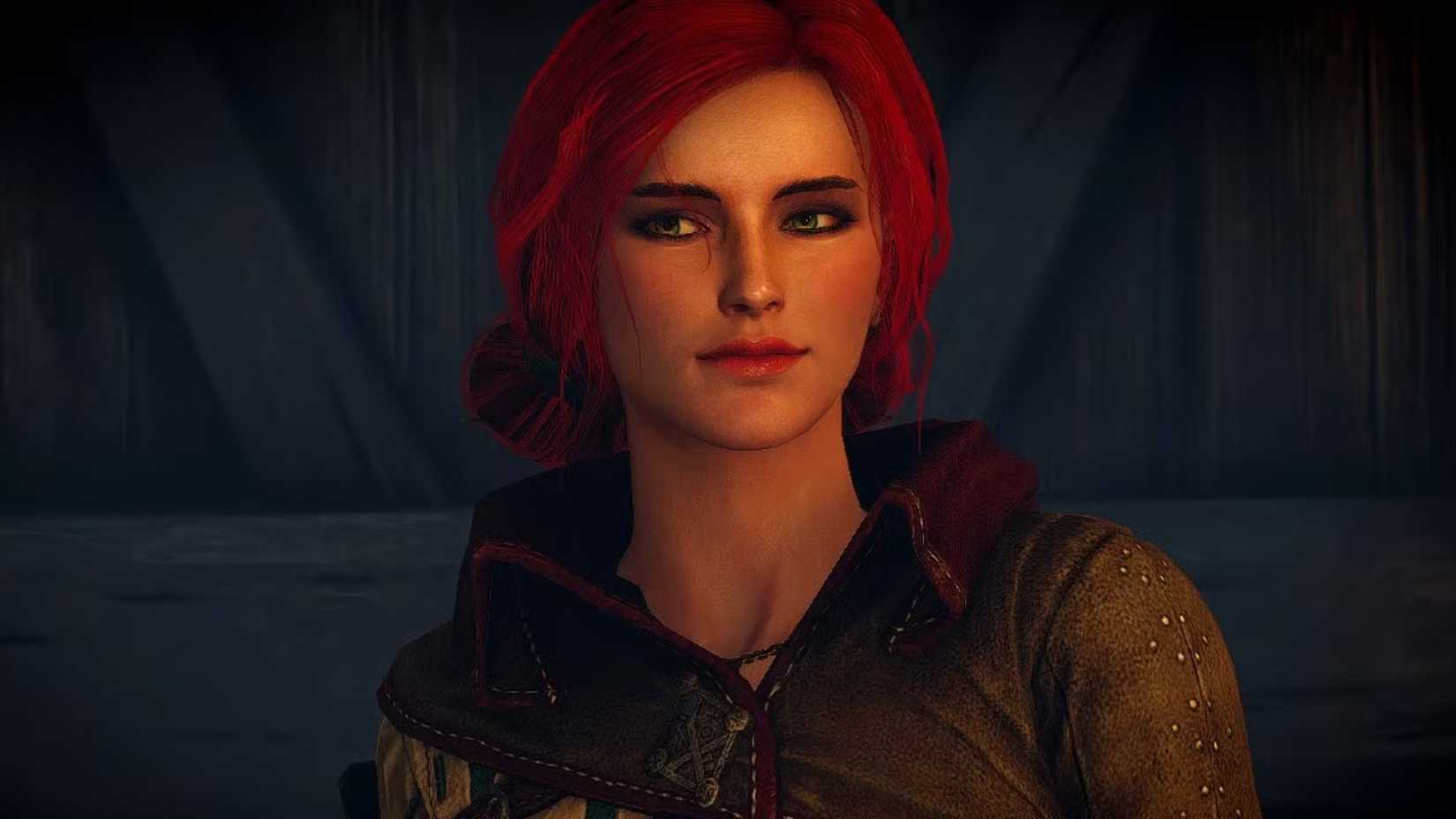
The choice between romancing Triss Merigold or Yennefer of Vengerberg is a central dilemma for many players in The Witcher 3. While both characters are presented as compelling romantic options, the lore offers a critical perspective that can heavily influence this decision. Triss’s past actions, particularly her taking advantage of Geralt during his amnesia, cast a long shadow over her relationship with him. This period, where Geralt’s memories were lost, saw Triss exploit his vulnerability, a detail that, while not explicitly dwelled upon in-game, is a significant point of contention for those familiar with the books.
In contrast, Geralt and Yennefer’s relationship is depicted as a deep, complex, and enduring bond, forged through shared trials and a profound, often tumultuous, love. Their history, dating back to the incident with the djinn and their shared desire for a life together, presents a compelling argument for their eventual reconciliation. Understanding this deeper romantic history makes the choice between Triss and Yen less about current affections and more about the weight of past commitments and the possibility of a truly earned happy ending for Geralt and Yennefer, a resolution long overdue.
H3: Dijkstra’s Betrayal: A Character Arc Undone?
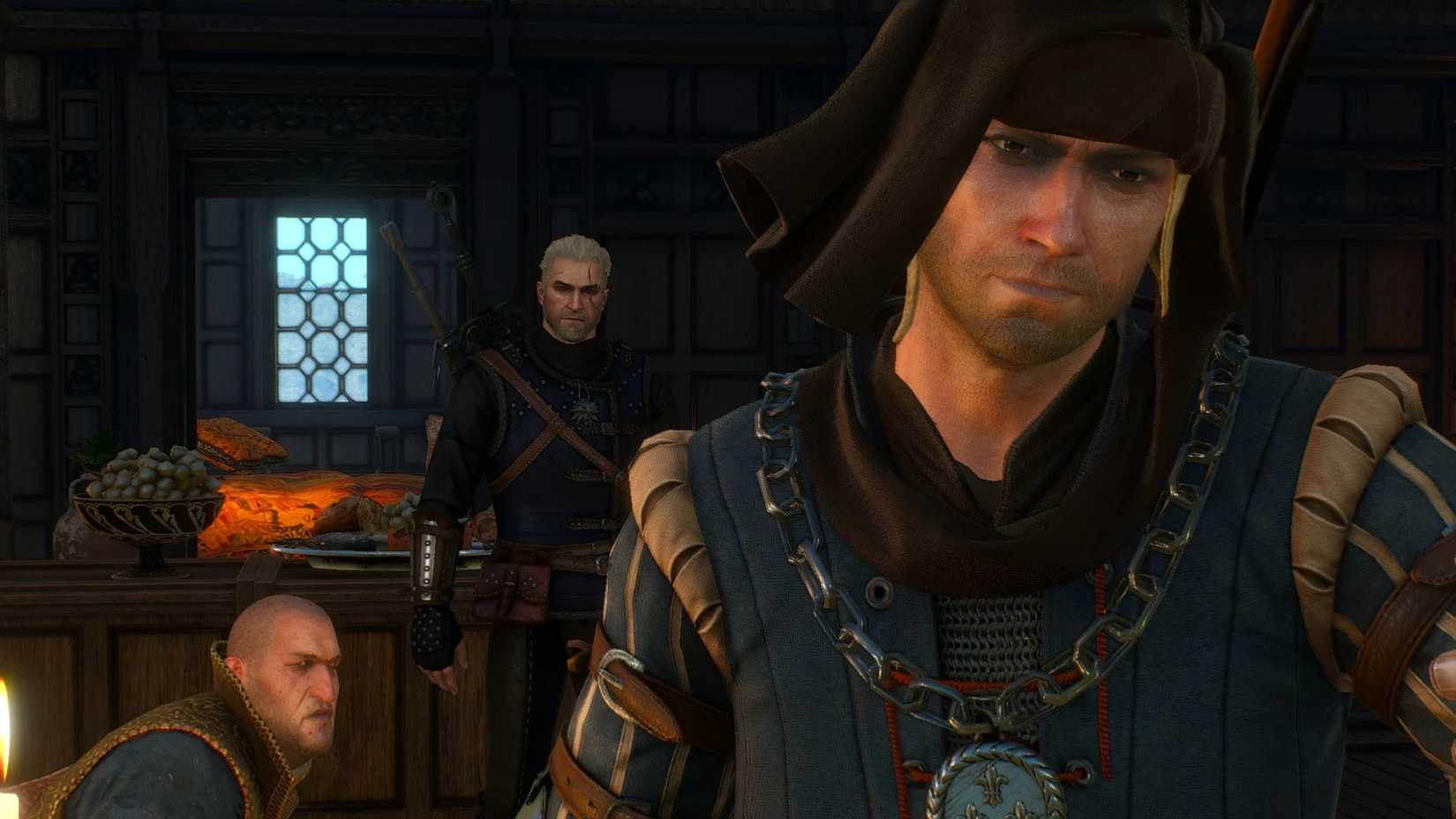
The quest involving Dijkstra, Roche, and Ves was widely criticized by veteran players of The Witcher series for what felt like a significant departure from Dijkstra’s established character. For those who only knew him from The Witcher 3, his betrayal might seem like a shocking, albeit poorly executed, plot twist. However, for those familiar with Dijkstra from the novels and The Witcher 2: Assassins of Kings, his actions in this particular quest are seen as a profound character assassination.
Dijkstra, a cunning and pragmatic spymaster, was known for his meticulous planning and his aversion to unnecessary risks. The scenario presented in the game, where he is supposedly present at the very moment of his supposed betrayal, while Geralt is still in the vicinity, is considered an anachronism. His character in previous iterations would never allow such a situation to unfold, especially not with Geralt, whom he respects and often strategizes with. The expectation that Geralt would simply stand aside while Dijkstra eliminates his allies is seen as fundamentally out of character. This lore-driven analysis transforms the quest from a merely disappointing encounter into a glaring example of narrative misstep, highlighting how a lack of adherence to established character can undermine even the most engaging storylines.
H3: Avallac’h’s Obsession: The True Depth of the Sage’s Motives
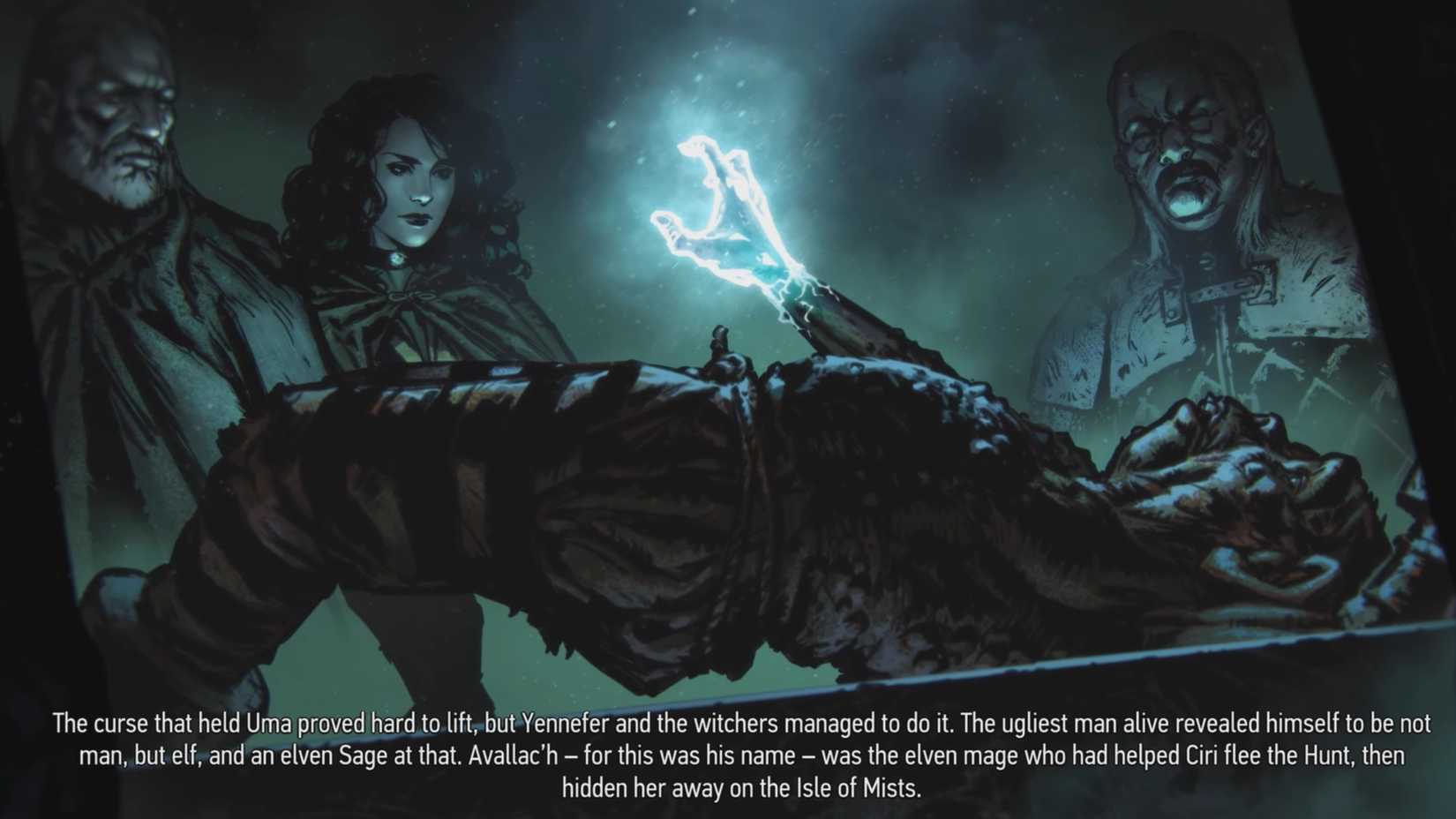
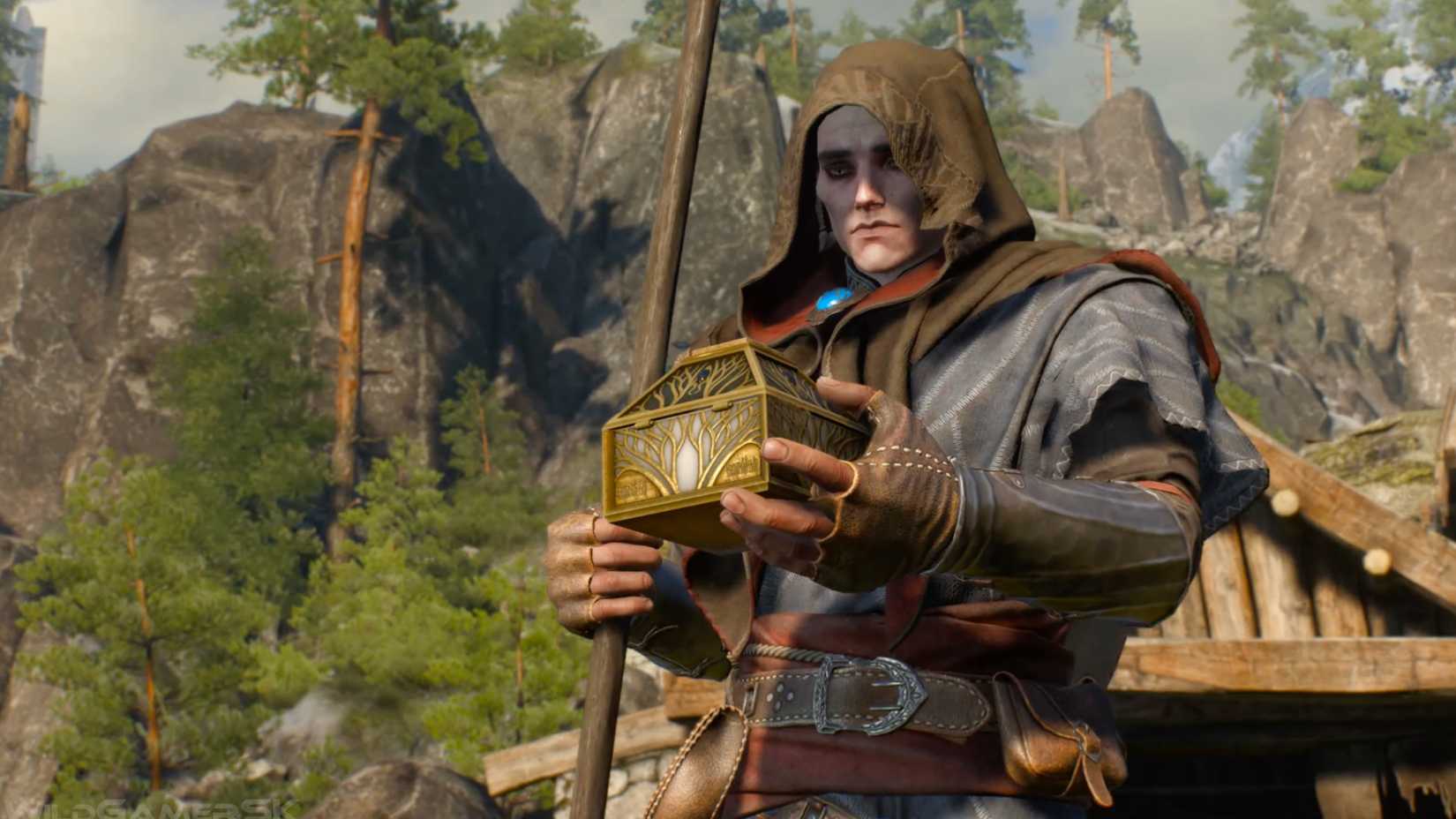
Avallac’h, the enigmatic elven sage, is presented as a shifty and often untrustworthy character within The Witcher 3. His interactions with Ciri and Geralt are marked by ambiguity and suspicion. However, the lore reveals a far more intricate and disturbing history between Avallac’h and Ciri, one that stretches back to her teenage years and extends beyond the events of the game.
Avallac’h met Ciri when she was a teenager and stranded in the Aen Elle dimension, acting as a guide of sorts. More chillingly, he orchestrated a plan for Ciri to bear children with the Aen Elle king, a scheme designed to continue the Elder Bloodline. The discovery of his lab, filled with drawings of Ciri, is merely the surface of his deep-seated obsession with her and the Elder Blood. While he may have had complex motivations, including a desire to end the White Frost, his actions reveal a profoundly unsettling fixation that makes him ultimately untrustworthy and morally compromised. His character serves as a stark reminder that even those who appear to be allies can harbor the most dangerous and manipulative intentions.
H3: Emhyr and Geralt: A Father-in-Law and Father-in-Lawly Tension
The meeting between Emperor Emhyr var Emreis and Geralt in Vizima is fraught with palpable tension. While this awkwardness can be attributed to the vast power disparity between the Emperor of Nilfgaard and a mere witcher, the unsaid history between these two men runs far deeper. Emhyr, Ciri’s biological father and a figure of immense political power, harbors a complex relationship with Geralt, who is Ciri’s adoptive father and protector.
Their shared past predates Ciri’s birth, with Geralt having once saved Emhyr’s life. However, their resentment simmers: Geralt despises Emhyr’s ruthless pragmatism and his treatment of Ciri as a political pawn, while Emhyr resents Geralt’s paternal role and influence over his daughter. This deep-seated animosity, fueled by differing ideologies and paternal instincts, creates an undeniable strain whenever they are in each other’s presence, particularly when Ciri’s well-being is the subject of discussion. The tension in this scene is not merely a stylistic choice; it’s a direct consequence of their intertwined, yet adversarial, histories.
H3: Gaunter O’Dimm’s True Nature: The Serpent in White Orchard
Gaunter O’Dimm, the seemingly benevolent traveling merchant encountered early in White Orchard, is one of the first NPCs players interact with. His friendly demeanor and helpful directions to Yennefer’s location make him appear as a minor, perhaps forgettable, character. However, his subsequent reappearance in the Hearts of Stone expansion as the embodiment of evil completely recontextualizes this initial encounter.
The lore reveals Gaunter O’Dimm as a supernatural entity, a being of immense power who preys on the vulnerable, offering favors in exchange for souls. His initial appearance, offering guidance to Geralt and displaying an uncanny knowledge of Yennefer and Geralt’s predicament, transforms from a simple helpful interaction into a chilling harbinger of malevolence. Knowing his true nature retroactively imbues that first meeting with a sinister undertone, highlighting the insidious way in which true evil can operate, cloaked in the guise of innocuous assistance. This masterful narrative twist underscores the game’s ability to weave subtle foreshadowing into its expansive world.

H2: Conclusion: The Enduring Power of Lore in The Witcher 3
The Witcher 3: Wild Hunt is a game that rewards deep engagement. While its narrative is compelling on a surface level, a deeper understanding of its lore, gleaned from the novels and previous games, unlocks new layers of meaning, emotional resonance, and thematic complexity. From the desperate machinations of the Wild Hunt to the tragic end of an era with Vesemir’s death, each moment discussed herein gains a profound significance when viewed through the lens of its established history.
These moments are not merely plot points; they are reflections of a richly constructed world, populated by characters whose motivations are shaped by centuries of conflict, prophecy, and survival. By exploring these deeper narratives, players can gain a more profound appreciation for the artistry of CD Projekt Red and the enduring power of Andrzej Sapkowski’s creation, solidifying The Witcher 3’s legacy not just as a great game, but as a masterclass in interactive storytelling. The Continent, in all its gritty glory, truly comes alive when its hidden histories are brought to light.


 Lina Irawan
 Sagoh
Sagoh