Nana Wu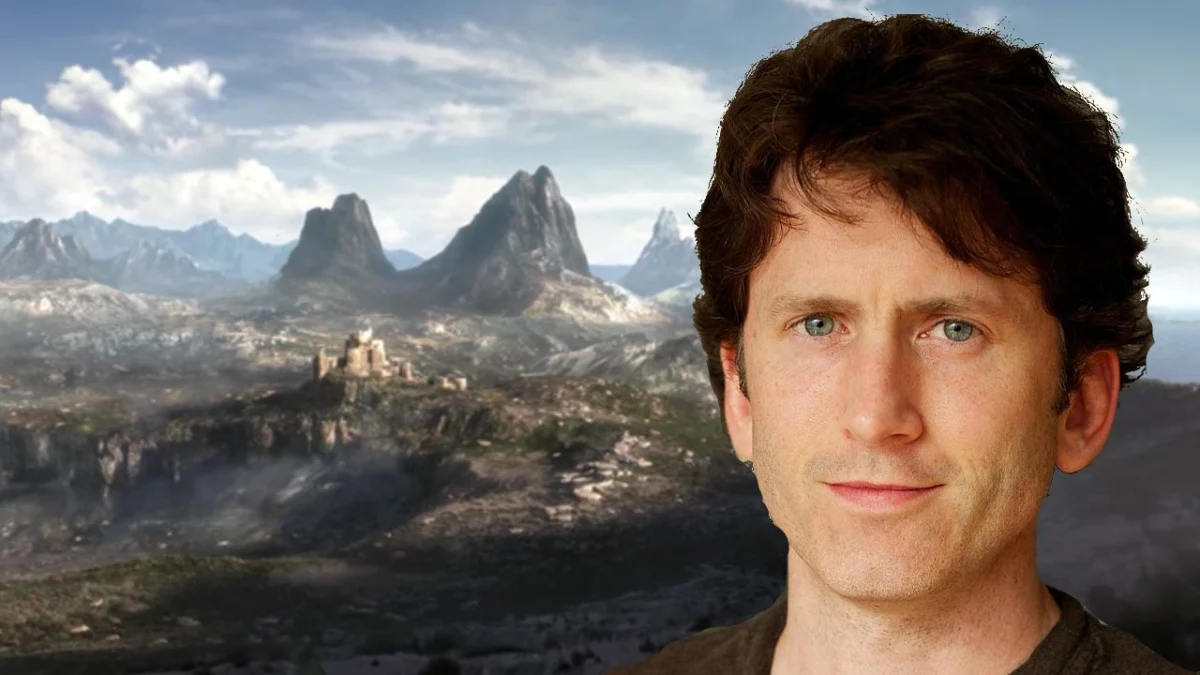
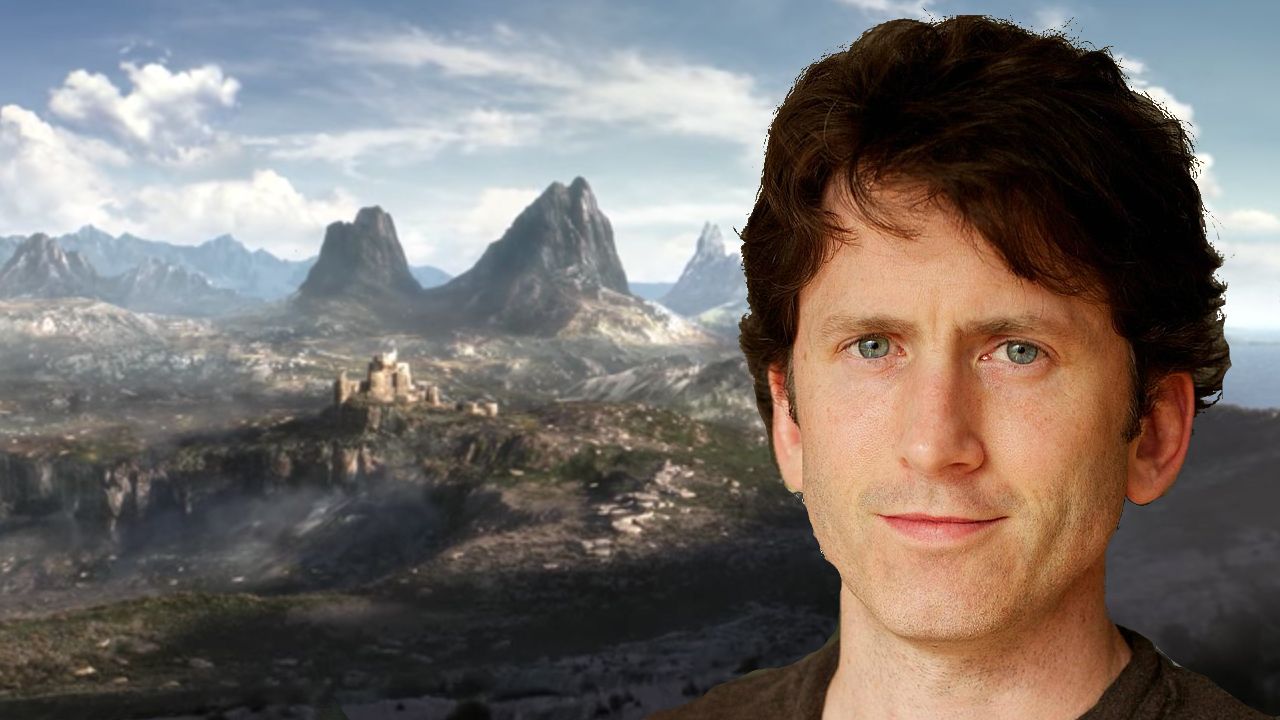
The landscape of modern gaming is defined by gargantuan development cycles, but few titles cast as long a shadow as The Elder Scrolls 6. Eight years have passed since Bethesda Game Studios first teased the project with a brief, ethereal flyover of a mountainous landscape. In the time since that reveal, an entire console generation has come and gone, global industries have shifted, and the very fabric of Bethesda’s parent company, ZeniMax Media, has been fundamentally altered by its acquisition by Microsoft.
Despite the deafening silence from the studio, the appetite for the next installment in the legendary fantasy franchise remains insatiable. However, with the wait entering its ninth year, the conversation has shifted from "what will the game look like?" to "why is it taking this long?"
The Current State of Production
In a recent, exclusive interview with Entertainment Weekly, Todd Howard—the face of Bethesda Game Studios and the visionary behind the Fallout and Elder Scrolls franchises—offered a rare, albeit brief, update on the title. Howard reaffirmed that The Elder Scrolls 6 is the "biggest project" currently occupying the studio’s resources.
"The majority of the studio" is currently locked into development on the game, a statement that underscores the "all-hands-on-deck" approach required to build an RPG of this scale. Yet, for a player base that has been waiting nearly a decade, the update feels familiar. Howard’s acknowledgment of the development timeline was diplomatic, bordering on weary: "We know we need to get it right and it’s been a long time."
While this admission confirms that leadership is acutely aware of the growing restlessness among the fanbase, it provides no concrete metrics for progress. The game remains, as it has been for years, a work in progress—a gargantuan, complex machine that refuses to be rushed.
A Chronology of Anticipation
To understand the frustration surrounding The Elder Scrolls 6, one must look at the timeline of the franchise’s evolution.
- 2011: The Elder Scrolls V: Skyrim launches to universal acclaim, cementing itself as a cultural phenomenon that would be re-released across three console generations.
- 2018: During the E3 gaming expo, Bethesda releases a 36-second teaser trailer. It confirms the game is in pre-production. The industry erupts, expecting a release within a few years.
- 2018–2023: Bethesda shifts focus to Fallout 76 and Starfield. The Elder Scrolls 6 is placed on the backburner, with Howard frequently citing the need to "perfect" their new IP before returning to Tamriel.
- 2023: Starfield launches. While a commercial success, it receives a mixed critical reception, sparking debates about the studio’s aging engine and design philosophy.
- 2024: The industry conversation shifts toward the future of Bethesda under Microsoft. Reports emerge that new Xbox leadership is actively pushing for shorter development cycles to avoid the decade-long waits that have become the studio’s signature.
The Pressure to Accelerate
The internal pressure at Bethesda has arguably never been higher. Following Microsoft’s acquisition of ZeniMax, the studio is no longer just a creative powerhouse; it is a critical pillar of the Xbox ecosystem.
Recent reports suggest that Asha Sharma, the new CEO of Xbox, is keen to see a shift in the company’s production cadence. The current model—wherein a single studio spends 7–10 years on a single project—is increasingly incompatible with the subscription-based model of Xbox Game Pass, which thrives on a constant stream of high-quality content.
However, Howard’s approach has always been one of meticulous, often glacial, iteration. For Bethesda, "getting it right" has historically meant releasing a product that defines the genre for the next decade. The challenge, therefore, is not merely building a game, but modernizing a development process that is notoriously difficult to scale without sacrificing the "Bethesda magic"—that specific brand of open-ended, buggy, yet deeply immersive sandbox gameplay that fans expect.
Official Perspectives and Behind-the-Scenes Insights
While Howard remains tight-lipped, others within the Microsoft hierarchy have offered glimpses behind the curtain. Matt Booty, the Chief Content Officer at Xbox, has confirmed that he has personally seen early gameplay footage. His assessment was optimistic: "It looks amazing and is coming along well."
Booty’s comments are designed to soothe investor concerns and manage public expectations. By emphasizing that the team is taking the necessary time to "reveal it at the right time," Xbox is attempting to frame the delay not as a failure of management, but as a commitment to quality. The strategy is clear: keep the hype at a simmer, ensure the quality control is absolute, and avoid the PR disasters that have plagued other high-profile, rushed releases in the industry.
Implications for the Future of Bethesda
The implications of the Elder Scrolls 6 development cycle extend far beyond the game itself. The project represents a litmus test for the future of the studio.
The "Skyrim" Shadow
Bethesda is currently battling the "Skyrim" effect. Because Skyrim was so successful and has remained playable for so long through modding and re-releases, the pressure to deliver a successor that feels like a generational leap is immense. If The Elder Scrolls 6 does not fundamentally shift how we play RPGs, it risks being labeled an anachronism.
Staffing and Institutional Knowledge
Bethesda has undergone significant organizational changes. While the studio is highly profitable, the broader ZeniMax ecosystem has faced layoffs and restructuring. As the industry grapples with the rising costs of AAA development, maintaining a core team of veterans who understand the complexities of the Creation Engine is becoming increasingly difficult. The "biggest project" narrative relies heavily on the retention of this institutional knowledge.
The Microsoft Influence
Under the Microsoft umbrella, the autonomy of Bethesda is a frequent topic of debate. Can a studio known for its "it’s done when it’s done" culture survive under a corporate structure that demands predictable revenue and consistent output? The development of The Elder Scrolls 6 will likely dictate the level of creative freedom Bethesda retains in the coming years.
Conclusion: The Long Road to Tamriel
As we look toward the end of 2024 and beyond, the reality of The Elder Scrolls 6 is that it remains a distant, shimmering horizon. Whether the game appears at The Game Awards or remains a mystery for another year is ultimately secondary to the real question: can Bethesda deliver a product that justifies a decade of anticipation?
For now, fans are left to interpret every word from Todd Howard as a prophecy. We are searching for meaning in the "granularity" of his updates, holding onto the hope that when the doors to Tamriel finally reopen, the wait will have been worth it. Until then, the game remains the industry’s greatest enigma—a project defined not by what we know, but by the sheer scale of what we are waiting to discover.

 Nana Muazin
 Pevita Pearce