Basiran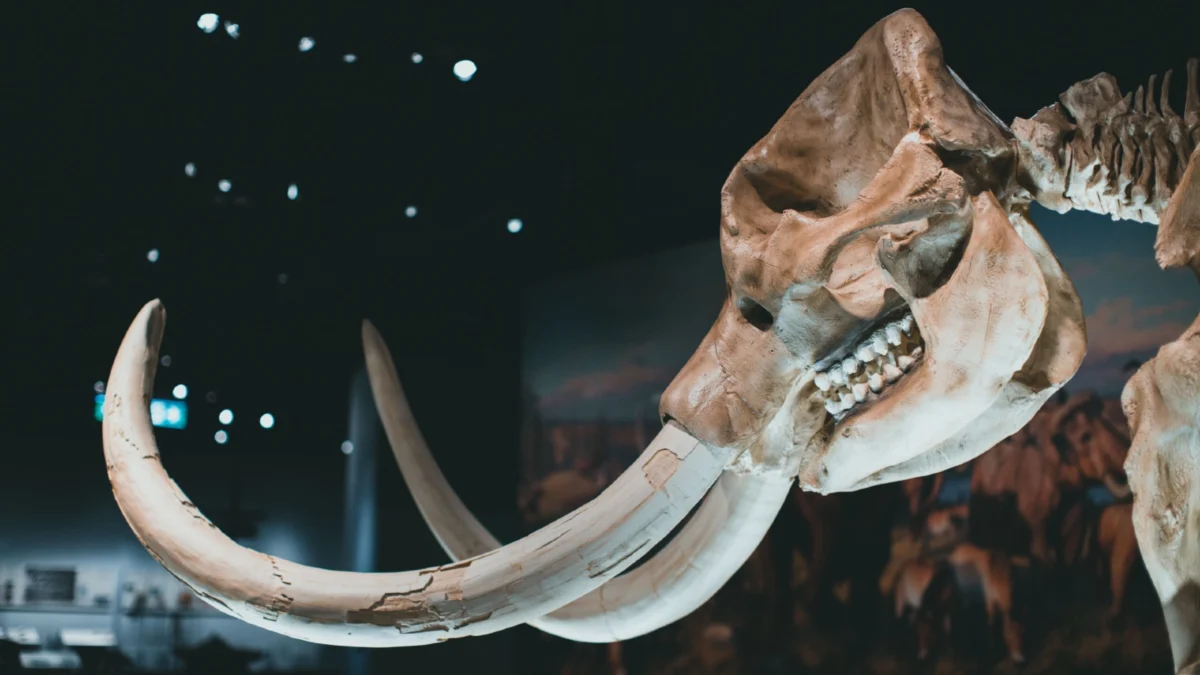
In a discovery that sounds more like the premise of a science fiction novel than a traditional archaeological survey, researchers have successfully extracted genetic data from frozen faeces left behind by arctic ground squirrels thousands of years ago. The findings, published recently in the journal Nature, offer a startlingly clear window into the Pleistocene epoch, revealing the presence of long-extinct megafauna—most notably the woolly mammoth—trapped within the permafrost of Canada’s Yukon territory.
This unconventional approach to paleogenomics is challenging the way scientists view fossil records. Rather than relying solely on rare, intact skeletons, researchers are now turning to the "biological refuse" of ancient ecosystems to reconstruct the genomes of species that vanished from the Earth long before the dawn of modern human history.
The Burrows: Nature’s Perfect Cold Storage
To understand the significance of this discovery, one must look at the behavior of the arctic ground squirrel (Urocitellus parryii). Much like their modern descendants, these industrious rodents spent the vast majority of their lives in a state of deep hibernation. For approximately eight months of the year, they remained dormant in elaborate underground burrow systems.
During the brief four-month window when they were active, these squirrels were relentless collectors. They scavenged the landscape, hauling nuts, seeds, bones, fur, and vegetation into their burrows to provide insulation and sustenance. In the harsh climate of the Yukon, these burrows were often subjected to rapid changes in the permafrost. In specific instances, the rising permafrost effectively "sealed" these burrows in a state of cryopreservation.
These underground chambers became accidental time capsules. Protected from the elements and shielded from the rapid decay that usually claims organic matter, the contents of these burrows—including the squirrels’ own excrement—remained frozen in a deep freeze that has lasted for hundreds of millennia.
A Chronology of Discovery: From 3,000 to 700,000 Years Ago
The timeline of this genetic treasure trove is vast. The researchers utilized sophisticated sequencing techniques to date the recovered materials, placing the oldest samples at approximately 700,000 years old, while the youngest date back roughly 3,000 years. This massive temporal range allows scientists to observe shifts in the Yukon’s biodiversity across several glacial and interglacial periods.
The Early Pleistocene (700,000 Years Ago)
At the dawn of the middle Pleistocene, the Yukon was a vastly different landscape, characterized by open steppes and a high concentration of megafauna. The genetic data recovered from these deeper layers confirms the presence of early ancestral species that populated the Beringian land bridge.
The Mid-Pleistocene Transition
As the samples move forward in time, the data reveals a steady flux of species. The presence of DNA from ancient horses and bison suggests a highly productive grassland ecosystem, which in turn supported large predatory populations.
The Late Pleistocene to Holocene (3,000 Years Ago)
The more recent samples indicate the gradual decline of the megafauna. As the climate warmed and the mammoth population dwindled, the genetic signatures in the squirrel middens reflect a transition toward modern flora and fauna, signaling the end of the last Ice Age.
Supporting Data: The Genetic Archive
The study’s most striking success was the reconstruction of 18 complete mitochondrial genomes. Mitochondrial DNA (mtDNA) is particularly useful for ancient samples because it exists in high copy numbers within cells, making it more resilient to the degradation that occurs over hundreds of thousands of years.
The list of species identified in the faeces is a veritable "Who’s Who" of the Ice Age:
- Woolly Mammoths (Mammuthus primigenius): The highlight of the study, with six distinct mitochondrial genomes reconstructed.
- Bison: Providing insights into the migratory patterns of ancient herd animals.
- Horses: Indicating a broader range of equids in North America than previously documented by skeletal remains alone.
- Wolves: Offering a look at the apex predators of the era.
- Cheetahs: A surprising find that underscores the unexpected diversity of the region’s prehistoric predatory guild.
- Flora: The samples also contained a wealth of plant DNA, allowing scientists to reconstruct the ancient diet of the squirrels and the local climate conditions.
Official Responses and Scientific Perspective
Dr. Tyler Murchie, the lead author of the study, acknowledges the "yuck factor" associated with the research but emphasizes the scientific necessity of such work. "While investigating squirrel excrement might sound significantly less appealing than unearthing a perfectly preserved mammoth tusk, the reality is that faeces provides a much more holistic view of the ecosystem," Murchie explained.
"When you find a tusk, you find one individual. When you analyze a midden, you find the traces of everything that individual squirrel came into contact with. It is an incredibly dense data set."
The scientific community has lauded the study for its methodological innovation. By focusing on "sedimentary ancient DNA" (sedaDNA) and biological middens, researchers are effectively expanding the search area for ancient genetic material. Previously, geneticists were limited by the need for well-preserved bones or teeth. Now, they can extract a wealth of information from soil and waste deposits, which are significantly more abundant in the archaeological record.
The Implications: Toward "De-Extinction"
Perhaps the most controversial and widely discussed implication of this study is the potential for de-extinction. The genetic data collected by Murchie and his team is being made publicly available in open-access databases. This decision has caught the attention of firms like Colossal Laboratories, a U.S.-based biotechnology company with the stated goal of using CRISPR and other genetic engineering tools to "resurrect" extinct species.
The Mammoth Question
The woolly mammoth is the primary candidate for de-extinction projects. By reconstructing the mitochondrial genomes, researchers provide the "blueprints" necessary for bioengineers to understand the basic genetic structure of these animals. While reconstructing a mitochondrial genome is a far cry from creating a living, breathing animal—which would require the complete nuclear genome and a host species—it is a critical, foundational step.
Ethical and Ecological Concerns
The prospect of bringing back a mammoth has sparked a fierce debate among conservationists, ethicists, and biologists. Critics argue that even if it were possible to recreate a mammoth, the ecosystems they once inhabited have changed irrevocably. Introducing a genetically engineered species into the modern arctic could cause unforeseen disruptions to existing flora and fauna.
Conversely, proponents suggest that such efforts could help restore the "mammoth steppe" ecosystem, which many argue could play a role in carbon sequestration and mitigating the effects of permafrost thaw. As the data becomes available, the debate will likely intensify, moving from the realm of speculative science to practical engineering.
Future Research: Expanding the Scope
The success of this study suggests that the Yukon’s permafrost is likely hiding countless other genetic archives. Researchers are now looking at other areas where permafrost is thawing, hoping to find similar middens that could reveal the presence of other extinct species, such as the giant beaver or the American lion.
Furthermore, the techniques developed for this project are being applied to archaeological sites around the world. From the cave systems of Europe to the high-altitude dwellings in the Andes, the study of ancient waste and sediment is becoming a standard tool in the archaeologist’s kit.
Conclusion
The story of the arctic ground squirrel and the frozen mammoth DNA is a testament to the ingenuity of modern science. It reminds us that history is not just written in the stars or carved into stone monuments; it is buried beneath our feet, often in the most unassuming of places.
As we continue to decode the genetic library trapped within the permafrost, we are not just learning about how these animals lived and died; we are uncovering the complex, interconnected history of our planet. Whether or not we ever see a living woolly mammoth walk the Earth again, the legacy of these ancient squirrels has provided us with a bridge to the past—a bridge that is helping us better understand the precarious future of our own environment.
For those interested in further explorations into the mysteries of the past, the findings from this study mark a new chapter in paleobiology, where the smallest biological traces can hold the biggest secrets of the prehistoric world. As the permafrost continues to thaw, one can only imagine what other revelations are waiting to be uncovered in the deep, silent cold of the North.


 Dwi Wanna
 Rifan Muazin