Laily UPN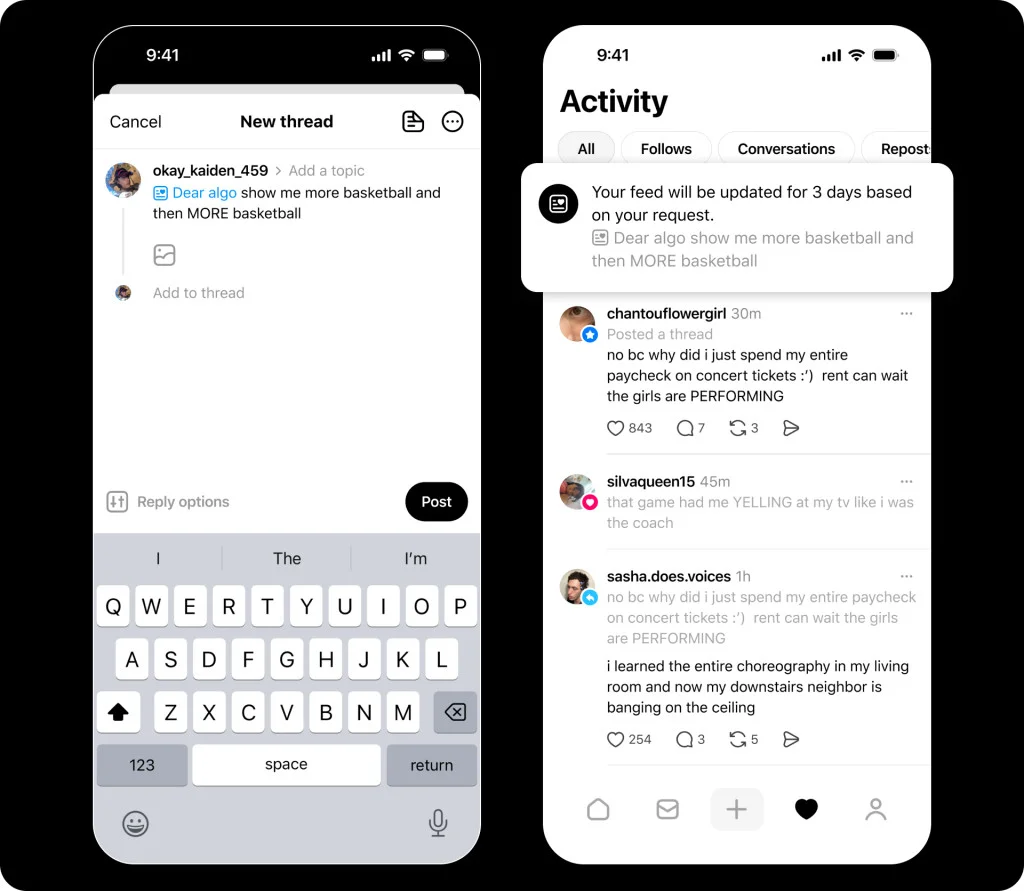
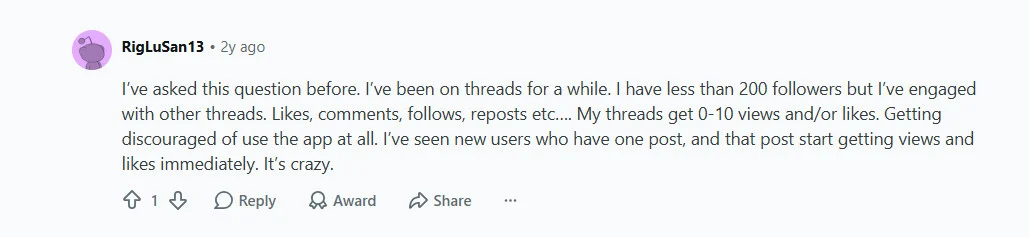
Everything you thought you knew about social media algorithms is currently working against you on Threads. You have spent years mastering the art of the viral post on X, the polished aesthetic of Instagram, and the professional authority of LinkedIn. You apply those same tactics to Threads: you post consistently, you cross-post to maximize efficiency, and you engage with comments. Yet, the results are bafflingly inconsistent. One post hits 1,200 views, and the next—on the same topic, with the same level of effort—flatlines at 11.
You check the timing, obsess over caption length, and experiment with different posting hours. Nothing connects. The reason for this frustration is simple yet radical: The Threads algorithm rewards a specific set of behaviors that every other platform has trained you to avoid.
As of early 2026, Threads has matured into a powerhouse with 450 million monthly active users, officially outpacing X with 141.5 million daily active users compared to X’s 125 million. With this scale comes a highly sophisticated, AI-driven ranking system that is actively filtering out "broadcast" content in favor of genuine, high-velocity conversation.

How the Threads Algorithm Actually Works: The Mechanics of Visibility
To succeed on Threads, you must first unlearn the "broadcast" mindset. The Threads For You feed is powered by an AI-driven ranking system that operates in a three-step cycle:
- The Sampling Phase: Upon posting, the algorithm pushes your content to a small, controlled sample of users who have historically shown interest in your topic.
- The Quality Test: The algorithm monitors how this initial group interacts with your post within a critical 30-to-60-minute window.
- The Distribution Verdict: Based on that initial engagement velocity, the system decides whether to "pour gasoline" on the post or allow it to fade into obscurity.
Unlike other platforms that might re-surface older content, the Threads algorithm is binary. If you fail the 60-minute quality test, the post is effectively dead. The algorithm does not look back.
The "Dear Algo" Revolution
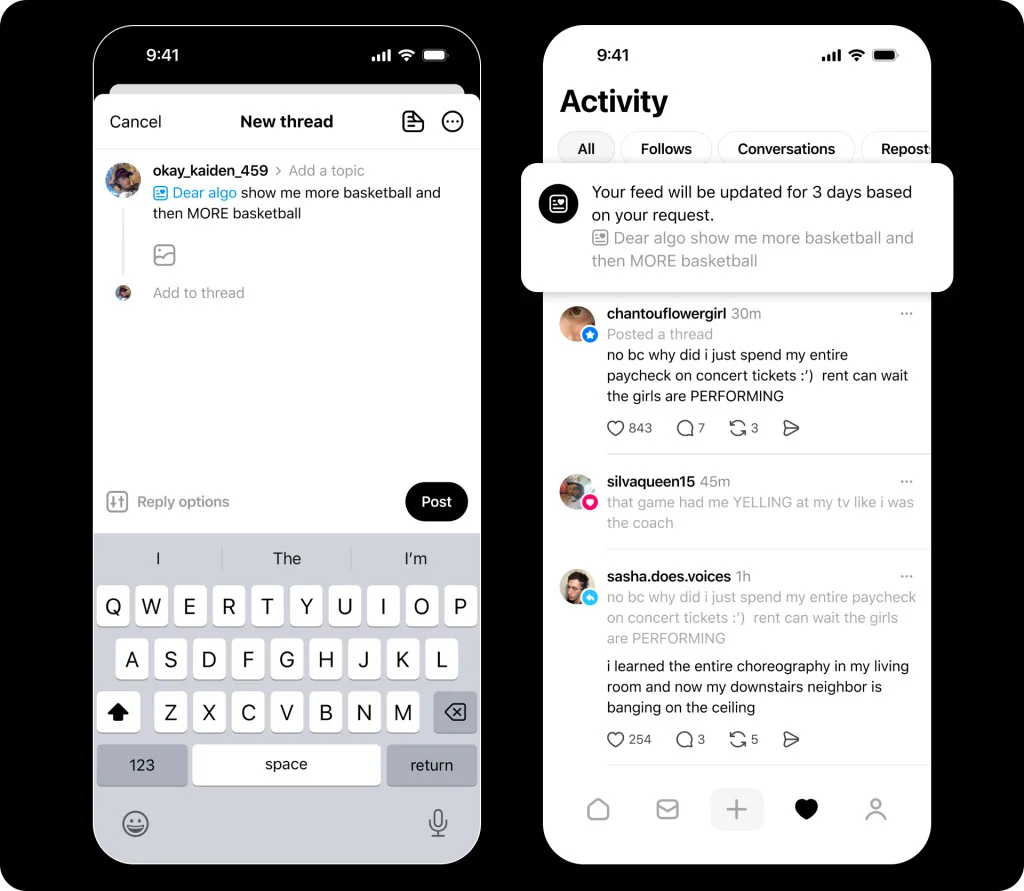
In February 2026, Meta introduced "Dear Algo," a feature that allows users to manually redirect their For You feed by posting requests like, "Dear Algo, show me more about [topic]." While most interpret this as a consumer tool, savvy brands are using it as a direct content brief. By monitoring these public requests, brands can create reactive content that the algorithm is already primed to prioritize.
The 9 Signals the Threads Algorithm Rewards
If you want to move from single-digit reach to consistent distribution, you must optimize for these nine specific signals.
1. Engagement Velocity
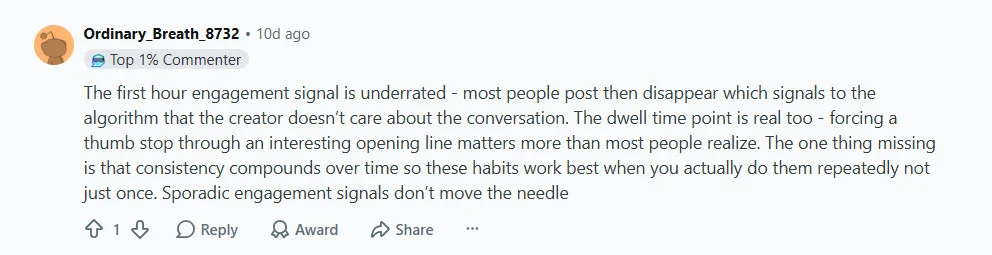
This is the speed at which you earn interactions within the first hour of posting. It is the single most important metric on the platform. If your team schedules a post and walks away, you are intentionally killing your reach. You must be present to spark, reply, and keep the momentum alive in that first hour.
2. Reply Depth
Threads does not value simple "likes" or one-word reactions. It prioritizes the "depth" of the conversation. If a post initiates a back-and-forth dialogue where multiple users contribute, the algorithm identifies that content as high-value. To win here, stop posting "tip lists" and start posting "opinion-driven questions" that force a response.
3. Profile Taps
A profile tap is a high-intent signal. It tells the algorithm that your voice was so compelling that the user wanted to know who you were. To drive this, your bio and your posts must have a distinct, human voice—not a corporate manifesto.
4. Follow-Through Rate
This is the percentage of viewers who convert into followers after seeing your post. Niche consistency is the engine for this metric. When you cover a specific topic repeatedly, the algorithm learns exactly who your "ideal" audience is, leading to higher follow-through rates.
5. Time Spent and "Tap-to-Expand"
Threads truncates posts at 280 characters. The algorithm explicitly tracks how many users tap "more" to read the full text. If your hook doesn’t compel a tap, you are losing. Use provocative first lines that create an "information gap" which only the rest of the post can fill.
6. Originality vs. Cross-Posting
The algorithm uses pattern recognition to detect "recycled" content. If your post looks, feels, and reads like an Instagram caption or an X thread, it will be suppressed. Native, conversational, and raw content will always outperform polished, cross-posted assets.
7. Topic Tag Relevance
Threads is moving toward a more precise topic-tagging system. Using one highly relevant tag (e.g., #MarketingStrategy) is far more effective than cluttering your post with five broad, generic tags. A single, focused tag tells the AI exactly where to route your content.
8. Niche Consistency
Accounts that oscillate between too many topics confuse the AI. Over a 30-day window, the algorithm builds a "model" of your account. If you remain within a consistent niche, the algorithm will begin to treat your account as an authority, increasing the likelihood of your content appearing in the feeds of non-followers.
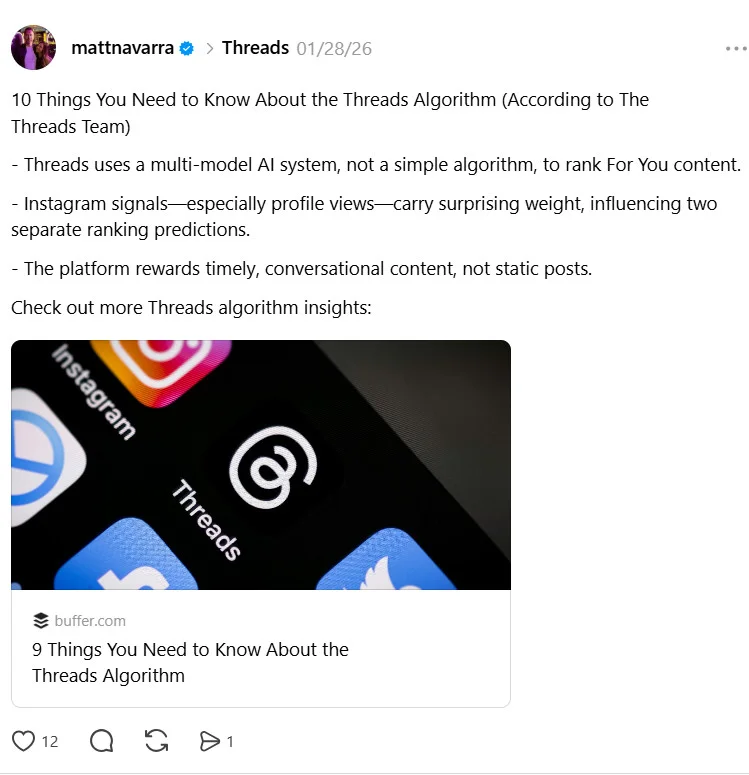
9. Instagram Cross-Platform Signals
Because Threads is built on the Meta ecosystem, your Instagram footprint matters. If a user follows you on Instagram or engages with your Reels, they are significantly more likely to see your Threads content. Use your Instagram Stories to drive traffic to your Threads, creating a "warm audience" bridge that gives your Threads posts an unfair advantage.
Why Brand Accounts Structurally Underperform
The data is clear: three-quarters of Threads users follow at least one brand, yet most brands see dismal engagement. This is not because the algorithm hates brands; it is because the algorithm hates boring, broadcast-style content.
The Human vs. Brand Voice
Most brands fall into the trap of using Threads as a press release distribution channel. They post: "Here are 5 tips for better productivity."
The winning approach is: "Everyone says you need to be more productive, but I’ve tried these 5 methods and 3 of them are total scams. Here is why."
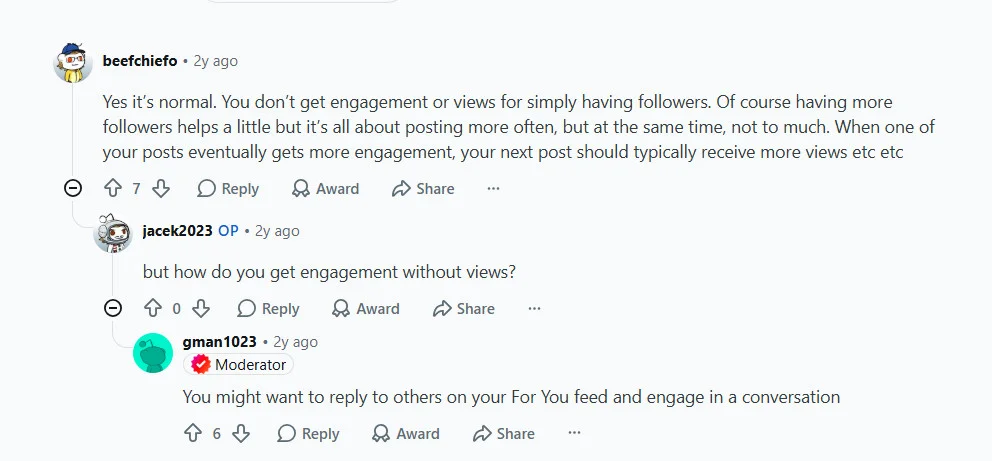
The latter creates a point of view that invites disagreement, debate, and—most importantly—replies.
Solving the "Approval Workflow" Problem
Agencies often fail on Threads because their internal approval processes are too slow to accommodate the "60-minute window" requirement. If a post takes three days to get through legal and compliance, the opportunity for organic conversation is gone.
The Solution:
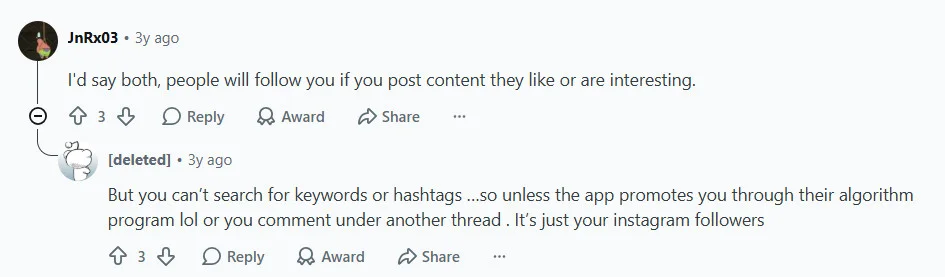
- Create "Guardrails" rather than "Scripts": Give your social media managers the freedom to engage within a set brand voice, rather than requiring approval for every single reply.
- The "Live-Ready" Calendar: Approve topics and stances, not exact phrasing. This allows your team to remain nimble and responsive to real-time conversations.
The Future of Threads: Implications for Strategy
Threads is not a place for static content; it is a place for continuous conversation. As the platform matures, the gap between brands that treat it like a traditional megaphone and those that treat it like a community forum will continue to widen.
The algorithm does not pick favorites; it picks conversations. If your brand can shift its focus from "content production" to "conversation cultivation," you will find that the Threads algorithm is not your enemy—it is the most effective distribution tool you have ever had.
In this new era, your strategy should be simple: Show up, take a definitive stance, and talk back. Everything else is just noise.



 Ammar Sabilarrohman