Iffa Jayyana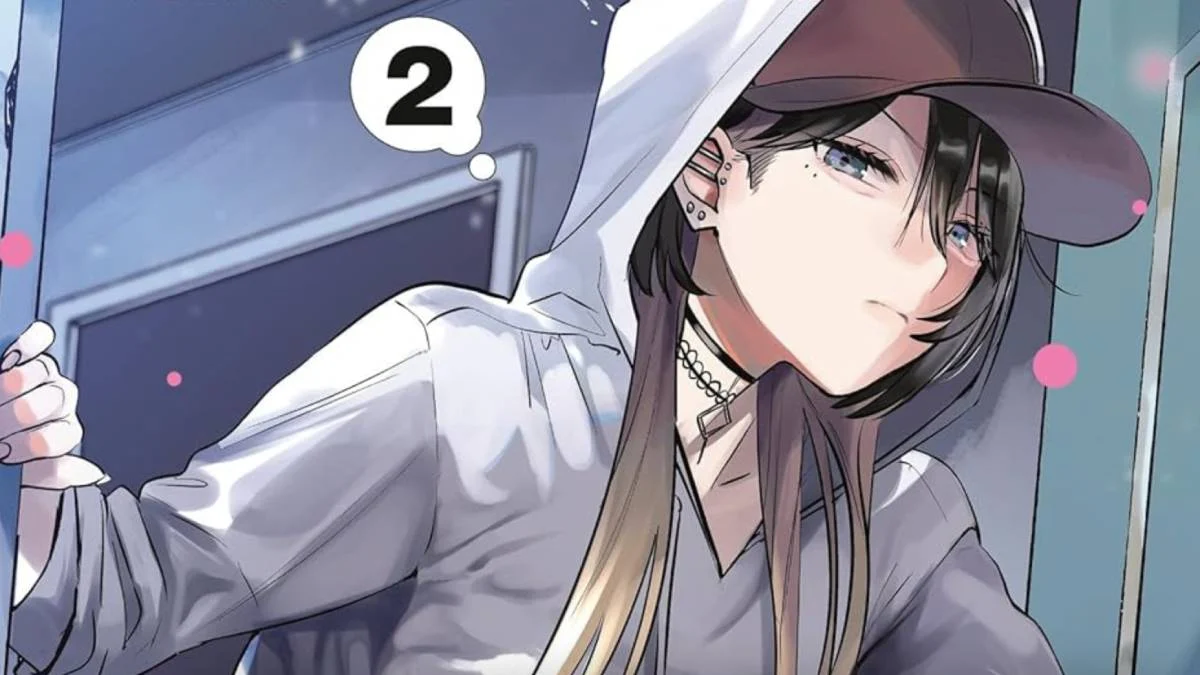
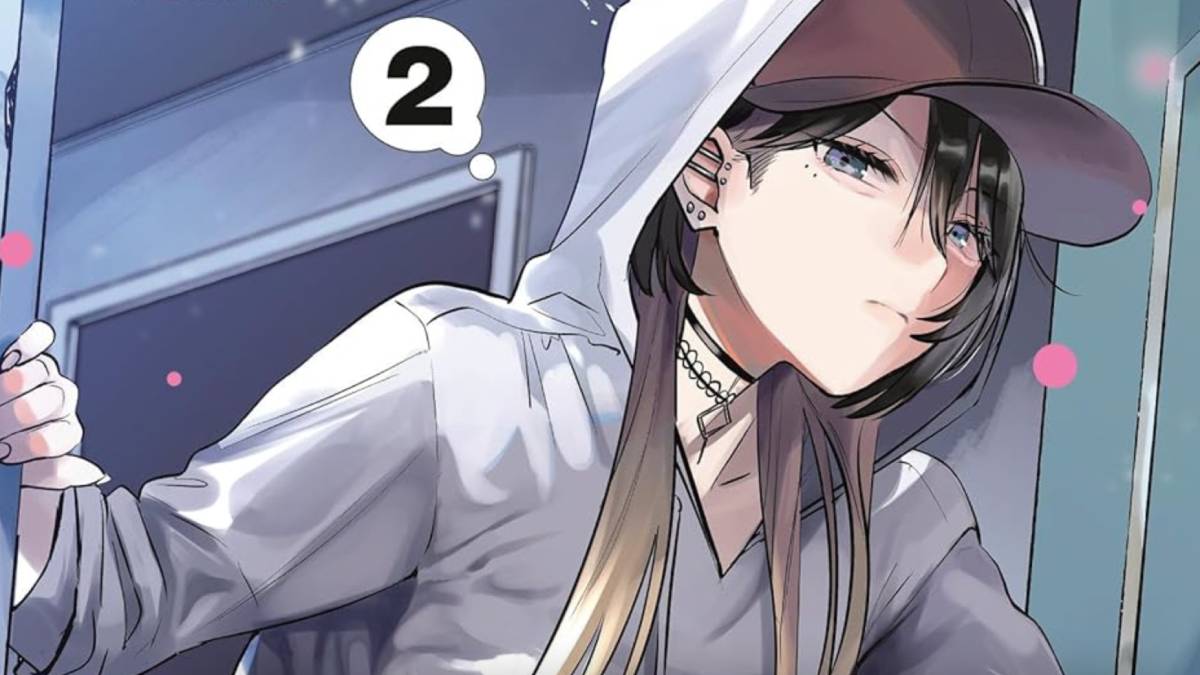
In the landscape of modern manga, the "slice-of-life" genre often leans heavily on tropes of misunderstanding and unspoken tension to drive conflict. However, the second volume of Square Enix’s My Favorite Vtuber is Scary IRL chooses a more courageous path: the radical act of honest communication. While the series initially garnered attention for its unique premise—blending the parasocial dynamics of the VTuber industry with the gritty, awkward reality of everyday life—the second volume elevates the narrative by shifting its focus from mere fanservice to the profound, often messy work of building genuine human relationships.
The Core Narrative: Moving Beyond the Screen
At its heart, My Favorite Vtuber is Scary IRL follows the blossoming, complex relationship between a delivery driver and the woman behind a popular VTuber persona, Fuwari. The series does not shy away from the darker realities of its characters, including significant trauma and deep-seated anxiety.
Volume 2 serves as a pivotal expansion of these themes. While the first volume established the stakes of the characters’ digital-to-physical transition, the second volume acts as a masterclass in emotional maturity. The central thesis of this installment is straightforward yet difficult to execute: "talk it out." In an era where many narratives rely on the frustration of characters hiding their true feelings, this manga offers a refreshing, albeit sometimes awkward, commitment to vulnerability.
Chronology of Connection: A Breakdown of Key Dynamics
To understand the progression of the series, one must look at how the characters evolve through their interactions in the latest volume.
The Catalyst: Breaking Down Barriers
The volume opens with a situation that could easily have devolved into a typical romantic comedy misunderstanding. The protagonist, a delivery courier for the service "Eatza," finds himself in a tense standoff involving Fuwari and a fellow delivery worker, Akari.
Initially, Akari’s hostility creates a wall between the trio. However, the narrative pivots when the shared interest of Fuwari as an idol creates a bridge. This moment of mutual vulnerability allows Akari to shed her defensive exterior and admit to her own insecurities as an "otaku." This shift is significant; it suggests that the characters’ shared passions are the key to unlocking their true selves. Simultaneously, we see Fuwari—who is defined by her extreme shyness and social anxiety—begin to assert her importance to the delivery man. It is a messy, unpolished, and entirely human display of affection.
Addressing the Elephant in the Room
Following the dramatic conclusion of the first volume, the relationship between the lead characters reached a point of fragile tension. Both parties spent the interim fearing the other might be disappointed or angry. Instead of letting these misconceptions fester into a multi-chapter arc of silent brooding, the author forces the characters to confront their fears. By having them "talk it out," the story validates the idea that communication is not just about being polite—it is about being brave enough to articulate fears that make one feel exposed.
The Challenge of External Environments
One of the most poignant sequences in the second volume involves the delivery man encouraging Fuwari to step outside her comfort zone. By taking her to one of his favorite urban locations, he forces her to confront the sensory overload and social anxiety that define her trauma. The emotional weight of this scene is anchored by his explanation of why he chose that specific spot. By sharing his own reasoning, he provides her with the psychological safety net necessary to face the world. It is a testament to how support systems work: not by removing the obstacle, but by providing the strength to stand alongside someone while they face it.
Supporting Data: Why This Approach Resonates
The critical success of My Favorite Vtuber is Scary IRL can be attributed to its grounded approach to mental health. The manga does not treat Fuwari’s anxiety as a quirk to be cured by the presence of a romantic interest. Instead, it frames it as a persistent reality that requires consistent, open dialogue to manage.
According to psychological frameworks regarding social anxiety, the "avoidance-coping" mechanism—where individuals hide their feelings to prevent conflict—is a primary cause of social isolation. By forcing its characters to break this cycle, the manga provides a blueprint for healthy communication. The "awkwardness" of their dialogue is a stylistic choice that mirrors the reality of real-world communication: it is rarely eloquent, but it is necessary.
Official Stance and Publisher Context
Square Enix, the publisher behind the series, has maintained a consistent promotional strategy that highlights the "slice-of-life" and "human" elements of the story. While the series is categorized under the umbrella of "fan-favorite" manga, the editorial direction clearly emphasizes the growth of the characters.
Currently, Square Enix has made the first two volumes available in both digital and physical formats across North America and Europe. While fans are eager for news regarding the third volume, the publisher has yet to provide an official release date. This silence has only fueled online discourse, as readers remain invested in the cliffhanger that concludes the second volume. The cliffhanger is notable because, like the rest of the volume, it is driven by a character choosing to take a massive risk by speaking their truth, regardless of the potential fallout.
Implications for the Genre
The success of My Favorite Vtuber is Scary IRL has wider implications for the future of the genre.
- The Evolution of the "Idol" Trope: Traditionally, stories involving idols or VTubers focus on the "purity" of the persona or the tragedy of their public life. This series instead focuses on the transition from the digital idol to the human individual.
- Prioritizing Communication over Conflict: The series stands out as an outlier in a market saturated with "will-they-won’t-they" dramas that thrive on miscommunication. By demonstrating that healthy communication creates more interesting stories rather than fewer, the manga challenges authors to write more mature character interactions.
- Addressing Trauma with Care: The narrative treats Fuwari’s past with the gravity it deserves. It avoids "romanticizing" her anxiety, instead showing the daily labor required to maintain a functioning life in the face of deep-seated trauma.
Conclusion: A New Standard for Character-Driven Manga
My Favorite Vtuber is Scary IRL Volume 2 succeeds where many others fail because it refuses to take the easy way out. It recognizes that the most difficult thing a person can do is tell the truth when they are terrified of the outcome.
As the series continues to develop, it serves as a reminder that the most compelling stories are not always those with the most explosive action or the most dramatic twists, but those that depict the quiet, persistent effort of two people trying to understand each other. By moving the focus away from the screen and into the hearts of its characters, the series has cemented itself as a vital read for anyone interested in the complexities of human connection.
Whether you are drawn in by the unique VTuber premise or the promise of a heartfelt character study, the second volume is an essential addition to the series, promising that as long as these characters continue to talk, they will continue to grow.

 Asro
Asro
 Muslim