Nila Kartika Wati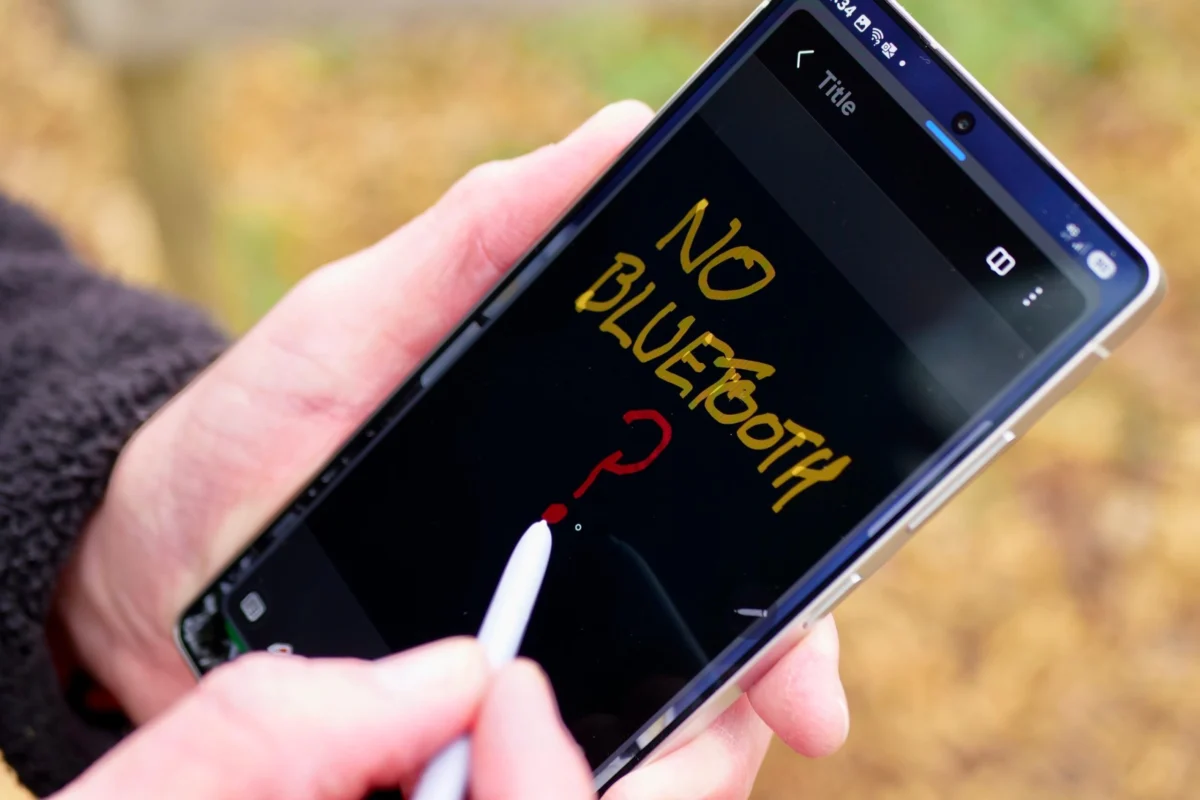
For years, Samsung’s Ultra series has stood as the pinnacle of Android hardware, boasting industry-leading displays, versatile camera arrays, and the iconic S Pen. However, one glaring omission has persisted despite the rapid evolution of the mobile accessory market: the lack of native, integrated magnetic wireless charging. While Apple users have enjoyed the convenience of the MagSafe ecosystem since 2020, Galaxy users have been relegated to third-party cases or adhesive rings to achieve the same functionality.
New reports suggest that this disparity may finally come to an end with the upcoming Galaxy S27 Ultra. According to fresh leaks, Samsung is contemplating a radical departure from its current camera aesthetic, moving toward a horizontal, strip-style design reminiscent of the 2019 Galaxy S10 series. Beyond the visual shift, analysts suggest this internal layout adjustment may be the key to unlocking true Qi2 magnetic compatibility.
The Core Conflict: Why Samsung Has Lagged Behind
The Qi2 standard, introduced by the Wireless Power Consortium (WPC), was designed to bring the magnetic convenience of MagSafe to the wider smartphone industry. Samsung has technically adopted Qi2 support, but there is a distinct difference between supporting the protocol and integrating the magnetic hardware.

Currently, the Galaxy S26 Ultra and its predecessors utilize a complex internal arrangement of camera sensors, cooling solutions, and the critical S Pen digitizer. Integrating a circular array of high-strength magnets directly into the back panel—a requirement for the "snap-on" experience of chargers, wallets, and battery packs—has proven to be a significant engineering hurdle. The current camera housing, which typically occupies the upper-left quadrant of the rear chassis, leaves little room for the magnetic ring to sit flush without interfering with other delicate components.
A Chronology of the Design Evolution
To understand the significance of this potential change, we must look at how Samsung has navigated internal space management over the last decade.
- 2019 (The S10 Era): Samsung pioneered the horizontal camera strip. It was a functional design that effectively eliminated the "camera wobble" seen in modern devices when placed on a flat desk.
- 2021–2024 (The Floating Lens Era): Samsung pivoted to the "floating lens" design, where each camera sensor is housed in its own individual protrusion. While aesthetically minimalist, this design created significant depth-related issues and required a bulky, unbalanced chassis.
- 2025–2026 (The Refinement Phase): As Samsung pushed for thinner profiles and larger batteries, the internal space became even more constrained, further complicating the addition of a magnetic ring for Qi2 charging.
- 2027 (The Projected Shift): If current rumors are to be believed, the S27 Ultra will return to a horizontal bar. This design choice, while seemingly nostalgic, is fundamentally a pragmatic move to reclaim internal real estate.
The S Pen Dilemma: Interference and Engineering
The greatest challenge in implementing built-in magnets into the S27 Ultra is not just the physical space—it is the S Pen. Samsung’s stylus relies on Electromagnetic Resonance (EMR) technology, which uses a specialized digitizer layer embedded beneath the display to track the pen’s position and pressure.

Magnetic fields are notoriously disruptive to EMR technology. Even a slight magnetic interference can lead to "dead zones" on the screen, shaky pen strokes, or inaccurate pressure sensitivity. This is precisely why current magnetic cases for the Galaxy S24 and S25 Ultra come with specific disclaimers warning users about potential stylus malfunctions.
To make Qi2 a native, built-in feature, Samsung engineers must either:
- Shield the EMR layer: Implement advanced shielding materials that isolate the digitizer from the magnetic pull of the charger.
- Reposition Components: Shift the internal motherboard or battery layout to ensure the magnetic field does not intersect with the S Pen’s operational path.
- Redesign the Stylus: Develop a new iteration of the S Pen that is less susceptible to external magnetic interference, though rumors suggest the S27 Ultra will stick with the current EMR implementation.
Implications for the Ecosystem
Should Samsung succeed in integrating Qi2 magnets into the S27 Ultra, the implications for the Android accessory market would be profound.

The Rise of a Unified Accessory Standard
Currently, the market for magnetic Android accessories is fragmented. Because Samsung has not committed to a built-in magnet, accessory makers must cater to a "case-dependent" market. Native integration would provide the confidence needed for high-end manufacturers to invest in premium magnetic car mounts, photography rigs, and modular battery packs specifically designed for the Samsung flagship.
Impact on User Experience
The transition from a "lay-flat" charger to a "snap-on" charger is more than a convenience; it is a fundamental shift in how people interact with their devices. A magnetic connection ensures perfect alignment, maximizing charging efficiency and reducing the heat generated by misalignment. For a device as large as the Ultra, the ability to snap on a battery pack while on the go—without the bulk of a dedicated magnetic case—would be a major selling point for power users.
The Competitive Landscape
Apple has held a significant advantage in the "ecosystem stickiness" department, largely due to MagSafe. By adopting a standard that matches this experience, Samsung would effectively nullify one of the primary reasons users cite for remaining within the Apple ecosystem. It signals a move toward user-centric design that prioritizes utility over the pursuit of thinness or aesthetic gimmicks.

Expert Analysis and Official Stances
While Samsung has remained characteristically silent regarding specific design leaks for the 2027 cycle, company officials have previously hinted at a "re-evaluation of user convenience" regarding wireless power.
Industry analysts remain cautiously optimistic. "The horizontal camera bar is not just a stylistic choice; it is a structural necessity for the next generation of mobile internal components," notes hardware analyst Marcus Thorne. "If Samsung is indeed prioritizing the magnetic charging ecosystem, they are signaling that they finally understand that hardware specs are no longer enough to win the market—integration and ecosystem convenience are the new battlegrounds."
However, not everyone is convinced. Some skeptics point out that the S Pen is the "soul" of the Ultra. If the integration of magnets causes even a 1% degradation in S Pen precision, the backlash from the core user base could be severe. Samsung’s primary hurdle, therefore, is not just electrical or spatial, but one of brand integrity.

Looking Ahead: The Future of the S27 Series
As we approach the expected launch cycle for the Galaxy S27 Ultra, all eyes will be on the chassis design. The rumored horizontal bar offers a path toward a cleaner, more stable, and more functional device. If the engineers in Suwon have managed to balance the requirements of a high-fidelity EMR stylus with the robust pull of Qi2 magnets, the S27 Ultra may be remembered as the device that finally bridged the gap between Android’s versatility and the seamless convenience of magnetic accessories.
For now, the project remains in the realm of high-level leaks and iterative testing. But as the mobile industry continues to mature, the necessity of a standardized, magnetic-compatible platform is becoming impossible to ignore. Samsung is well-positioned to lead this shift, provided they can solve the electromagnetic puzzle that has hindered them for years. Whether the horizontal camera bar is the final piece of that puzzle remains to be seen, but it represents the most promising lead yet in the company’s quest for the perfect flagship.


 Asro
Asro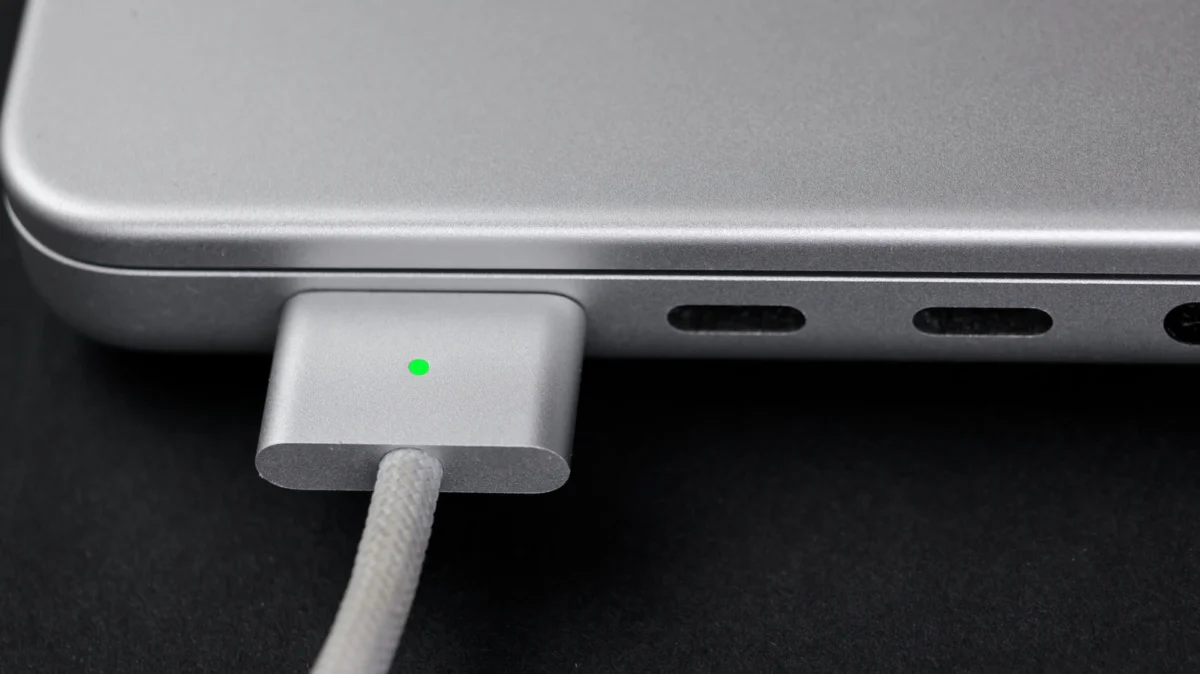
 Rifan Muazin