Nana Wu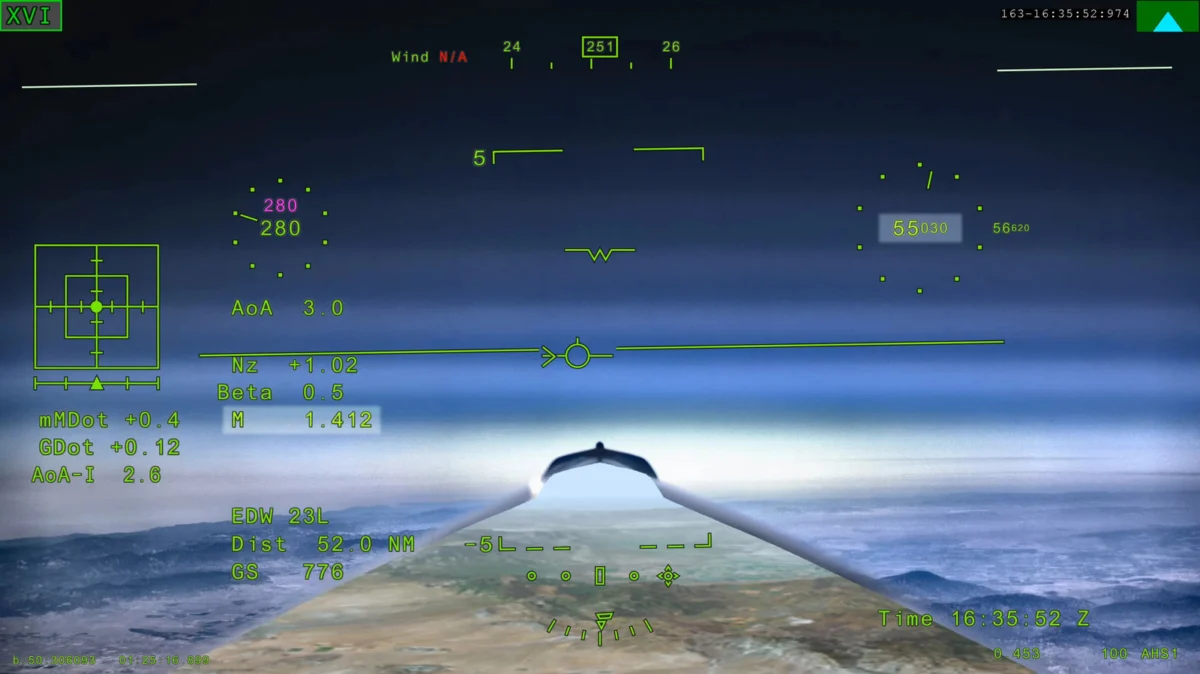
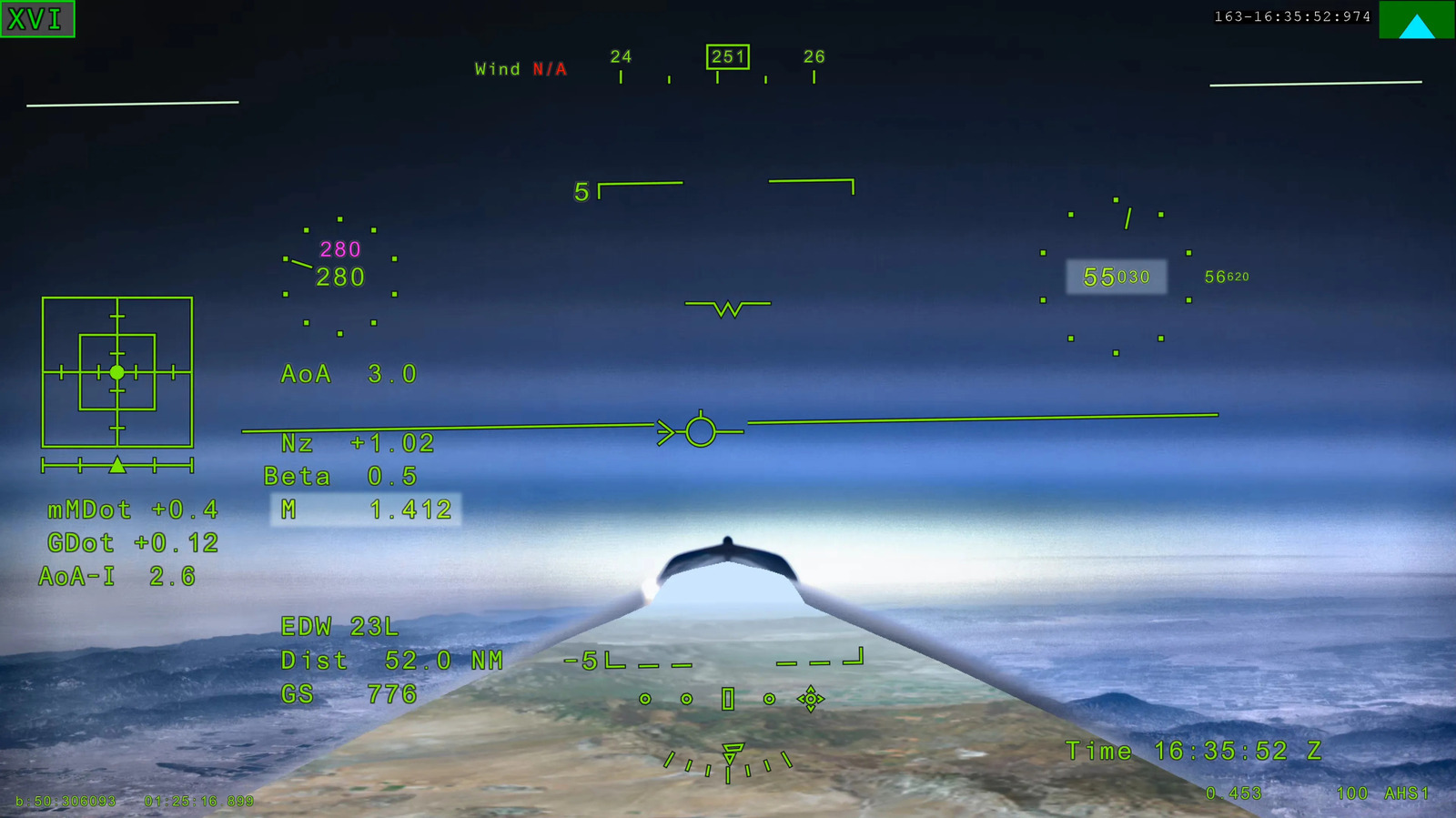
The era of the "sonic boom" may be drawing to a close. NASA’s experimental X-59 aircraft, the centerpiece of the agency’s ambitious Quesst (Quiet SuperSonic Technology) mission, has officially demonstrated the speed and altitude capabilities required to usher in a new age of commercial supersonic travel. By successfully hitting Mach 1.4—approximately 924 mph—at an altitude of 55,000 feet, the X-59 has cleared a major hurdle in its journey toward flying over populated US communities.
This achievement is more than just a speed record; it represents the culmination of decades of aeronautical research aimed at overcoming the primary barrier to supersonic flight over land: the thunderous noise pollution that led to the prohibition of civilian supersonic travel over the United States in 1973.
Main Facts: Redefining the Sound Barrier
The X-59 is not designed to be the fastest plane in the sky, but it is engineered to be the most "polite." Traditional supersonic aircraft create shockwaves that coalesce into a jarring double-bang—the infamous sonic boom—which can cause structural damage and significant public annoyance.
The X-59, with its distinctively elongated 100-foot-long fuselage and canard-wing configuration, is specifically shaped to prevent these shockwaves from merging. Instead, the pressure waves dissipate before they reach the ground, resulting in what NASA engineers describe as a "quiet sonic thump"—a sound comparable to a distant car door closing rather than an explosion.
The Recent Flight Log
- June 5, 2026: The aircraft achieved its first supersonic milestone, reaching Mach 1.1.
- June 12, 2026: The program reached a critical peak, hitting Mach 1.4 at 55,000 feet.
- The Methodology: To ensure safety and regulatory compliance during the testing phase, the X-59 is currently flying in tandem with a secondary research craft that generates a standard sonic boom. This "noise mask" ensures that while the X-59 is still in its calibration stage, any potential sound emissions are obscured by the louder, traditional boom of its companion.
Chronology: A Multi-Year Journey to the Skies
The path to the X-59’s current success was paved by years of conceptual design and wind tunnel testing. The timeline of this project underscores the complexity of modern aeronautics:
- The Conceptual Phase (2016–2018): NASA awarded the contract to Lockheed Martin’s Skunk Works division to design, build, and deliver the X-59. The design focus was strictly on "low-boom" signature management.
- Assembly (2019–2023): Construction took place in Palmdale, California. The design required radical departures from standard fighter jet aesthetics, including an "eXternal Vision System" (XVS)—a high-definition camera array that replaces the traditional front-facing cockpit window, as the nose of the plane is too long to allow for a forward-facing pilot view.
- Rollout and Ground Testing (Early 2024–2025): The aircraft underwent rigorous structural and engine testing. Systems were integrated and verified, ensuring the propulsion and flight control systems could handle the stresses of supersonic flight.
- Initial Flight Testing (2026): With the aircraft fully certified for flight, the team began the "first flight" sequence, culminating in the supersonic milestones achieved this month.
Supporting Data: Why Mach 1.4 Matters
The choice of Mach 1.4 is not arbitrary. It represents the "cruising" speed NASA intends to utilize during the upcoming community overflight phase. By validating that the aircraft can maintain this speed and altitude, the team has proven that the X-59’s aerodynamic shaping functions as predicted by computer modeling.
Acoustic Validation
The next phase of the program is the most critical: acoustic validation. Before the X-59 is permitted to fly over civilian populations, it must undergo a series of "quiet signature" measurements. NASA will deploy an array of ground-based microphones to capture the sonic footprint of the aircraft.
These data points will be compared against the predicted acoustic profile. If the "thump" measures within the target decibel range, the aircraft will be cleared for the public feedback portion of the mission.
Official Responses and Strategic Vision
NASA officials have characterized these recent flights as the most significant development in supersonic research since the retirement of the Concorde.
"We are moving from theory to reality," a NASA spokesperson noted in a recent mission briefing. "The data we are collecting right now is the foundation for a potential change in aviation law. By demonstrating that we can mitigate the boom, we are providing the FAA and international regulators with the objective, empirical data required to consider lifting the ban on supersonic flight over land."
The Quesst mission is supported by a massive cross-agency effort, involving experts from the Department of Defense, the Federal Aviation Administration (FAA), and private sector aerospace engineers. The collaboration aims to standardize the metrics by which "noise" is measured in the aviation industry, moving beyond simple decibels to include frequency, duration, and human-perception factors.
Implications: The Future of Global Connectivity
The successful testing of the X-59 carries profound implications for the future of global travel. If the Quesst mission proves that supersonic flight can be quiet, the economic and logistical landscape of commercial aviation could be transformed.
1. The Revival of Supersonic Travel
The primary reason commercial supersonic travel died out was the inability to fly over land. Airlines could only operate routes over the ocean, which limited their profitability. If the X-59’s technology is successfully integrated into future aircraft, a "quiet" supersonic jet could fly from New York to Los Angeles in just over three hours, effectively turning long-haul transcontinental flights into short, comfortable commutes.
2. Regulatory Shifts
The FAA currently maintains strict rules regarding supersonic noise. The X-59 serves as a flying testbed for a new "noise-based" standard. Instead of a blanket ban based on speed, future regulations could be based on the sound signature of the aircraft, opening the door for a new generation of commercial jets designed by companies like Boom Supersonic and others.
3. Public Perception and Societal Impact
The most unique aspect of the X-59 program is the emphasis on public feedback. NASA does not intend to decide for the public what is "quiet enough." By flying over populated areas and gathering surveys from citizens on the ground, the agency is ensuring that the transition to supersonic flight is done with societal consensus. This democratic approach to aeronautical development is unprecedented and may set a precedent for how future noise-heavy technologies—such as Urban Air Mobility (UAM) and VTOL drones—are introduced into residential spaces.
4. Technological Spin-offs
The technology required to make the X-59 quiet has already led to breakthroughs in materials science, computational fluid dynamics, and automated flight control systems. The XVS (eXternal Vision System) alone, which allows a pilot to "see through" a 100-foot-long nose, could have significant applications in military, cargo, and space-launch vehicle design.
Conclusion: A New Horizon
As the X-59 continues its testing regimen throughout the remainder of 2026, the global aerospace community will be watching closely. The "quiet sonic thump" represents more than just a reduction in noise; it represents the removal of the final barrier preventing humanity from reclaiming the speed of the supersonic era.
With the milestone of Mach 1.4 now firmly in the rearview mirror, NASA is moving closer to the final phase of the Quesst mission. If successful, the X-59 will be remembered as the aircraft that proved speed doesn’t have to be loud, fundamentally altering the map of the world and the way we move across it. The sound of the future is not a boom—it is a quiet, rhythmic thump, signaling the dawn of a new, faster, and more connected world.


 Rifan Muazin
 Asro
Asro