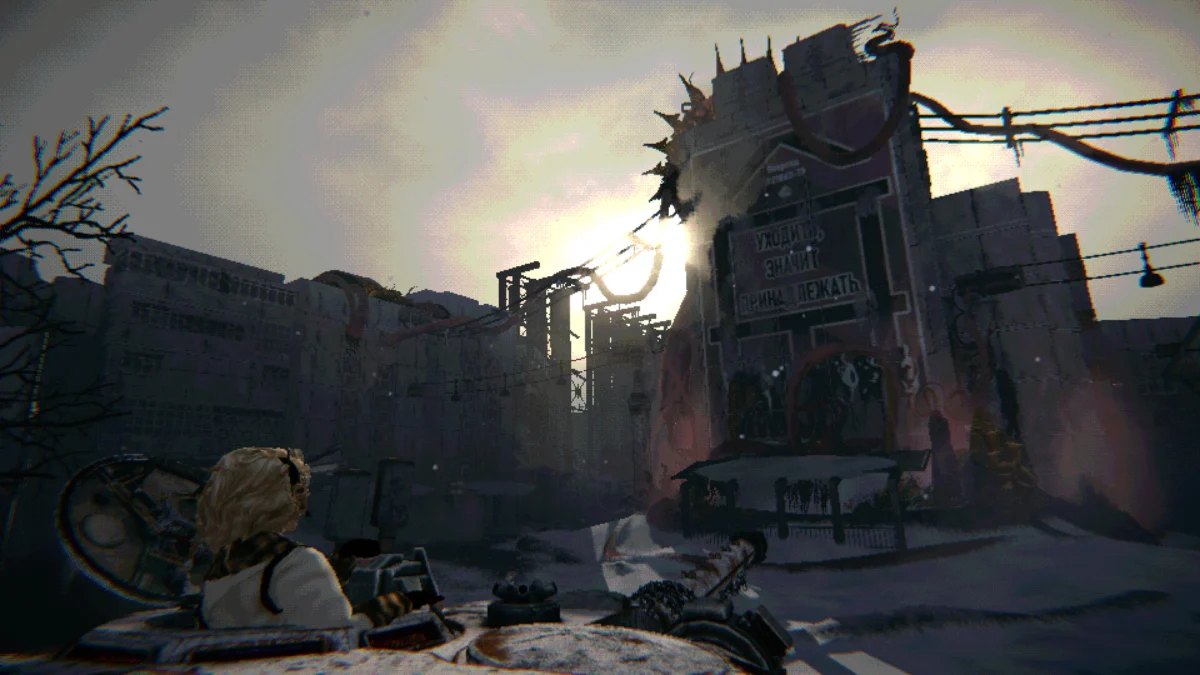
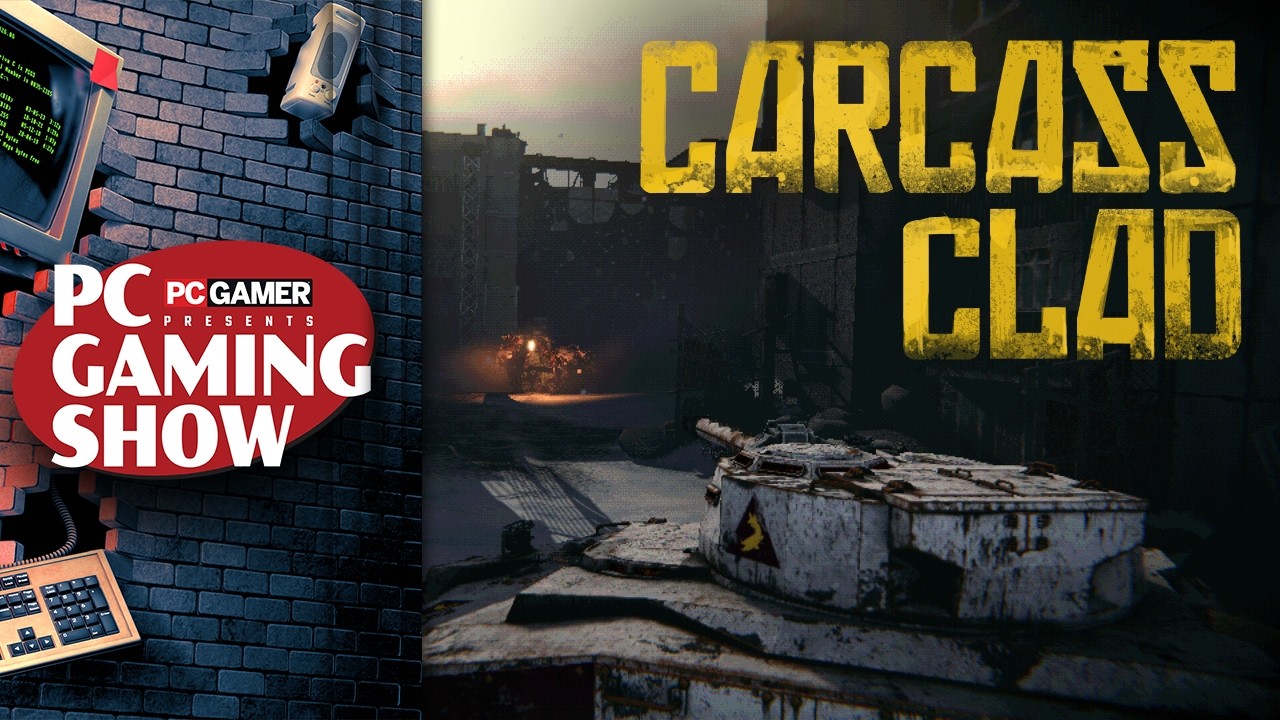
Following the critical acclaim of their breakout psychological horror title Mouthwashing, the development team at Wrong Organ is shifting gears. While their previous work was defined by its suffocating narrative and singular, linear focus, their next project, Carcass Clad, represents a radical departure in both gameplay philosophy and mechanical design. Revealed at the most recent PC Gaming Show, Carcass Clad is a co-op tank simulation that aims to capture the visceral, high-stakes tension of armored warfare, stripping away the comfort of external perspectives to focus on the isolation of the crew compartment.
The Genesis of a Pivot: Moving Beyond the Narrative
In the modern gaming landscape, any studio that pivots from a narrative-heavy, single-player success to a cooperative multiplayer model is often met with skepticism—sometimes branded as "selling out" or chasing trends. However, according to Wrong Organ developers Jeffrey Tomec and Dave van Egdom, the transition for Carcass Clad was never a marketing strategy or a commercial pivot. It was, quite simply, the natural evolution of an idea that outgrew its original constraints.
"There was quite a bit of hesitation, but it also wasn’t even the original premise for the game," Tomec explained during a recent interview. "We had a cool idea for a tank game, and it was going to be a tank game where you control three people at once. Then we were like, ‘That seems like it could just be a co-op game.’ And now it’s a co-op game."
This transition occurred early in the development cycle. Van Egdom noted that the studio began conceptualizing "Tank Game"—as it is still affectionately referred to internally—in July 2024. By October of that same year, the decision to move toward a dedicated three-player cooperative experience was finalized. The shift was driven by the desire to lean into the inherent "frantic, claustrophobic" nature of tank combat, a trope often glamorized in cinema but rarely replicated with the necessary sense of sensory deprivation in gaming.
Chronology of Development: From Concept to Combat
The development trajectory of Carcass Clad illustrates a studio focused on "gameplay-first" mechanics. If Mouthwashing was designed to act as a vessel for a specific, harrowing script, Carcass Clad is designed to generate emergent stories through its systems.
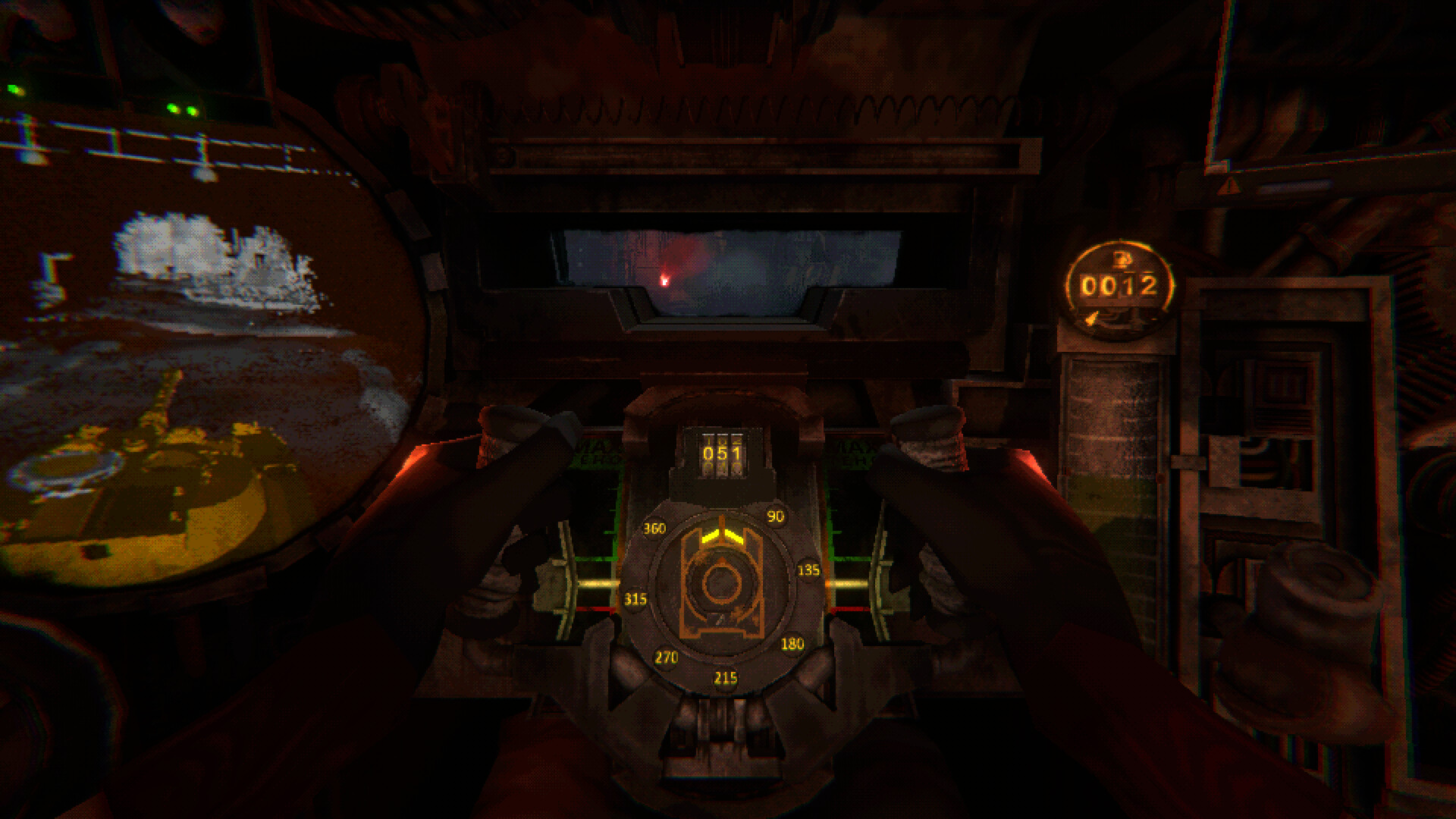
The core vision is to recreate the sudden, jarring ambushes often seen in war films, where a tank crew is caught off-guard while navigating tight corridors or obscured terrain. "Our players have probably made a bit of a mistake in the trailer by getting jumped by an enemy tank around a corner," Tomec noted. "But we expect players in reality tend to make those kinds of mistakes pretty often. It can be very stressful and very hard to see with how cramped the vehicle is, so things tend to find a way to sneak up on you."
By emphasizing the lack of visibility, Wrong Organ is deliberately handicapping the player’s ability to "see" the battlefield, forcing them to rely on the limited information provided by their specific role within the tank.
The Pillars of Specialization: Driver, Gunner, Commander
The gameplay loop of Carcass Clad relies on a strict division of labor. A standard crew consists of three players, each occupying a distinct niche that is intentionally limited to prevent any one player from feeling like a one-person army.
1. The Driver: The Blind Navigator
The driver is tasked with the literal movement of the machine, yet they are granted perhaps the most restrictive view in the game. With only a tiny, narrow viewport to look through, the driver is forced to operate almost entirely on the callouts of the commander. They cannot simultaneously drive and get a better look at their surroundings; this limitation is the primary source of the game’s tension.
2. The Gunner: The Tunnel-Vision Specialist
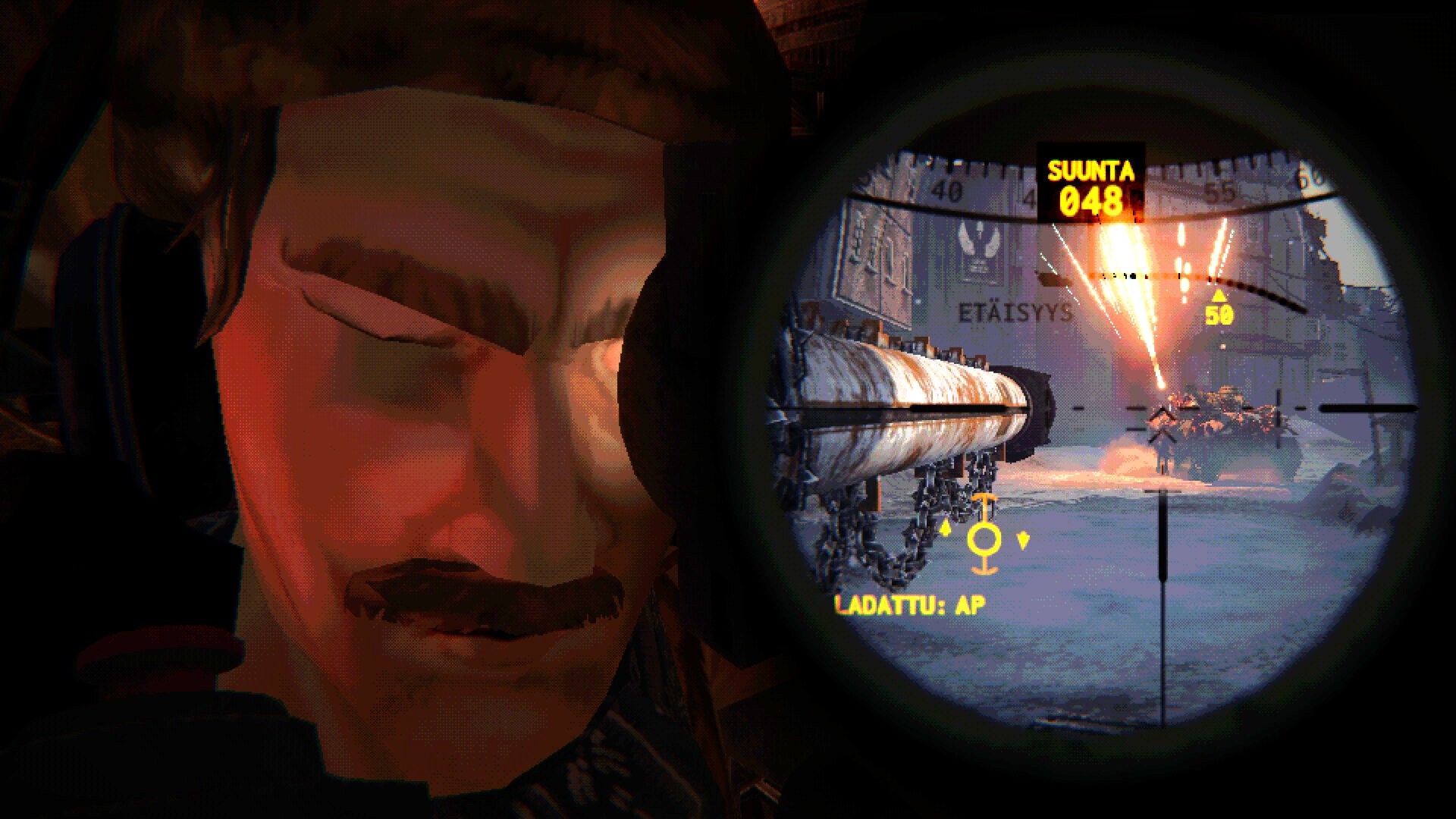
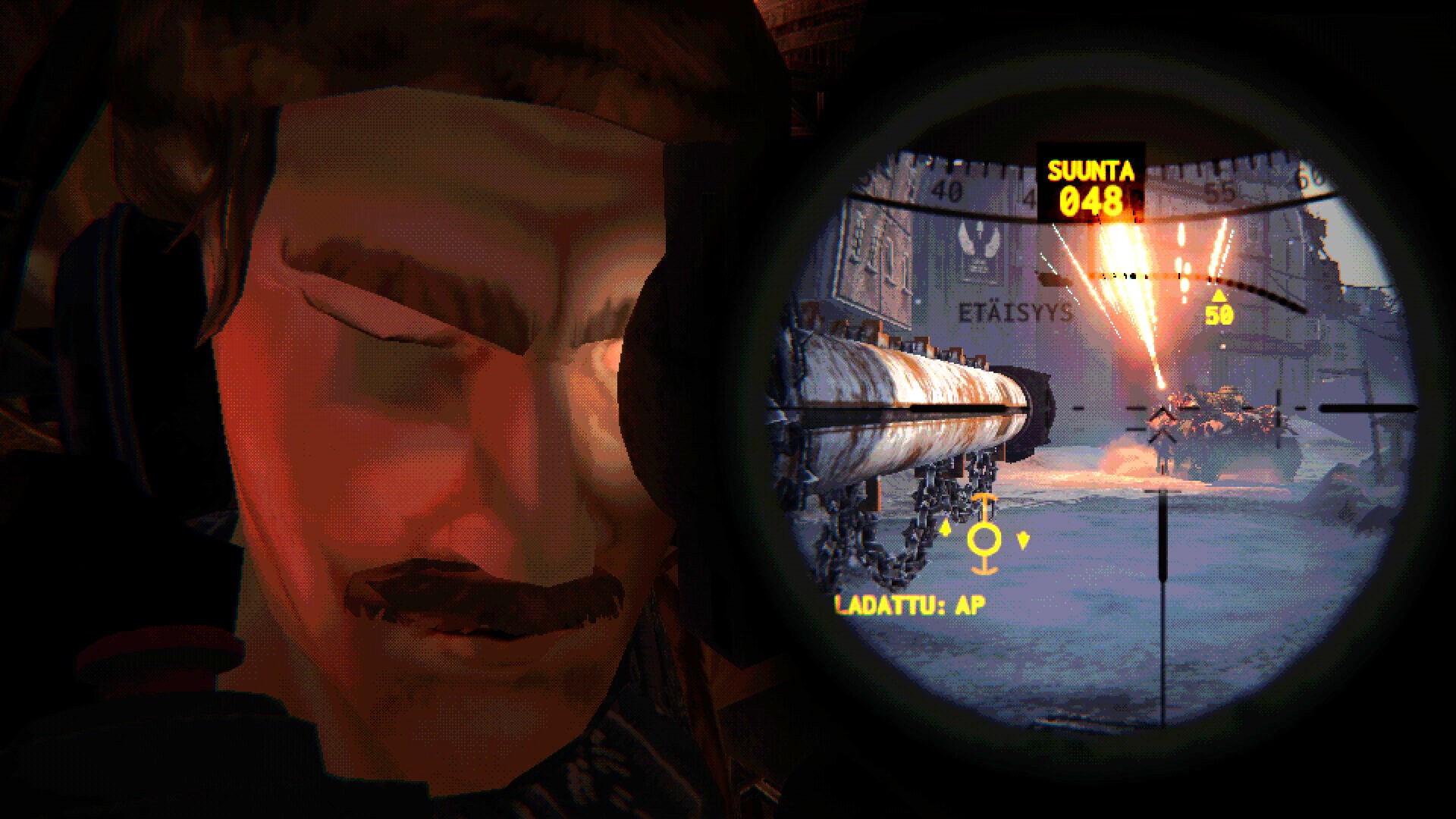
The gunner faces a different kind of restriction: a permanent, zoomed-in, scoped view. Unless the gunner chooses to physically open the hatch—a high-risk maneuver that leaves them exposed to enemy fire—they are effectively locked into a sniper-like perspective. This creates a reliance on the rest of the team to identify targets, as the gunner lacks the situational awareness to spot enemies lurking in their periphery.
3. The Commander: The "Man in the Chair"
The commander acts as the central nervous system of the crew. While they possess no direct control over the tank’s movement or its primary armament, they have access to the most robust toolset, including periscopes, range finders, and the ability to draw tactical routes on a shared map. This is what Tomec refers to as the "man in the chair fantasy." The commander’s success is defined by their ability to synthesize information and communicate it effectively to the driver and gunner, who are otherwise effectively blind to the broader tactical situation.
Defining the "Friendsweat" Genre
When discussing the inspiration for Carcass Clad, the developers draw a line between their work and existing sub-genres. They acknowledge the influence of hardcore military simulations (milsims) like Arma, but they are equally interested in the "friendslop" or "friendsweat" category of games—titles that rely on high-pressure, cooperative social dynamics to create moments of intense stress and catharsis.
Tomec offers Helldivers as the most accurate point of comparison. "The way that Helldivers explores a ton of military simulator mechanics in a framework that’s very far from a milsim," he noted, "we’d like to be almost a tank equivalent of that."
The result is a game that values the tactility and high-consequence atmosphere of a simulator but divorces it from the high-player-count PvP environment. It is about the intimate, stressful interaction between three friends in a metal box, rather than the scale of a massive battlefield.
The Aesthetic of Horror: "Carcass Clad" Explained
The game’s namesake, the "carcass clad" tanks, refers to the grotesque, improvised armor seen on enemy vehicles. These machines are covered in organic, decaying matter—a stylistic choice that bridges the gap between Wrong Organ’s horror roots and their new mechanical focus.
While players will not be focusing on armoring their own tanks in this manner, the presence of these abominations serves as a constant reminder of the game’s unsettling world. Players may find themselves dealing with "weird, carcassy horror" invading their own vehicle, maintaining the studio’s signature brand of unease.
Implications for the Future: A Dynamic Experience
While the game features a run-based structure reminiscent of Left 4 Dead, complete with "safe rooms" where crews can catch their breath and exit the vehicle, the developers remain fluid in their design process.
"We’re going to do what we have to to make the tank cool," van Egdom emphasized. "That’s the baseline."
The implication is clear: Carcass Clad is an experimental space. While it promises the same emotional intensity that left Mouthwashing players reeling, it does so through a mechanical framework that is still evolving. Whether the final product maintains the rigid, stressful constraints discussed or evolves into something more accessible, it remains one of the most anticipated shifts in independent game development.
For those who appreciated the crushing, claustrophobic atmosphere of Mouthwashing, Carcass Clad promises to translate that feeling from a narrative experience into a visceral, cooperative mechanical nightmare. The studio has set a high bar for itself, but by focusing on the "friendsweat" dynamic of a three-person tank crew, Wrong Organ appears poised to deliver a unique, high-stakes experience that refuses to compromise on its core vision of sensory-deprived, high-intensity warfare.