

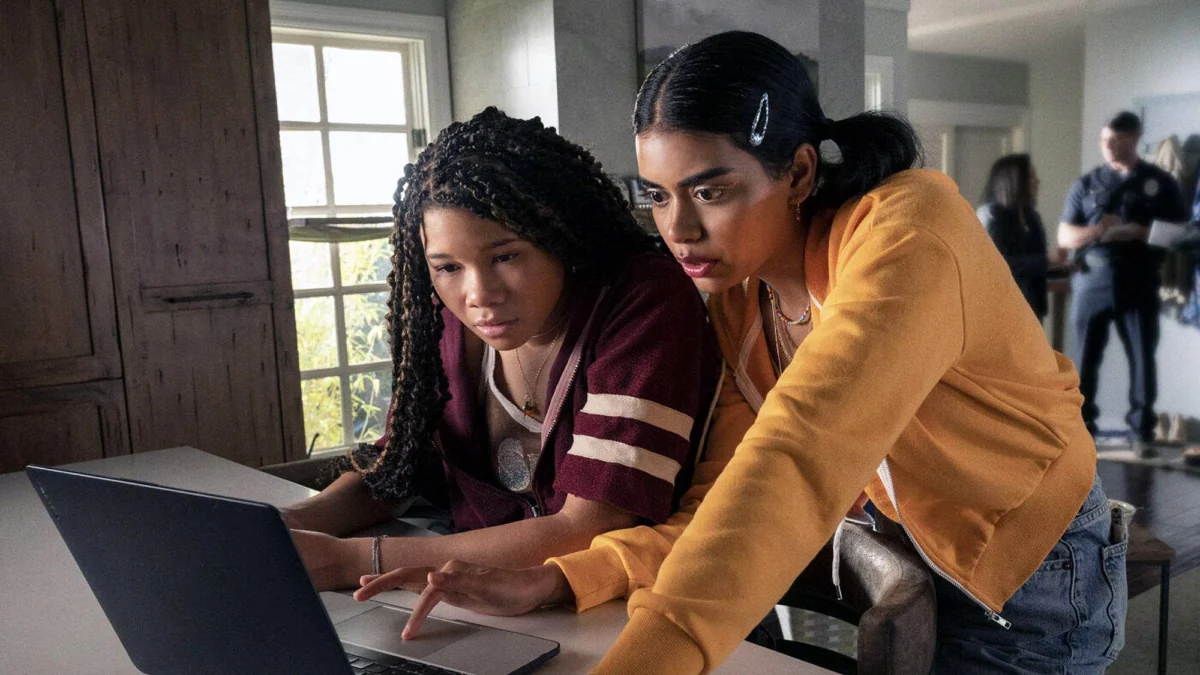
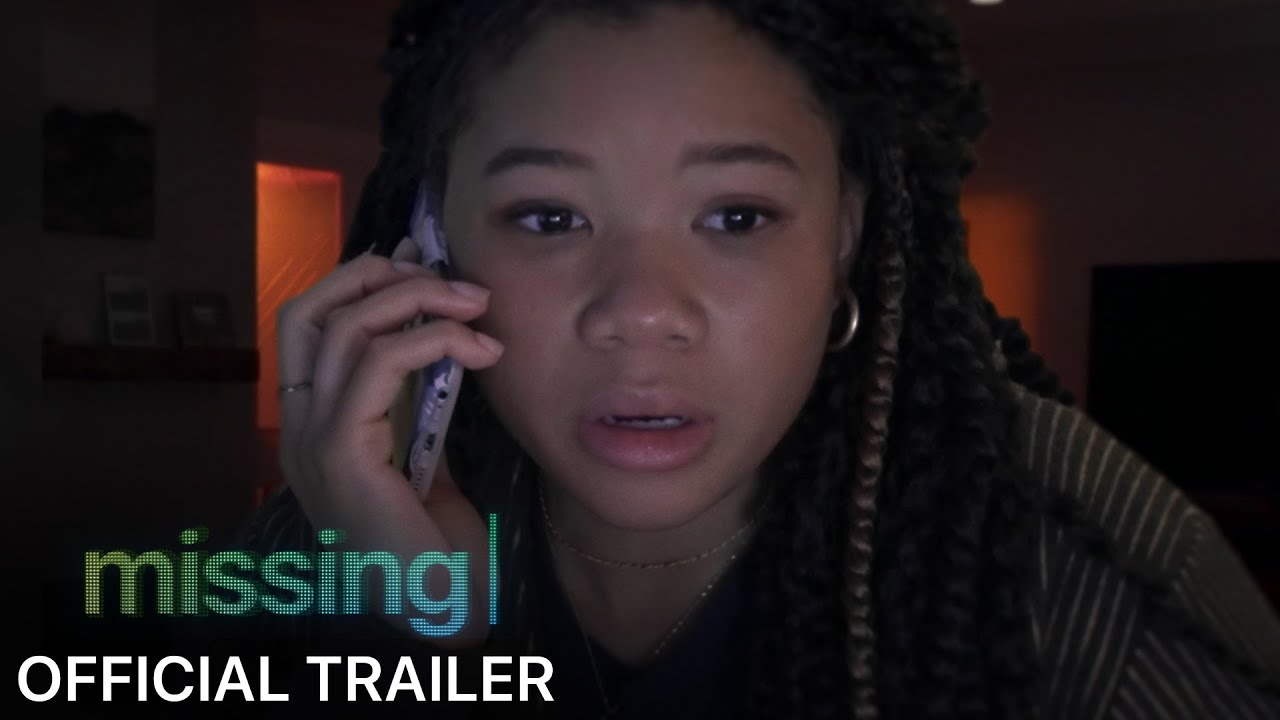
In an era where our most intimate moments, deepest secrets, and daily logistics are tethered to the glow of a smartphone screen, the concept of privacy has become a relic. It is within this unsettling reality that the 2023 mystery-thriller Missing finds its terrifyingly relatable footing. A standalone sequel to the 2018 sleeper hit Searching, the film has recently surged in popularity on Prime Video, reminding audiences that the most dangerous place on earth isn’t a dark alleyway—it’s the digital footprint we leave behind.
Directed by Will Merrick and Nick Johnson, who served as the editors on the original Searching, Missing elevates the "screenlife" subgenre—a format where the narrative unfolds entirely through computer screens, webcams, security feeds, and mobile interfaces. With a lean $7 million budget, the film defied industry expectations to become a box-office success, proving that high-concept storytelling doesn’t require a massive blockbuster canvas to grip an audience.
The Premise: A High-Stakes Digital Investigation
The narrative centers on June Allen (Storm Reid), an 18-year-old living in Los Angeles who finds her world upended when her mother, Grace (Nia Long), vanishes while on a vacation in Colombia with her new boyfriend, Kevin (Ken Leung).

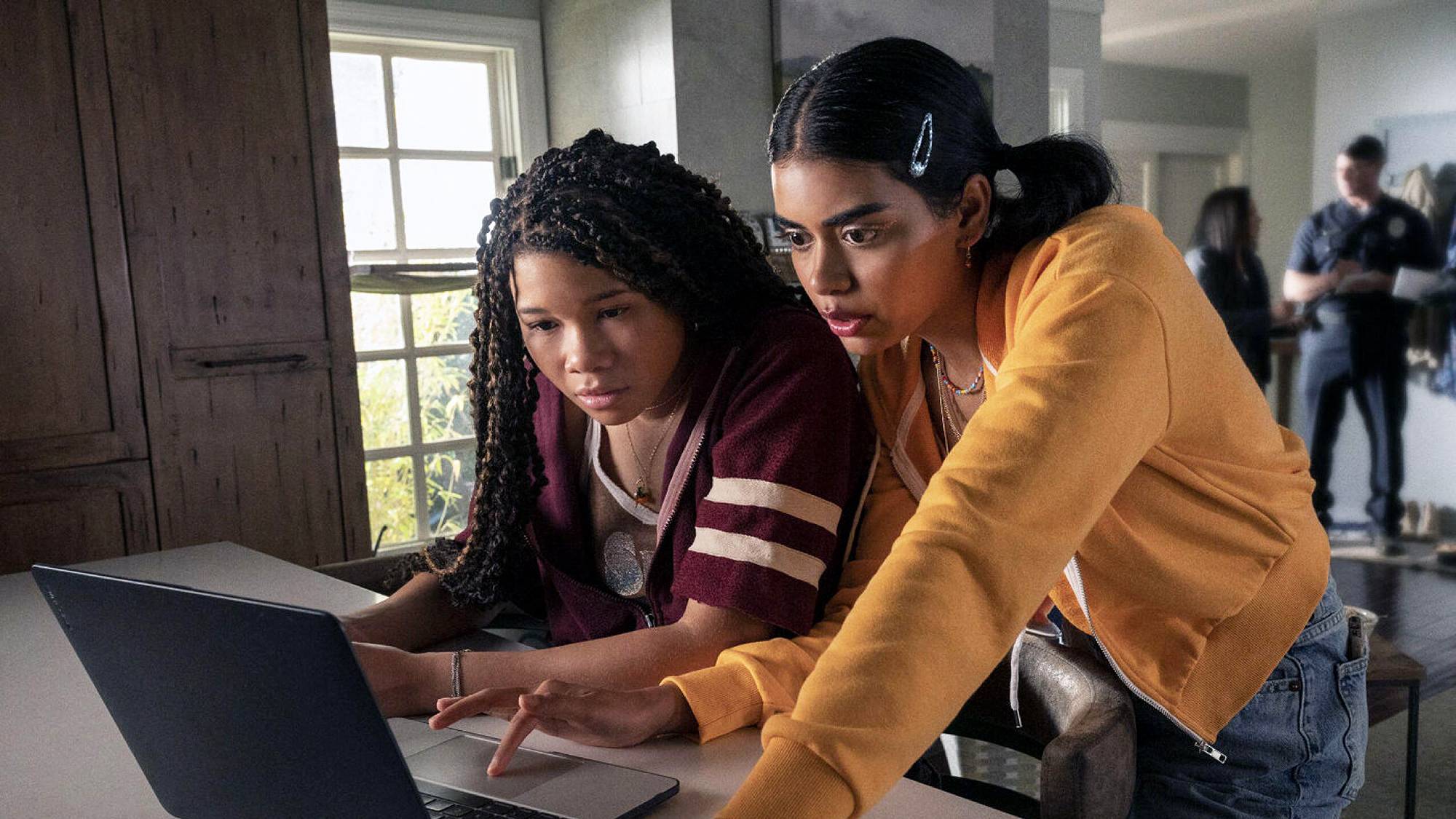
When Grace fails to appear for her flight home, June initiates a desperate search. Frustrated by the bureaucratic gridlock of international law enforcement and the FBI, who are unable to provide immediate assistance from thousands of miles away, June takes matters into her own hands. Leveraging her proficiency as a digital native, she systematically hacks into her mother’s email, tracks her GPS location, scrutinizes her social media presence, and utilizes crowd-sourced investigative tools.
What begins as a frantic search for a missing parent quickly morphs into a complex web of deception, revealing that the woman June thought she knew had been keeping secrets of her own.
A Chronology of Obsession: The Anatomy of the Search
The film’s pacing is relentless, mimicking the rapid-fire nature of modern information consumption. The structure of the investigation can be categorized into three distinct phases:

Phase I: The Digital Paper Trail
The film opens with an emotional montage of home videos, establishing the bond between June and her mother. However, once the disappearance occurs, the interface shifts to a cold, clinical desktop environment. The audience watches in real-time as June navigates Google Maps to verify hotel locations, uses "Find My Friends" to track location pings, and mines old emails for clues regarding Kevin’s past. This phase highlights the vulnerability of our personal data; in the hands of a determined user, a smartphone becomes a tool for total surveillance.
Phase II: The Outsourced Investigation
Realizing she cannot navigate the Colombian legal system from her bedroom, June pivots to the "gig economy." She hires Javier (Joaquim de Almeida), a local Colombian man she finds on a freelance service platform, to act as her boots-on-the-ground. This partnership is the film’s emotional core, bridging the gap between digital investigation and physical reality. It underscores how the internet has effectively "shrunk" the world, allowing a teenager in California to direct an investigation in South America via video calls.
Phase III: The Unmasking
As the investigation progresses, the digital "puzzle" becomes increasingly layered. Every password cracked and every hidden folder accessed peels back a layer of the mystery. The film builds toward a climax that challenges the viewer’s trust in the information presented on screen, reflecting the "fake news" and misinformation era where what we see on a screen is not always what is true.
Supporting Data: The Rise of the Screenlife Format
The success of Missing is not an anomaly but a testament to the evolution of the "screenlife" format, pioneered by producer Timur Bekmambetov. By keeping the camera trapped within the confines of a browser window, directors Merrick and Johnson create a unique sense of claustrophobia.
- Production Constraints: The film was produced for a modest $7 million, a stark contrast to the $200 million budgets typical of contemporary thrillers. Its success suggests a shift in industry trends, where high-concept, low-budget "contained" thrillers are becoming increasingly attractive to streaming platforms.
- The "Relatability" Factor: Data suggests that modern audiences respond more strongly to narratives involving technology they use daily. By utilizing familiar interfaces—Venmo, Google, TikTok, and iMessage—the film creates an immediate immersion that traditional cinematography often lacks.
- Performance Metrics: Storm Reid’s performance has been widely lauded for its ability to convey profound distress through a flat, static webcam lens. The film’s ability to sustain suspense for nearly two hours without leaving the "desktop" environment is a masterclass in modern editing.
Official Responses and Creative Vision
In interviews, directors Will Merrick and Nick Johnson have emphasized that their background as editors was essential to the film’s success. "The screen is the canvas," the duo noted during promotional tours. By manipulating cursors, mouse movements, and window layering, they treated the digital interface as a cinematic language.
Critics have noted that while the film’s ending leans into "sensationalized B-movie territory," the journey there is a tight, sophisticated thriller. The film has received praise for its social commentary, particularly regarding the ease with which we can be manipulated by curated online personas. Unlike its predecessor, Searching, which focused on a parent struggling to understand their child’s online world, Missing focuses on a child who is a master of that world, turning the narrative dynamic on its head.
Implications: The Ethics of the Online Life
Missing serves as a sobering reminder of the "panopticon" we occupy. By the end of the film, the audience is forced to consider several uncomfortable realities:
- The Illusion of Anonymity: The film demonstrates that even the most obscure digital trail can be reconstructed by a motivated individual. Our "private" lives are only as secure as our weakest password.
- The Trust Deficit: In an age where we rely on video calls to maintain relationships, the film questions how much we truly know about the people on the other side of the lens.
- The Democratization of Investigation: While the film depicts the "heroic" side of online sleuthing, it also subtly critiques the dangers of doxxing and amateur investigations, highlighting the thin line between justice and digital vigilantism.
Conclusion: Why You Should Watch
For viewers who have yet to dive into the "screenlife" genre, Missing is the perfect entry point. It is not merely a thriller about a kidnapping; it is a profound exploration of how we live, communicate, and deceive in the 21st century.
Whether you are drawn to the rapid-fire editing, the impressive performance by Storm Reid, or the twisty, turny mystery, Missing offers a cinematic experience that feels disturbingly close to home. It is a cautionary tale that transforms the mundane tools of our daily lives into instruments of life-or-death drama.

As the credits roll and you close your own laptop, you may find yourself looking at your open browser tabs with a newfound sense of caution. In the digital age, we are all potentially "missing" something—or someone—right in front of our eyes.
Missing is currently available for streaming on Prime Video. For more recommendations on the best thrillers and hidden gems in the streaming landscape, stay tuned to our ongoing coverage of the digital entertainment industry.












No comments yet. Be the first to join the conversation!