Azzam Bilal Chamdy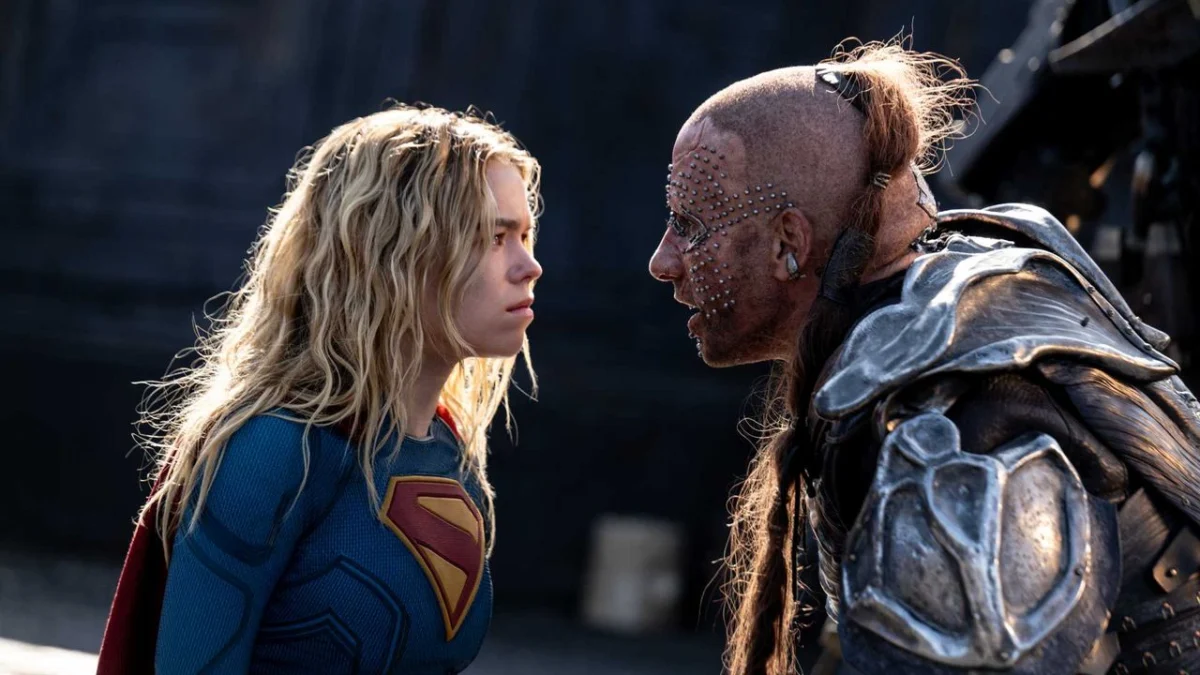
The landscape of the DC Universe (DCU) is undergoing a radical metamorphosis. Under the stewardship of DC Studios CEOs James Gunn and Peter Safran, the franchise is shedding the rigid, interconnected constraints of its predecessors in favor of a more auteur-driven, stylistic approach. Nowhere is this creative philosophy more evident than in the upcoming Supergirl: Woman of Tomorrow, directed by Craig Gillespie.
While the film serves as the second major cinematic entry in the newly revamped DCU, following the massive success of Superman, Gillespie has confirmed that Supergirl will intentionally diverge from its predecessor’s tone, visual language, and narrative structure. In a recent interview with SFX Magazine, the director revealed that this departure was not only permitted but actively encouraged by Gunn himself, signaling a new era of creative freedom for DC’s stable of superheroes.
Main Facts: The Evolution of Kara Zor-El
The film marks a significant milestone for the character of Kara Zor-El, played by Milly Alcock. While audiences were treated to a brief, tantalizing cameo of Alcock’s Supergirl in the 2025 Superman film—where she was seen briefly interacting with the Man of Steel and Krypto—the new feature is an entirely different beast.
Moving away from the terrestrial heroics often associated with the House of El, Supergirl: Woman of Tomorrow is a space-faring odyssey. The plot centers on a deeply personal mission: after Krypto is poisoned by a malevolent antagonist, Supergirl teams up with a young woman named Ruthye to track down the perpetrator, a man known as Krem of the Yellow Hills.
The film promises a gritty, tactile, and emotional journey, characterized by high stakes and cosmic exploration. With a release date slated for June 26, 2026, the project is positioned as a pivotal expansion of the DCU’s intergalactic mythology.
Chronology: From Cameo to Cinematic Spotlight
The trajectory of Supergirl within the DCU has been carefully managed to ensure maximum impact for the character’s standalone debut.
- The Announcement: Following the official unveiling of the DCU’s "Chapter One: Gods and Monsters" slate, Supergirl: Woman of Tomorrow was highlighted as a cornerstone project.
- The Casting: The search for the lead concluded with the selection of Milly Alcock, whose performance was vetted for its ability to convey the weary, hardened spirit of a survivor who spent her youth watching her home planet burn.
- The Cameo (2025): The release of Superman served as the narrative bridge, introducing audiences to this version of Kara and setting the stage for her departure from Earth.
- Production and Principal Photography: Directed by Craig Gillespie, the film has focused on practical effects and a "messy," lived-in aesthetic to distinguish it from the polished veneer of traditional superhero films.
- The Upcoming Release: Supergirl: Woman of Tomorrow is scheduled for a theatrical release on June 26, 2026, serving as the definitive exploration of Kara Zor-El’s psyche.
Supporting Data: Crafting a Unique Aesthetic
The process behind the film’s development is a testament to the importance of visual storytelling. Craig Gillespie described his initial pitch as an immersive experience, presenting DC leadership with over 120 pages of curated imagery.
"I started out with thousands of images, and by the time I’d narrowed it down, there was a narrative to it, and something that was very exciting and tactile and messy," Gillespie noted. This approach emphasizes the "tactile" nature of the film—a stark contrast to the frequently sterile, CGI-heavy environments of modern comic book movies.
The cast, too, reflects this commitment to a diverse and distinct ensemble:
- Milly Alcock (Kara Zor-El): The protagonist, struggling with the trauma of her past and her identity as a refugee.
- Matthias Schoenaerts (Krem of the Yellow Hills): The primary antagonist, whose actions set the central conflict in motion.
- Eve Ridley (Ruthye): A pivotal character whose search for justice for her murdered family mirrors Kara’s own internal struggles.
- Jason Momoa (Lobo): A high-profile addition to the DCU, bringing his characteristic intensity to the role of the galactic bounty hunter.
Official Responses: James Gunn’s Auteur Philosophy
The most significant revelation in the discourse surrounding the film is the directive provided by James Gunn. When Gillespie inquired about the degree to which he needed to align his film with the visual and thematic language of the preceding Superman, Gunn’s response was refreshingly liberating.
"I’m approaching all of these films like they’re their own graphic novels," Gunn told the director. "Every graphic novel has its own illustrator and its own writer that make it distinctive, so this is your version."
This response effectively dismantles the "cinematic universe" fatigue that has plagued major franchises in recent years. By treating each film as a standalone graphic novel, Gunn is signaling to filmmakers that the DCU is not a singular, monolithic entity, but a tapestry of unique, authorial voices. For Gillespie, this was an "amazing" validation, allowing him to prioritize the character’s emotional arc over the requirements of a broader, shared narrative.
Implications: The Future of the DC Universe
The implications of the Supergirl model are profound. By allowing directors to lean into distinct styles, DC Studios is effectively mitigating the risk of creative stagnation. If Supergirl succeeds, it validates the strategy of treating DC characters with the same narrative flexibility afforded to their comic book counterparts.
1. Breaking the "Formula"
Historically, franchise films have been criticized for "cookie-cutter" aesthetics and standardized pacing. If Gillespie’s "messy" and "tactile" approach is well-received, it sets a precedent for future DCU directors to push boundaries and experiment with genre—be it noir, space opera, or psychological drama.
2. Character-Driven Narratives
The decision to send Supergirl "off-planet" is a tactical narrative choice. It allows the character to exist independently of the Superman mythos, establishing her own supporting cast and stakes. This isolation is crucial for audiences to bond with Kara Zor-El as an individual, rather than simply viewing her as an extension of her cousin.
3. A New Bar for Casting and Performance
The inclusion of actors like Matthias Schoenaerts and the integration of Jason Momoa into the new DCU suggests that Gunn and Safran are prioritizing talent and character dynamics over brand synergy. This focus on strong, individual performances is likely to draw in audiences who are seeking substance alongside spectacle.
4. The Long-Term Impact on DC Studios
If this "graphic novel" philosophy proves successful, the DCU could become the most diverse creative playground in Hollywood. It shifts the power dynamic from corporate mandates to creative execution, ensuring that when the "next" movie in the series arrives, it feels like a fresh discovery rather than a continuation of a tired formula.
Conclusion: A New Frontier
As June 26 approaches, the anticipation for Supergirl: Woman of Tomorrow continues to build. The film represents more than just another entry in a crowded market; it is a declaration of intent from DC Studios. By prioritizing visual distinction and character-centric storytelling, Craig Gillespie and James Gunn are crafting a universe where heroes are not just symbols, but complex figures capable of carrying their own, unique stories.
In the end, Supergirl is not just a spin-off of Superman. It is a bold, independent chapter in a new DC saga—one that promises to be as visually arresting as it is narratively daring. For fans of the medium, the message is clear: the era of the interconnected, formulaic blockbuster is ending, and the age of the distinct, cinematic graphic novel has begun.


 Sagoh
Sagoh
 Nana Wu