

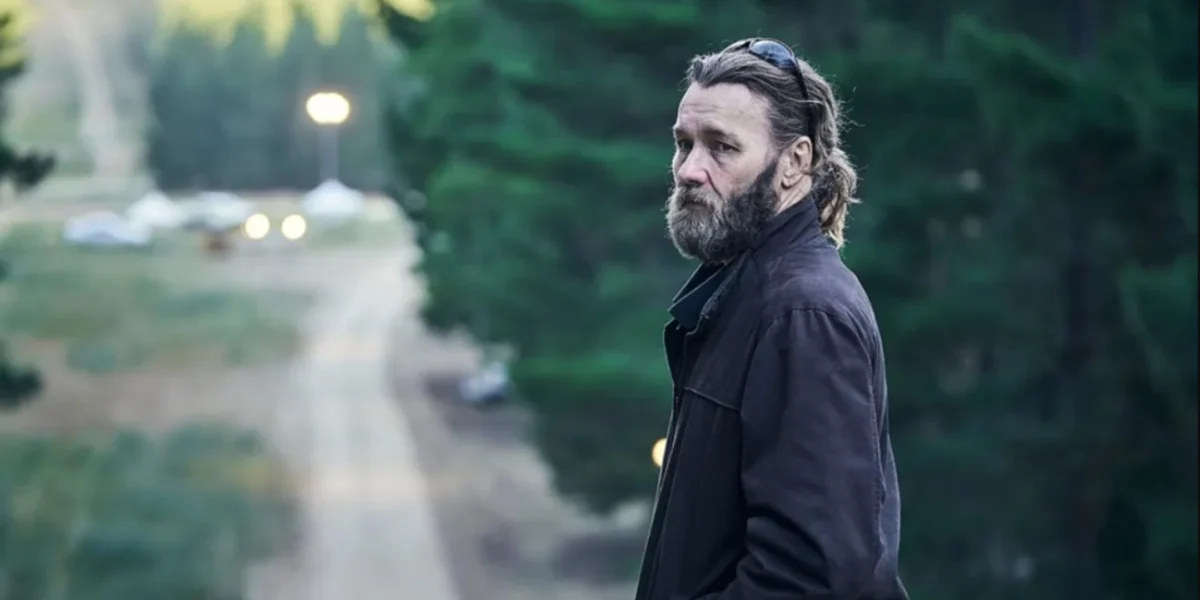
When The Stranger quietly arrived on Netflix, it did so with the subtlety of a shadow, lacking the explosive marketing campaigns often afforded to major streaming titles. Yet, in the months since its release, the film has cemented itself as a visceral, haunting experience that lingers in the consciousness of its audience long after the final credits roll. Directed by Thomas M. Wright, this Australian crime thriller is more than a mere procedural; it is a claustrophobic descent into the psychological toll of a high-stakes investigation. By weaving together the grim realities of an eight-year manhunt with an atmosphere of unrelenting, suffocating dread, The Stranger stands as one of the most effective explorations of the "true crime" genre in recent years.
The Architecture of Fear: Main Facts
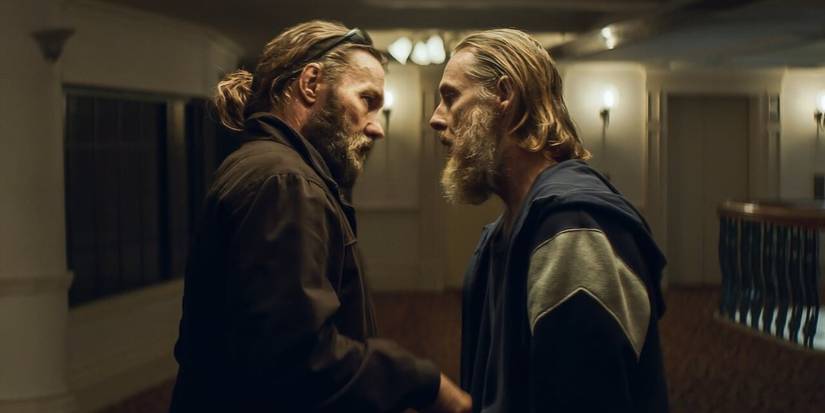
At its core, The Stranger explores the mechanics of a complex, long-term sting operation orchestrated by the Australian police. The narrative centers on Henry Teague (played with chilling vacancy by Sean Harris), a man suspected of the horrific abduction and murder of a young boy. To secure a conviction, the authorities deploy Mark Frame (Joel Edgerton), an undercover operative tasked with infiltrating Henry’s life.
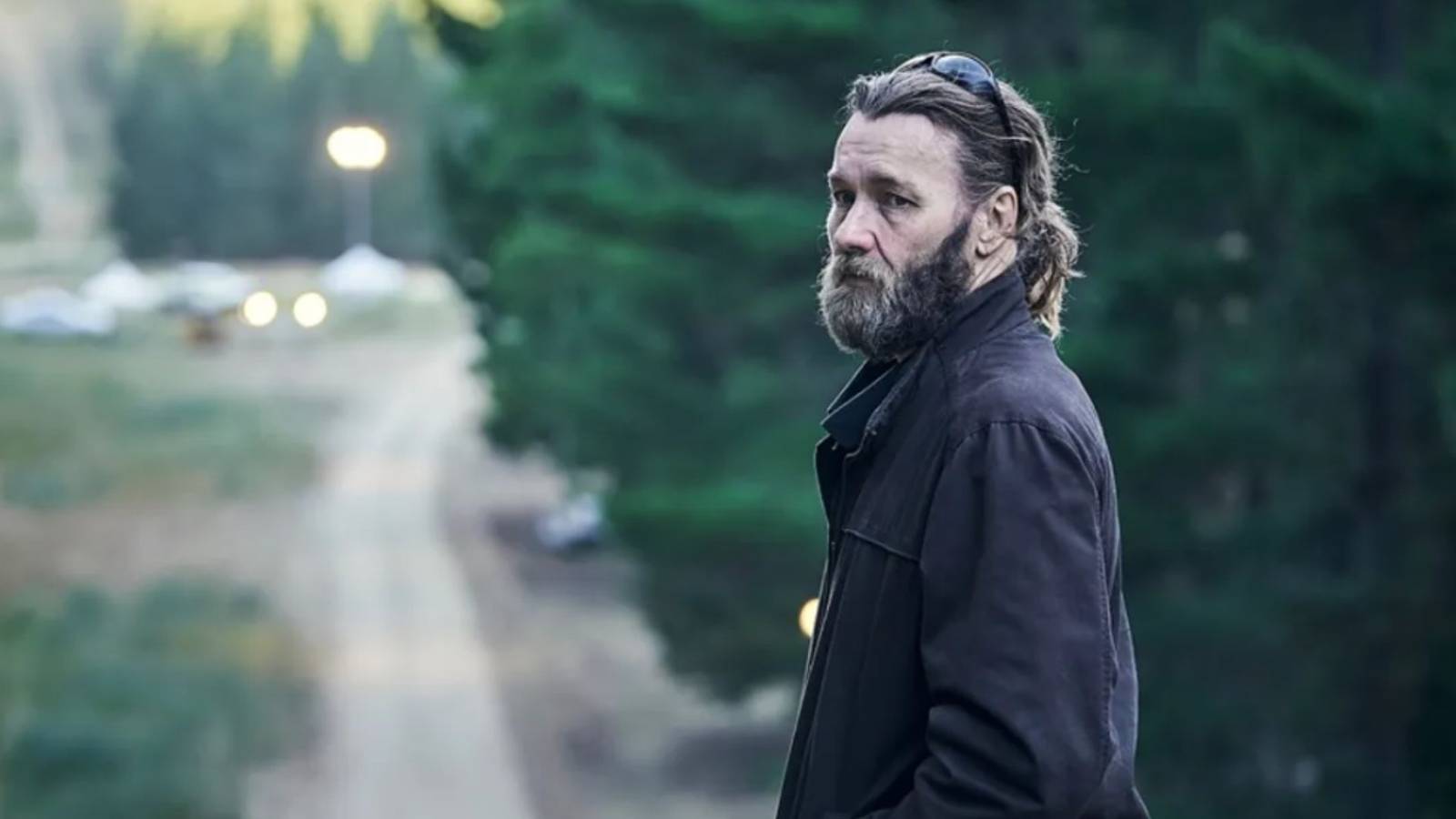
The film distinguishes itself by eschewing the sensationalism often found in serial killer dramas. Instead, Wright focuses on the structural weight of the investigation. The "stranger" of the title is a double entendre: it refers to the burgeoning, forced friendship between Henry and Mark, and to the inherent mystery of a man who masks his monstrous nature behind a veneer of mundane, blue-collar anonymity. Through the lens of cinematographer Sam Chiplin, the film utilizes muted, desaturated tones and sharp, clinical lighting to differentiate between the murky, corrupt world of the criminal underworld and the cold, bright, and equally detached reality of the police force.
A Chronology of Obsession: The Case Behind the Fiction
To understand the gravity of the film, one must look at its origins. The Stranger is inspired by the real-life investigation into the 2003 abduction and murder of 13-year-old Daniel Morcombe, a tragedy that gripped the Australian public for years. The perpetrator, Brett Peter Cowan, remained elusive for nearly a decade, during which time police engaged in an exhaustive and controversial undercover operation.
The investigation was documented in the book The Sting: The Undercover Operation That Caught Daniel Morcombe’s Killer by investigative journalist Kate Kyriacou. The operation involved creating a fictitious, lucrative criminal enterprise that served as a honey trap for suspects. By embedding themselves within this fake organization, officers could cultivate trust with the target, eventually coaxing a confession through the allure of "criminal camaraderie" and the threat of exposure if the target didn’t prove his loyalty.
While the film remains faithful to the spirit of this operation, it exercises significant creative license. As Joel Edgerton noted in interviews with The Sydney Morning Herald, the names and specific details were altered to protect the families involved and to prioritize the film’s narrative integrity over a beat-by-beat reenactment. This fictionalization allows the film to function as a universal study of morality and the heavy cost of justice.

Supporting Data: The Anatomy of a Sting
The legal framework behind the operation depicted in The Stranger is a fascinating, if disturbing, aspect of the Australian judicial system. In many jurisdictions, the "Mr. Big" operation—where police pose as high-level criminals to extract confessions—is a subject of intense ethical debate.
The film highlights the psychological manipulation required to sustain such a lie. Mark Frame is not merely an actor; he is a man who must dissolve his own identity to mirror the darkness of his target. Supporting evidence for the film’s success lies in its technical execution:
- The Soundscape: The film’s score, composed by Oliver Coates, acts as an additional character, emphasizing the "creeping" sensation described by critics. The low-frequency drones mirror the internal tension of the protagonist.
- The Casting: The chemistry—if one can call it that—between Sean Harris and Joel Edgerton is the engine of the film. Harris’s performance is a masterclass in minimalism; his ability to oscillate between a sympathetic, lost soul and a predatory void is what makes the film’s climax so harrowing.
- The Pacing: Unlike American procedurals that favor fast cuts and action sequences, Wright opts for long, lingering takes that force the audience to sit with the discomfort of silence.
Official Responses and Ethical Implications
The release of The Stranger prompted a dialogue regarding the ethics of true crime storytelling. While the families affected by the real-life case have expressed mixed feelings about the dramatization of such a traumatic event, the film has generally been praised for avoiding "trauma porn."
Director Thomas M. Wright has been clear about his intent: the film is not about the victim, but about the work required to catch the monster. It serves as a critique of how society, and specifically law enforcement, must compromise its own morality to confront extreme evil. The implication is clear: the process of catching a killer can be as corrosive to the soul of the officer as the crime is to the victim.
The film poses a haunting question to its audience: How far is too far? When a police officer spends years cultivating a friendship with a monster, where does the undercover persona end and the real person begin? Mark Frame’s journey is one of gradual erosion, where the lines between the investigator and the investigated become dangerously blurred.
The Broader Implications: A Mirror to Our Obsessions
Why does The Stranger resonate so deeply in the modern streaming era? Perhaps it is because we are living in a golden age of true crime, yet we are rarely given a film that asks us to examine our own voyeurism. By placing the audience inside the head of an undercover cop, the film forces us to participate in the deception. We are the ones rooting for the confession, yet we are simultaneously repulsed by the intimacy required to get it.
Furthermore, the film’s exploration of the "banality of evil" is particularly striking. Henry Teague does not behave like a caricature of a villain; he is a man who shops, drives, and converses with the banality of a neighbor. This is the true horror of the film—that the most dangerous people in our society often look exactly like the people we pass on the bus every day.
Conclusion: A Lasting Impression
The Stranger is not a film meant for casual viewing. It demands patience, emotional fortitude, and a willingness to stare into the abyss. Through Thomas M. Wright’s precise direction and the powerhouse performances of Sean Harris and Joel Edgerton, the film manages to transcend its genre. It is a haunting, somber, and deeply intelligent piece of cinema that highlights the fragility of the human mind when tasked with navigating the darkest corners of reality.
As we continue to consume true crime media, The Stranger serves as a sobering reminder of the human cost behind the headlines. It is a masterclass in atmospheric tension, proving that sometimes, the most terrifying thing in a film isn’t a jump scare or a chase scene, but the slow, agonizing realization of what one person is capable of doing to another, and what it takes for someone else to stop them. For those who can handle the weight of its subject matter, The Stranger is an essential, if deeply uncomfortable, addition to the pantheon of modern crime thrillers.











No comments yet. Be the first to join the conversation!