Lina Irawan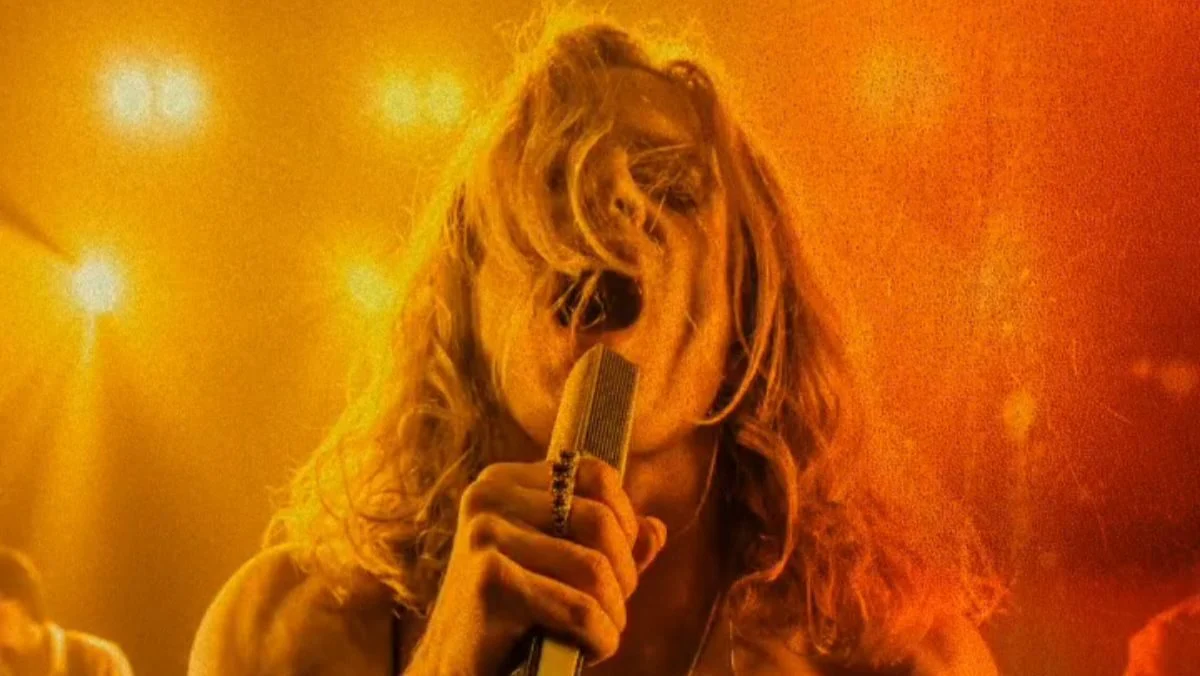
Anne Rice’s The Vampire Chronicles has long been considered the gold standard of modern gothic literature. With thirteen books spanning decades of lore, humanity, and supernatural debauchery, the series offers a dense, sprawling tapestry of history. When AMC began adapting this universe, the challenge was twofold: remain faithful to the spirit of Rice’s prose while navigating the narrative shifts necessary for a modern television audience. With the premiere of The Vampire Lestat, the network has embarked on an ambitious journey that pulls liberally from the source material—while simultaneously tearing it apart to rebuild it in a new, darker, and more self-aware image.
This analysis details the complex relationship between the AMC series and the original novels, exploring where the show adheres to the gospel of Rice and where it chooses to chart a bold, divergent path.
The Core Conflict: Adaptation vs. Deconstruction
At the heart of the AMC adaptation is a meta-narrative conceit that did not exist in the books. In the original Vampire Chronicles, specifically the 1985 novel The Vampire Lestat, the narrative is largely a linear, autobiographical account provided by the Brat Prince himself. It serves as a direct rebuttal to the character assassination performed by Louis de Pointe du Lac in Interview with the Vampire.

The AMC series, however, treats the books as unreliable artifacts within the show’s own universe. By having characters like Louis and Daniel Molloy dissect the inaccuracies of the previous Interview publication, the series creates a layered "he said, she said" dynamic. This structural choice is the most significant departure from the source material; it turns the act of storytelling into a weapon, leaving the audience constantly questioning which version of history—if any—is the truth.
Chronology and Narrative Shifts
The AMC series does not shy away from reordering the events of Rice’s life for the vampire. While the novels are anchored in their respective eras, the television adaptation leans into a non-linear structure that jumps between the 18th-century origins of Lestat de Lioncourt and the contemporary, post-modern landscape of the 21st century.
The "Detroit" Distortion
In Episode 1, "Detroit," we see Lestat living in proximity to a garage band, "Satan’s Night Out," eventually joining them to satisfy his ego and thirst for fame. This is a direct nod to the opening chapter of the 1985 novel, "Downtown Saturday Night in the 20th Century: 1984." However, the show relocates the action from New Orleans to Montreal.

More importantly, the motivation for the band’s formation is fundamentally altered. In the book, the rock star persona is a calculated lure designed to bring Louis back into Lestat’s orbit. In the AMC series, the tension between the two is already established, and the band serves as a manifestation of Lestat’s current malaise and his tenuous grip on his immortality. The shift from 1984 to the present day serves to ground the show in the digital age, where Lestat learns of Louis’s memoir through an email alert rather than stumbling upon a physical manuscript.
The "Dionysus" Dislocation
Episode 1 also features a pivotal confrontation in a boutique hotel dubbed "Dracula’s Daughter." This is a clear homage to the climax of the novel The Vampire Lestat, where various vampire covens descend upon Lestat during his Halloween night concert. The book places this in a San Francisco bar; the show’s transformation of the location into a hotel provides a more claustrophobic, intimate setting for the ambush, emphasizing the vulnerability of a celebrity vampire surrounded by those who wish to see him dismantled.
Supporting Data: Character Origins and Divergences
The character of Lestat de Lioncourt is perhaps the most difficult to pin down, as his identity is constantly shifting between his mortal past and his vampiric future.

The Stuttering Mortal
Episode 2, "Toledo," delves into Lestat’s upbringing in 18th-century France. The show draws heavily from the "Lelio Rising" section of the novel, depicting the cruelty of his father and brothers and his deep, complicated bond with his mother, Gabrielle. However, the show introduces a narrative element not found in the books: Lestat’s childhood stutter. This invention adds a layer of vulnerability to the character, framing his eventual transformation as a reclamation of power and a voice that he was previously denied. It is a brilliant piece of character work that enriches his arrogance with a sense of hard-won agency.
The "Fang Gang" Redefined
The introduction of the "Fang Gang" in the Detroit episode highlights the series’ penchant for subversion. Borrowing the name from the third novel, The Queen of the Damned, the show repurposes these characters. In the literature, the Fang Gang are devotees, sycophants desperate to be near the legend. In the series, they are antagonists, a vigilante group of vampires policing "The Great Laws" that Lestat has so flagrantly violated. This change shifts the stakes; instead of being a cult leader, Lestat is now a pariah, hunted by his own kind for the crime of transparency.
Official Responses and Creative Intent
Showrunner Rolin Jones has frequently addressed the necessity of these changes in press briefings and promotional materials. The intent is not to replace Rice’s books but to build a dialogue with them. By acknowledging the "unreliable narrator" trope, the creative team allows themselves the freedom to explore the emotional core of the characters rather than being beholden to every line of text.

When Louis claims in the series that he was a "f*cking liar" in his original interviews, it serves as an official confirmation from the production that the TV series is a "remix" of the mythos. This provides the writers with a blank check to resolve the plot holes found in the original thirteen-book saga and to flesh out the relationships—specifically the queer dynamics—that were often coded or subtextual in Rice’s writing but are now explicit and front-and-center in the AMC adaptation.
Implications for the Future of the Chronicles
The most profound implication of these changes is the potential for a completely different ending to the Vampire Chronicles saga.
- The Fate of the Patriarch: The death of Lestat’s brothers and the murder of his father at the hands of Gabrielle marks a massive deviation from the books. In the novel Interview with the Vampire, the father’s survival and subsequent flight to New Orleans is a catalyst for later plot developments. By killing him off early in the series, AMC is forcing the story onto a new track, likely accelerating the introduction of other key figures or removing the baggage of the human family entirely to focus on the vampire hierarchy.
- The Nature of Truth: As the series progresses, the "truth" of the vampire world is becoming increasingly fragmented. With Daniel Molloy acting as a surrogate for the audience—a cynical, probing investigative journalist—the show is setting up a confrontation between the written word and the living experience. If the series continues to diverge, we may reach a point where the show’s canon bears only a passing resemblance to the source material.
- The Inclusion of New Elements: The fact that the series is already pulling from The Queen of the Damned while still in the early stages of The Vampire Lestat suggests that the show is not interested in a book-by-book adaptation. Instead, it is building a singular, cohesive narrative thread that weaves together various elements of the Rice universe into a tighter, more propulsive television experience.
Conclusion: A New Testament for the Undead
The Vampire Lestat on AMC is a fascinating case study in modern adaptation. It treats the source material with reverence, yet it refuses to be shackled by it. By introducing the concept of the "unreliable memoir," the show invites the viewer to participate in the act of interpretation. We are not just watching the story of Lestat; we are watching the story of how that story is told, contested, and distorted.

While die-hard fans of Anne Rice may find the changes to locations, timelines, and character backstories jarring, they serve a greater purpose. They keep the mystery of the vampires alive. In a world where the lore of Dracula and his kin has been done to death, AMC’s The Vampire Chronicles succeeds by doing the one thing that keeps any vampire story relevant: it reinvents itself.
As the series continues, the primary draw will not be knowing what happens next, but discovering how the show decides to tell it. Whether through the lens of a scorned lover, a vengeful band of outcasts, or a cynical journalist, the truth of Lestat de Lioncourt remains a shifting shadow—perfect for a creature who has spent centuries hiding in the dark. Fans should continue to monitor the show’s progression, as the departures from the text are likely to become more radical, promising a final product that is as much a new creation as it is an homage to the late, legendary Anne Rice.


 Siti Muinah
 Azzam Bilal Chamdy