Suro Senen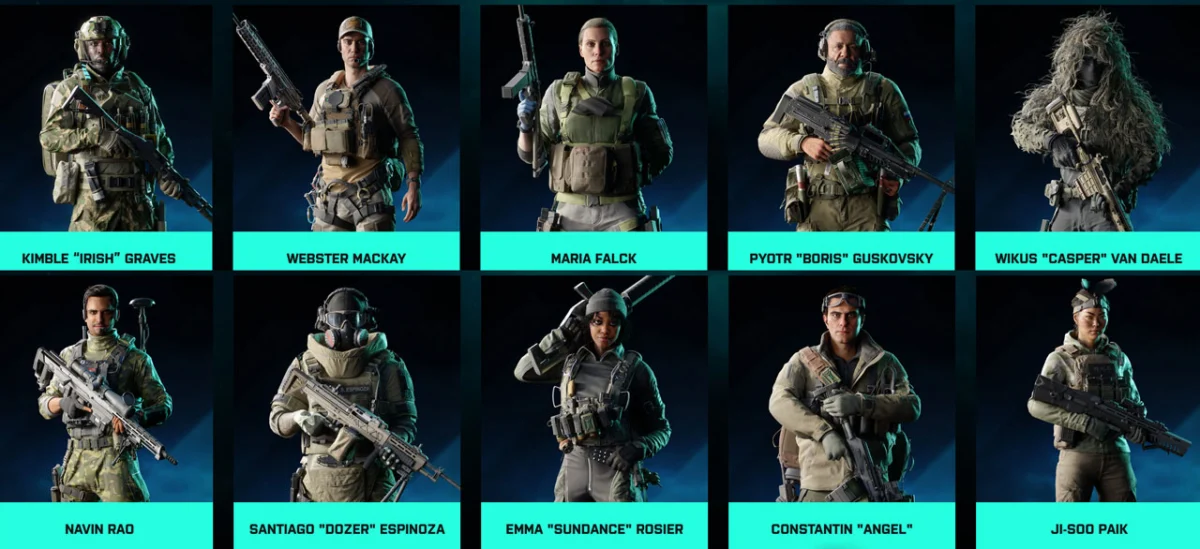
The gaming industry is no stranger to the high-stakes theater of the pre-launch beta test. However, few recent titles have carried the weight of expectation—or the intensity of scrutiny—that has defined the development cycle of Battlefield 2042. Following a polarizing open beta earlier this month, developer DICE and publisher Electronic Arts have emerged from a period of intense data analysis to chart a course for the game’s November 19 launch.
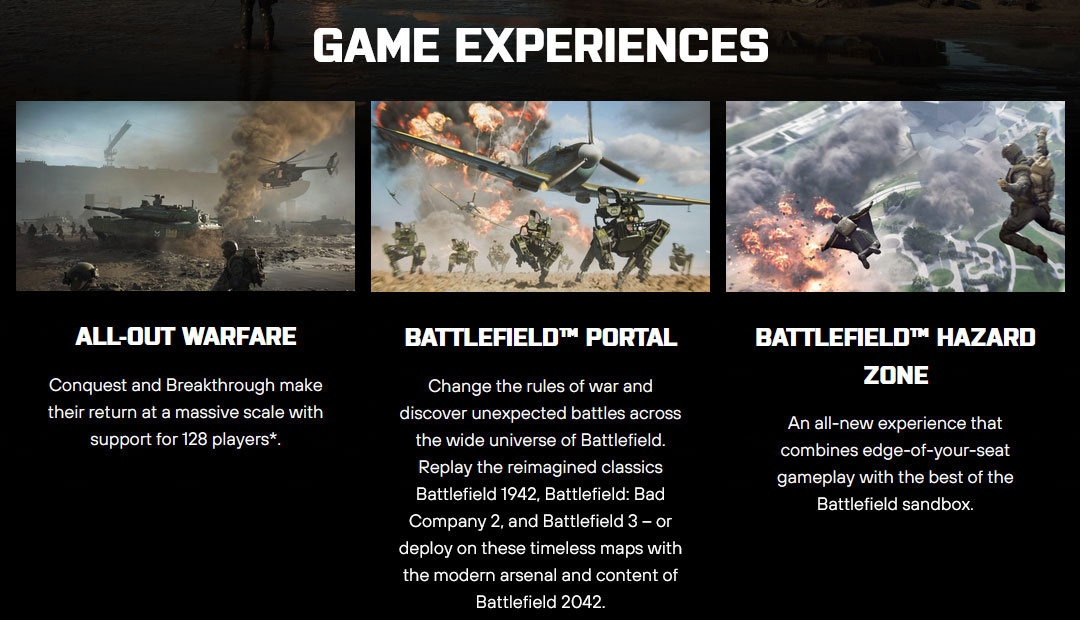
For a franchise built on the pillars of scale, destruction, and team-oriented tactical warfare, the transition to the near-future setting of 2042 represents a massive pivot. As the dust settles on the "Orbital" map—the centerpiece of the beta—the developer is now grappling with a community divided between excitement for 128-player carnage and skepticism regarding the game’s fundamental mechanical shifts.
The Beta Breakdown: A Technical and Tactical Overview
The Battlefield 2042 beta served as a stress test for the franchise’s ambitious leap into 128-player matches on PC and next-generation consoles. Set in the lush, rain-slicked jungles of French Guiana, the "Orbital" map offered players a glimpse into the game’s core loop: capturing massive sectors, utilizing verticality, and engaging in large-scale vehicle combat.
The Scope of the Feedback
The sheer volume of data collected by DICE is unprecedented in the studio’s history. The beta period provided the team with millions of data points, ranging from telemetry on server stability and movement physics to qualitative feedback regarding UI clarity and "Specialist" balancing. According to the studio’s official post-mortem, the objective was not merely to fix bugs, but to assess whether the game’s design philosophy holds up under the weight of its own ambition.
The findings were clear: while the technical "bones" of the game—the core engine performance and the sheer spectacle of the 128-player experience—were largely lauded, the "soft" elements, such as user interface readability and the social cohesion of squads, faced significant backlash.
The Specialist Controversy: Evolution or Identity Crisis?
Perhaps the most contentious design choice in Battlefield 2042 is the replacement of the traditional four-class system (Assault, Medic, Support, Recon) with a new "Specialist" model. In previous iterations, a player’s role was defined by their class; a Medic was always a Medic, and their utility was clear. In the new system, players select a Specialist with a unique gadget and trait, but are granted the freedom to equip any primary weapon or secondary gadget.
The "Synergy" Problem
Critics of the beta were quick to point out that this change diluted the "Battlefield identity." The fear among long-time fans is that the removal of rigid class restrictions will lead to a "lone wolf" playstyle, undermining the squad-based synergy that made titles like Battlefield 3 and 4 so iconic.
DICE’s official stance, however, is one of evolution. The developers argue that the Specialist system is not a departure from the franchise’s roots, but a necessary modernization. They claim that the freedom to customize loadouts allows for more creative tactical approaches, effectively allowing players to tailor their character to the needs of the squad rather than being locked into a predefined role.
The Full Roster Reveal
To address the perception that the Specialist system is too thin, DICE has officially pulled back the curtain on all ten launch-day Specialists. By doubling the available options from the five present in the beta, the developers aim to demonstrate that the system offers significant depth. Each new character brings unique utility—from deployable cover to advanced scanning technology—designed to fill the gaps left by the initial, more generic roster. The company believes that once players see the full spectrum of capabilities, the "class-less" fear will subside in favor of a more dynamic tactical ecosystem.
Technical Refinements and Quality of Life Changes
Beyond the high-level design debates, the beta revealed a laundry list of technical hurdles that required immediate attention. In their "Battlefield Briefing," DICE laid out a comprehensive roadmap for the final stretch of development.
UI and UX Overhauls
One of the most frequent complaints during the beta was the cluttered and occasionally confusing User Interface (UI). Players reported difficulty identifying friend from foe at a glance, and the mini-map/HUD lacked the clarity required for the high-octane 128-player matches. DICE has confirmed a complete overhaul of the UI, focusing on high-contrast markers and a more intuitive "Identify Friend or Foe" (IFF) system.
Movement and Combat Fluidity
The movement system, while intended to be faster and more responsive than its predecessors, felt "floaty" to many veterans of the series. DICE has confirmed that they are refining the weight and friction of player movement to ensure that traversing the vast maps feels deliberate rather than erratic. Furthermore, the "Plus System"—which allows players to modify their weapons in real-time—is being tuned to ensure that the menu navigation is snappy and does not interrupt the flow of combat.
Server Stability and Performance
While the beta was largely stable, it did experience significant "rubber-banding" and packet loss during peak player density. The engineering team has since implemented significant server-side optimizations. These adjustments are critical, as the "128-player" selling point is essentially a non-starter if the underlying network architecture cannot support the synchronization of that many individual entities without degradation.
Implications for the Future of the Franchise
The Battlefield 2042 beta was a trial by fire. The implications of this testing phase extend far beyond the game itself; they speak to the future of the AAA live-service model.
The "Live-Service" Reality
DICE has emphasized that the version of the game seen in the beta was an "early build," and that the full version will feature a level of depth, weapon customization, and progression that was largely absent from the demo. This is a common defense in the industry, but in the case of Battlefield, it highlights the difficulty of marketing a game that is constantly in flux. By promising a more robust experience at launch, DICE is essentially asking for a leap of faith from a community that has been burned by buggy launches in the past.
The Weight of Legacy
The franchise is currently at a crossroads. Battlefield 2042 is attempting to marry the traditional "sandbox" chaos that defined the series for two decades with the modern, hero-shooter-inspired trends of today. If they succeed, they could revitalize the series for a new generation of players. If they fail, they risk alienating the core demographic that has kept the franchise relevant for nearly twenty years.
The decision to listen to the community—and to be transparent about the massive amount of feedback received—is a positive sign. However, the true test will come on November 19. The "mountain of feedback" that the developers have waded through is not just data; it is the collective voice of a player base that desperately wants Battlefield 2042 to be a return to form, even as it embraces a bold, new future.
Conclusion: Priming for Launch
As we approach the November release date, the pressure on DICE to deliver is immense. The transition from the beta to the final product is not merely a bug-fixing exercise; it is a delicate balancing act of respecting the legacy of the franchise while pushing the boundaries of what a massive-scale multiplayer game can achieve.
The developers have made it clear that they are committed to the long-term health of the game. Whether through the refined Specialist system, the revamped UI, or the deep, highly customizable loadout trees, the team is positioning 2042 as the most ambitious Battlefield to date.
The path forward is now set. The data has been processed, the bugs are being squashed, and the features are being tuned. All that remains is for the community to step onto the battlefield once more. For EA and DICE, the hope is that this intensive period of feedback and iteration has been enough to transform a promising, albeit flawed, beta into a definitive multiplayer experience that stands the test of time.
The stage is set in 2042; it is now up to the players to decide if the evolution is worth the wait.


 Ammar Sabilarrohman
 Reynand Wu