Pevita Pearce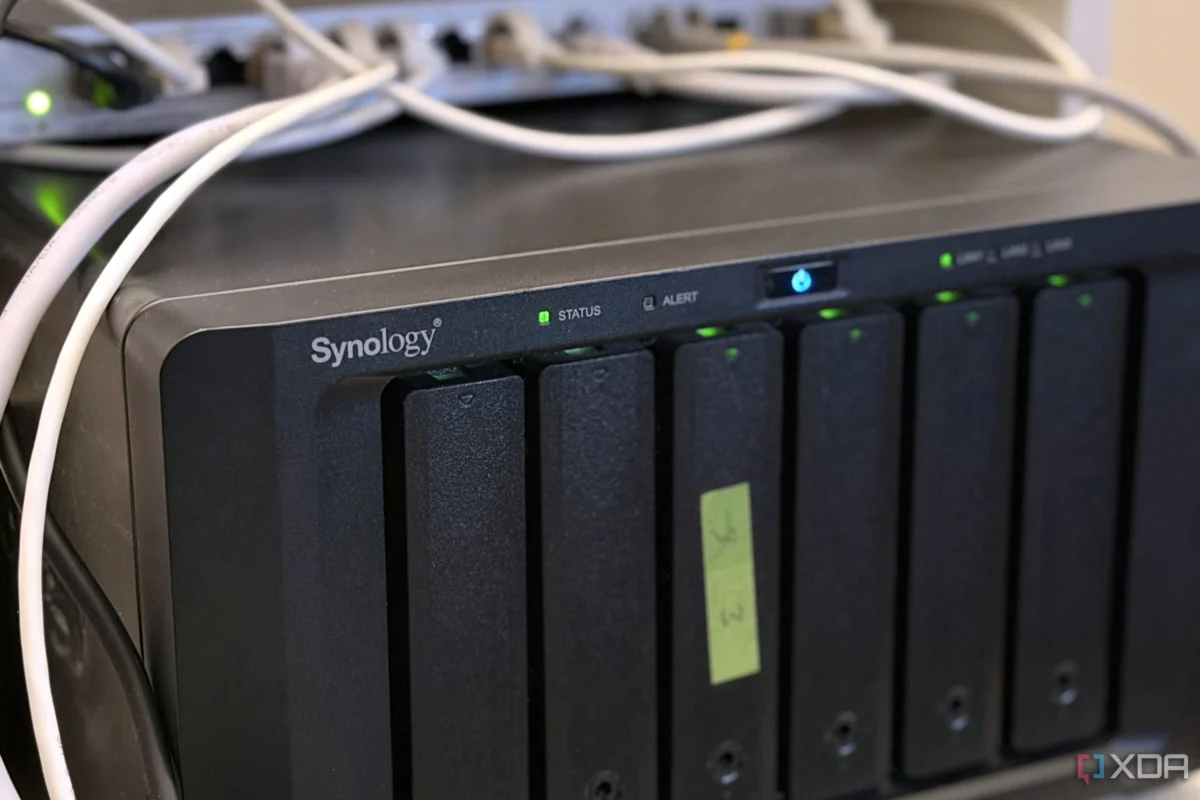
For nearly a decade, Synology was the bedrock of my home lab. As a technology enthusiast who has owned three, perhaps four, distinct DiskStation enclosures over the years, I have lived through the company’s evolution from a niche storage provider to the undisputed consumer king of Network Attached Storage (NAS). However, after years of loyal ownership, I have officially parted ways with the brand.
This decision was not made in a vacuum, nor was it a impulsive reaction to a single software update. It is the result of a fundamental shift in how I manage my home infrastructure—a realization that the "all-in-one" convenience of proprietary NAS devices has become a bottleneck to my growth. While Synology’s software remains the gold standard for ease of use, the company has increasingly moved toward a restrictive, consumer-hostile model that no longer aligns with the needs of a modern, flexible home lab.
The Evolution of a Relationship: A Chronology of Disenchantment
My journey with Synology began with the promise of simplicity. For the average user, a Synology NAS is a "set it and forget it" appliance. You plug in your drives, boot up DiskStation Manager (DSM), and you have a secure, robust file server. For years, this was enough.
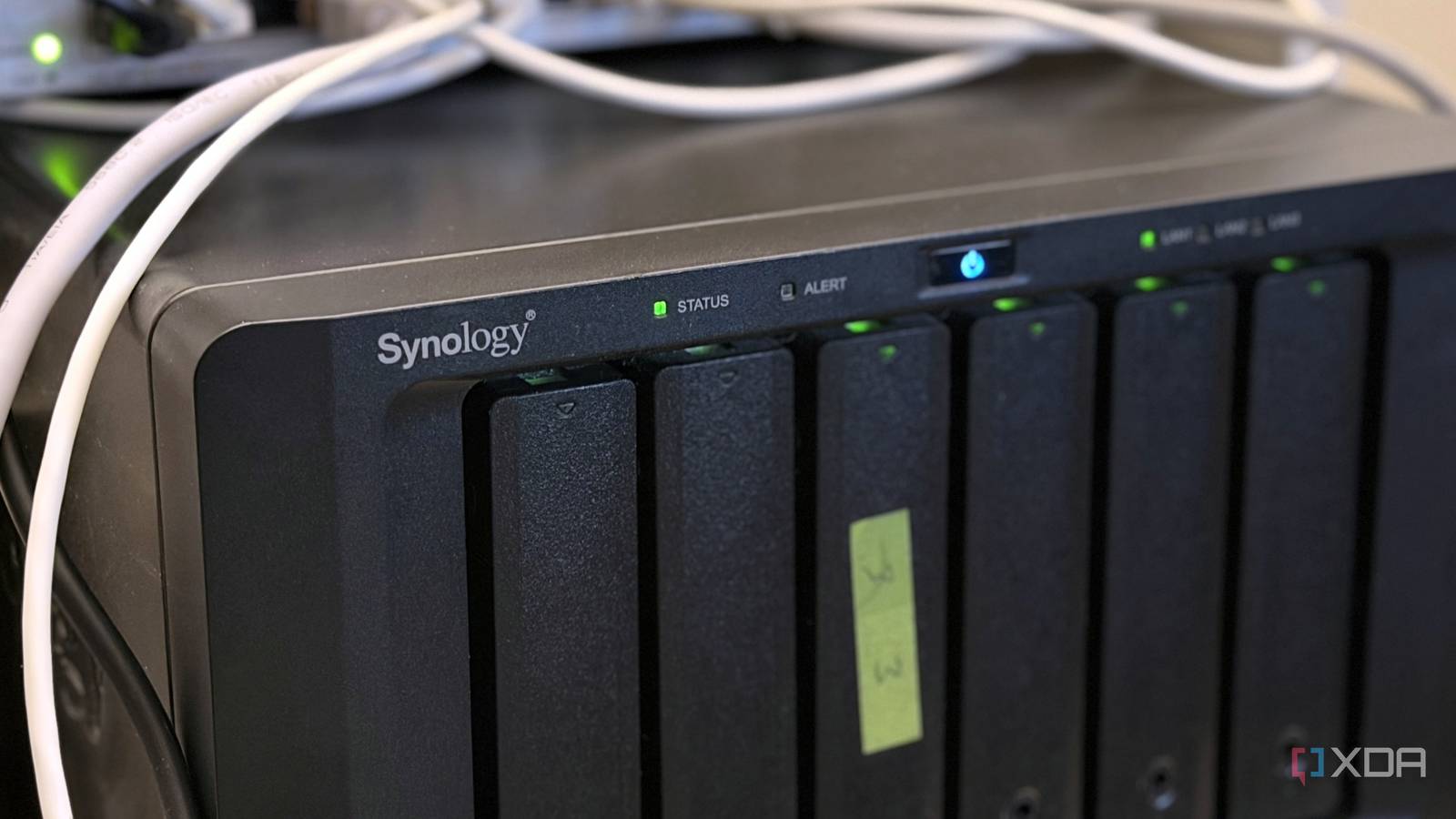
However, the industry landscape shifted. Around 2023 and 2024, the community began to notice a marked change in Synology’s corporate philosophy. The most public flashpoint was the company’s heavy-handed restriction on third-party hard drives. By attempting to force users into buying Synology-branded enterprise drives—which often carried a significant price premium over equivalent hardware from Seagate or Western Digital—the company alienated its most passionate power users.
While the ensuing community backlash forced a partial rollback of these policies, the damage to the brand’s reputation was significant. It signaled that Synology was no longer interested in being an open platform; they were pivoting toward a "walled garden" strategy similar to Apple’s. This change in tone, combined with a persistent stagnation in hardware innovation—such as keeping underpowered CPUs in premium enclosures and limiting PCIe expandability—made it clear that the company was no longer designing for the enthusiast.
The Technical Argument: Separating Compute from Storage
The primary catalyst for my departure is not just corporate policy, but architectural necessity. As my home lab grew, I realized that relying on a single NAS to handle both storage and compute tasks was a design flaw.

When you run a high-performance NAS, you generally want it to do one thing: serve data as fast and as reliably as possible. When you start piling on Docker containers, virtual machines, media servers, and backup automation on the same hardware, you invite performance degradation. Even with a high-end, Xeon-powered Synology unit and a 10GbE network connection, the proprietary operating system often struggled to balance these competing resource demands.
By "decoupling" my infrastructure, I have moved to a model where a dedicated storage server handles the file system, while a separate, specialized compute node handles the services. This separation allows for granular control over hardware. If I need more CPU power for a specific task, I upgrade the compute server. If I need more storage capacity, I expand the storage pool without worrying about whether the new hardware is "blessed" by the manufacturer.
Building the Future: The DIY NAS Advantage
The move to a custom-built NAS was not about saving money—in fact, building a server to my specifications required a significant upfront investment. It was about freedom.
Hardware Flexibility and Scalability
My new setup revolves around a server chassis capable of housing 12 hard drives, connected via a robust backplane. Unlike a proprietary enclosure, where the chassis dictates the limitations, I now have the flexibility to select my own motherboard, HBA (Host Bus Adapter), and NICs (Network Interface Cards).
I opted for Mellanox ConnectX-4 network cards, which are industry-standard, reliable, and capable of handling 25GbE throughput. This provides me with massive headroom for internal data transfers and ensures that my network remains uncongested even under heavy load.
The Power of ZFS
The most significant upgrade, however, was moving to ZFS (Zettabyte File System). Synology’s proprietary RAID implementation (SHR) is convenient, but it locks you into their ecosystem. ZFS offers a level of data integrity—through copy-on-write, snapshots, and self-healing features—that is unrivaled in the consumer space.
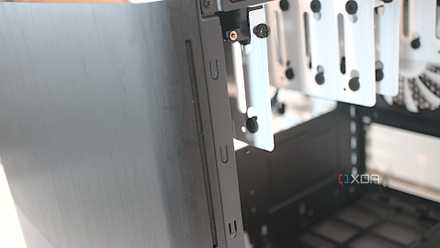
Perhaps most importantly, ZFS allows for flexible storage pool expansion. In the past, if I wanted to expand a Synology volume, I was often forced to buy expensive, high-capacity drives to match existing arrays. With ZFS, I can create groups of smaller, more affordable hard drives and integrate them into my storage pool as needed, waiting for market prices to drop before committing to larger capacity upgrades.
Official Stances and Industry Implications
Synology has maintained that its restrictive hardware policies are designed to ensure system stability and provide a consistent "guaranteed" experience for enterprise clients. From a business perspective, one can understand the desire to control the entire stack to reduce support tickets. However, in the home-lab and enthusiast market, this approach backfires.
The implication for the industry is clear: the "NAS Appliance" market is bifurcating. On one side, you have the "Appliance" crowd, who want the simplicity of an iPad-like experience for their data. For these users, Synology remains the market leader. On the other side, you have the "Server" crowd, who have realized that they are being charged a premium for hardware that they can technically outperform with a DIY build.
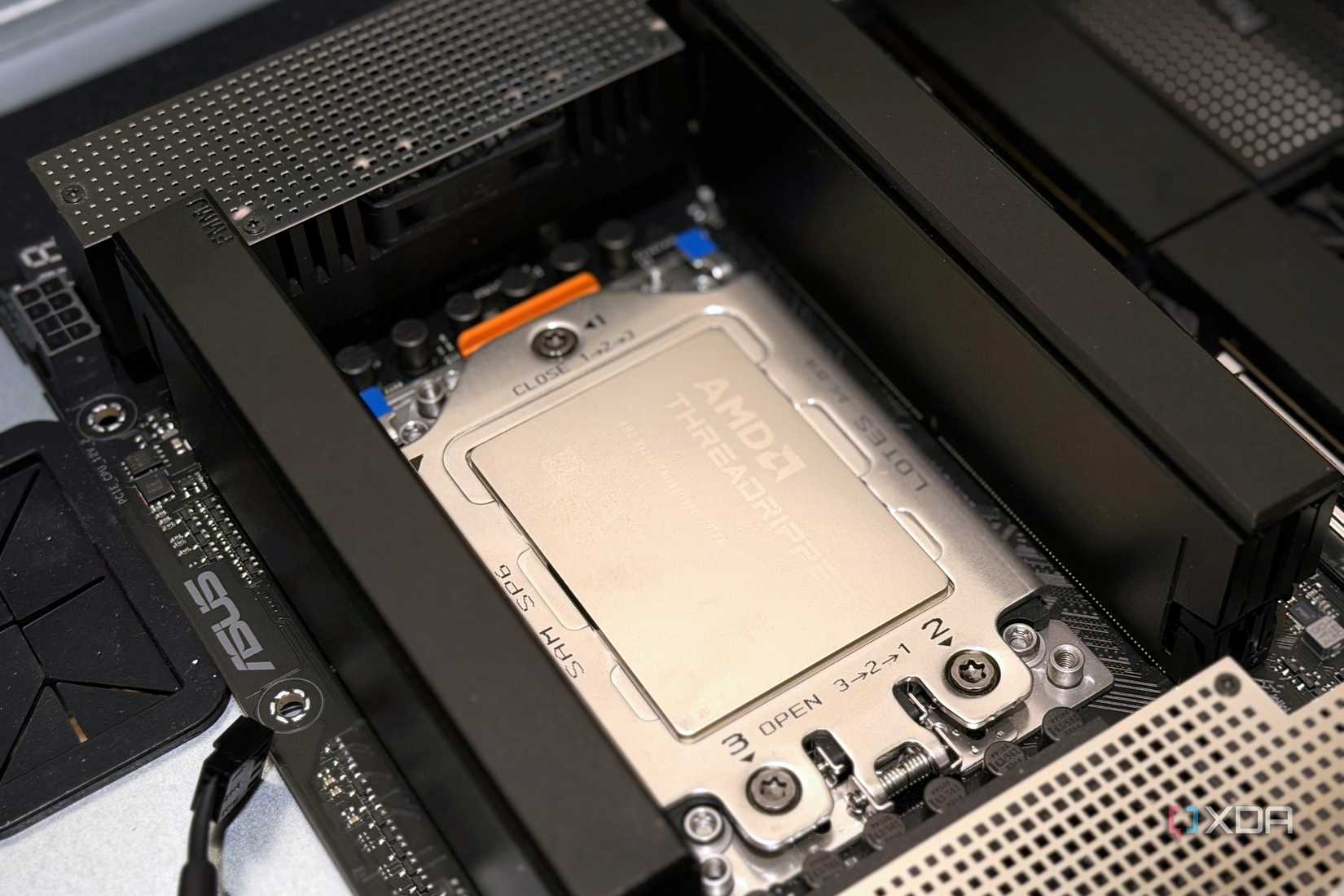
As more users transition toward virtualization and high-speed home networking, the limitations of proprietary enclosures become glaringly obvious. When the hardware cannot keep pace with the user’s ambitions, the user inevitably leaves.
Summary: Is It Time for You to Leave?
If you are a casual user who needs a place to dump photos and run a Plex server, Synology is still a fantastic choice. The software ecosystem is polished, the mobile apps are intuitive, and the barrier to entry is low.
However, if you find yourself hitting the "Synology wall"—where you are frustrated by the lack of CPU power, the artificial hardware locks, or the inability to run your preferred operating system—it is time to start planning your exit.
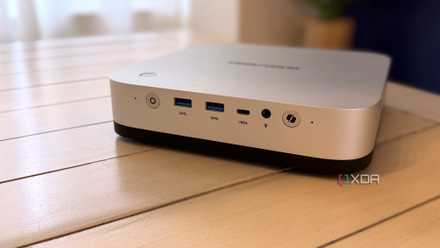
Building your own NAS is a rite of passage for the modern technologist. It requires a deeper understanding of hardware, networking, and software, but the reward is a system that works for you, rather than a system you are forced to work around. My decade-long relationship with Synology has ended, but in its place is a home lab that is finally, truly mine. The shift from "enclosure owner" to "server administrator" has been the single best upgrade I have made to my home office in years.


 Jia Lissa
 Asro
Asro