Dwi Wanna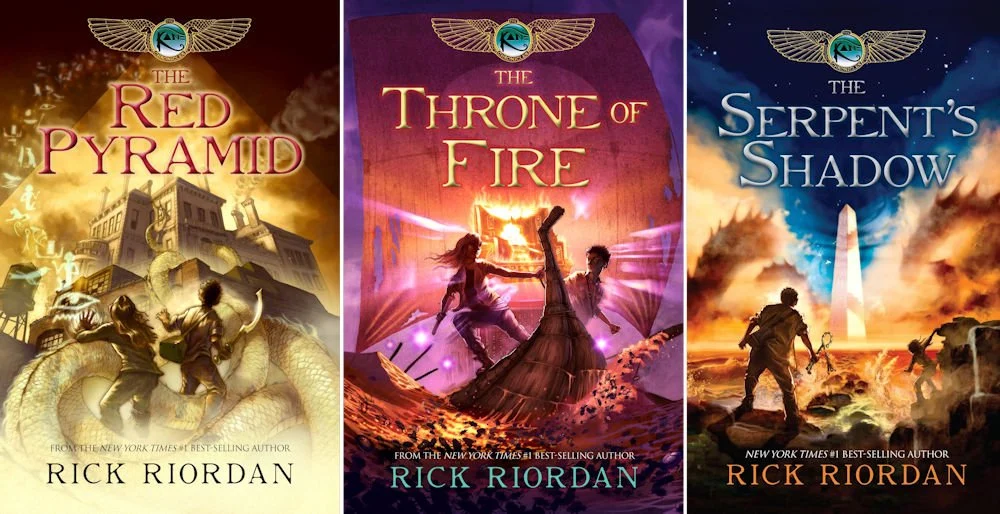
In the landscape of modern literature, few tropes have been as pervasive—or as polarizing—as the "Chosen One" archetype. For decades, the narrative of a magically gifted orphan discovering their destiny at a secluded boarding school, only to face an ancient, prophesied evil with a band of loyal friends, served as the bedrock for children’s and Young Adult (YA) fantasy. However, as the demographics of readers shift and critical perspectives on storytelling evolve, many audiences are seeking alternatives that move away from these rigid structures.
Whether you are a parent looking to introduce a child to the wonders of speculative fiction or a seasoned reader seeking a nostalgic, accessible palate cleanser between dense adult fantasy novels, the genre is currently experiencing a renaissance. The following exploration serves as a guide to series that satisfy the craving for high-stakes adventure while offering modern, inclusive, and nuanced alternatives to the "ye olde" classics of our collective childhood.

The Evolution of Fantasy: Why Readers are Looking for Alternatives
The desire for "something new" in the fantasy genre is not merely a rejection of the past; it is an expansion of the imagination. Modern readers increasingly prioritize diverse representation, complex morality, and settings that move beyond the Eurocentric "magical boarding school" model.
The "magical orphan" trope, while foundational, often relies on static world-building. Today’s audiences are gravitating toward stories that emphasize found family, coming-of-age transitions, and the navigation of dual identities. By moving away from the "prophecy as destiny" framework, contemporary authors are instead highlighting the power of individual choice and systemic change.
A Chronological Perspective on Modern Classics
The history of children’s fantasy is a long, winding road. While many of us grew up with the same three or four household names, the timeline of the genre actually includes a vast array of voices that have been quietly building empires of their own.
- The Foundational Era (1960s–1980s): The groundwork was laid by authors like Lloyd Alexander, whose Chronicles of Prydain introduced complex, myth-inspired worlds that treated young readers with the gravity they deserved.
- The Expansion Era (1990s–2010s): This period saw the rise of epic series that bridged the gap between children’s literature and high fantasy. Works like Philip Pullman’s His Dark Materials and Christopher Paolini’s Inheritance Cycle dared to tackle institutional corruption and the moral weight of power.
- The Modern Inclusive Era (2020–Present): Today, we see an explosion of diverse voices. From Moniquill Blackgoose’s exploration of indigenous culture to the continued innovation of foundations like "Rick Riordan Presents," the genre is finally reflecting the diverse reality of its readership.
Curated Recommendations: Filling the "Magical Gap"
To help you navigate this transition, we have compiled a list of series that capture the "magic" of childhood reads while subverting the tropes that have grown stale. Key shared elements—such as coming-of-age themes, prophecy-driven plots, and the struggle between good and evil—are highlighted to help you find your next favorite story.
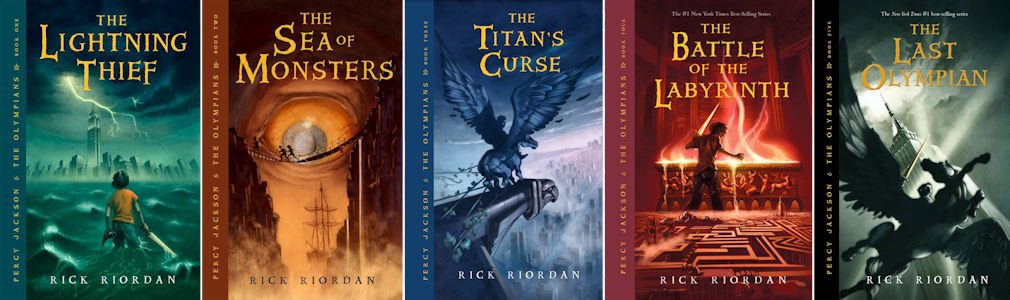
1. Percy Jackson and the Olympians by Rick Riordan
Perhaps the definitive boy coming-of-age series, Riordan’s work redefined the genre for a new generation. By grounding Greek mythology in the modern world, Percy Jackson feels both ancient and immediate. Percy’s struggle with being torn between two worlds—the mortal world of his school and the divine, high-stakes realm of Camp Half-Blood—resonates deeply with readers. Furthermore, the series offers groundbreaking representation for children with ADHD and dyslexia, framing these "disabilities" as survival traits, providing a empowering narrative for neurodivergent youth.
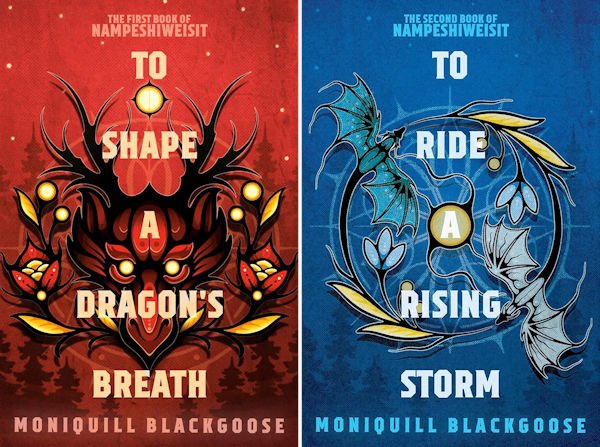
2. Nampeshiweisit Series by Moniquill Blackgoose
This ongoing series is essential reading. It follows Anequs, an indigenous girl who discovers a dragon egg, forcing her into a school designed to enforce conformity. The series is a powerful voice against the prejudice inherent in colonialist power structures. Beyond the fantasy elements, Blackgoose addresses autism spectrum disorder and LGBT relationships with a raw, honest grace that makes it one of the most vital series currently in print.
3. The Kane Chronicles by Rick Riordan
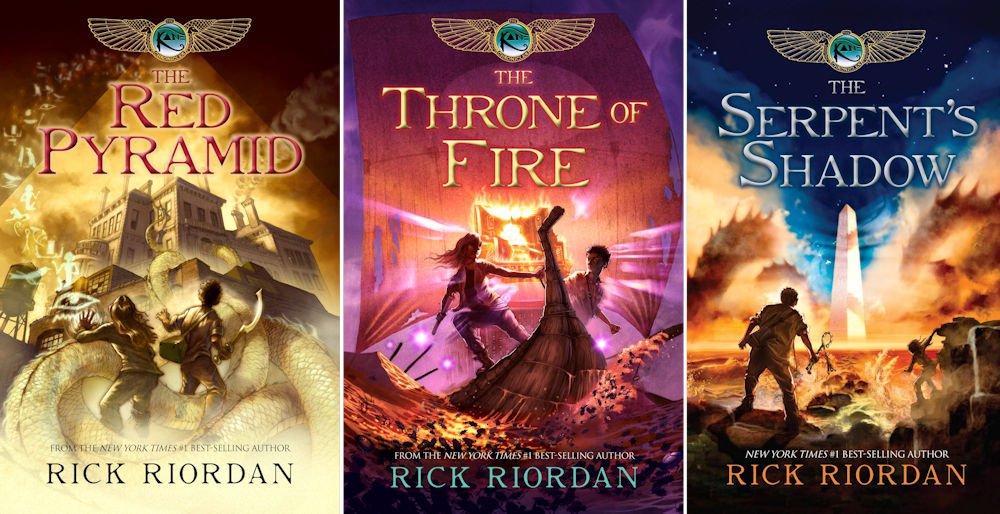
A masterclass in split-POV storytelling, this series explores the aftermath of becoming orphans. Carter and Sadie Kane are thrust into a war against the evils of ancient Egyptian chaos, all while navigating the complexities of their own dual heritage. It is a poignant look at grief, the resilience of siblings, and the challenge of establishing a new, safe space for the next generation of magic-users.
4. The Inheritance Cycle by Christopher Paolini
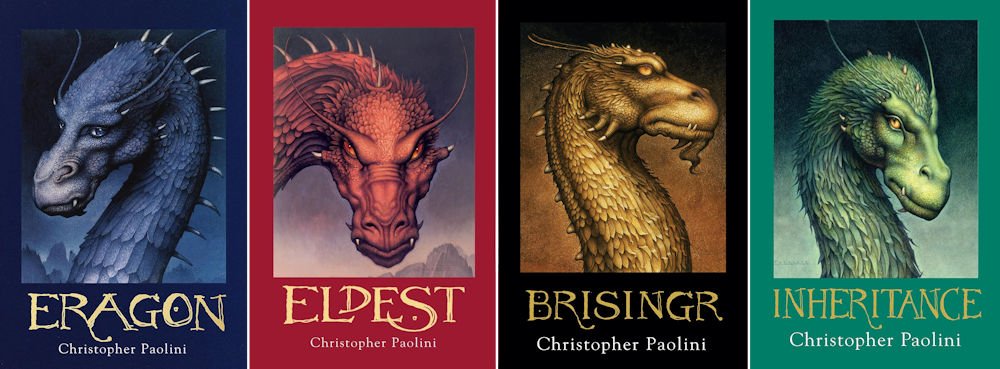
For readers ready to graduate to more mature, expansive worlds, Eragon remains a titan of the genre. As a true coming-of-age saga, it tackles the burden of leadership and the weight of legacy. While it features classic elements like the war between good and evil, the political depth and the sheer scale of Alagaesia provide a bridge for readers who are not yet ready for adult grimdark but have outgrown simplistic children’s tales.
5. His Dark Materials by Philip Pullman
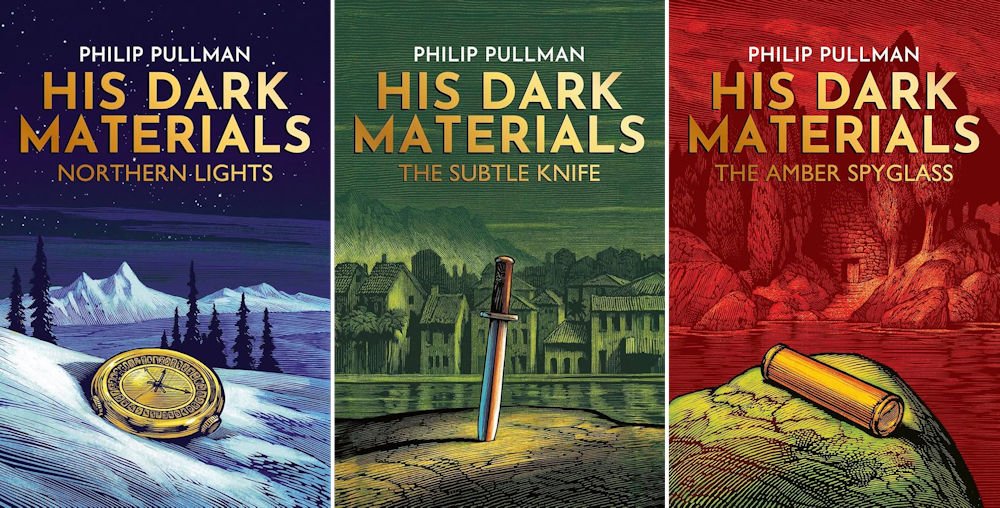
This trilogy is a mandatory read for any "rebellious wild child." Pullman’s work is less about a school and more about the struggle against institutionalized, abusive authority. Lyra Belacqua’s journey across universes to uncover the truth about "Dust" is a brilliant exploration of philosophical inquiry. It encourages readers to question everything, making it a perfect antidote to the "blindly follow the prophecy" trope.
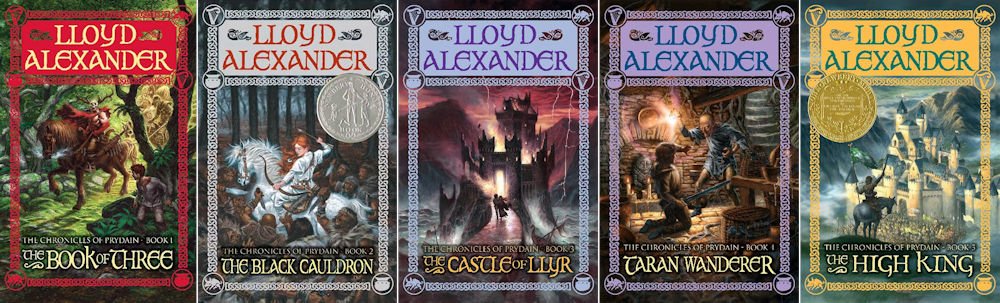
6. The Chronicles of Prydain by Lloyd Alexander
Often cited as the spiritual precursor to modern epic fantasy, this series follows the orphan boy Taran. Despite being a classic, it remains remarkably fresh. Its focus on fighting against evil forces while maintaining a grounded, humble perspective makes it an enduring masterpiece of the genre.
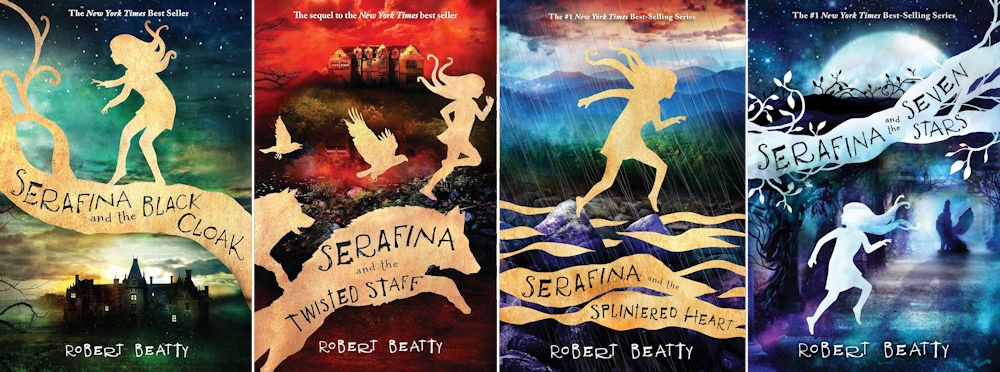
7. Serafina Series by Robert Beatty
Supported by the Rick Riordan Presents foundation, this series provides a atmospheric, historical-fantasy hybrid. Serafina, a girl living in the shadows of the Biltmore estate, embodies the theme of found family. It is a gripping tale of self-discovery and the importance of "staying bold" when faced with the darkness of the world.
8. Underlander Chronicles by Suzanne Collins
Before The Hunger Games, Collins wrote this masterful series about a boy named Gregor who falls into a subterranean world. The series is a masterclass in social commentary, forcing young readers to grapple with class structure and systemic prejudice, all while maintaining the excitement of a high-stakes adventure.
9. Guardians of Ga’Hoole by Kathryn Lasky
For readers who prefer animal-centric narratives, this series is unmatched. It serves as a brilliant historical allegory, exploring themes of war, fascism, and the importance of truth-telling. It proves that complex political themes can be conveyed through the eyes of owls, making it a fantastic tool for history-minded young readers.
10. Renegades and Warriors by Erin Hunter
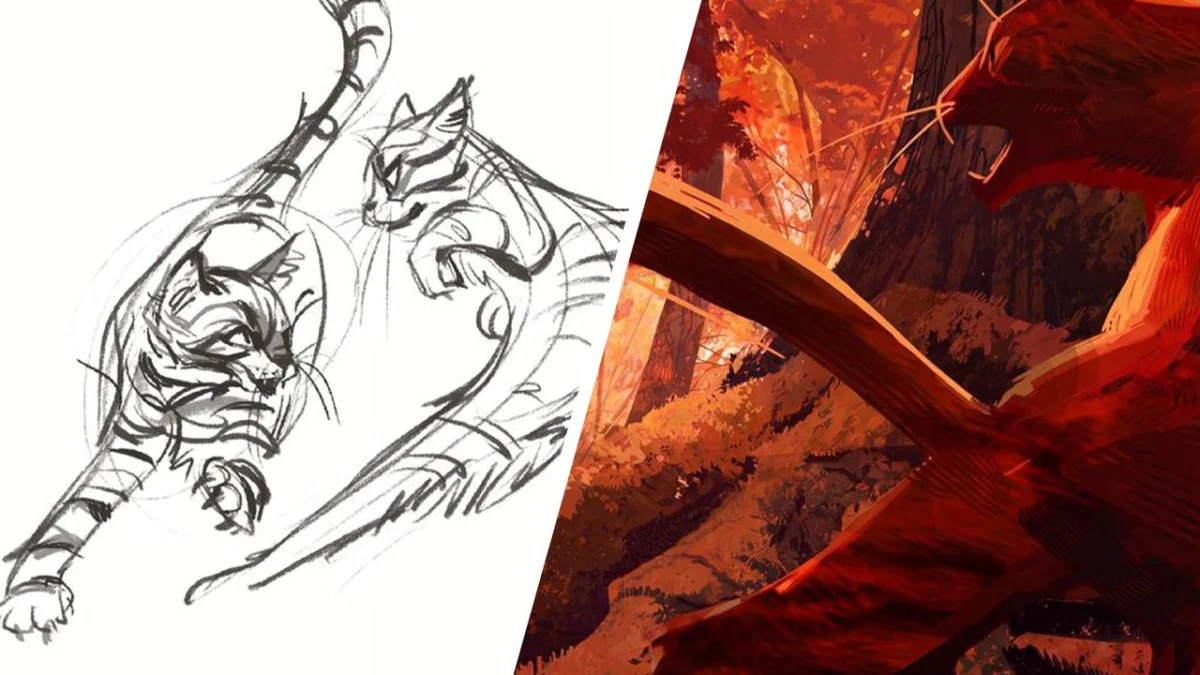
Erin Hunter’s contributions to the genre are legendary. Renegades brings a fresh, modern energy to the "prophecy" concept, while Warriors remains the gold standard for long-form, multi-generational storytelling. These series excel at depicting the internal conflict of feeling torn between two worlds—the comfort of the familiar and the call of the wild.
Implications for Future Literacy
The shift in children’s fantasy literature has significant implications for how we educate and inspire young minds. By moving away from singular, predestined heroes and toward collective struggle and diverse experience, we are teaching children that:
- Identity is complex: No one belongs to just one world.
- Authority should be questioned: The "Masters" of the school are not always right.
- Representation matters: Every child, regardless of neurodivergence, culture, or background, deserves to see themselves as the protagonist of their own story.
As these series continue to evolve, they serve as a testament to the fact that fantasy is not merely an escape—it is a training ground for empathy, critical thinking, and social awareness. Whether you are revisiting these worlds as an adult or opening them for the first time with a young reader, there is an endless, vibrant horizon of stories waiting to be discovered. The "Chosen One" might have started the conversation, but these series are defining the future.

 Nila Kartika Wati
 Siti Muinah