Nana
Nana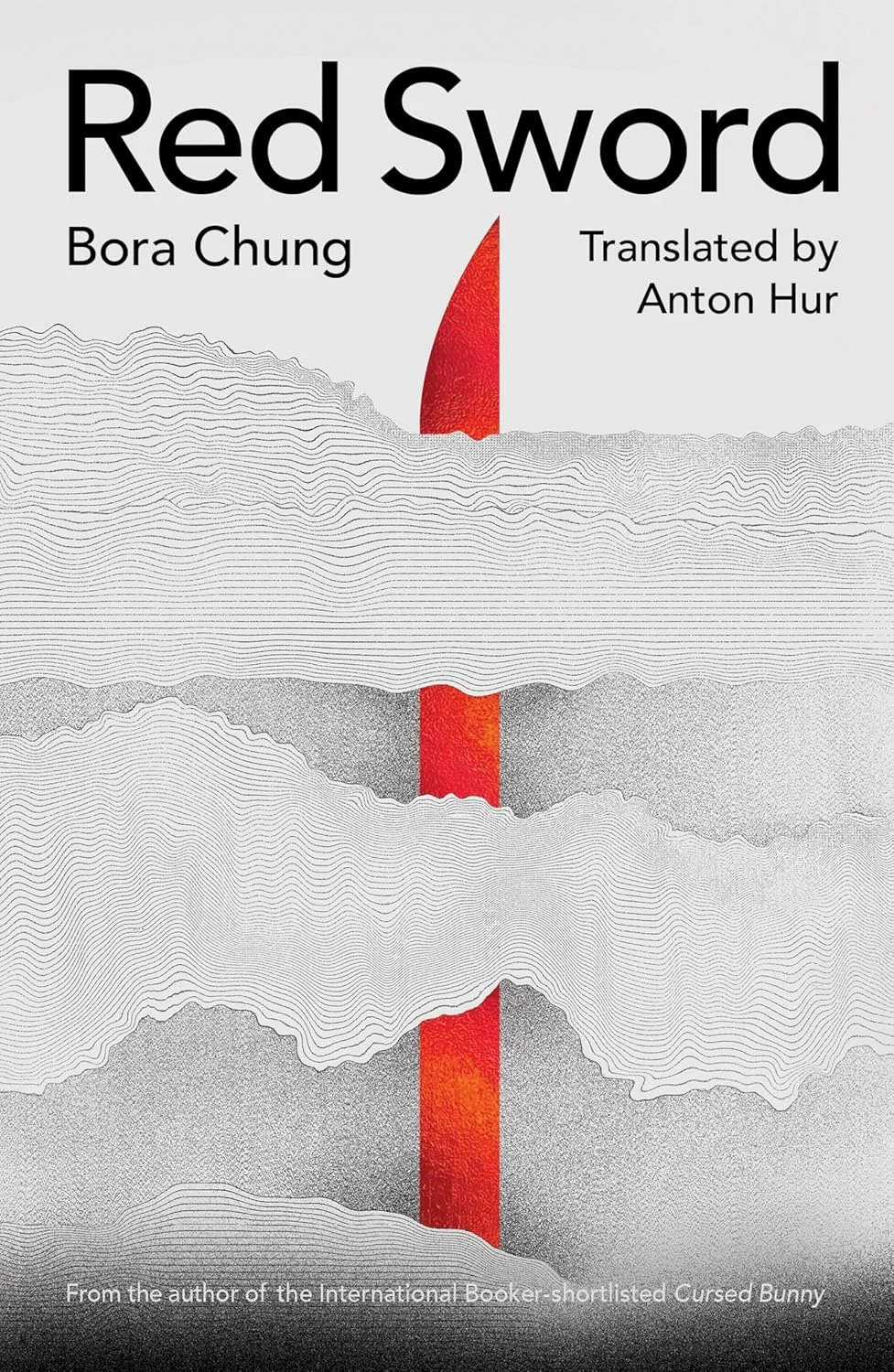
In the landscape of contemporary speculative fiction, few authors manage to balance the brutal, visceral reality of conflict with the ethereal nature of existential dread as effectively as Bora Chung. With the English translation of her latest novel, Red Sword—expertly rendered by Anton Hur—Chung invites readers into a disorienting, stark, and deeply emotional odyssey. It is a story that defies the traditional conventions of world-building, choosing instead to prioritize the psychological interiority of a protagonist trapped in a cycle of endless, forced combat.
For those who demand a clear map of their fictional universes before turning the first page, Red Sword may initially feel alienating. Yet, for the reader willing to embrace the void, it offers a profound reflection on the nature of imperialism, the resilience of the human spirit, and the enduring, often tragic, pursuit of freedom.
The Architecture of the Unknown: A Narrative Overview
Red Sword begins not with an exposition of political tensions or galactic history, but with a sudden, suffocating intimacy. The reader is thrust into the perspective of an unnamed woman—a prisoner of the "Imperials"—who finds herself on a desolate, monochromatic planet. Alongside a male companion, she navigates a world defined by a pervasive white fog, a white sky, and a landscape that renders distance and direction meaningless.
The narrative pace is relentless. The man, described as young and beautiful, is violently dispatched by the "white monsters"—enigmatic entities who bleed white and utilize white weaponry. The protagonist, however, survives. She is a warrior, armed not with the cold, sterile guns of the Imperials, but with a "sleek velvet scabbard" adorned with mirrors and charms—a relic of a life she barely remembers, which her captors dismiss as non-threatening.
Chronology of the Struggle
The novel is structured around a grueling, recursive cycle. The protagonist, who adopts the mantle of "Red Sword," is caught in a perpetual loop:
- The Deployment: Forced by the Imperials to fight the white monsters on the planet’s surface.
- The Betrayal: Upon surviving, she is often imprisoned by the very people for whom she fights, only to be sent back out when the next threat emerges.
- The Alliance: She finds solidarity with other prisoners, specifically women designated by their attire—"Indigo Skirt" and "Light Green Skirt"—who serve as both tactical partners and reminders of the human dignity stripped away by their captors.
- The Awakening: Through the character of Isfobeddin, an enigmatic figure who moves freely between the prisoners’ cells and the Imperial quarters, the protagonist begins to piece together the terrifying truth: that this war is not merely a conquest of land, but an existential trap.
Symbolic Resistance: Overturning Gender and Power
One of the most striking aspects of Chung’s prose is her use of color to define both character and defiance. While the world is bleached of vibrancy, the women in the story carry the colors of their pasts into the fray. The naming of the characters by their skirts—Indigo, Light Green—is far from a mere aesthetic choice; it is a scathing commentary on the expectations of gender roles in the theatre of war.
In one of the novel’s most poignant exchanges, the male combatants express frustration at the women’s choice of attire. The retort from "Light Green Skirt" is a chilling summation of the patriarchal history of conflict: "You men were supposed to do the war, and we’re supposed to open our legs to you and die later."
By having the female prisoners utilize their vibrant skirts as flags to rescue their comrades from the white monsters, Chung reclaims the symbol of their oppression, turning it into a tool of salvation. This is the heart of the novel: the inversion of the "damsel" trope, where women are not the casualties of the war, but the primary agents of survival.
Supporting Data: Historical Resonances
While Red Sword is a work of science fiction, its roots are deeply embedded in the soil of real-world history. The official blurb notes that Chung drew inspiration from the history of Korean soldiers who fought and died in wars on behalf of the Qing Dynasty, often with little to no stake in the outcome.
For many readers, particularly those from post-colonial backgrounds, the narrative resonates with the experience of soldiers from the Indian subcontinent who fought in the World Wars for the British Empire. The promise of independence—the "seductive word" of freedom—is the carrot held out to the protagonist.
The parallels are clear:
- The Imperial Lie: The Imperials, like colonial powers throughout history, view the planet’s water resources as a prize to be seized, regardless of the cost to the "foot soldiers" they use to clear the path.
- The Cycle of Rebirth: The unsettling revelation that the characters may be "already dead" serves as a metaphor for the way colonial warfare consumes the soul long before it consumes the body.
- The Cost of Progress: Chung questions whether the human drive for scientific advancement and colonization is inherently linked to a moral void.
The Void of World-Building: A Stylistic Choice
Critics of the genre often demand "hard" sci-fi—books where the physics are explained and the history is dense. Chung deliberately eschews this. By refusing to provide the reader with a guidebook, she forces us to inhabit the same headspace as the protagonist. We are as confused as she is; we feel the same desperation for context.
Anton Hur’s translation maintains an austere, surgical precision. There is no flowery padding to hide the horror of the events. When Chung describes giant black-red birds with "blood-crimson" wings or "floating half-spheres" that consume the fog, the imagery is so stark that it lingers in the mind like a waking dream.
The novel’s sparseness acts as a mirror to the protagonist’s own fractured memory. How much of her history is real? How many times has she died and been resurrected? As she moves through the white landscape, she is not just fighting the monsters; she is fighting the erosion of her own identity.
Implications: The Futility of the Machine
The ultimate implication of Red Sword is the futility of the colonial project. The Imperials are obsessed with control, yet they fail to realize that they are trapped in a system that defies their understanding of life and death. The protagonist’s journey toward the realization that "we’re all dead" is a profound indictment of the logic of war.
If death is a temporary state, then the threats used by the Imperials to ensure obedience lose their weight. The only thing left—the only thing that truly matters—is the connection between the prisoners. Love, in Red Sword, is the only revolutionary act. It is the one thing the Imperials cannot quantify, regulate, or weaponize.
Final Thoughts
Bora Chung has crafted a novel that is as challenging as it is rewarding. It is a visually spectacular work that demands the reader’s full attention, not to keep track of plot points, but to absorb the atmospheric weight of its themes. Red Sword asks us to consider what we would trade for freedom, and what remains of us when the world around us is stripped of everything but the struggle to exist.
As the protagonist searches for a place to belong, the reader is left with a haunting question: In a world built on the bones of those who were promised freedom, can anyone ever truly be free? Red Sword does not provide an easy answer, but it offers a vision that is impossible to look away from. It is a significant contribution to global literature, and a testament to the power of stories that prioritize the human heart over the cold mechanics of empire.


 Nila Kartika Wati
 Siti Muinah