Lina Hope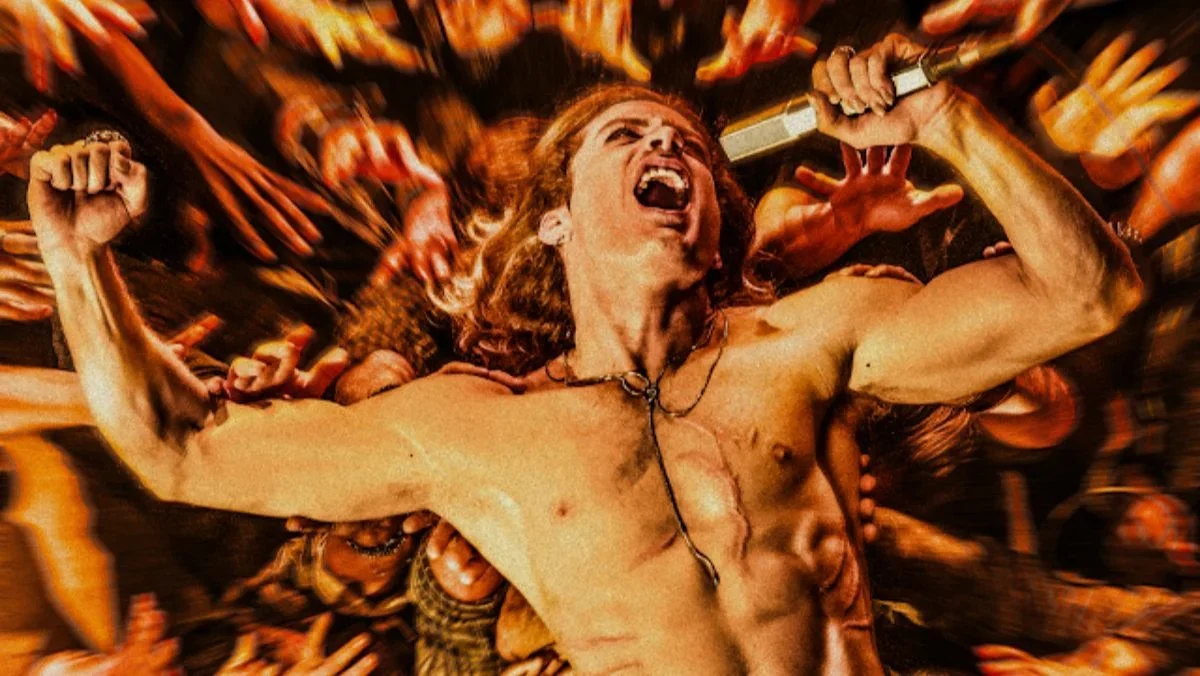
The world of Anne Rice’s The Vampire Chronicles has long been defined by secrecy, isolation, and the agonizing solitude of the immortal condition. However, as AMC’s television adaptation of the legendary gothic saga progresses into the highly anticipated The Vampire Lestat, a new, disruptive phenomenon has emerged: "The Great Conversion."
Mentioned in passing throughout the first two seasons of Interview with the Vampire and now positioned as a central narrative driver in the current season, the Great Conversion represents a fundamental departure from the source material. Unlike the novels, where the vampire population remains largely stagnant and shrouded in mystery, the show introduces a deliberate, aggressive expansion of the supernatural population. But what is this movement, and why is it currently destabilizing the delicate power dynamics of the undead world?
The Genesis of the Great Conversion: Main Facts
At its core, the Great Conversion is an unprecedented, rapid surge in the global vampire population. Unlike the sporadic, often accidental turning of humans seen in previous centuries, the Great Conversion is characterized by a seemingly organized, widespread effort to initiate new vampires.
In the television universe, this phenomenon is not merely a byproduct of individual vanity or necessity; it is being treated as a cultural and societal shift within the vampire community. As the series moves into the era of Lestat’s rise to fame, the Conversion serves as the dark shadow cast by his electric stardom. While the books focus on the internal psychological journeys of characters like Louis and Lestat, the show is pivoting toward a geopolitical exploration of how a clandestine society reacts when its numbers—and its profile—explode exponentially.
A Chronological Breakdown: From Rumor to Reality
To understand the gravity of the situation, one must look at how the concept has permeated the narrative timeline.

The Initial Whispers (Season One)
The first indication of this shift arrived in the second episode of Interview with the Vampire. During his long-form interrogation by journalist Daniel Molloy, Louis de Point du Lac provided the first hint of the movement. When challenged about whether vampires had moved past their base, primal instincts, Louis offered a chilling rebuttal. He described a global landscape where vampires, exhausted by the necessity of hiding and emboldened by the chaos of a post-pandemic world, were becoming "giddy to increase their numbers." Louis explicitly mentioned that a "brute in Madagascar" had coined the term "The Great Conversion," suggesting that the movement originated from the fringes of the vampire world before gaining traction among the disillusioned.
The Talamasca’s Statistical Warning (Season Two)
The threat moved from anecdotal to empirical in the third episode of the second season, thanks to the intervention of the Talamasca, the mysterious organization tasked with monitoring the supernatural. Agent Raglan James, a character with deep ties to the secret history of the undead, provided a terrifying metric: the number of tracked vampires had nearly doubled in a single month—jumping from 900 to 1,600. This spike suggests that the "Great Conversion" is not a spontaneous occurrence, but an active, systematic program of recruitment.
The Rise of the Rockstar (The Vampire Lestat)
As the narrative shifts to the rock-and-roll era of The Vampire Lestat, the movement has become impossible to ignore. In the premiere, the voices of other vampires—drawn to Lestat’s music—are heard openly advocating for the "Great Conversion." By the second episode, the intent becomes clear: when Gabriella remarks that a potential recruit has a "predatory spirit" and is a "good candidate for the Great Conversion," it confirms that the movement is actively hunting for human subjects to bolster their ranks.
Supporting Data: Why Now?
The expansion of the vampire population is intrinsically linked to the changing nature of the modern world. Louis points to the "unraveling of geopolitical foundations" as a catalyst. In an age of drone warfare, systemic poverty, and widespread alienation, the promise of immortality—or at least an escape from a broken reality—has become a potent recruiting tool.
Louis’s defense of the movement is particularly telling. When Daniel expresses disbelief that anyone would willingly choose the vampire life, Louis scoffs, pointing to the meth-addicted son of a coal miner or a displaced youth as prime candidates for such a transformation. This implies that the Great Conversion is exploiting human despair. It is not just a quest for power; it is an opportunistic feeding frenzy on the broken.

Official Perspectives and Implications
The implications of the Great Conversion are vast and potentially catastrophic. If the vampire population continues to double at this rate, the "Masquerade"—the fragile wall between the supernatural and human worlds—will inevitably collapse.
The Lestat Factor
The synopsis for The Vampire Lestat explicitly links the protagonist’s growing influence to this surge in population. As Lestat takes the stage, his music serves as a siren song. Could his lyrics, which candidly reveal the truths of vampire existence, be the engine driving the Great Conversion? By romanticizing the vampire condition on a global stage, Lestat is essentially branding the afterlife for the masses. Whether this is an intentional act of rebellion against his elders or a reckless byproduct of his narcissism remains the central mystery of the season.
The Threat to the Ancient Order
In the original novels, the awakening of the vampire queen Akasha is the primary existential threat to the species. While the show is taking a different path, the mass conversion of mortals could be the very thing that triggers the ancient powers. The "Queen" does not suffer fools, and a disorganized, rapidly expanding legion of fledgling vampires may prove to be an affront to the established, ancient hierarchy.
The Great Conversion, therefore, represents a fundamental tension: the tension between the old world of ancient, hidden masters and the new world of the internet-age, mass-market vampire.
The Path Forward
As we look toward the remainder of The Vampire Lestat, the stakes have never been higher. The Talamasca is tracking, the vampires are recruiting, and Lestat is singing.

What we are witnessing is the transformation of the vampire from a solitary predator into a potential political force. If the Great Conversion continues, the series may move away from the personal, chamber-drama style of the first season and toward a high-stakes, epic conflict that threatens to reshape the human world entirely.
Is the Great Conversion a legitimate revolution, or is it a doomed crusade that will only lead to the destruction of the vampire race? With the queen’s shadow looming and the numbers climbing, the answers will likely be found in the electric, blood-soaked arenas where Lestat de Lioncourt currently holds court.
The Vampire Lestat airs Sundays at 9 PM ET/PT on AMC and is available for streaming on AMC+. For those interested in the source material, the original novel by Anne Rice provides the foundational lore upon which this new, dark chapter is being built.

 Siti Muinah
 Azzam Bilal Chamdy