

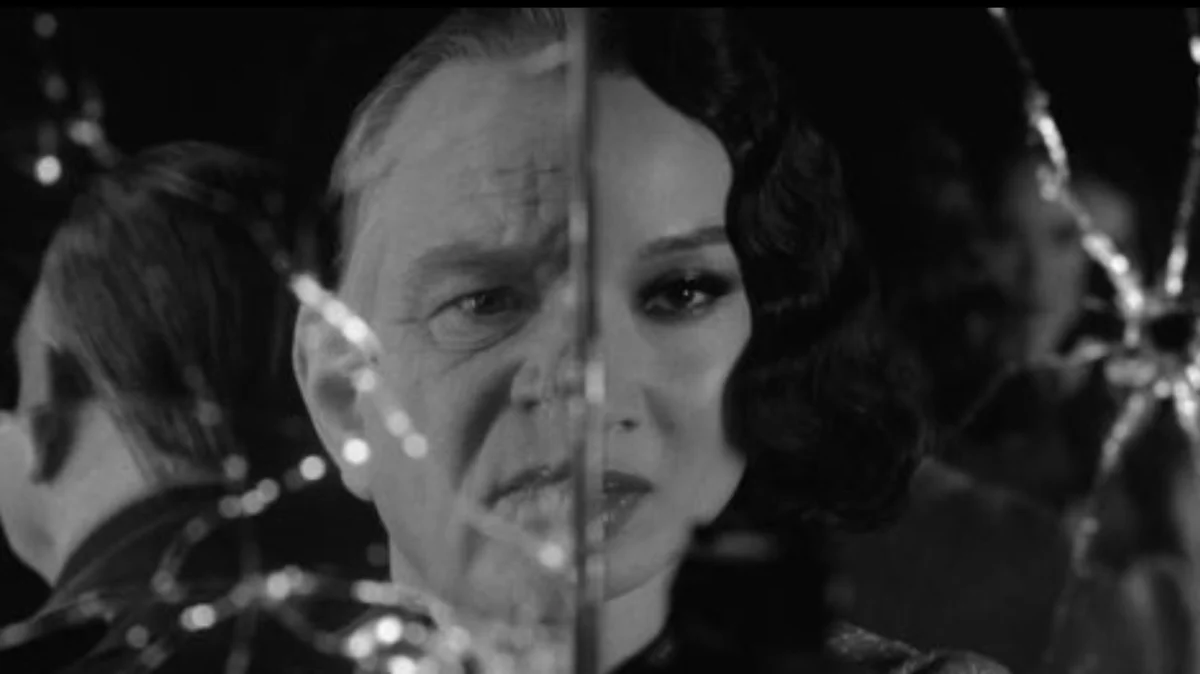
The first season of Spider-Noir has concluded with a flourish that feels less like a comic book adaptation and more like a love letter to the golden age of Hollywood. Throughout its eight-episode run, the series has leaned heavily into the visual and narrative tropes of 1940s detective cinema. However, it was the season finale, "The Man in the Mask," that crystallized these influences, culminating in a climactic showdown that serves as a direct, stylistic homage to one of the most iconic sequences in film history: the hall-of-mirrors finale of Orson Welles’ 1947 noir masterpiece, The Lady from Shanghai.
The Climax: A Study in Shattered Identities
In "The Man in the Mask," the series reaches a boiling point. Felicia "Cat" Hardy, portrayed by Li Jun Li, finally confronts the crime lord Silvermane (Brendan Gleeson). Their history is defined by tragedy; Silvermane was responsible for the murder of Hardy’s fiancé, an act of jealous malice that set her on a path of vengeance throughout the season.
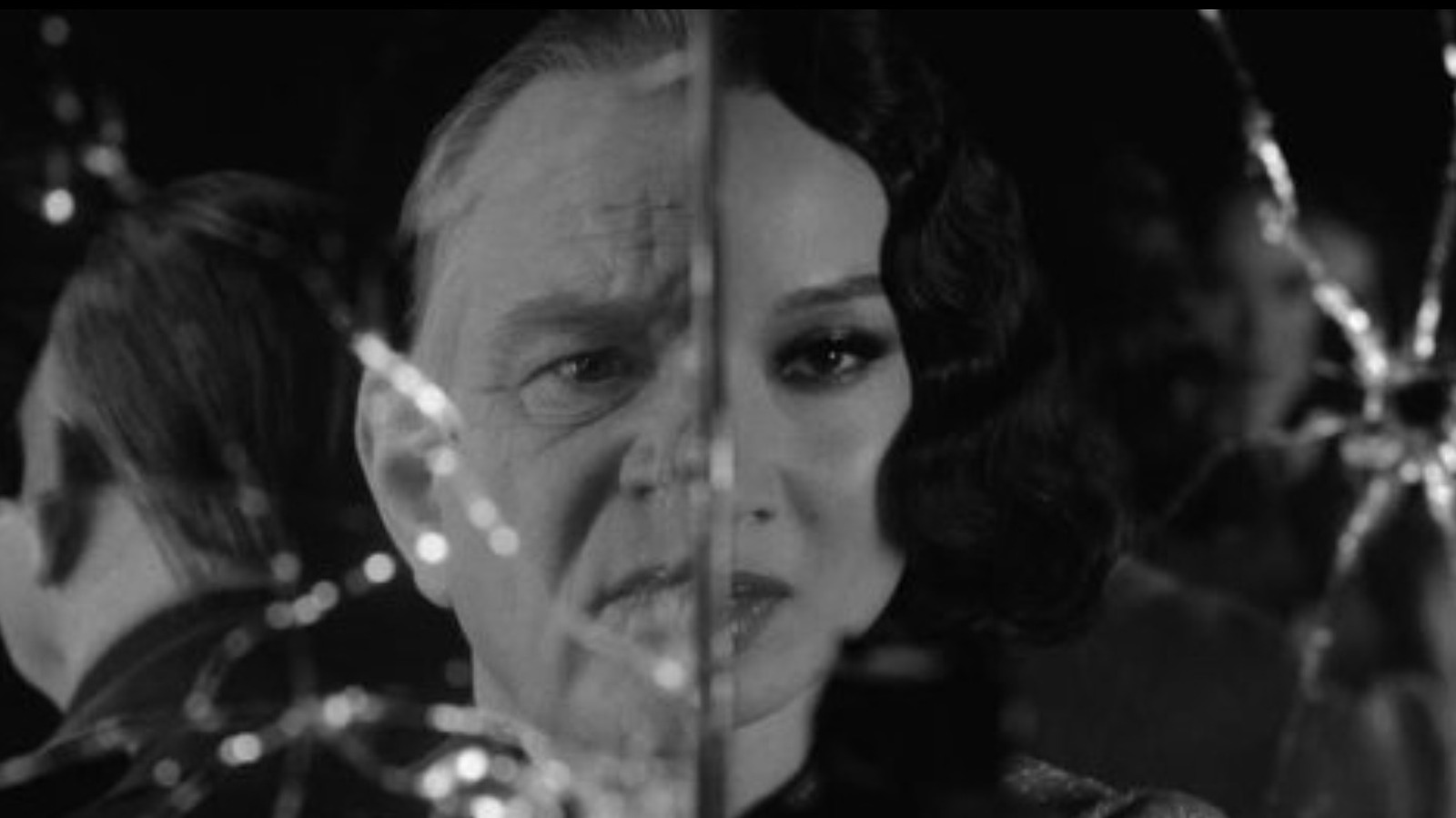
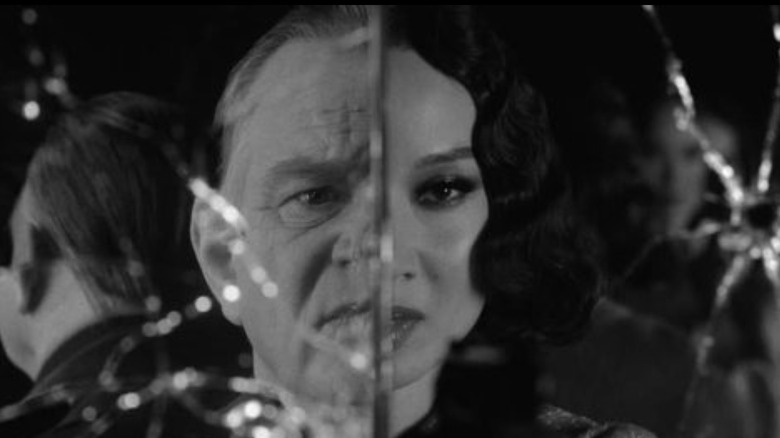
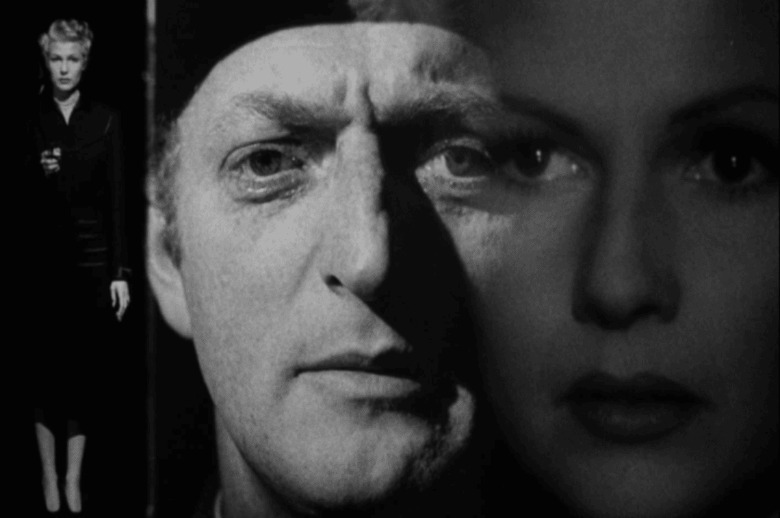
The ensuing confrontation is not a standard-issue action set piece. Rather than a straightforward shootout in an alley or a warehouse, the show’s creators opted for a labyrinthine hall of mirrors. As Hardy and Silvermane circle one another, their images are fractured into dozens of reflected duplicates. The visual chaos makes it nearly impossible for the audience—or the characters—to discern which figure is the authentic combatant and which is merely a trick of the glass. When the gunfire finally erupts, the sequence transforms into a rhythmic, violent ballet of shattering glass, eventually leaving Hardy as the sole survivor.
The sequence is a masterclass in visual storytelling, effectively mirroring the internal fragmentation of the characters. By placing these two figures in an environment where truth is obscured by reflection, the show forces the audience to confront the ambiguity of the "hero’s" journey in a noir setting.
A Historical Chronology of the "Hall of Mirrors"
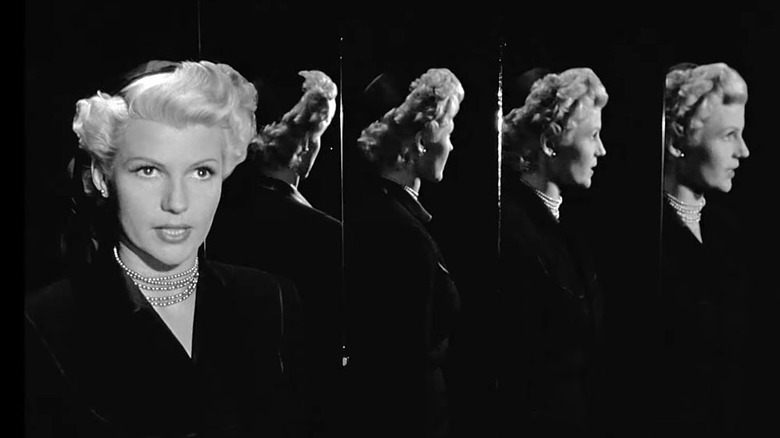
To understand the weight of this tribute, one must look back to the source material. Orson Welles, a director whose shadow looms large over the entire genre of film noir, crafted the original hall-of-mirrors sequence for The Lady from Shanghai.
In that 1947 film, Welles plays Michael O’Hara, a sailor who becomes ensnared in a murderous conspiracy orchestrated by the enigmatic Elsa Bannister (Rita Hayworth) and her husband, Arthur Bannister (Everett Sloane). The film, known for its cynical outlook and labyrinthine plot, concludes in a funhouse hall of mirrors. In this scene, the three primary characters are forced to face their own deceptions, leading to a frantic shootout that destroys the mirrors and, subsequently, the lives of the participants.
Welles utilized then-revolutionary double-exposure techniques to achieve the dizzying effect of multiple, overlapping reflections. He did not simply want the audience to see a mirror; he wanted them to feel the psychological displacement of a man caught between the lies of those he trusted. The Spider-Noir production team has clearly studied this technique, translating the analog genius of 1947 into the high-definition, stylized aesthetic of modern streaming television.
Supporting Data: The DNA of Film Noir in ‘Spider-Noir’
The homage to The Lady from Shanghai is not an isolated incident; it is part of a broader commitment to genre authenticity. The production values of Spider-Noir demonstrate a deep understanding of the source material that defined the era.
- Cast Connections: The casting of Jack Huston—the grandson of John Huston—is a deliberate nod to the industry’s lineage. John Huston directed The Maltese Falcon and Key Largo, two films that essentially codified the "noir" aesthetic. By bringing a member of the Huston dynasty into the fold, the series anchors itself in the literal bloodline of the genre.
- Visual Philosophy: Whether viewed in the show’s intended monochrome or in full color, the cinematography prioritizes high-contrast lighting—chiaroscuro—which is a hallmark of the 1940s. The decision to frame the final showdown in a setting that mimics a funhouse of mirrors is a conscious choice to prioritize thematic resonance over modern, kinetic action tropes.
- Historical Precedents: Welles was, of course, no stranger to the mirror trope. Beyond The Lady from Shanghai, he famously used opposing mirrors in the climax of Citizen Kane to visualize the titular character’s fractured public and private selves. Spider-Noir adopts this philosophy, using the environment to reflect the moral ambiguity of its characters.
Official Perspectives and the "Homage" Debate
The inclusion of such a specific, overt tribute raises an interesting question: What would Orson Welles think of it?
Throughout his life, Welles was famously prickly regarding the state of cinema. During a 1982 public appearance in France, he expressed a visceral distaste for the concept of the "homage," stating, "The most detestable habit in all modern cinema is the homage. I don’t want to see another goddamn homage in anybody’s movie."
However, context is vital. Welles followed that sharp rebuke by acknowledging that one must, in fact, study the great films to create great art. His critique was aimed at creators who use tributes as a substitute for original thought. Spider-Noir appears to navigate this thin line successfully. By integrating the mirror sequence into the specific narrative arc of Cat Hardy and Silvermane—rather than simply recreating it for the sake of nostalgia—the show utilizes the homage as a structural tool to enhance the emotional payoff of its season finale.
The production team at Sony Pictures Television has maintained that the goal was to honor the spirit of the noir genre. By adopting the visual language of the masters, they seek to provide viewers with a sense of continuity, bridging the gap between the pulp comics of the 1930s and the cinematic language of the 1940s.
The Implications: What This Means for the Future of ‘Spider-Noir’
The success of the season finale suggests that the series is not content to simply rest on the laurels of its superhero brand. By grounding its conclusion in the technical and thematic complexity of The Lady from Shanghai, Spider-Noir has signaled that it intends to operate at a higher intellectual tier than its contemporaries.
1. Narrative Sophistication: The use of the hall-of-mirrors climax implies that future seasons may continue to explore complex psychological themes through visual metaphors. If the show continues to pull from the Welles, Huston, and Wilder playbooks, it could become a primary gateway for younger audiences to discover the origins of cinematic noir.
2. Visual Identity: The show has firmly established its visual identity. It is not merely a "dark" superhero show; it is a period piece that uses its setting as a character. The deliberate pacing and focus on light, shadow, and reflection set a standard for what a serialized comic-book adaptation can achieve when it leans into historical film techniques.
3. Artistic Risk: There is always a risk in paying tribute to giants. If the execution had faltered, the comparison to The Lady from Shanghai would have been an embarrassment. By pulling it off, the creators have earned a degree of trust from their audience. Viewers are now likely to look for further "Easter eggs" and stylistic nods, turning the viewing experience into a scavenger hunt for film history.
Conclusion
Spider-Noir has proven that the allure of the classic noir thriller is timeless. By channeling the genius of Orson Welles and the structural intensity of The Lady from Shanghai, the season finale succeeded in elevating a standard revenge plot into a visually arresting cinematic moment.
As the series moves forward, it carries the weight of its influences with a surprising amount of grace. Whether Orson Welles would have approved of the tribute is perhaps secondary to the fact that the show has successfully sparked a renewed conversation about the roots of the genre. For the modern viewer, Spider-Noir offers a unique opportunity: a chance to watch a high-octane superhero drama while simultaneously paying respects to the architects of Hollywood’s most shadowed, brilliant, and fractured era.
Spider-Noir Season 1 is currently available to stream on Prime Video, inviting fans to dive deep into its web of secrets, shadows, and mirrors.











No comments yet. Be the first to join the conversation!