Nila Kartika Wati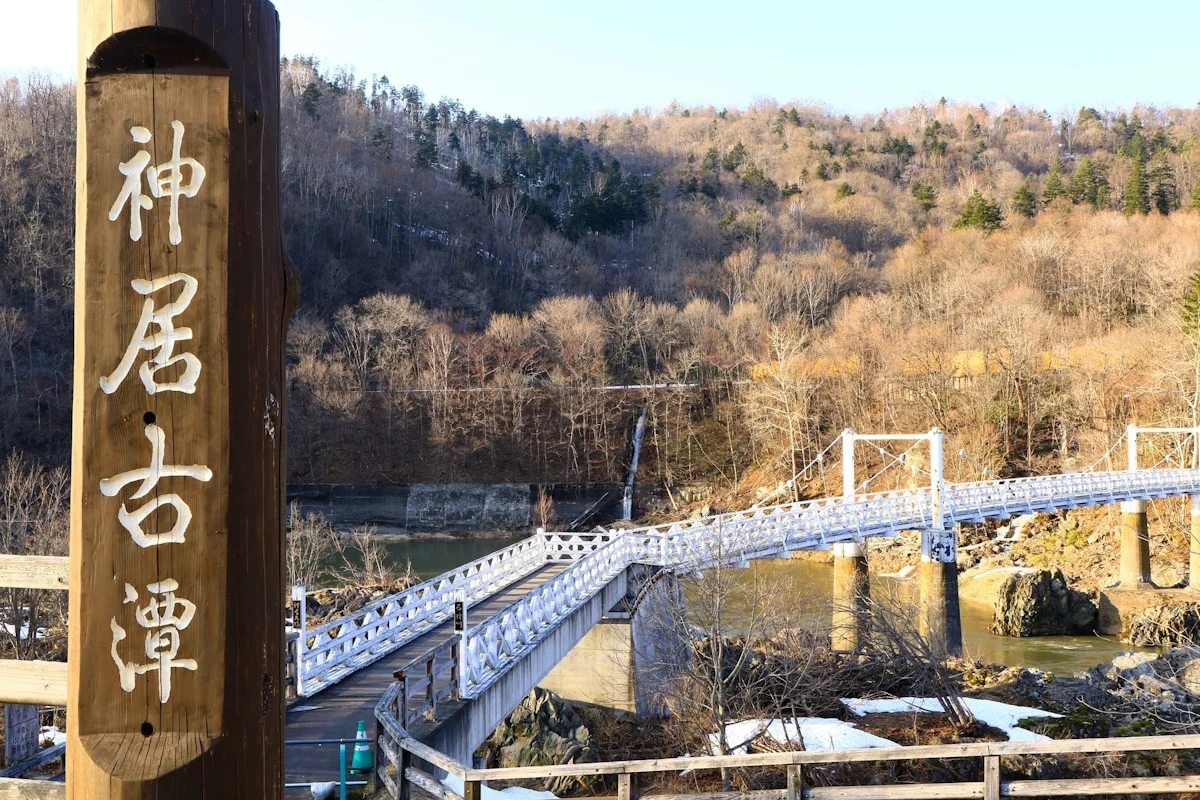
The Japanese legal landscape has been thrust into the spotlight this week following the prosecution’s sentencing recommendation in the brutal murder of 17-year-old Runa Murayama in Asahikawa, Hokkaido. As the legal proceedings against 23-year-old Riko Uchida reach their climax, the case has sparked a firestorm of public outrage, exposing a deep divide between the expectations of the Japanese public and the rigid, precedent-based structure of the nation’s judiciary.
While the heinous nature of the crime—which involved abduction, humiliation, and the forced death of a minor—has triggered calls for the ultimate penalty, prosecutors have requested a 27-year prison term. This recommendation, while appearing shockingly lenient to a grieving public, is firmly anchored in the established sentencing criteria that have governed Japanese criminal law for decades.
A Brutal End: The Facts of the Case
The tragedy began with a seemingly trivial dispute. According to prosecutors, the conflict between the accused, Riko Uchida, and the victim, Runa Murayama, was ignited by a social media post in which Murayama shared a photograph of Uchida. In an act of extreme retaliation that escalated far beyond the initial slight, authorities allege that Uchida and a group of associates abducted the 17-year-old.
The details of the abduction and the subsequent events leading to Murayama’s death are harrowing. The victim was allegedly forced to strip, subjected to physical abuse, and ultimately compelled to jump from a bridge, leading to her death. The senseless nature of the violence, combined with the youth of the victim, has fueled the intense emotional response from the public.
The judicial process has been complex, involving multiple defendants. One co-defendant, Yuka Konishi, has already been sentenced to 23 years in prison for her role in the incident. During the trials, conflicting testimonies have emerged. While Uchida has admitted to kidnapping and harassing the victim, she has consistently denied charges of murder. However, this defense has been challenged by the testimony of her own co-defendant, Konishi, who claimed to have witnessed Uchida pushing the victim’s shoulders with both hands—a critical detail that directly links the accused to the fatal act.
A Cloud of Corruption: Police Misconduct
Beyond the brutality of the crime itself, the case has been further marred by revelations of institutional failure. Investigations uncovered that members of the Asahikawa police force maintained an inappropriately familiar relationship with the accused, effectively blurring the lines between law enforcement and the criminal element. The scandal culminated in the resignation of a detective who was found to have been engaged in an affair with Uchida. This revelation has significantly eroded public trust in local authorities, leading to accusations that the police were either negligent or complicit in the events leading up to the murder.

Chronology of the Legal Proceedings
The path to the current sentencing recommendation has been long and emotionally fraught for the victim’s family.
- The Incident: The abduction and death of 17-year-old Runa Murayama occurred in Asahikawa, Hokkaido, following an online dispute over a photograph.
- Initial Investigations: Police identified Riko Uchida and her associates as the primary suspects.
- The Scandal: Reports of a romantic relationship between a local detective and the prime suspect, Uchida, surfaced, leading to the officer’s resignation and widespread public outcry regarding the integrity of the local investigation.
- First Verdict: Co-defendant Yuka Konishi was sentenced to 23 years in prison for her participation in the abduction and death of the victim.
- Victim Participation: The victim’s family utilized Japan’s victim participation system to advocate for the "harshest punishment possible," signaling their desire for a life sentence or the death penalty.
- Prosecutorial Recommendation: Prosecutors officially requested a 27-year prison sentence for Uchida, citing established legal guidelines.
- Upcoming Verdict: The court is scheduled to deliver its final verdict on June 22nd.
The "Nagayama Criteria" and Sentencing Precedent
The core of the current controversy lies in the disparity between the public’s desire for retributive justice and the mechanical application of the "Nagayama Criteria." Established in 1983 following the high-profile case of Norio Nagayama—who committed a series of shootings—these criteria serve as the benchmark for capital punishment in Japan.
The Nagayama Criteria weigh nine distinct factors to determine whether a death sentence is appropriate. The most heavily weighted of these is the "gravity of the outcome," specifically the number of lives taken. Under this framework:
- Single Homicide: Generally results in a term-of-years sentence or, in rare cases, life imprisonment.
- Double Homicide: Represents a gray area where the death penalty may be considered but is not guaranteed.
- Triple Homicide (or more): Statistically, this is the threshold where prosecutors are most likely to seek, and courts are most likely to impose, the death penalty, as seen in cases like the Aum Shinrikyo sarin gas attack.
Because this case involved the death of a single individual, prosecutors have stayed within the bounds of precedent by requesting a 27-year term rather than the death penalty. They argue that the conflicting accounts of exactly who caused the fatal fall necessitate a sentence that is finite, rather than life or death.
Public Outrage: A Clash of Values
The reaction on social media platforms like X has been overwhelmingly negative. Over 95% of monitored responses have labeled the 27-year recommendation as "grotesquely lenient." The consensus among critics is that the justice system is failing to account for the lack of remorse shown by the defendant.
"If the justice system isn’t going to function, then please at least allow the bereaved family to take revenge," read one viral comment. Another user noted, "The victim died at 17. The idea that this person gets to restart her life at 50 is absolutely unacceptable."
This anger is compounded by the defendant’s behavior in court. Uchida’s decision to write a letter of apology that only addressed her "part" in the death—while simultaneously shifting blame onto others—has been interpreted by many as a calculated move rather than genuine contrition. The victim’s family, finding the apology insincere and insufficient, refused to accept it.
The Broader Implications
The Asahikawa case highlights a structural rigidity in the Japanese judiciary that often feels out of step with contemporary social expectations. By prioritizing a mathematical approach to sentencing based on victim counts, the current system risks alienating the very public it is intended to protect.
When the legal system ignores the psychological impact of a crime—the lack of remorse, the cold-blooded nature of the planning, or the trauma inflicted on the family—it creates a perception of impunity. For the family of Runa Murayama, the 27-year recommendation feels like a second victimization.
As June 22nd approaches, the judiciary faces a difficult balancing act. A sentence equal to or lower than the 27-year request will likely be viewed as a confirmation that the law is disconnected from the reality of the crime. However, if the court were to defy the prosecutorial recommendation and impose a harsher sentence, it would represent a rare departure from decades of precedent, potentially setting a new standard for how the Japanese legal system treats cases involving single victims but extreme cruelty.
Regardless of the final ruling, the case of Runa Murayama has become a watershed moment for the Japanese justice system. It has brought to light the urgent need for a national conversation regarding whether the Nagayama Criteria—now over 40 years old—are still adequate for evaluating the complexities of modern violent crime. Until such a shift occurs, the tension between the cold precision of the law and the human demand for justice will continue to simmer, leaving grieving families and a frustrated public waiting for a sense of closure that the current system seems unable to provide.


 Neng Nana
 Asro
Asro