Basiran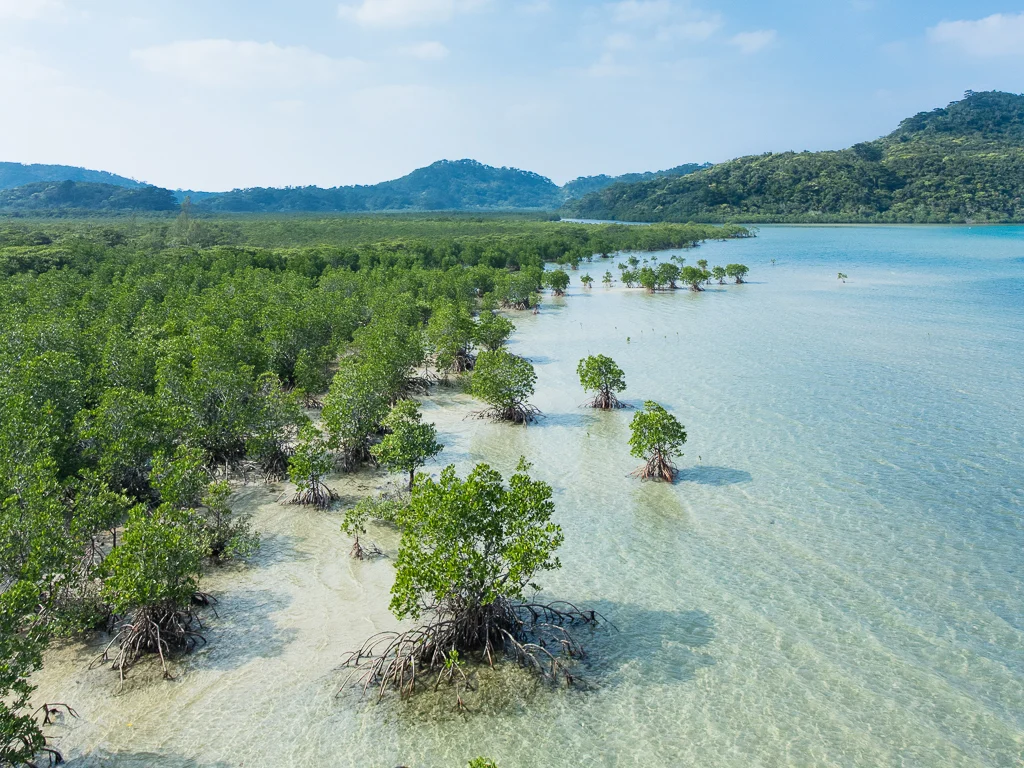
The Yaeyama Islands (Yaeyama Shotō) represent the final, sweeping arc of the Japanese archipelago before the East China Sea yields to the waters surrounding Taiwan. Located 400 kilometers southwest of Okinawa’s main island, these 12 islands form a distinct geographic and cultural enclave that feels worlds away from the neon pulse of Tokyo or the traditional temples of Kyoto. With a climate defined by subtropical forests, intricate coral-reef lagoons, and a unique Ryukyuan heritage that has persisted since the 1879 annexation, the Yaeyama group is emerging as Japan’s premier destination for the intrepid traveler.
Main Facts: The Geography of the Far South
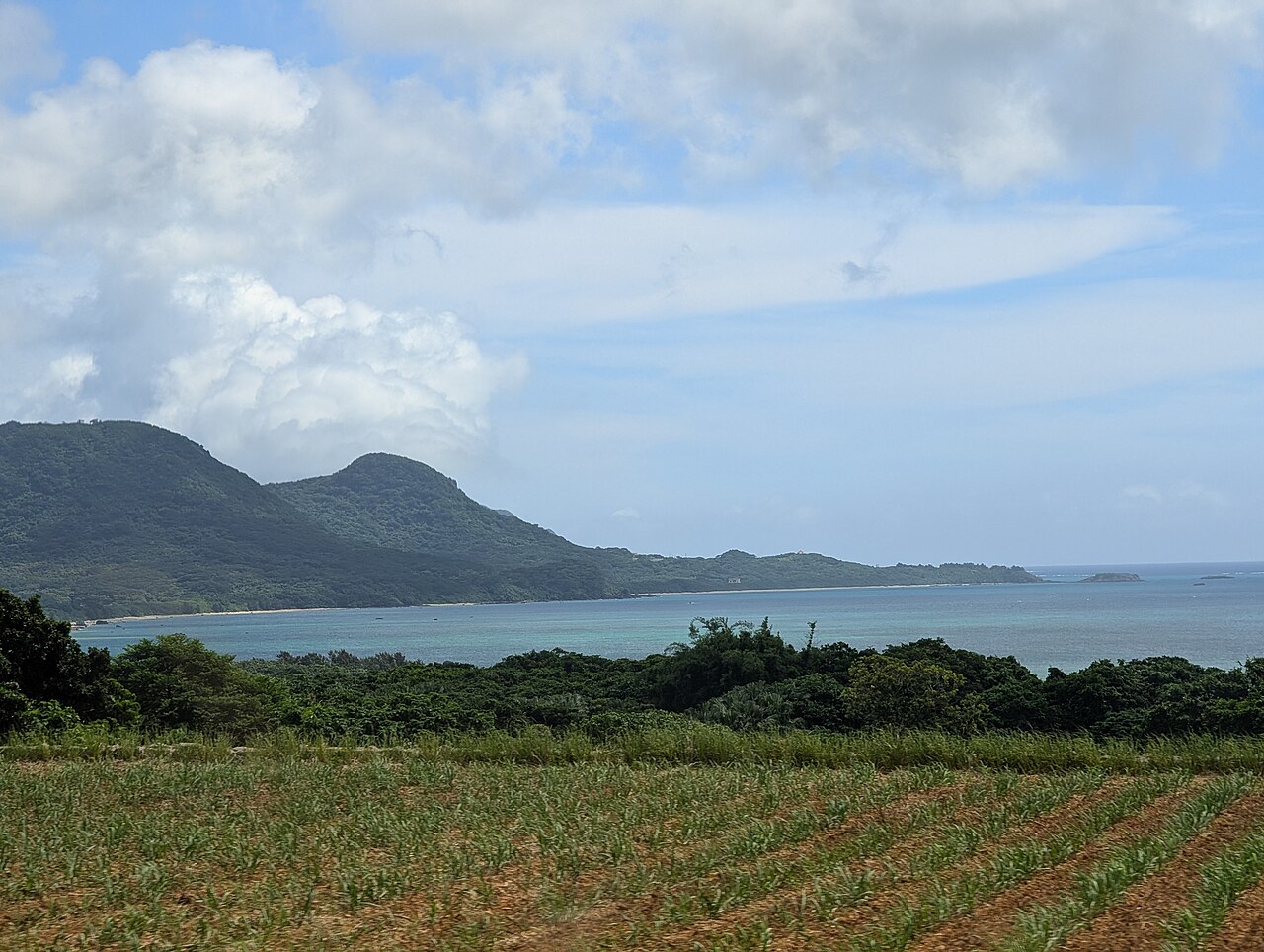
The Yaeyama archipelago is not a monolith but a collection of distinct ecosystems. Ishigaki serves as the primary transit hub and commercial heart, while Iriomote acts as the "jungle island," hosting a protected wilderness that is home to the critically endangered Iriomote wildcat. Taketomi is celebrated for its meticulously preserved Ryukyuan village architecture, where red-tiled roofs and coral-chip paths serve as living monuments to a pre-modern lifestyle.
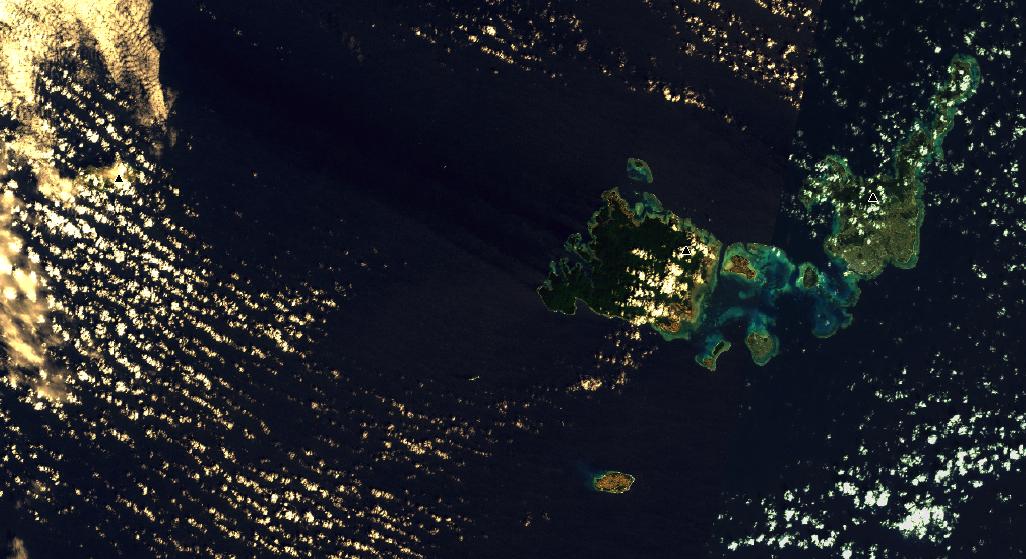
Beyond the "Big Three," the archipelago reveals a chain of specialized islets: Kohama is the choice for resort-style relaxation; Kuroshima is a hub for cattle farming; Hateruma represents the southernmost inhabited point in Japan; and Yonaguni sits as a remote, rugged outlier, famous for its mysterious underwater rock formations. Together, these islands operate under their own linguistic and culinary traditions, distinct from both mainland Japanese culture and the broader Okinawan identity.
Chronology: A History of Resilience
The historical timeline of the Yaeyama Islands is a testament to the endurance of the Ryukyuan spirit.
- Pre-1879: The islands existed as a semi-autonomous part of the Ryukyu Kingdom, maintaining strong tributary ties to both China and Japan.
- 1879: The Japanese government formally annexed the Ryukyu Kingdom, creating Okinawa Prefecture and initiating a period of assimilation that lasted through the early 20th century.
- 1945–1972: Following the Battle of Okinawa and the end of World War II, the islands were placed under United States military administration. This period saw a unique cultural fusion, the remnants of which are still visible in the islanders’ resilient, outward-looking social fabric.
- 1972: Reversion of Okinawa to Japanese sovereignty.
- 2000s–Present: A shift toward sustainable tourism. The designation of the Iriomote-Ishigaki National Park and the ongoing preservation efforts in Taketomi have signaled a pivot from mass development to high-value cultural and eco-tourism.
Supporting Data: Infrastructure and Accessibility
The Yaeyama transit system is a well-oiled, albeit weather-dependent, machine.
Transit Metrics
- Ishigaki (The Gateway): With a population of approximately 48,000, the island functions as the logistical center. It hosts the New Ishigaki Airport, which receives daily direct flights from Tokyo (Haneda/Narita) and Osaka (Kansai).
- Connectivity: The Ishigaki Remote Island Terminal is the nexus of the archipelago. Two primary ferry operators—Yaeyama Kanko Ferry and Anei Kanko—manage the flow of visitors.
- Reliability: The archipelago is prone to extreme weather, particularly during the typhoon season (August–September) and mid-winter. Ferry cancellations are standard, and travelers are advised to incorporate "buffer days" into their itineraries.
Economic Snapshot
Tourism is the primary economic driver, though it is supplemented by sugar cane cultivation, cattle farming (particularly on Kuroshima), and a burgeoning pearl industry. The cost of living and travel is moderate, with business-hotel rates in Ishigaki starting at ¥7,000, and premium resort experiences reaching ¥60,000 per night.
Official Responses and Conservation Efforts
The local government and environmental agencies are currently engaged in a delicate balancing act. The Iriomote-Ishigaki National Park is not merely a tourist attraction; it is a critical habitat.
The Iriomote Wildcat (Yamaneko)
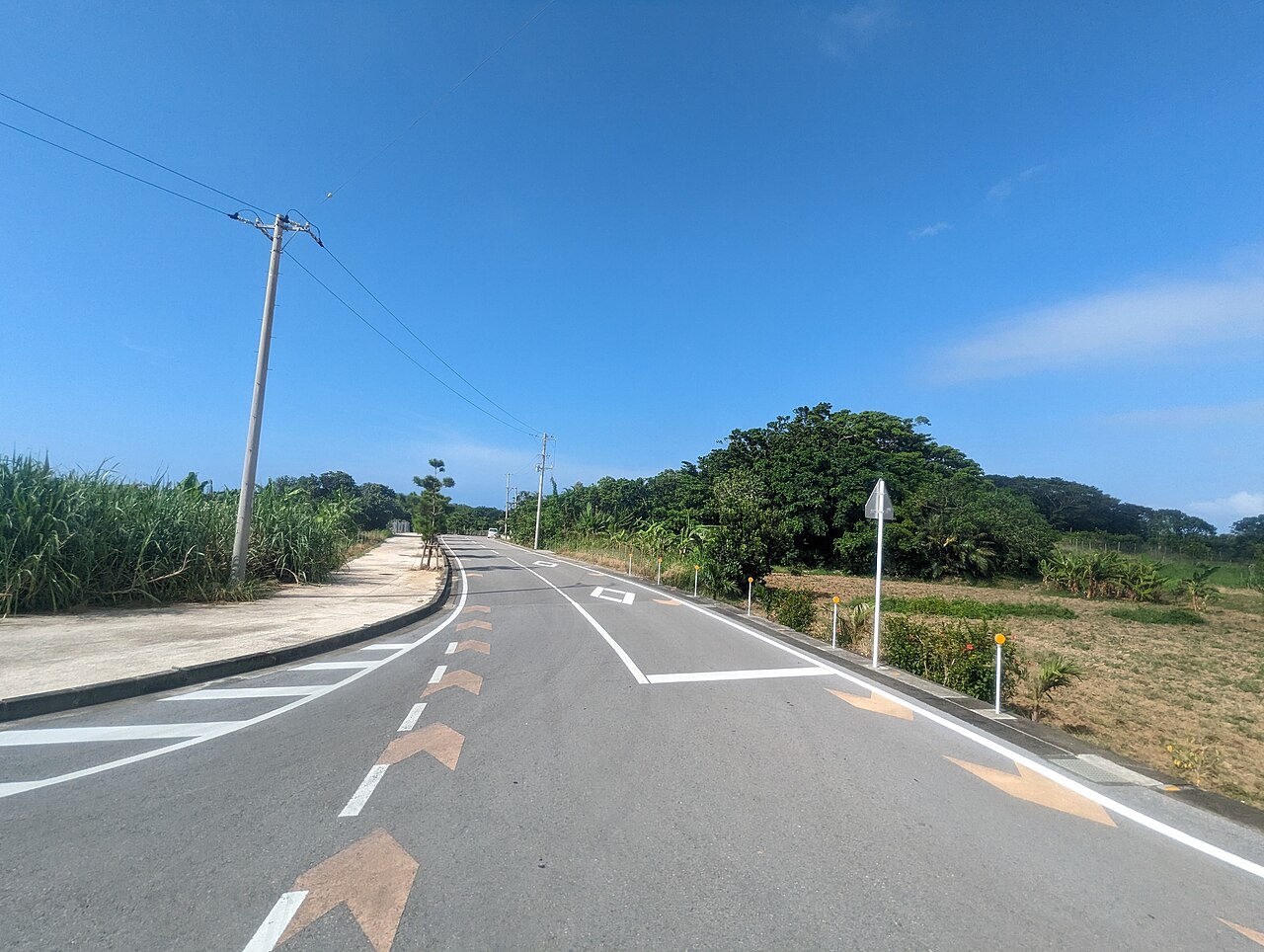
Official policy regarding the Iriomote wildcat—a feline species unique to the island with a population estimated at only 100 individuals—has become increasingly restrictive. Night-driving speed limits have been implemented to prevent road fatalities, and the Iriomote Wildlife Conservation Centre serves as an educational hub to discourage human interference.
Architecture and Heritage
In Taketomi, the "Village Ordinance" acts as a legal bulwark against modernization. Since 1987, the island has enforced strict building codes: all new construction or renovations must adhere to traditional specifications, including the use of red Ryukyuan tiles and coral-block walls. This prevents the "concrete sprawl" often seen in other parts of Japan and preserves the island’s economic value as a living heritage site.
Implications for the Modern Traveler
The Yaeyama Islands are not a destination for the casual "checklist" tourist. The transit time required to reach the archipelago—often involving a full day of travel from Tokyo—renders it a significant commitment. However, for those who value natural immersion over urban convenience, the implications of visiting are profound.
The Ecological Implication
Visitors must understand that they are entering a fragile ecosystem. The "Star Sand" beaches of Iriomote are a case in point: the sand consists of foraminifera skeletons, which are protected by local law. Removing this sand is illegal, and authorities are increasingly proactive in monitoring visitor behavior to prevent the degradation of these microscopic natural wonders.
The Cultural Implication
Engaging with the Yaeyama food scene is an essential part of the experience. Dishes such as Yaeyama Soba (a thinner, firmer noodle variant than its Naha counterpart) and locally sourced beef—often considered superior to mainland Wagyu in the eyes of local aficionados—provide a window into the regional identity. Travelers are encouraged to respect local customs, particularly the use of regional dialects and the quiet observance of village festivals, which remain central to island life.
Conclusion: Is the Commitment Worth It?
The decision to visit the Yaeyama Islands should be based on the type of travel experience one seeks. For the first-time visitor to Japan, the archipelago may be too remote and time-intensive. However, for the seasoned traveler—the diver, the biologist, or the historian—Yaeyama offers a depth of field rarely matched elsewhere.
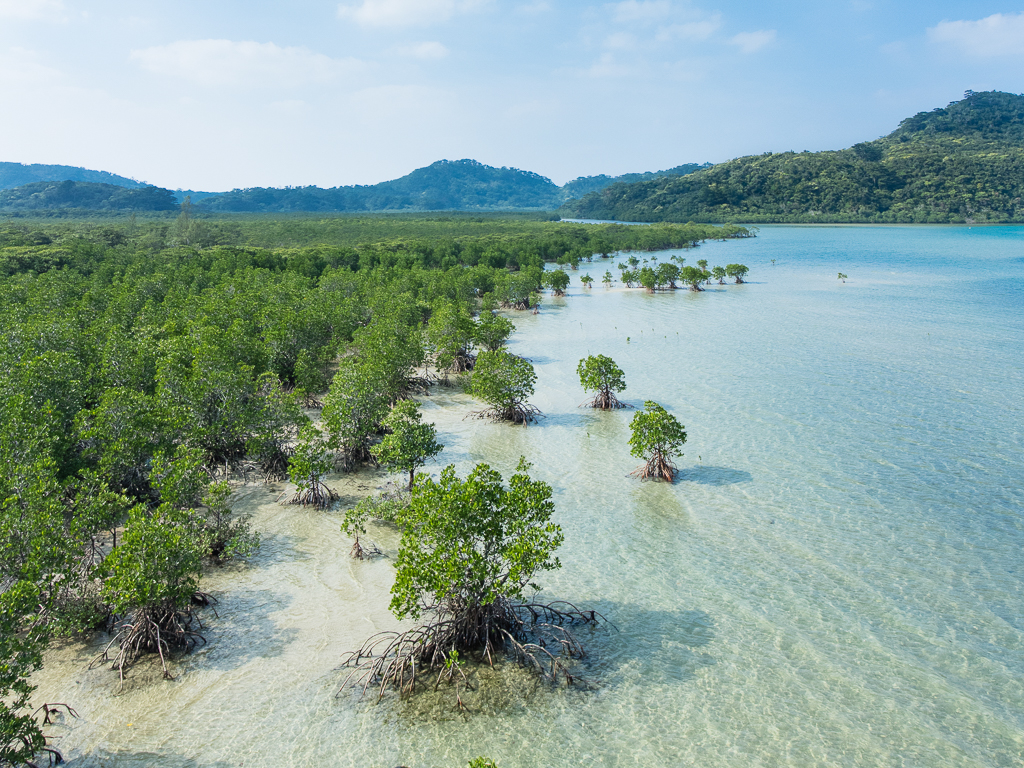
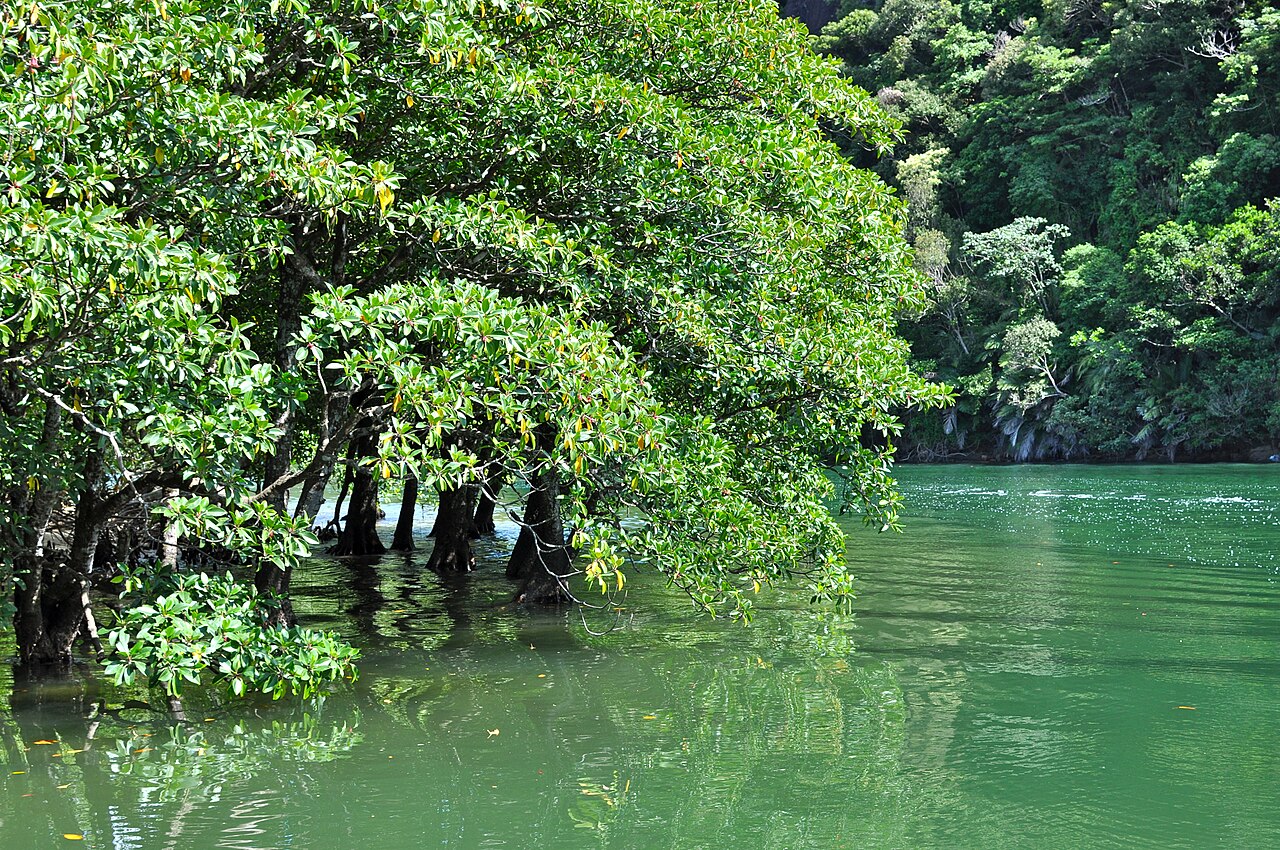
Whether one is exploring the underwater "monuments" off the coast of Yonaguni, kayaking through the mangrove tunnels of the Nakama River, or watching the stars on the unpolluted horizon of Hateruma, the Yaeyama group rewards the patient traveler. In a world that is becoming increasingly homogenized, these islands stand as a vital, vibrant, and fiercely independent bastion of subtropical Japan.
Quick Travel Tips for the Prospective Visitor:
- The Window: Aim for April–May or October–November to avoid the extreme heat, humidity, and typhoon risk of the summer months.
- The Base: Spend at least 2-3 nights on Ishigaki, then use it as a hub for day trips to Taketomi or overnight excursions to Iriomote.
- The Language: While English is spoken in major hotels, carrying a translation app is highly recommended for the outer islands, where the local Yaeyama dialect remains the primary language of daily life.
- The Safety Protocol: Always check ferry schedules in the morning. If the sea is rough, do not hesitate to postpone travel. The archipelago is beautiful, but the weather is the ultimate authority here.


 Neng Nana
 Asro
Asro