

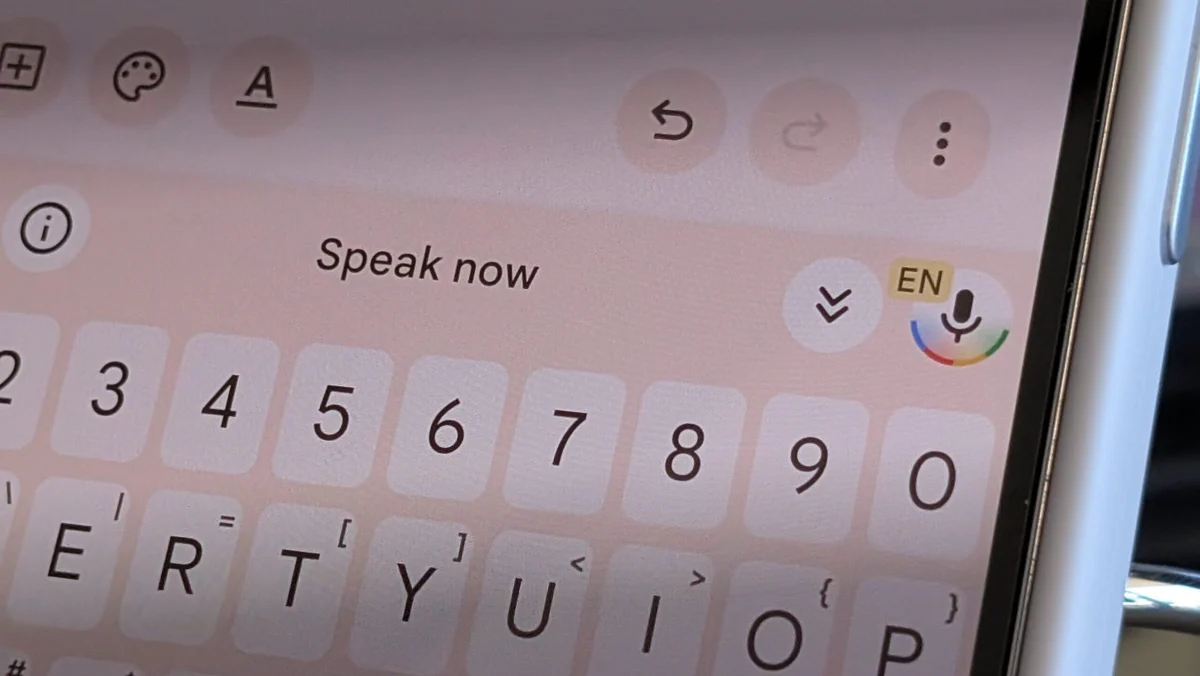
In the ever-evolving landscape of mobile productivity, Google continues to refine the tools that bridge the gap between human intent and digital execution. As the company inches closer to a mid-summer rollout of its highly anticipated “Rambler” feature for Gboard, new findings from the latest beta build provide a clearer picture of how Google’s keyboard is being transformed by advanced generative AI. However, this evolution comes at a cost: as one door opens for smarter voice-to-text capabilities, another is closing for legacy creative tools, signaling a broader strategic pivot within the Google ecosystem.
Main Facts: The Arrival of Rambler and the Exit of Pixel Studio
During the excitement of Google I/O 2026, the Mountain View giant unveiled a suite of intelligence-driven features designed to make mobile communication more fluid. At the heart of this announcement was “Rambler,” an sophisticated AI-powered voice-to-text enhancement. Unlike traditional dictation, which acts as a literal transcriber, Rambler is designed to act as an editor in real-time.
By leveraging advanced language models, Rambler can parse the "stream of consciousness" inherent in human speech. It identifies and eliminates filler words—such as “um,” “like,” and “you know”—while simultaneously smoothing out repetitive phrasing and correcting self-interruptions. The result is a clean, coherent transcript that requires significantly less manual post-editing.
Simultaneously, Google is streamlining its AI offerings by phasing out "Pixel Studio," the generative sticker creation tool that gained popularity for its ability to turn user prompts into custom graphics. Code analysis of the latest Gboard beta (version 17.5.6.917159154) confirms that Google is actively preparing to remove the sticker creation tab, with the company redirecting users toward the "Nano Banana" integration within the Gemini app.
Chronology of the Shift
To understand the current trajectory, one must look at the timeline of these developments over the last few months:
- February 2026: Initial reports emerge indicating that Google is re-evaluating its AI toolkit, with early evidence suggesting that Pixel Studio would be deprecated in favor of more centralized AI services.
- May 2026 (Google I/O): Google officially announces the development of Rambler, positioning it as a cornerstone feature for the next generation of Gboard. The announcement generates significant buzz regarding the potential for "cleaner" voice-to-text functionality.
- June 2026 (Current Status): Through an APK teardown of the latest Gboard beta, investigators have discovered a functional, albeit hidden, toggle for Rambler in the Voice Typing settings menu. Simultaneously, references in the code confirm that the interface for Pixel Studio is being surgically removed from the application’s backend.
Supporting Data: Behind the APK Teardown
The discovery of these changes comes via a deep dive into the Gboard beta package. APK teardowns are a standard industry practice used to identify “hidden” features that are currently dormant in the code but awaiting a server-side switch or a future update.
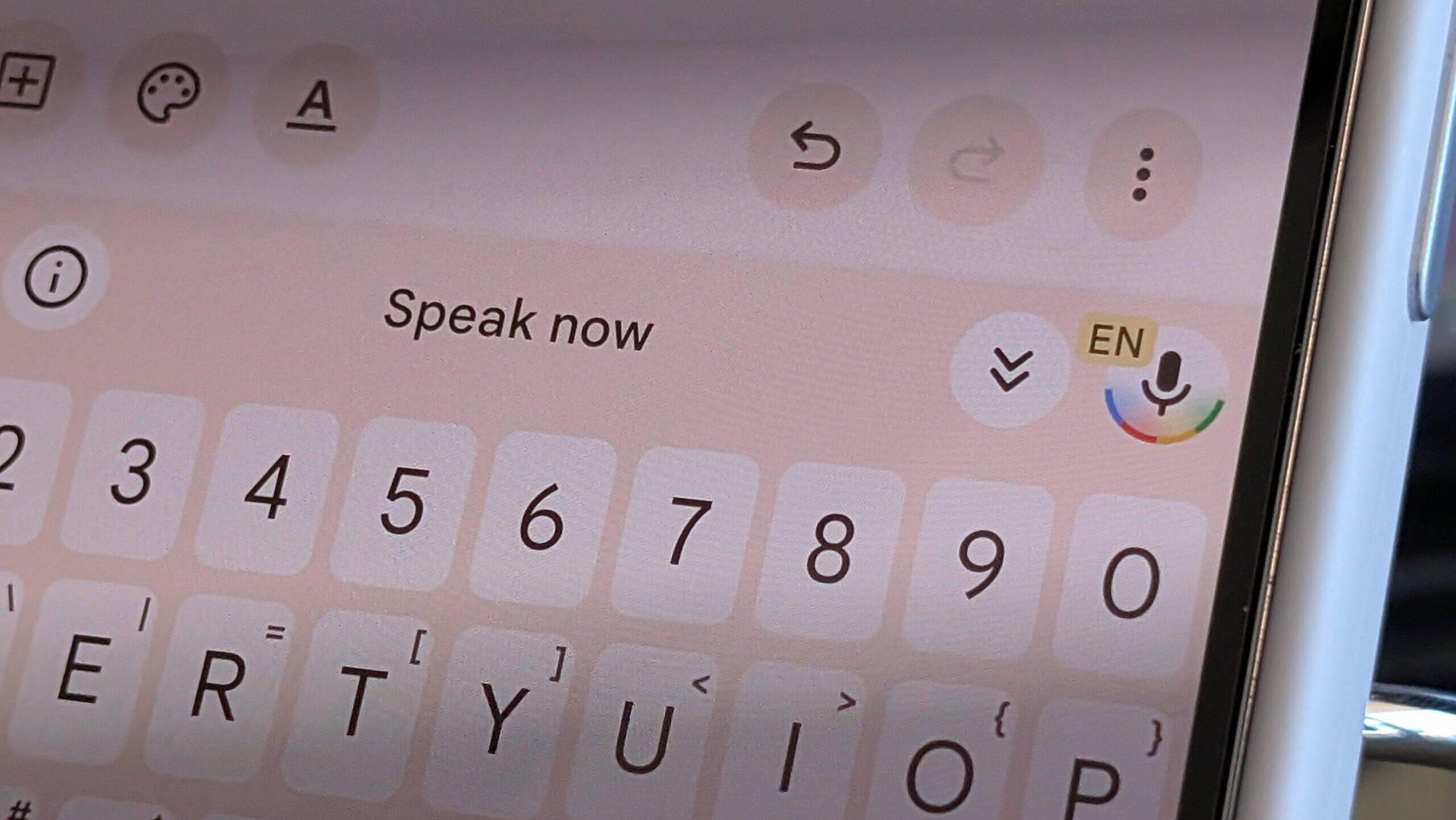
In the case of Rambler, the code reveals a new settings toggle labeled "Enable Rambler." While the feature is not yet active for the general public, the presence of the UI element indicates that the implementation is in its final stages of testing. Developers have noted that the toggle acts as a binary switch, allowing users to choose between standard, literal transcription and the "refined" Rambler output. This suggests that Google recognizes the potential for errors in AI-driven editing, thus providing an "escape hatch" for users who prefer raw, unfiltered dictation.
Conversely, the investigation into Pixel Studio revealed a cleaner, more definitive shift. Researchers were able to simulate a version of Gboard where the Pixel Studio integration had been entirely stripped from the interface. The absence of the tab suggests that Google is moving away from keeping creative tools inside the keyboard, favoring a "hub and spoke" model where specialized tasks are handed off to the more powerful Gemini application.
The Role of Generative AI in Communication
The transition to Rambler represents a philosophical shift in how we interact with our devices. For years, voice-to-text has been plagued by the "literal transcription problem"—where the software records every stutter, pause, and false start. While this is helpful for legal or medical documentation, it is counterproductive for casual communication.
Rambler attempts to solve this by applying a layer of "conversational intelligence." It understands that the speaker’s intent is not to include the word “like” every four words, but to convey a specific idea. By cleaning the transcript at the point of origin, Google is attempting to make voice typing a primary input method rather than a niche tool.
Official Responses and Strategic Implications
While Google has not released a formal press release detailing the exact sunset date for Pixel Studio, the company has been vocal about its intent to consolidate AI features under the Gemini umbrella. A spokesperson for the company previously hinted that the goal is to provide a "more consistent and powerful AI experience" by centralizing complex generative tasks within a dedicated assistant, rather than scattering them across peripheral apps like Gboard.
This strategy has significant implications for both developers and users:
1. Centralization of AI Power
By moving features like sticker generation to Gemini, Google is ensuring that it can update its models without needing to push full-scale app updates for Gboard. Gemini serves as the "brain," while Gboard acts as the "portal," allowing for more rapid iteration and deployment of new capabilities.
2. Streamlining the User Interface
Gboard has long been criticized for becoming "feature creep" heavy. With the removal of niche tools like Pixel Studio, Google is essentially "spring cleaning" the keyboard. This creates a lighter, faster, and more focused interface, which is a significant selling point for users on budget-tier devices with limited RAM and processing power.
3. The Future of Contextual Input
Rambler is likely just the beginning. If the model proves successful in removing filler words, the next logical step is "intent-based completion," where the keyboard suggests structural changes to entire sentences based on the tone or context of the conversation. This moves Gboard closer to being a full-fledged writing assistant rather than just a QWERTY grid.
Potential Challenges and Criticisms
Despite the technological promise, these shifts are not without risks. Privacy advocates often express concern over AI tools that "listen" and "edit" on the fly. Because Rambler requires the input to be processed through an LLM (Large Language Model) to determine what constitutes a "ramble," there is a legitimate question about how much of that data is processed on-device versus in the cloud. Google has traditionally pushed for on-device processing to protect user privacy, but the complexity of Rambler’s language processing may require hybrid cloud support.
Furthermore, power users who enjoyed the convenience of creating stickers directly within their chat threads may find the migration to the Gemini app to be a friction point. For many, the joy of a feature is its accessibility; forcing a user to switch apps to generate a sticker—even if the tool is more powerful—may result in a decrease in the usage of that feature.
Conclusion: The Road Ahead
As we look toward the remainder of the summer, it is clear that Gboard is undergoing a transformation. The introduction of Rambler signifies Google’s commitment to making voice-to-text a more natural and professional medium of communication. Simultaneously, the removal of Pixel Studio acts as a reminder that even popular AI features are subject to the company’s broader strategic goal of consolidating its ecosystem.
For the average user, the takeaway is simple: the keyboard is becoming smarter, more focused, and more reliant on the underlying intelligence of the Gemini platform. Whether these changes will ultimately result in a more intuitive experience or a more restricted one remains to be seen, but one thing is certain: the way we interact with our screens is being rewritten in real-time, one "um" and "like" at a time.
Note: As with all features discovered via APK teardowns, the exact implementation and public availability of these features are subject to change based on Google’s final testing phases.












No comments yet. Be the first to join the conversation!