Layla Zulfa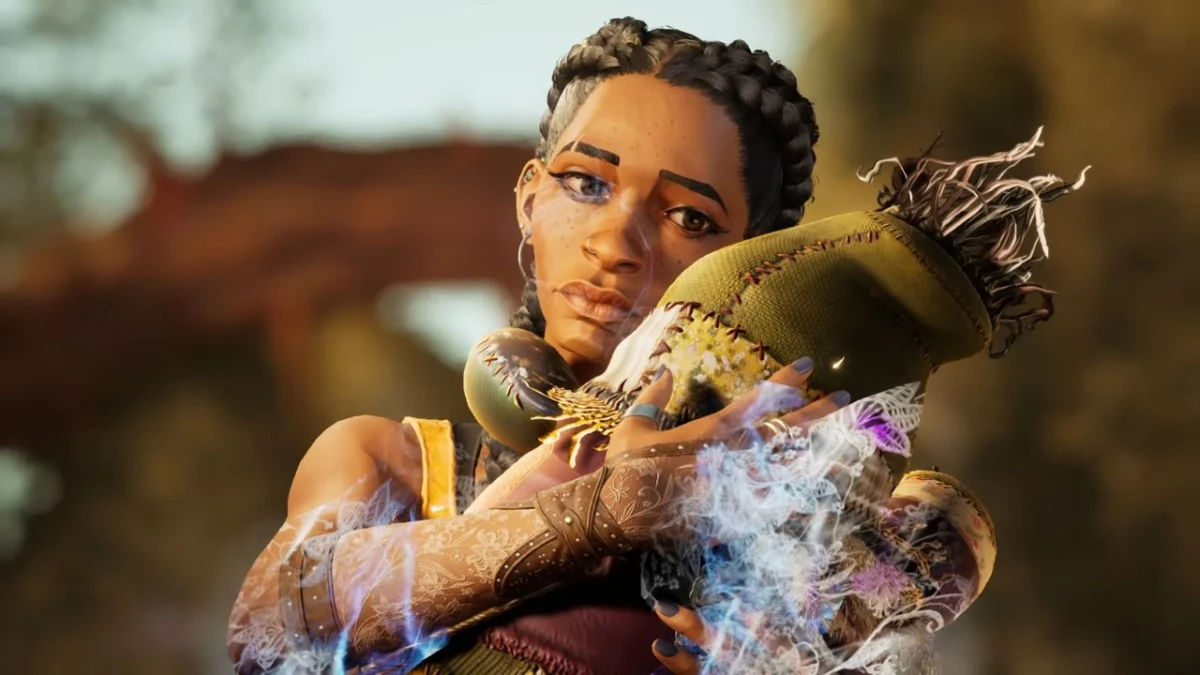
In a move that has sent shockwaves through the gaming industry, reports have emerged indicating that Microsoft is moving to shutter Compulsion Games, the Montreal-based developer behind We Happy Few and the critically acclaimed South of Midnight. This development marks the latest chapter in a turbulent era for Xbox Game Studios, characterized by aggressive acquisitions followed by internal restructuring, widespread layoffs, and a pivot toward "sustainability" at the cost of creative autonomy.
Eight years after being brought into the Microsoft fold, Compulsion Games—a studio once championed by Xbox leadership as a beacon of creative, narrative-driven independent development—appears to be the latest victim of a corporate mandate to streamline operations.
The Anatomy of a Shutdown: What We Know
According to reports from Kotaku, Compulsion Games, which employed approximately 90 developers, is being closed as part of a broader downsizing effort within Microsoft’s gaming division. The human toll of this decision became apparent hours before the news broke, as staff members, including senior writer Zaire Lanier, took to social media to announce they were seeking new employment.
The shuttering of Compulsion is not an isolated incident but a continuation of a pattern that has seen thousands of employees lose their jobs across Microsoft’s gaming divisions over the past few years. This follows the high-profile departure of Xbox Game Studios head Craig Duncan, who exited the company after less than two years in the role, citing a desire to pursue other opportunities despite his claims of overseeing "flawless launches."
A Chronology of Consolidation and Contradiction
To understand the significance of Compulsion’s potential closure, one must look at the timeline of Microsoft’s "buy-and-build" strategy.
- 2018: Microsoft acquires Compulsion Games, aiming to diversify its portfolio with unique, mid-budget "AA" titles that could bolster the Xbox Game Pass library.
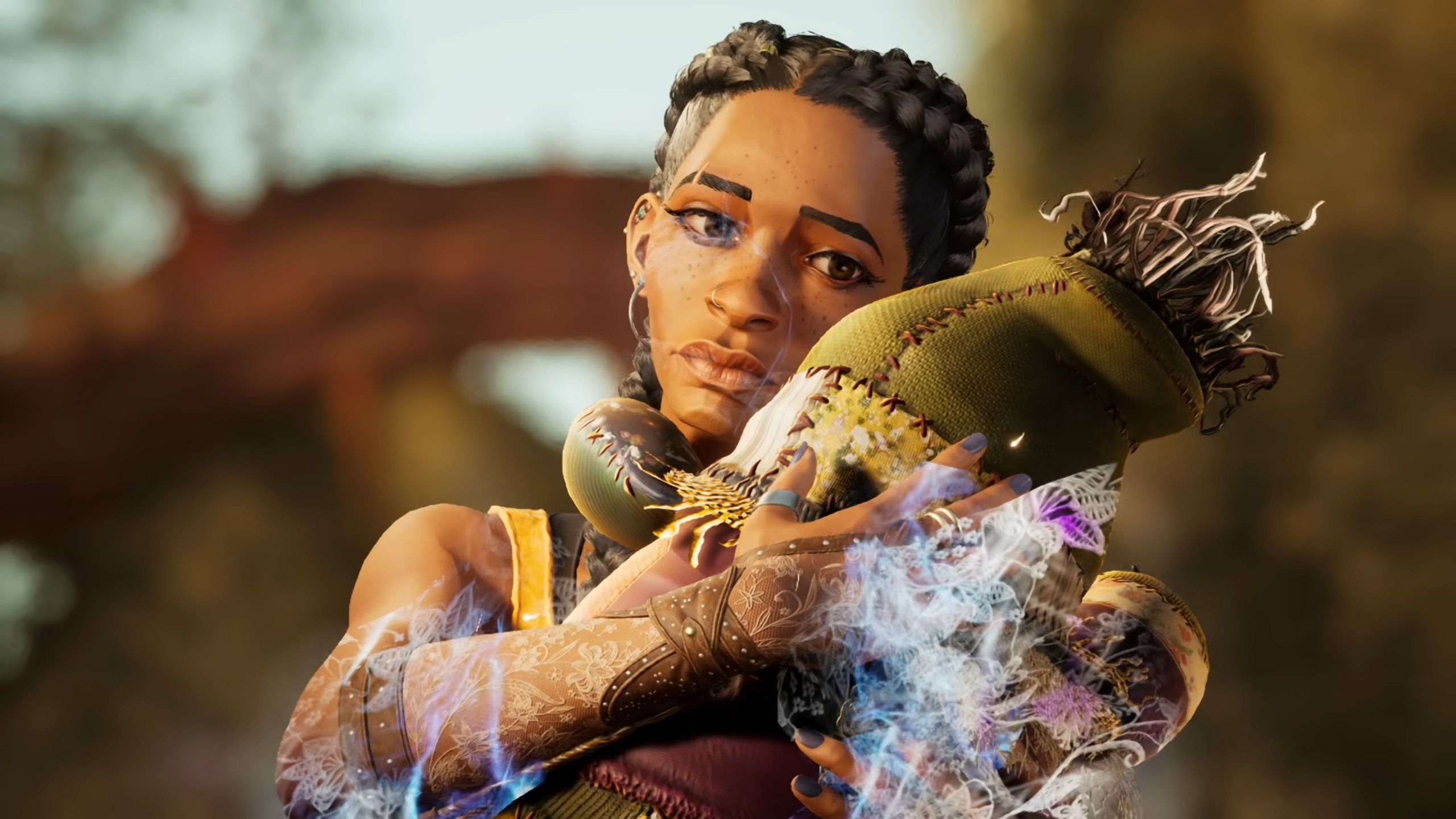
- 2018–2023: Under the Microsoft umbrella, the studio focuses on the development of South of Midnight, a southern-gothic action-platformer.
- Early 2024: Xbox CCO Matt Booty publicly highlights Compulsion Games as a success story, using the studio as an example of Microsoft’s commitment to nurturing new intellectual property and storytelling, even as the company grapples with broader profitability challenges.
- Mid-2024: Following the release of South of Midnight—which earned critical praise and industry awards—reports surface that the studio is being closed.
This trajectory reveals a stark contradiction between Microsoft’s public rhetoric and its internal operational reality. While leadership publicly praises the cultural impact of studios like Compulsion, the underlying financial pressure to achieve profitability within the Xbox ecosystem appears to have overridden these creative commitments.
The "Sustainability" Mandate: Data and Context
The decision to close Compulsion comes during a period of existential reflection for the Xbox brand. Microsoft CEO Satya Nadella has recently gone on record to acknowledge that the company is still struggling to turn Xbox into a "sustainable business." In a candid admission, Nadella noted that there is often more monetization of Xbox games occurring on external platforms like YouTube than through the company’s own internal infrastructure.
New Xbox leadership, including CEO Asha Sharma and CCO Matt Booty, have jointly signaled that a "reset" is necessary. This reset is framed as a response to declining margins and a sprawling, overextended gaming division. The data, however, paints a complex picture. While titles like Call of Duty and Minecraft continue to generate massive revenue, the "prestige" side of the portfolio—the smaller, story-driven studios that define the brand’s identity—appears to be the first to face the chopping block when balance sheets look thin.
The Paradox of the "Lionhead" Legacy
The situation with Compulsion Games is particularly ironic when compared to the history of Lionhead Studios. For years, the closure of Lionhead—the creators of Fable—was cited by Xbox executives as a fundamental error that the company would never repeat. It became a cautionary tale about the dangers of buying creative studios only to stifle them with corporate demands.
Yet, as history repeats itself, we see a familiar cycle:
- Acquisition: A developer with a distinct vision is brought into the fold.
- Development: The studio spends years under the Microsoft banner, often with limited resources compared to AAA behemoths.
- Pressure: Upon the release of their project, the studio is evaluated not just on the quality of their work, but on whether their output can support the massive infrastructure of a trillion-dollar corporation.
- Dissolution: When the metrics fail to align with the company’s broader, often volatile financial goals, the studio is shuttered.
By moving forward with the closure of Compulsion, Microsoft is effectively echoing the very mistakes it once promised to avoid.
Implications for the Future of Xbox
The implications for the broader gaming landscape are profound. When a company as large as Microsoft struggles to sustain its internal development teams, it sends a chilling message to the rest of the industry.
The Erosion of Creative Diversity
If the industry’s largest players view mid-sized, narrative-focused studios as expendable liabilities, we risk entering an era where only the largest, lowest-common-denominator "megahits" survive. This limits the diversity of voices in game design and discourages the kind of experimentation that leads to innovative titles like South of Midnight.
The Talent Drain
The loss of 90 skilled developers from Compulsion Games is not just a loss for Microsoft; it is a loss for the industry. Many of these developers are specialized in specific art styles, narrative techniques, and technical challenges. When these teams are dispersed, the collective "institutional memory" of those studios vanishes, making it harder for future projects to reach the same level of polish.
The Trust Factor
For independent developers, the prospect of being acquired by a major publisher has long been a double-edged sword. While it provides financial stability, the recurring news of studio closures creates a climate of distrust. If the price of acquisition is the potential destruction of one’s creative home, more developers may choose to remain independent, slowing the pace of industry consolidation—which, in itself, may be the only silver lining.
Official Responses and the Path Forward
As of this writing, Microsoft has not issued a detailed statement regarding the specific status of Compulsion Games, despite requests for comment. The silence from the upper echelons of Xbox leadership speaks volumes.
The industry remains in a "wait and see" mode. Investors are watching to see if the proposed "reset" by Sharma and Booty will stabilize the division’s finances. Meanwhile, gamers and developers are left mourning the loss of a studio that, by all accounts, was doing exactly what it was asked to do: creating high-quality, award-winning art.
Ultimately, the closure of Compulsion Games is a microcosm of the modern gaming industry’s struggle. It is a collision between the art of game development and the cold, hard requirements of corporate finance. As Microsoft continues to navigate this difficult transition, the legacy of its acquisitions—and the people who made them possible—will continue to define the company’s reputation for years to come. Whether the "reset" leads to a more sustainable future or merely a more homogenous one remains to be seen.

 Nana Wu
 Jia Lissa