Asep Darmawan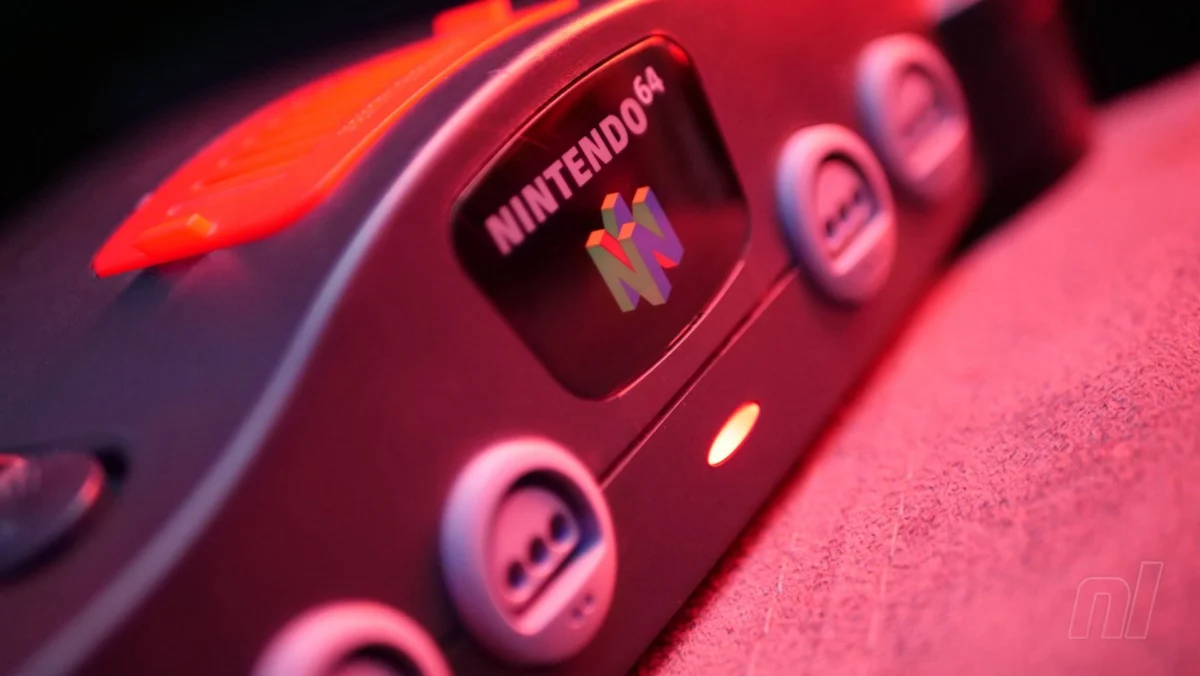
The Nintendo 64, a console that redefined the very landscape of interactive entertainment, is poised to celebrate its 30th anniversary on June 23rd, 2026. Originally conceived as the "Ultra 64," this pioneering machine was Nintendo’s ambitious foray into the burgeoning world of full 3D graphics, a technological leap that would irrevocably alter how we play and perceive video games.
From its distinctive, three-pronged controller to its groundbreaking software library, the Nintendo 64 wasn’t just a console; it was a gateway to entirely new dimensions of gameplay. Its arrival marked a pivotal moment, ushering in an era where polygons danced on screen and virtual worlds began to feel tangible. This anniversary provides a poignant opportunity to reflect on the console’s profound impact, its enduring legacy, and the cherished memories it continues to evoke in gamers worldwide.
A Paradigm Shift: The Genesis of 3D Gaming
The mid-1990s was a transformative period for the video game industry. The limitations of 2D sprites were giving way to the tantalizing potential of three-dimensional graphics. While other consoles experimented with rudimentary 3D, Nintendo, with its N64, committed fully to this new frontier. This commitment was not merely a technological upgrade; it represented a fundamental shift in game design philosophy.
The N64’s architecture was specifically engineered to handle complex 3D environments and sophisticated character models. This allowed developers to create worlds that were not just visually richer but also more interactive and immersive. The console’s processing power, though perhaps outmatched in some raw specifications by its contemporaries, was optimized for rendering smooth, detailed 3D graphics, a crucial element for the experiences Nintendo envisioned.
The launch titles were instrumental in showcasing this newfound potential. Super Mario 64 remains a monumental achievement, a game that didn’t just demonstrate 3D gameplay but effectively wrote the rulebook for it. Mario’s freedom of movement in the vast, explorable environments of Princess Peach’s castle and beyond was revolutionary. Players weren’t just moving a character from left to right; they were navigating a three-dimensional space, discovering secrets, and engaging with the world in ways previously unimaginable.
Similarly, Star Fox 64 (known as Lylat Wars in some regions) brought cinematic flair and intense aerial combat to the forefront. Its use of polygonal models and impressive visual effects created a sense of scale and speed that captivated players. Wave Race 64, with its stunning water physics and exhilarating jet ski races, further exemplified the N64’s graphical prowess and its ability to deliver unique, engaging experiences. These early titles were not just games; they were powerful demonstrations of what the N64 could do, inspiring both players and developers to dream bigger.
A Curated Library: Quality Over Quantity
While the Nintendo 64’s library was considerably smaller than that of its primary competitor, Sony’s PlayStation, this was arguably a strategic decision that prioritized quality and innovation. Nintendo focused on developing and publishing a select number of titles that truly pushed the boundaries of what was possible on the hardware. This approach ensured that each N64 game felt like a significant release, often carrying the weight of Nintendo’s legendary design pedigree.
The undisputed crown jewel of the N64 library, and arguably one of the greatest video games ever made, is The Legend of Zelda: Ocarina of Time. This epic adventure transcended the boundaries of its predecessors, introducing a vast, interconnected world, a compelling narrative, and innovative gameplay mechanics like Z-targeting. Ocarina of Time didn’t just lay foundations for future Zelda titles; it established conventions for 3D action-adventure games that developers continue to build upon to this day. Its impact on game design, storytelling, and player immersion is immeasurable.
Beyond these flagship titles, the N64 hosted a treasure trove of memorable experiences. GoldenEye 007 redefined the first-person shooter genre on consoles, proving that complex, objective-based shooters could thrive outside of the PC market. Its intuitive controls (for the time) and groundbreaking multiplayer mode, which allowed up to four players to battle it out on a single screen, became the stuff of legend, fostering countless hours of competitive fun and heated rivalries.
Other notable titles like Mario Kart 64 iterated on the beloved kart-racing formula, adding iconic tracks and introducing the chaotic yet beloved blue shell. Super Smash Bros., a surprisingly deep and accessible fighting game, pitted Nintendo’s iconic characters against each other in a spectacular fashion, laying the groundwork for one of Nintendo’s most successful franchises. Even seemingly niche titles like Banjo-Kazooie and Conker’s Bad Fur Day offered unique personalities and innovative gameplay that cemented the N64’s reputation for creative excellence.
The Iconoclastic Controller: A Love-Hate Relationship
No discussion of the Nintendo 64 is complete without acknowledging its distinctive, three-pronged controller. This ergonomic anomaly was a direct response to the demands of 3D gaming. The central joystick provided precise analog control, essential for navigating complex environments and performing nuanced movements. The three prongs were designed to accommodate different grip styles, allowing players to hold the controller in a way that best suited the game they were playing.

While revolutionary for its time, the N64 controller was not without its critics. Its unconventional design could be confusing for newcomers, and the reliance on a single analog stick for movement and camera control (often necessitating awkward hand positions) was a departure from the dual-stick standard that would eventually emerge. However, for those who mastered its intricacies, the controller offered a unique and deeply satisfying way to interact with the N64’s 3D worlds. It was with this peculiar yet beloved device that players first ventured into the mystical Kokiri Forest, piloted Arwing fighters through the Lylat System, and meticulously aimed their sniper rifles in the tense corridors of GoldenEye.
A Legacy of Shared Experiences: The Power of Multiplayer
One of the Nintendo 64’s most enduring legacies lies in its facilitation of four-person local multiplayer. In an era where online gaming was nascent, the N64 brought friends and family together in the same room for countless hours of shared joy, intense competition, and inevitable drama. The split-screen multiplayer modes in games like Mario Kart 64, Super Smash Bros., and GoldenEye 007 became the stuff of legend.
These shared experiences fostered a sense of community and camaraderie that is difficult to replicate in the digital age. The shouts of triumph, the groans of defeat, and the playful taunts exchanged during a heated Mario Kart race are deeply etched into the memories of a generation of gamers. The N64’s ability to create these memorable social interactions solidified its place not just as a gaming console but as a hub for shared entertainment and lasting friendships.
Echoes of the Past: Nostalgia and Community Engagement
As the 30th anniversary of the Nintendo 64 approaches, the console’s influence continues to resonate. Modern gaming, particularly in its embrace of 3D environments and immersive storytelling, owes an undeniable debt to the N64. The console’s innovative spirit and its commitment to pushing technological boundaries paved the way for the sophisticated gaming experiences we enjoy today.
The enduring nostalgia for the N64 is palpable. Its unique design, its iconic games, and the shared memories it created have solidified its place in gaming history. Recognizing this deep connection, Nintendo Life is launching a special community feature to celebrate the N64’s 30th anniversary. We are inviting our readers to share their most cherished Nintendo 64 memories.
Whether you were among the first to experience the console’s wonders in 1996 or 1997 (depending on your region), or you discovered its 64-bit classics in later generations, perhaps even through Nintendo Switch Online, your stories are valuable. We want to hear about the good, the bad, and the downright ugly. What are your strongest memories of this groundbreaking machine?
Submissions will be carefully reviewed, and the most compelling and moving anecdotes will be featured in an upcoming community piece. This initiative aims to capture the collective spirit and enduring affection for the Nintendo 64, celebrating the personal connections and unforgettable moments that this remarkable console has provided.
Submission Guidelines for Nintendo Life N64 Memories:
To ensure your memory can be considered for our feature, please adhere to the following guidelines:
- Length: Aim for a concise yet impactful story. While there isn’t a strict word count, stories that are too brief may lack detail, and overly long narratives might be difficult to incorporate. Generally, between 100 and 500 words is a good target.
- Focus: Concentrate on a specific memory or experience related to the Nintendo 64. This could be a memorable gaming session, a funny anecdote with friends or family, a particularly challenging boss battle, or the first time you experienced a certain game.
- Clarity and Cohesion: Ensure your story is easy to read and understand. A clear narrative flow will help us connect with your experience.
- Originality: While we appreciate heartfelt emotions, try to offer a unique perspective or detail that stands out.
- Respectful Tone: We encourage all types of memories, but please maintain a respectful and appropriate tone in your submission.
- No Spoilers (Unless Necessary): If your memory involves a significant spoiler for a particular game, please provide a clear warning at the beginning of your submission.
How to Send Your Nintendo 64 Memory:
Please submit your Nintendo 64 memories via email to [email protected].
- Subject Line: Please use the subject line: "N64 Memory Submission – [Your Name]"
- Email Body: In the body of your email, please include your memory. You may also include a relevant image if you have one (e.g., a photo of your N64 setup, a screenshot if applicable, etc.), but please ensure you have the rights to share it.
We eagerly await your stories and look forward to celebrating the 30th anniversary of the Nintendo 64 with our incredible community. The 64-bit revolution may have passed, but its echoes continue to shape the world of gaming and the hearts of those who experienced its magic.


 Lina Irawan
 Sagoh
Sagoh