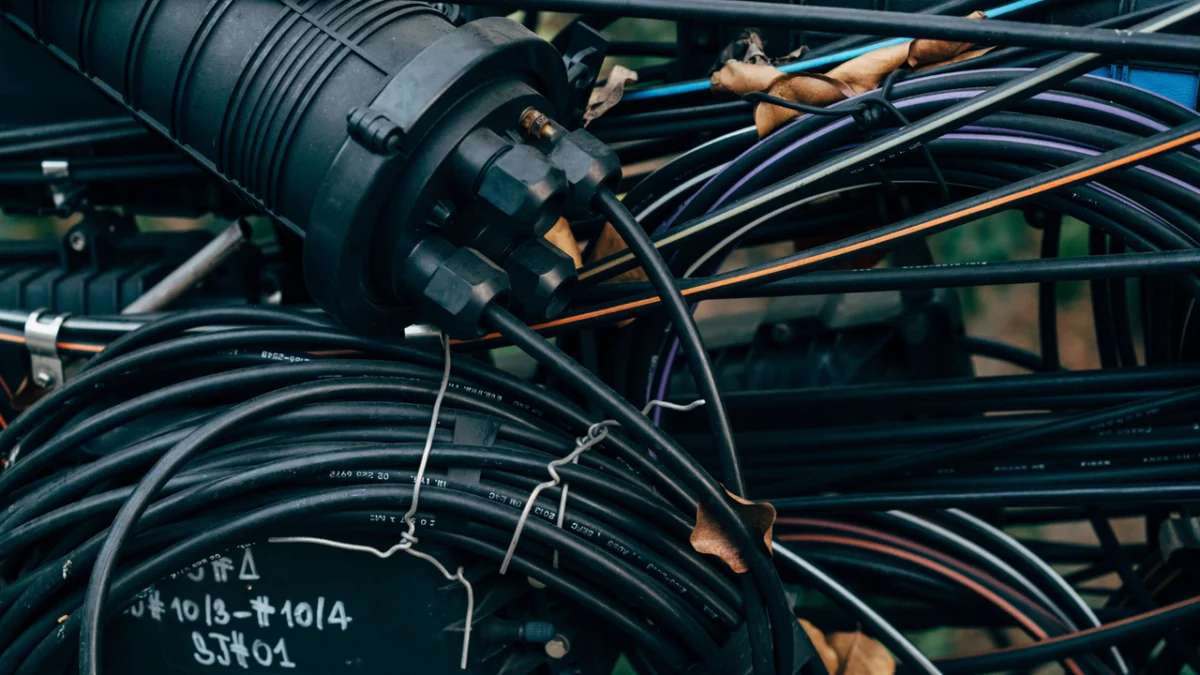
As the United Kingdom accelerates its transition toward a nationwide, high-speed fiber-optic network, the country’s largest telecommunications provider, BT, has stumbled upon a lucrative secondary revenue stream. While the primary objective of the company’s massive infrastructure overhaul is to retire aging copper networks in favor of future-proof fiber-to-the-premises (FTTP) technology, the process is yielding a windfall that few analysts could have predicted: the mass recycling of hundreds of thousands of tons of legacy copper cabling.
Driven by the voracious appetite of the global Artificial Intelligence (AI) boom, the market value of copper has soared to historic highs. For BT and its infrastructure subsidiary, Openreach, what was once considered a cost-intensive decommissioning project is effectively paying for itself, potentially generating billions of dollars in revenue over the next decade.
The Scale of the Transition: From Copper to Fiber
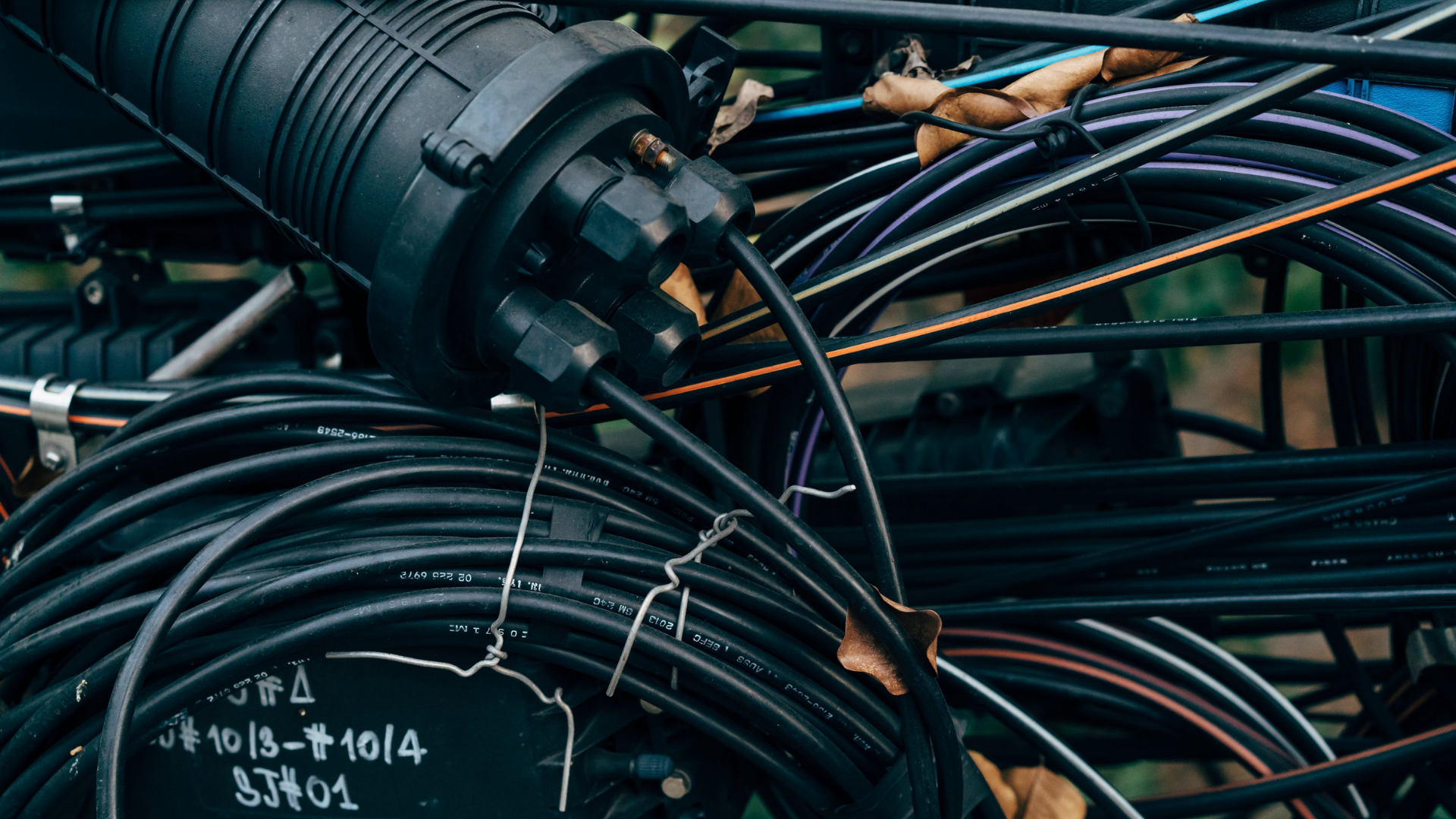
The shift from copper-based Digital Subscriber Line (DSL) infrastructure to fiber optics is the most significant overhaul of the UK’s telecommunications network in decades. This multi-billion-pound investment, led by Openreach, aims to provide residential and commercial end-users with symmetrical, high-speed connectivity. However, the physical removal of the “last mile” copper cabling—the intricate web of lines connecting homes to exchange cabinets—is a logistical behemoth.
According to reports, BT has entered a strategic partnership with EMR, one of the UK’s leading metal recycling firms. The agreement outlines the recovery and processing of approximately 200,000 tons of copper over a four-year period. This isn’t merely a waste-management exercise; it is an industrial-scale resource recovery operation. To date, over 22,000 metric tons have already been pulled from the ground, signaling the beginning of a massive supply injection into the commodities market.
Chronology of the Copper Windfall
The financial trajectory of this project has evolved in tandem with global economic shifts.
- Initial Phases (2020–2023): As Openreach began the initial phase of its fiber roll-out, the recovery of copper was treated as a standard disposal process. At the time, market prices for copper hovered around $8,500 per metric ton. Had BT liquidated its entire stockpile then, it would have netted a respectable, albeit standard, return of approximately $187 million.
- The AI Inflection Point (2024–2025): The global emergence of large-scale AI deployment began to place unprecedented strain on energy and manufacturing sectors. As industries scrambled to build data centers and expand electrical grids to support high-performance computing, the demand for high-conductivity metals skyrocketed.
- The Current Surge (2026 and beyond): Copper prices have since broken records, climbing past $14,000 per metric ton. With the project expected to continue well into the 2030s, BT is sitting on a resource that has nearly doubled in value since the inception of the fiber program.
Supporting Data: Why Copper is the New "AI Fuel"
It may seem counterintuitive that the AI boom—a digital phenomenon—is driving up the price of a physical metal associated with traditional telephony. However, the link is foundational. While AI data centers are increasingly utilizing fiber optics for data transmission, the infrastructure required to power these facilities is heavily reliant on copper.
The Power Density Challenge
Modern AI hyperscalers are projected to require roughly 194 gigawatts of power by 2035 to sustain the processing demands of GPU clusters and liquid-cooled servers. Electricity, unlike data, cannot be transmitted via light pulses through glass fibers. It requires conductive metal.
While aluminum is a viable alternative for some power distribution applications, copper remains the industry gold standard due to:
- Superior Conductivity: Copper allows for thinner cabling to carry the same electrical load, which is critical in the confined spaces of modern data centers and power substations.
- Thermal Performance: The heat generated by the massive power draws of AI hardware requires wiring that can handle high temperatures without degradation.
- Stability and Durability: Copper is less prone to the oxidation and expansion issues that can affect aluminum connectors over long periods of high-load stress.
As utility providers scramble to upgrade the electrical grid to handle the AI-induced power surge, they are competing with manufacturers and electronics firms for the same limited global supply of refined copper. This competition has created a perfect storm for BT, which essentially holds a massive, dormant reserve of this critical material in the form of its legacy network.
Official Perspectives and Strategic Implications
For BT, the recycling program represents a “win-win” scenario that mitigates the financial risks inherent in such a massive infrastructure upgrade. While the total value of the deal with EMR remains commercially sensitive, the fact that the recycler has already paid over $134 million (approx. £99 million) for just a fraction of the total copper indicates the scale of the financial benefit.
Industry analysts note that BT is effectively "subsidizing" its fiber rollout through its own waste stream. By moving residential endpoints away from copper, the company is not only improving service speeds and reducing maintenance costs for the future, but it is also reclaiming capital that can be reinvested into further network expansion.
Openreach, for its part, has emphasized the environmental benefits of the program. Recycling 200,000 tons of copper significantly reduces the need for energy-intensive copper mining, aligning the company with its broader sustainability and ESG (Environmental, Social, and Governance) goals. By circularizing the copper supply chain, BT is positioning itself as a leader in industrial resource management.
Broader Implications for the Tech Sector
The BT case study serves as a bellwether for the wider tech industry. The "AI Boom" has moved beyond the chipmakers and into the raw material supply chain. Rare earth elements, glass cloth fibers for PCBs, and now traditional copper are all facing supply constraints.
Supply Chain Fragility
The reliance on legacy infrastructure for modern components highlights a critical fragility in the global tech supply chain. As companies like NVIDIA, Apple, and Amazon compete for the latest AI-ready components, the underlying "plumbing" of the digital world—the copper, the grid, and the energy—is becoming just as contested as the silicon itself.
The Shift to Photonic Interconnects
While copper is essential for power, the industry is racing to minimize its use in data transmission. The rapid adoption of optical interconnects and silicon photonics is, in part, a response to the rising cost of copper. By replacing internal server copper wiring with fiber, data centers hope to reduce both power consumption and the reliance on increasingly expensive raw materials. However, as long as these data centers require gigawatts of power to function, the demand for copper-based power distribution will remain unabated.
Conclusion: A Legacy Reimagined
The irony of the digital age is that the infrastructure of the 20th century is providing the literal foundation for the 21st century’s most advanced technologies. BT’s transition to fiber was always intended to be a leap forward for the UK’s internet connectivity. It has, however, evolved into a masterclass in industrial recycling and financial efficiency.
As the company continues to pull its legacy network from the ground, it is not just laying down the future of broadband—it is harvesting a commodity that has become as essential to the AI era as the microchip itself. With an estimated $2.7 to $2.8 billion in potential revenue, BT has proven that in the age of Artificial Intelligence, one company’s "legacy" is quite literally another company’s gold.