Nila Kartika Wati
In the modern business landscape, the ability to synthesize vast amounts of data into actionable intelligence is no longer a luxury; it is a fundamental requirement for survival. As companies navigate the complexities of global supply chains, fluctuating market demands, and the urgent need for digital transformation, Enterprise Resource Planning (ERP) systems have emerged as the nervous system of the modern corporation. Among these, CEGID EKON stands out as a sophisticated, modular solution designed to harmonize disparate operational areas into a unified, high-performance platform.
What is an ERP? The Foundation of Organizational Synergy
At its core, an Enterprise Resource Planning (ERP) system is a comprehensive suite of software applications that integrate the various facets of a business—including accounting, manufacturing, supply chain, human resources, and sales—into a single, cohesive database.
Traditionally, businesses have suffered from "siloed" operations, where departments function as islands with limited communication between them. This fragmentation leads to data inconsistencies, duplicated effort, and delayed decision-making. An ERP acts as the "single source of truth." By centralizing information, CEGID EKON ensures that every department works from the same set of data, facilitating real-time visibility, enhanced traceability, and superior cross-departmental collaboration. In an era where agility determines competitive advantage, the capacity to synchronize these workflows is what separates industry leaders from those left behind.
The Evolution of CEGID EKON: A Chronology of Innovation
The development of CEGID EKON reflects a broader trend in software engineering: the move away from monolithic, rigid systems toward agile, cloud-native architectures.
- Phase 1: Foundation and Integration. The initial iteration of the platform focused on solving the fundamental problem of data fragmentation. By creating a robust central database, the system allowed companies to move away from disparate spreadsheets and legacy accounting software.
- Phase 2: Modular Expansion. Recognizing that a "one-size-fits-all" approach rarely succeeds in the diverse landscape of global industry, the development team pivoted toward a highly modular architecture. This allowed businesses to select only the tools they required, reducing overhead and complexity.
- Phase 3: Intelligence and Predictive Analytics. The modern era of CEGID EKON integrates artificial intelligence and advanced business intelligence (BI) tools. It is no longer just about recording what happened; it is about predicting what will happen. The system now offers "what-if" scenario planning, enabling executives to model financial outcomes before committing capital.
Comprehensive Functional Modules: Powering Every Corner of the Enterprise
CEGID EKON is characterized by its deep, industry-specific functional depth. Its architecture is divided into specialized modules designed to address the unique challenges of different business functions:
1. Project Management and Engineering
This module provides a panoramic view of company projects. From the initial planning phases—utilizing Gantt charts for timeline visualization—to the granular assignment of human and material resources, the system ensures that projects remain within budget and on schedule.
2. Advanced Logistics and Supply Chain
In a globalized market, logistics is a critical differentiator. CEGID EKON’s Warehouse Management System (WMS) and Transportation Management System (TMS) provide end-to-end oversight. By automating picking, packing, and routing, the platform minimizes human error and optimizes warehouse space, ensuring that goods move as efficiently as possible.
3. Financial Stewardship
Finance is the heartbeat of any enterprise. The CEGID EKON financial suite offers multi-location accounting, automated bank reconciliation, and strict adherence to both local and international tax regulations. Beyond compliance, it serves as a strategic planning tool, allowing for automated cash flow forecasting and budget management.
4. Specialized Construction Budgeting
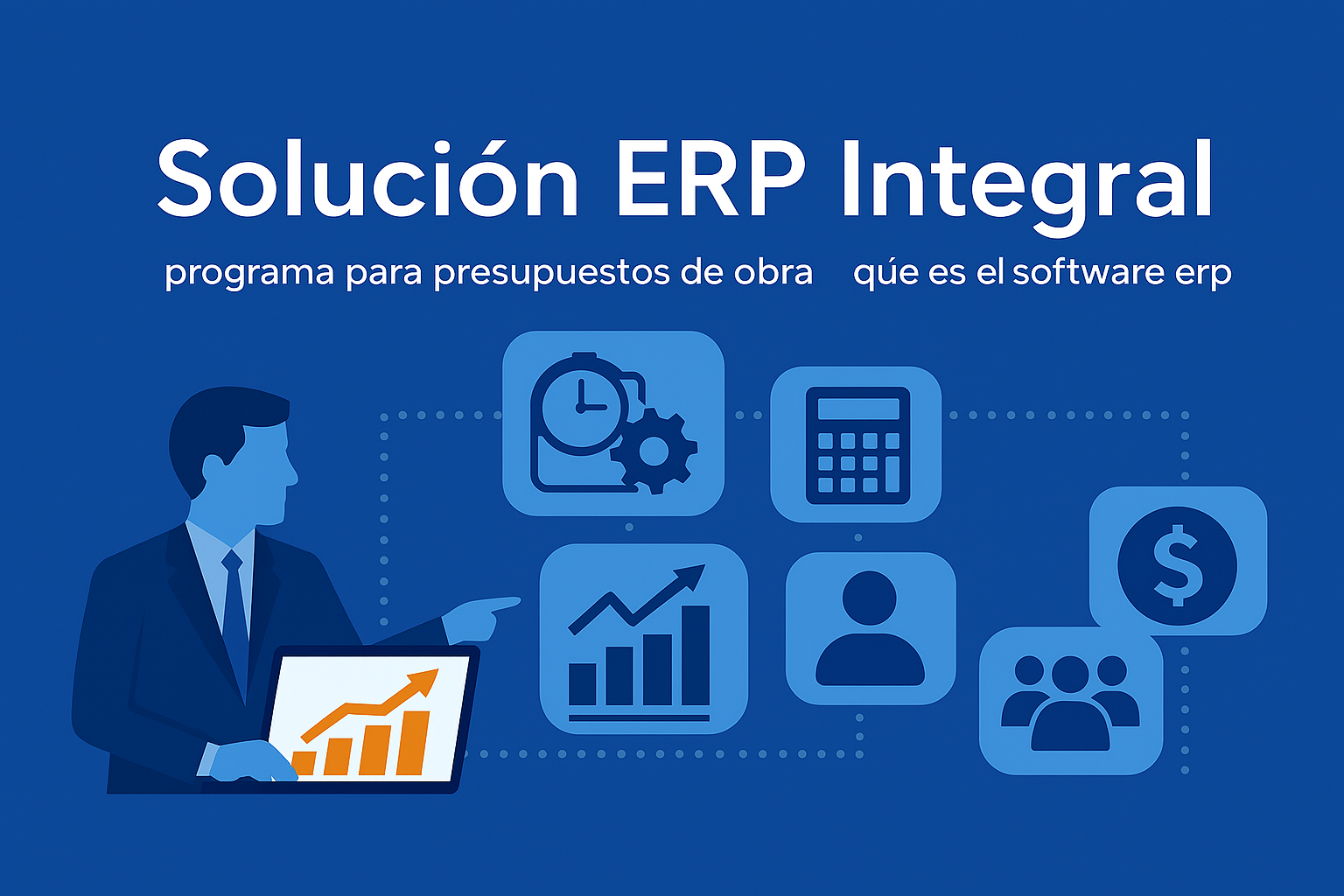
A standout feature of the platform is its dedicated module for construction and civil engineering. Unlike generic ERPs, this tool allows for a direct comparison between estimated costs and actual tariffs. It simplifies the generation of certifications and allows for the immediate identification of cost deviations, a critical feature for managing high-stakes infrastructure projects.
5. Human Capital Management (HCM)
Modern organizations recognize that people are their greatest asset. The HCM module manages the entire employee lifecycle, from recruitment and onboarding to performance evaluation, payroll, and professional development.
The Strategic Implications of Implementation
Adopting a system as comprehensive as CEGID EKON is a significant undertaking that yields profound long-term rewards. The implications of successful implementation are multifaceted:
- Operational Efficiency: By automating repetitive, manual tasks, employees are freed to focus on high-value activities, leading to an immediate boost in organizational productivity.
- Data-Driven Governance: Executives move from "gut-feeling" decision-making to a model based on real-time, objective data. This reduces risk and improves the accuracy of long-term strategic forecasting.
- Scalability: Perhaps the most significant advantage is the platform’s elasticity. As a company expands, whether through international growth or diversification of services, CEGID EKON scales alongside it. There is no need for costly system migrations; users simply activate the necessary modules as the business matures.
The Path to Implementation: A Structured Methodology
Implementing a new ERP is as much a cultural shift as it is a technological one. CEGID EKON’s implementation methodology is designed to mitigate the risks typically associated with large-scale digital transformation:
- Diagnostic Phase: Deep analysis of the current business state and identification of operational bottlenecks.
- Strategic Design: Mapping the organization’s specific requirements to the ERP’s functional capabilities.
- Deployment: A phased rollout that prioritizes critical functions while ensuring minimal disruption to day-to-day operations.
- Training and Adoption: Empowering staff through comprehensive training programs to ensure the full power of the software is utilized.
Quantifying Success: The ROI of Digital Transformation
Organizations often ask: How do we justify the investment? The Return on Investment (ROI) of CEGID EKON is typically observed across three primary vectors:
- Cost Reduction: Through inventory optimization and reduced administrative overhead, the system pays for itself by preventing "leaks" in the budget.
- Revenue Growth: Improved customer service (due to better delivery tracking and order management) leads to higher retention and increased customer lifetime value.
- Risk Mitigation: Automated compliance and audit trails protect the company from regulatory fines and internal fraud.
Conclusion: The Digital Pillar of Future Growth
In a volatile market, the ability to pivot is essential. CEGID EKON serves as more than just software; it is a catalyst for organizational resilience. By consolidating the complexities of project management, logistics, finance, and HR into one intelligent, intuitive environment, it empowers leaders to move forward with confidence.
Whether your organization is a growing SME or a complex multinational, the transition to a centralized ERP is the defining step of the digital era. CEGID EKON offers the structural integrity and the innovative foresight required to not only navigate today’s challenges but to proactively shape the future of your industry. In an environment where information is the most valuable currency, having a platform that manages, protects, and analyzes that information is not merely an advantage—it is the ultimate strategic imperative.


 Asro
Asro
 Nana Wu