Raul Delapena Setiawan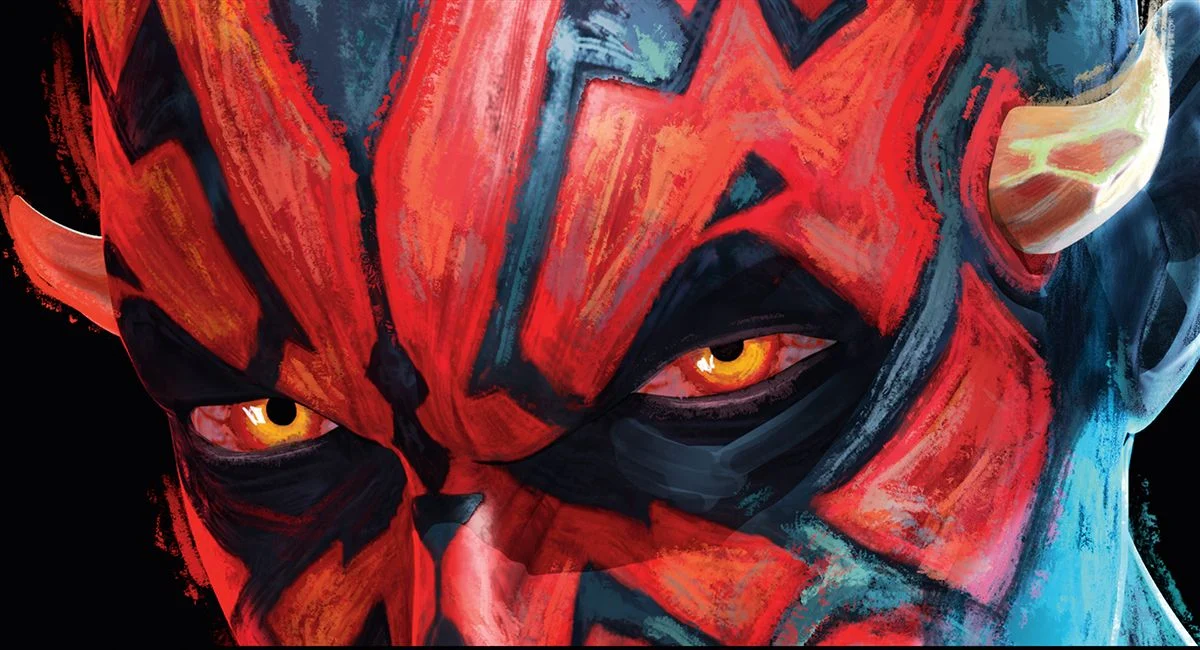
The Star Wars universe has long been defined by its iconic visual identity—a blend of "used-future" industrialism and mythic, painterly compositions. With the release of the Disney+ animated series Star Wars: Maul – Shadow Lord, Lucasfilm Animation has pushed these boundaries further, opting for an aesthetic that prioritizes the expressive quality of fine art over the pursuit of photorealism.
We sat down with Andre Kirk, Art Director at Lucasfilm Animation, to pull back the curtain on the rigorous design processes that brought this dark, introspective chapter of the Star Wars canon to life. By examining the creation of the mob-boss-turned-mech-warrior Looti Vario, the stoic Jedi Master Eeko-Dio Daki, the sprawling architecture of Janix, and the titular Sith Lord himself, we gain insight into the intersection of narrative storytelling and visual design.
The Philosophy of "Painterly" Animation
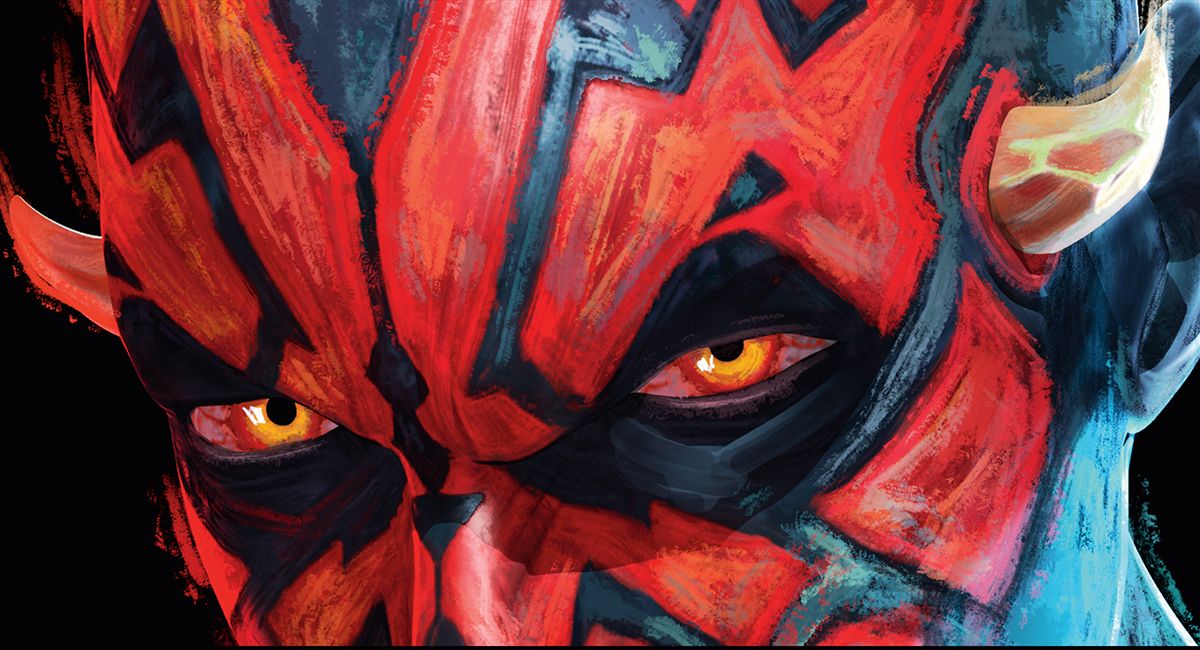
At the core of Maul – Shadow Lord is a deliberate rejection of hyper-realistic digital textures. "We don’t want to see the pores of the skin," Kirk explains. "We want to get closer to the painting… to see those brushstrokes."
This approach requires a sophisticated understanding of color theory and light. Rather than relying on simple gradients, the team utilized a palette of complementary colors to break up solid surfaces. This creates a "vibrating" effect that makes the environment feel alive and intentional. For the design team, the goal was to ensure that the viewer is constantly reminded they are watching a curated work of art, a choice that mirrors the epic, illustrative roots of the Star Wars saga.
Character Study: The Evolution of Looti Vario
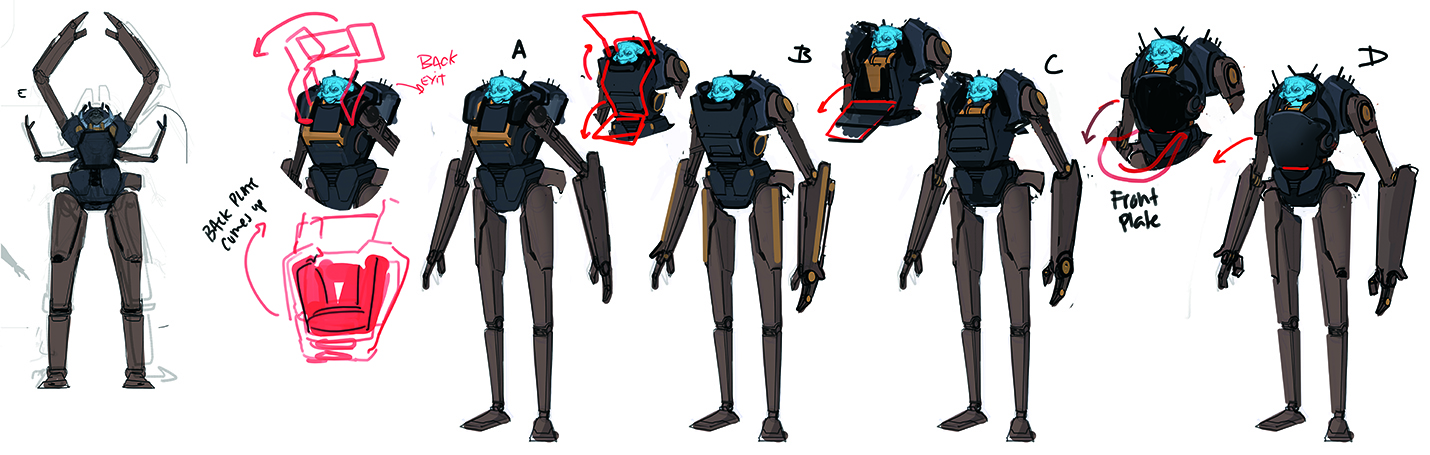
Looti Vario represents one of the series’ most distinct character designs—an Aleena, the reptilian species known for their diminutive size, encased in an imposing, complex mech suit.
From Script to Silhouette
The design process for Vario began with a deep dive into character history. "We knew he was going to be an Aleena, and we knew that we wanted to put him in a mech suit," Kirk notes. The design team conducted extensive research into the canon appearances of Aleenas, specifically referencing their anatomy in The Clone Wars.
However, the team did not just copy existing assets; they iterated. The challenge was to balance the character’s "whimsical" nature—highlighted by his comically small weapon—with the imposing, gritty reality of his role as a crime lord.
The Importance of "Head-Canon"
One of the most fascinating aspects of the Maul – Shadow Lord production is the "backstory-first" approach. For every character, designers were encouraged to build a narrative arc that informed visual choices.
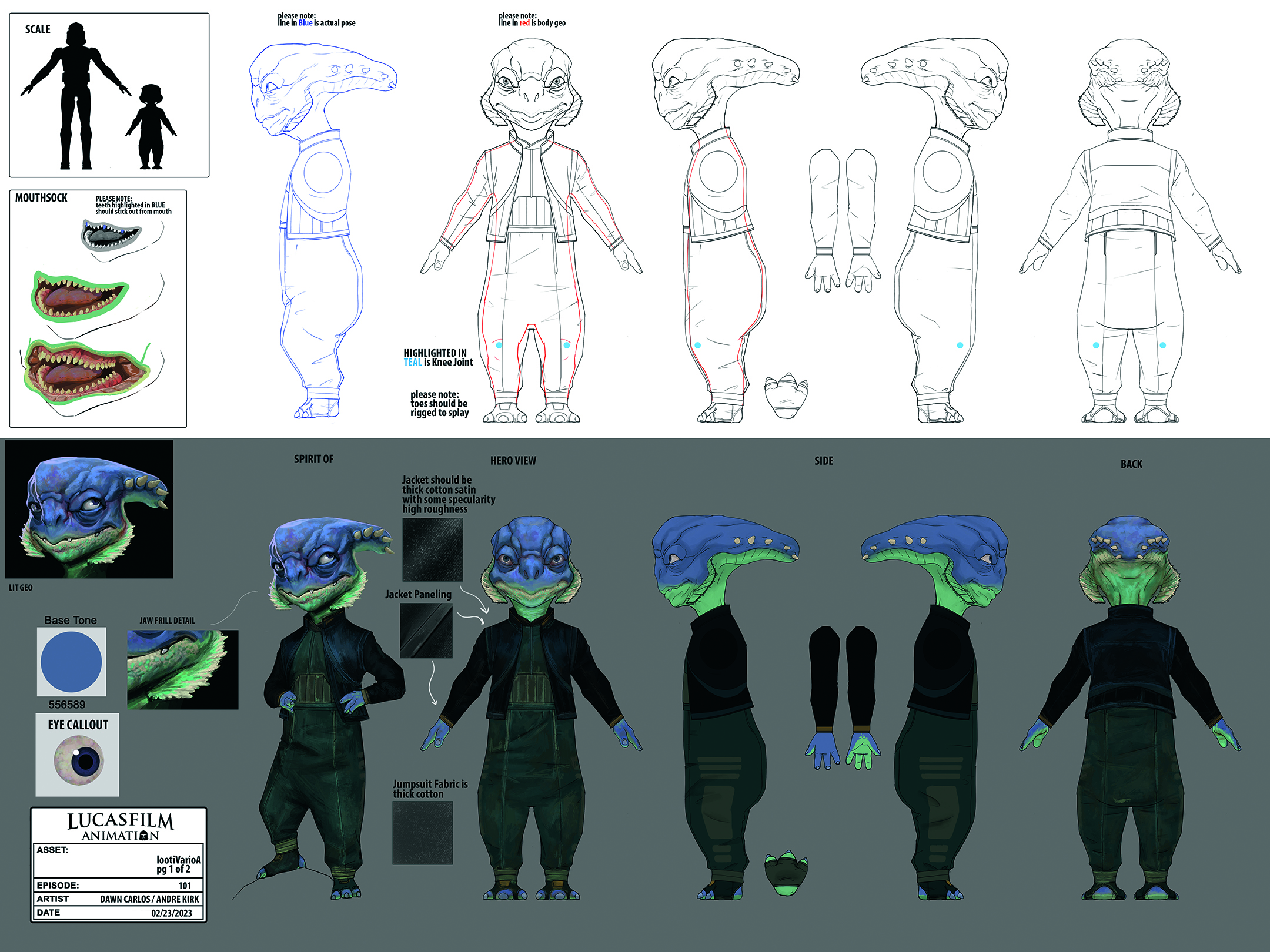
"For Looti Vario, we figured this fella out all the way from his birth through college, and then graduating as a crime lord," says Kirk. By imagining Vario’s journey—his fashion sense, his upbringing, and his rise to power—the designers were able to justify the specific wear and tear on his mech suit. Even if these details aren’t explicitly stated in the script, they manifest in the design, giving the character a sense of weight and history that audiences can subconsciously perceive.
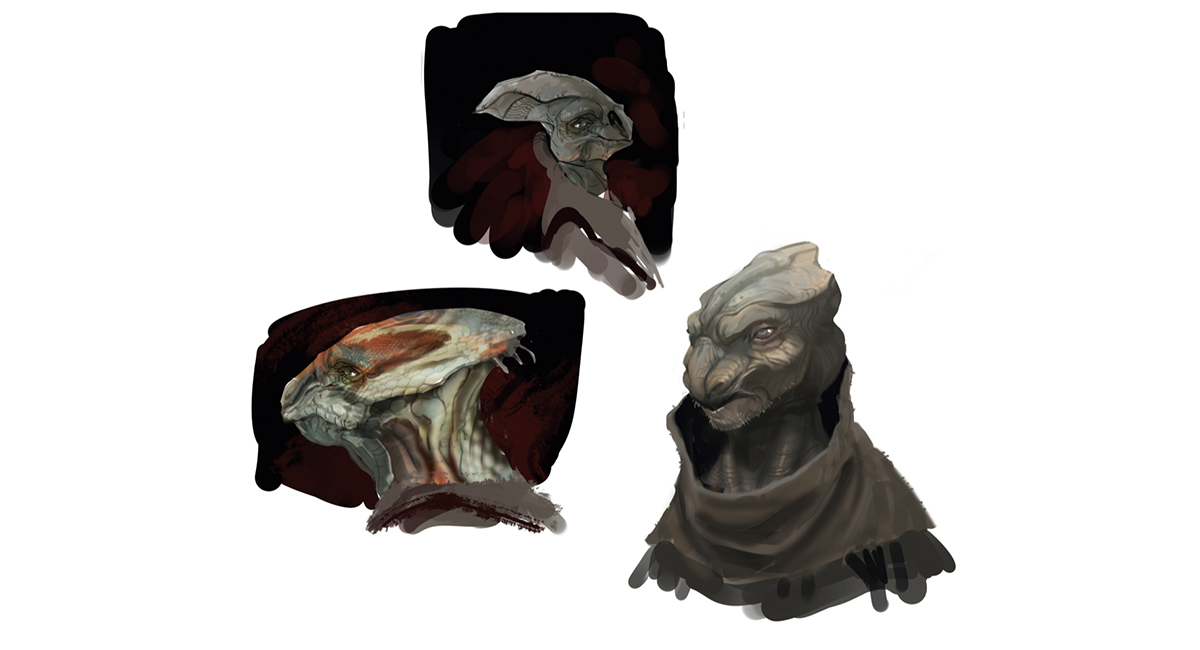
Designing Jedi Master Eeko-Dio Daki
Master Daki posed a different set of challenges, specifically regarding the interaction between costume design and environmental lighting.
Texture and Materiality
Daki’s costume is a masterclass in stylized realism. His suit bears a resemblance to a pilot’s flight gear, prompting the team to ask: Where did he get it? Is he in disguise? These questions led to a design that felt functional yet worn.
To maintain the painterly aesthetic, the team focused on how the costume interacted with light. They had to solve the "cape problem"—how to create a multi-colored, tattered garment that catches light evenly without losing its stylized, non-realistic edge. The solution involved using textures reminiscent of plaster gypsum. By alternating between "paint" and "weave" surfaces, the team created a tactile experience that feels grounded, even when the visual language remains firmly in the realm of art rather than simulation.
The Architecture of Janix: A Logical Layout
While characters capture the audience’s attention, the environment provides the essential context. The city of Janix, introduced in the series’ debut, serves as a testament to the importance of architectural logic in animation.
The "Real-World" Approach
"There’s very little interpretation between the designs and the final product," Kirk explains. The design team, led by artists like Chris Felker, was tasked with mapping out every facet of the city—from bridge connections to signage—to ensure that the geography was consistent.
This level of detail is crucial for spatial awareness. Even if the camera never pans to a specific alleyway, the design team knows exactly how that space connects to the main thoroughfare. By creating a fully functional city layout, the team ensures that when the story requires a chase or a tense standoff, the audience never feels lost. It is a commitment to world-building that elevates Janix from a mere backdrop to a living, breathing character.
The Titular Shadow: Refining Maul
Darth Maul is perhaps the most visually recognizable character in the series, but he required a delicate touch to distinguish his appearance in Shadow Lord from his iconic look in The Clone Wars.
Balancing Cool and Warm Tones
For Maul, the team faced the challenge of maintaining his classic silhouette while introducing subtle, modern nuances. The color palette was a primary concern. The team opted for a "cool" look for his skin and black attire to prevent the character from feeling overly warm or saturated in neutral lighting.
"We want the paint to be the surface of objects and clothing and skin," Kirk says. This meant treating Maul’s body as a canvas. By using complementary hues within his black clothing and skin markings, they added depth without moving toward photorealism. The result is a Maul that feels familiar to longtime fans but possesses a new, sharper, more "brushed" quality that fits the unique visual identity of the series.
Implications for the Future of Animation
The production of Star Wars: Maul – Shadow Lord signals a broader shift within Lucasfilm Animation. As technology becomes increasingly capable of generating hyper-realistic imagery, the choice to embrace the "painterly" and the "hand-crafted" becomes a radical, stylistic statement.
The Human Element
The implications of this process are clear: great animation is not just about the quality of the render, but the depth of the intent. By encouraging designers to engage in "head-canon" and providing them with deep, observational references—like the properties of gypsum or the mechanics of fabric—the production team creates a workflow that is inherently human-centric.
The Workflow of the Future
This approach also provides significant benefits for the downstream production teams. When the art department delivers assets that are already "locked" in terms of color, lighting, and spatial logic, it streamlines the work for the lighting and technical teams. It reduces the need for constant, iterative changes, allowing the artists to focus on the performance and the narrative.
Conclusion
Star Wars: Maul – Shadow Lord is more than a series; it is a case study in how animation can bridge the gap between high-concept storytelling and traditional artistic techniques. By focusing on the "brushstroke" rather than the "pore," and by rooting every design in a meticulously crafted backstory, Lucasfilm Animation has proven that the Star Wars universe is at its best when it leans into its mythic, illustrative roots.
As the series continues to unfold, the work of Andre Kirk and his team serves as a reminder to artists and fans alike: whether it is a Jedi’s cape or the sprawling skyline of an alien city, every detail matters. The shadows in Shadow Lord are not just the absence of light—they are a deliberate, artistic choice, painted with intention to define a darker, deeper corner of the galaxy far, far away.

 Asep Darmawan
 Layla Zulfa