Muslim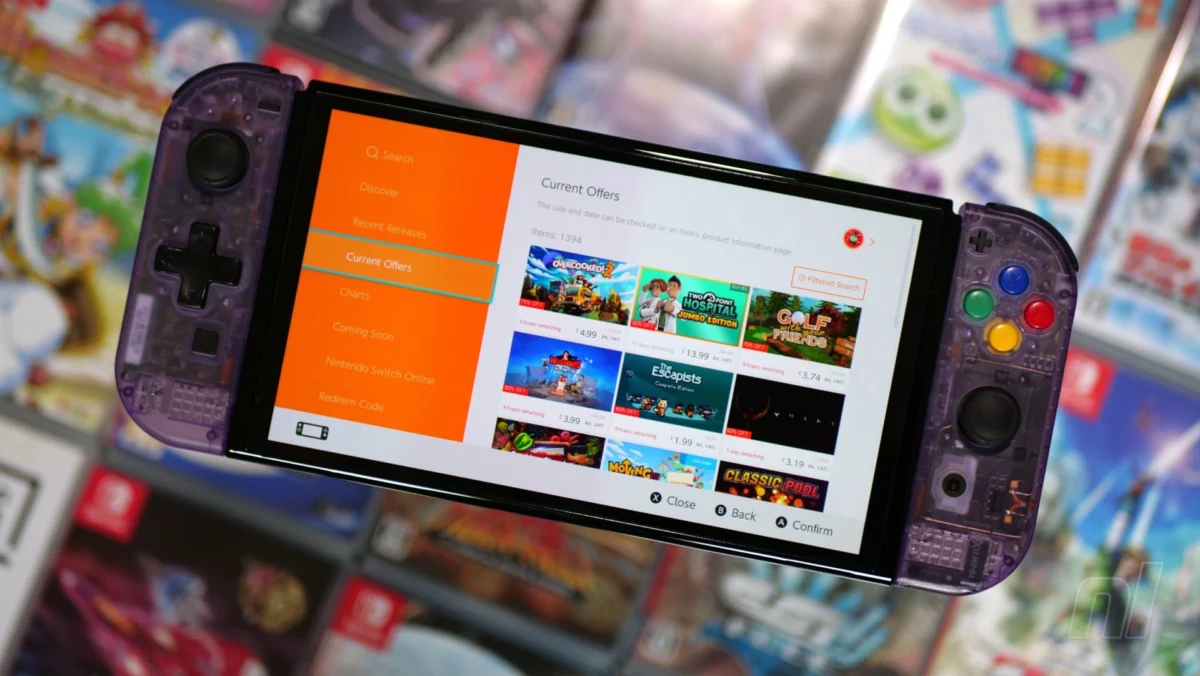
A significant system update for the Nintendo Switch has finally brought its digital storefront, the eShop, into the modern era, mirroring the streamlined experience of the upcoming Switch 2. The update ditches the outdated browser-based interface for a dedicated, faster, and more visually appealing application, addressing long-standing user frustrations.
Nintendo has once again demonstrated its commitment to refining the user experience on its flagship console. In a move that has been eagerly anticipated by its player base, a recent system update for the Nintendo Switch has introduced a comprehensive redesign of the eShop. This overhaul not only modernizes the digital storefront’s appearance but also significantly enhances its performance, bringing it in line with the more sophisticated interface found on the forthcoming Nintendo Switch 2. While the Switch 2 also received its own system update, the impact of the Switch eShop redesign is far more substantial for the vast majority of current Nintendo Switch owners.
For years, the Nintendo Switch eShop has been a source of both convenience and consternation. While it provided a gateway to a vast library of digital games, its browser-based architecture often resulted in sluggish loading times, a clunky navigation experience, and a general feeling of being technologically outpaced by competing platforms. This latest update, however, appears to have addressed these critical shortcomings head-on, promising a dramatically improved user journey for anyone looking to purchase or explore digital titles.
The Dawn of a New eShop Experience
The most striking change is the complete abandonment of the browser-based eShop. This antiquated system, which often felt like navigating a website within the console, has been replaced by a fully integrated, dedicated application. This fundamental shift in architecture is the cornerstone of the eShop’s newfound agility. Users will immediately notice a significant boost in speed, with navigation through menus, game pages, and particularly the "Current Offers" tab, now feeling remarkably fluid and responsive. As highlighted by industry observers like Daniel Vuckovic of Vooks, the difference in performance is not merely incremental; it’s a night-and-day transformation that addresses a persistent pain point for the Nintendo Switch community.
Beyond the performance enhancements, the visual identity of the eShop has also undergone a substantial facelift. The overall design has adopted a much darker aesthetic. This thematic shift is not only visually striking but also aligns with the "Basic Dark" theme option available for the Switch homepage. This automatic application of the dark theme when selected creates a cohesive and immersive visual experience, making the eShop feel more like an integrated part of the console’s operating system rather than a separate, tacked-on element. The improved visual presentation contributes to a more premium and sophisticated feel, elevating the overall perception of Nintendo’s digital marketplace.
The visual overhaul and performance improvements are best appreciated through direct observation. Footage shared by Nintendo Life (and embedded within this article) clearly illustrates the dramatic reduction in load times and the seamless scrolling capabilities. The ability to quickly browse through sales and new releases without the frustrating delays of the past is a testament to the efficacy of Nintendo’s engineering efforts in this update. This is not just a cosmetic change; it’s a fundamental improvement that directly impacts the day-to-day usability of the eShop for millions of players worldwide.
A Long Overdue Evolution: Chronology of the Switch eShop
The Nintendo Switch launched in March 2017, and with it came the original iteration of the eShop. From its inception, it was clear that Nintendo was leaning on a web-based infrastructure for its digital storefront. While this approach allowed for rapid deployment and potentially easier updates in the early days, it quickly became apparent that it was a bottleneck for performance and user experience as the Switch’s digital game library exploded.
Early Years (2017-2019): The eShop served its purpose, allowing users to purchase and download games. However, complaints about slow loading times, particularly when browsing large game lists or sales, began to surface regularly in online forums and reviews. The interface was functional but lacked the polish and responsiveness seen on other platforms.
Mid-Life Cycle (2020-2022): As the Switch’s popularity soared and the sheer volume of digital releases increased exponentially, the eShop’s limitations became more pronounced. The influx of numerous smaller, often lower-quality titles, colloquially termed "eSlop," further exacerbated performance issues and made it harder for players to discover genuinely compelling games. While Nintendo occasionally tweaked the eShop’s presentation, the core browser-based architecture remained unchanged, leading to growing user frustration.

Anticipation and Rumors (2023-2024): With the development of the Nintendo Switch 2 becoming an open secret, speculation mounted about the future of Nintendo’s digital ecosystem. Many anticipated that the successor console would feature a completely redesigned eShop, and the question on many minds was whether Nintendo would bring similar improvements to the original Switch. The release of system updates that didn’t address the eShop’s core issues only fueled this anticipation.
The Breakthrough Update (Present Day): The recent system update marks a significant turning point. By completely rebuilding the eShop as a dedicated application and optimizing its performance, Nintendo has not only brought the original Switch’s digital storefront up to contemporary standards but has also laid the groundwork for a consistent and enhanced user experience across its future hardware. This update represents the culmination of years of user feedback and a strategic decision to invest in the core infrastructure of its digital services.
Supporting Data: The Tangible Impact of the Redesign
The qualitative improvements in speed and aesthetics are significant, but they are underpinned by more tangible benefits that directly affect user engagement and satisfaction.
-
Reduced Load Times: The most immediate and impactful change is the drastic reduction in load times. Tasks that previously took several seconds, such as navigating between game categories or opening individual game pages, now happen almost instantaneously. This is particularly noticeable when browsing sales, where users can quickly cycle through numerous discounted titles without the aggravating pauses that plagued the old eShop. This efficiency encourages more exploration and impulse purchases.
-
Smoother Navigation: The dedicated app architecture allows for much smoother scrolling and transitions. The jarring jumps and stuttering that were common in the browser-based version are now largely absent. This creates a more fluid and enjoyable browsing experience, making the eShop feel less like a chore and more like a discovery tool.
-
Enhanced Visual Cohesion: The adoption of a darker theme and a more modern UI design creates a visually appealing environment. This improved aesthetic can make the eShop feel more premium and less like an afterthought. When combined with the "Basic Dark" theme for the Switch homepage, it fosters a sense of seamless integration within the console’s overall user interface.
-
Improved Discoverability (Potential): While not explicitly detailed in the update notes, a faster and more responsive eShop has the potential to improve game discoverability. When users can browse more efficiently, they are more likely to stumble upon hidden gems or titles they might have otherwise overlooked due to the friction of the old interface.
-
Foundation for Future Growth: This overhaul provides a robust platform for Nintendo to implement future features and services within the eShop. A modern, performant application is far more conducive to innovative additions than the limitations of a browser-based system.
Official Responses and Developer Insights
While Nintendo has not issued a formal press release specifically detailing the eShop redesign, the update itself serves as a strong official endorsement of the changes. The company’s consistent efforts to refine the Switch experience, from hardware revisions to system software updates, underscore a dedication to user satisfaction.

The inclusion of the eShop redesign in a general system update, alongside performance enhancements for the Switch 2, signals that this is a priority for Nintendo. The decision to bring the eShop experience of the Switch 2 to the original Switch is a rare and welcome move, demonstrating a commitment to ensuring a high-quality digital marketplace for all its players.
Industry analysts and journalists, such as Daniel Vuckovic from Vooks, have played a crucial role in disseminating information and highlighting the significance of these changes. Vuckovic’s observation of the dramatically improved speed and the transition to a dedicated app format has provided valuable external validation of the update’s impact.
The lack of explicit marketing around this particular update could be interpreted in a few ways. It might suggest that Nintendo views this as a standard, albeit significant, refinement of its existing services rather than a major new feature launch. Alternatively, it could be a strategic move to let the improved user experience speak for itself, allowing players to discover the benefits organically. Regardless of the communication strategy, the impact on the user base is undeniably positive.
Implications: A Cleaner Digital Marketplace and a Renewed Focus
The overhaul of the Switch eShop carries several significant implications for players, developers, and Nintendo itself.
For Players:
- Enhanced User Experience: The most immediate implication is a vastly improved and more enjoyable way to interact with Nintendo’s digital storefront. Faster loading, smoother navigation, and a more appealing visual design make purchasing and browsing games a much more pleasant activity.
- Increased Engagement with Digital Titles: A more efficient eShop can lead to increased engagement with digital games. Players are more likely to browse sales, discover new indie titles, and make digital purchases when the process is frictionless.
- Potential for Better Discoverability: While the eShop still faces the challenge of a crowded marketplace, a more responsive interface could indirectly aid in the discovery of quality games amidst the deluge of titles.
For Developers:
- Fairer Competition (Potentially): The persistent issue of "eSlop" – low-quality games often using AI-generated assets and misleading marketing – has been a source of frustration for legitimate developers. While this update doesn’t directly address the curation of the eShop, a faster and more visually appealing store might make it slightly harder for egregious examples of eSlop to stand out through sheer brute force of poorly implemented marketing. However, the underlying issue of content moderation remains.
- Improved Visibility for Quality Titles: A smoother browsing experience could inadvertently lead to more players discovering well-crafted indie games that might have been lost in the shuffle of the previous clunky interface.
For Nintendo:
- Modernized Digital Infrastructure: This update signifies a significant modernization of Nintendo’s digital services. It brings the Switch eShop in line with contemporary standards and provides a robust foundation for future digital initiatives.
- Improved Brand Perception: A more user-friendly and performant eShop contributes to a positive overall perception of Nintendo’s hardware and software ecosystem. It demonstrates a willingness to listen to player feedback and invest in core user experience.
- Bridging the Gap to the Switch 2: By bringing the eShop experience of the Switch 2 to the original Switch, Nintendo ensures a more consistent brand experience across its hardware generations. This can ease the transition for players when they eventually upgrade to the new console.
- Addressing the "eSlop" Problem (Indirectly): While the update doesn’t introduce new content moderation policies, the improved performance and visual design might make it slightly more challenging for the most egregious examples of low-quality games to gain traction. However, the fundamental challenge of curating the eShop and combating misleading titles remains a significant hurdle for Nintendo. The company will likely need to implement more direct measures to tackle the proliferation of "eSlop" to truly foster a healthier digital marketplace.
In conclusion, Nintendo’s recent system update represents a monumental leap forward for the Switch eShop. The transition from a cumbersome browser-based interface to a dedicated, high-performance application is a long-awaited and highly celebrated improvement. While the battle against the proliferation of low-quality "eSlop" titles continues, this redesign undeniably enhances the user experience, making the Nintendo Switch’s digital storefront a more enjoyable and efficient place for players to discover and purchase their next gaming adventure.


 Lina Irawan
 Sagoh
Sagoh