Nila Kartika Wati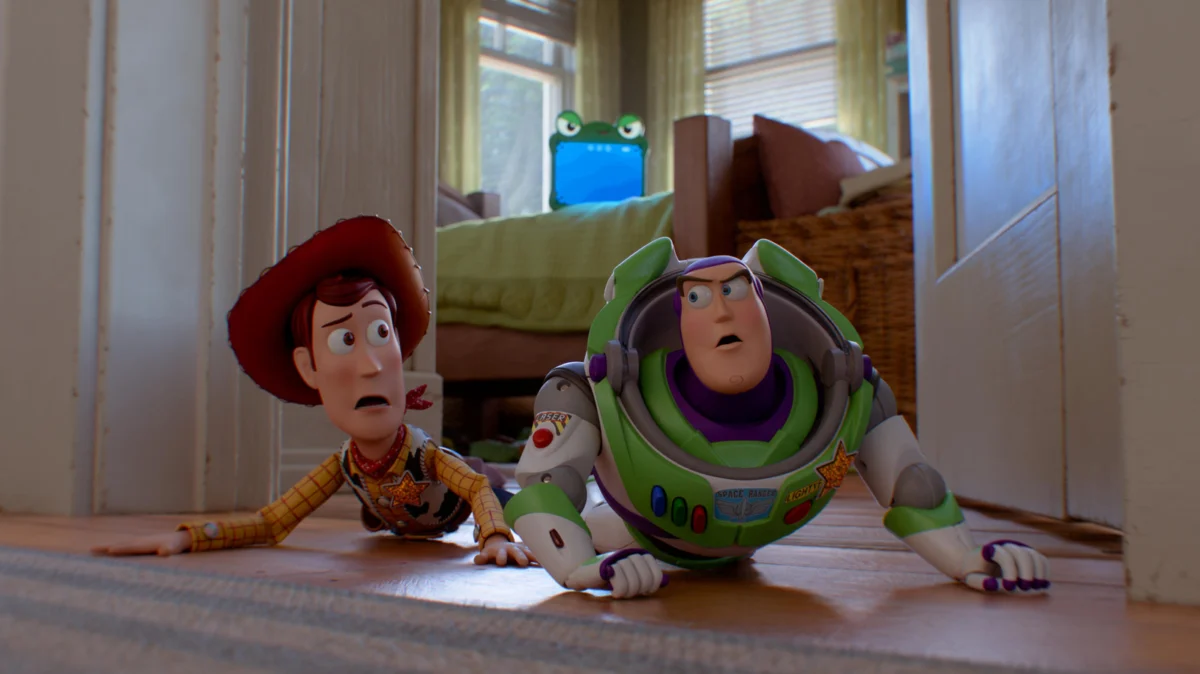
The release of Toy Story 5 on June 19, 2026, marks a watershed moment for Pixar Animation Studios. For over three decades, the Toy Story franchise has served as the bedrock of the studio’s identity, evolving from a groundbreaking technological experiment in 1995 to a multi-generational cultural phenomenon. As Woody, Buzz, and the rest of the gang prepare to face their most formidable adversary yet—the encroaching world of modern technology—audiences are once again flocking to theaters.
Amidst the anticipation, a common question has surfaced among fans of the franchise: Is it worth staying until the screen goes completely dark? In the era of the Marvel Cinematic Universe, where post-credits scenes serve as essential narrative roadmaps for future sequels, the etiquette of the theater has shifted. For those planning their trip to the cinema, here is a comprehensive, spoiler-free guide to the post-credits landscape of Toy Story 5.
The Main Facts: Navigating the Credits
For viewers who appreciate the tradition of staying through the rolling names to honor the animators, designers, and composers who brought the film to life, there is good news. Toy Story 5 does, in fact, feature additional content during and after the credits.
Specifically, the film includes both a mid-credits scene—occurring shortly after the primary title sequence concludes—and a final post-credits scene that waits until the very last frame has cleared. While these sequences are not essential to understanding the core emotional arc of the film, they provide the kind of lighthearted, character-driven levity that has become a staple of the Pixar brand.
These scenes act as a "victory lap" for the characters, offering small, humorous vignettes that don’t necessarily rewrite the history of the franchise but serve as a delightful coda for long-time fans. If you are debating whether to rush to the exit, the consensus is clear: stay for the duration. It is a reward for your patience and a final opportunity to spend a few more moments in the world of Bonnie’s bedroom.
A Chronology of Pixar’s Post-Credits Legacy
To understand why the inclusion of these scenes in Toy Story 5 matters, one must look back at the historical relationship between Pixar and the end-credits format. In the early days of the studio, Pixar films were largely self-contained narratives. The original Toy Story (1995) did not feature a traditional post-credits stinger, though it famously included "outtakes" that presented the characters as actors on a movie set—a meta-commentary that delighted audiences.
As the studio grew, so did its ambition. By the time Monsters, Inc. and A Bug’s Life were released, Pixar began to lean into the concept of the "theatrical stinger." These were rarely designed to set up a sequel; instead, they functioned as "Easter eggs" or extended gags that reinforced the film’s central theme.
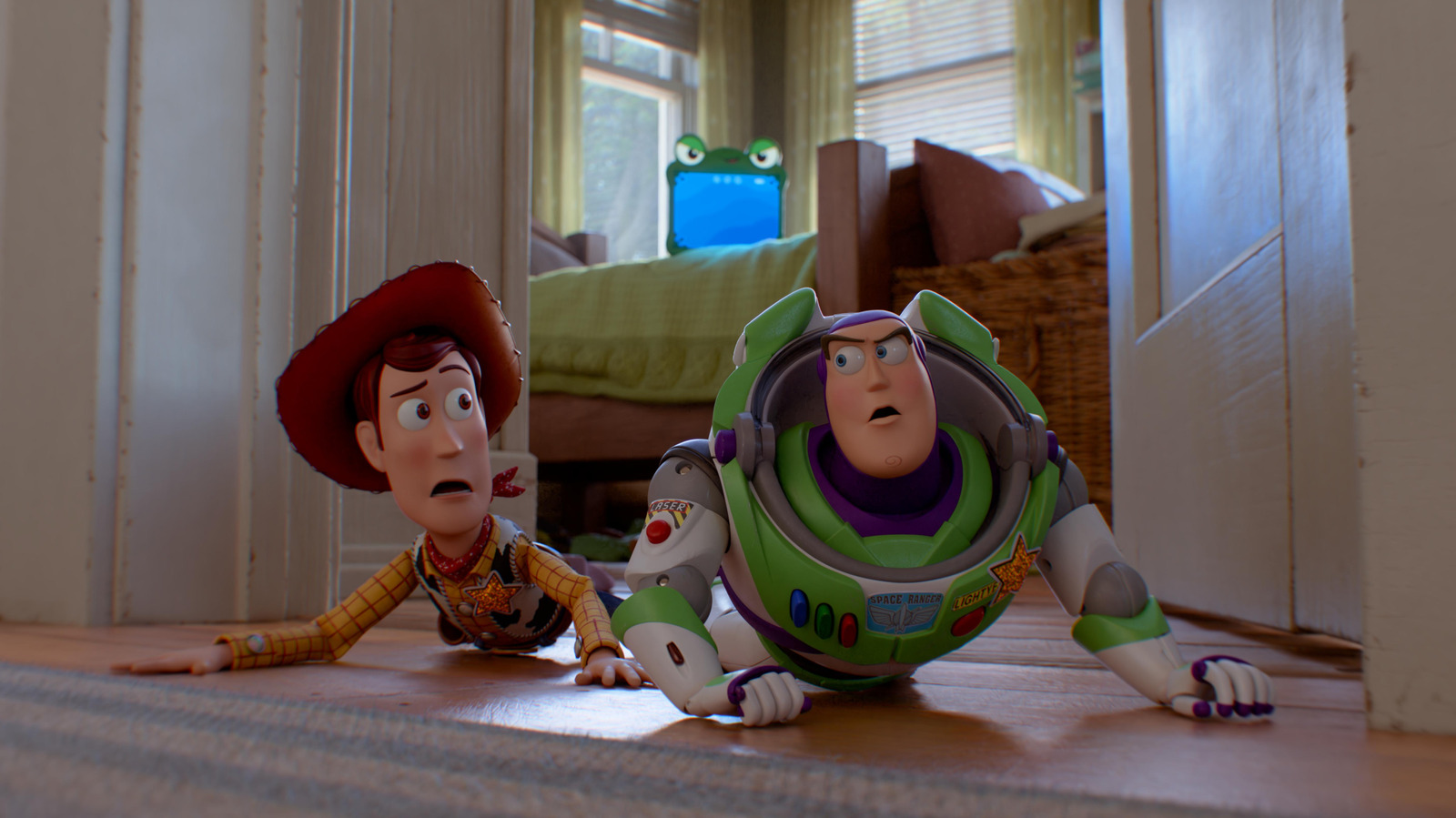
Toy Story 5 follows this tradition rather than the modern blockbuster model. While Marvel uses these slots to introduce new heroes or villainous threats, Pixar’s approach remains rooted in character enrichment. By examining this chronology, it becomes evident that the Toy Story 5 scenes are designed to provide a sense of closure rather than a teaser for a hypothetical Toy Story 6.
Supporting Data: The "Toy Meets Tech" Paradigm
The narrative stakes of Toy Story 5 are higher than they have been since the 2010 conclusion of the original trilogy. The premise centers on the conflict between traditional analog play and the digital age. The arrival of "Lilypad," a sophisticated, AI-driven tablet voiced by Greta Lee, represents the most significant threat the toys have ever faced.
The Technological Pivot
- The Conflict: Lilypad is not a "villain" in the traditional sense, but a functional object that captures the attention of the child, Bonnie, more effectively than static figurines.
- The Character Dynamics: The film explores the existential crisis of a toy in a world where "playtime" is increasingly synonymous with "screen time."
- The Creative Team: With Andrew Stanton (the visionary behind Wall-E and Finding Dory) at the helm, the film balances heavy thematic weight with the classic humor audiences expect.
The decision to include post-credits scenes in this specific entry is strategically sound. By providing a light, comedic button after the film’s emotional climax, the creators allow the audience to decompress from the heavier, more introspective moments of the third act.
Official Responses and Creative Vision
The decision to continue the Toy Story saga after the seemingly definitive ending of Toy Story 4 was initially met with skepticism from both critics and the creative team. Josh Cooley, who directed the fourth installment, was famously hesitant about continuing the story, feeling that the characters had reached a natural conclusion.
However, director Andrew Stanton has emphasized that the goal of Toy Story 5 was never to force a continuation, but to explore a new facet of the toys’ existence that hadn’t been touched upon yet. In recent press junkets, Stanton noted that the inclusion of post-credits material was a collaborative decision made during the final stages of editing.
"We wanted the audience to walk away with a smile," Stanton remarked. "Sometimes, the biggest moments are the quietest ones that happen after the music stops. We felt the characters deserved that last moment of connection with the audience."
Co-director Kenna Harris echoed this sentiment, stating that the team viewed the post-credits sequences as a way to acknowledge the fans who have grown up alongside these characters over the past 31 years.
Implications for the Future of the Franchise
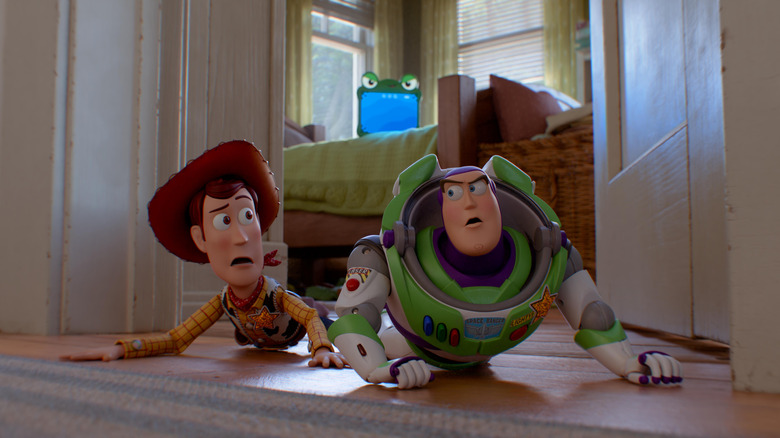
Does the existence of these scenes imply a Toy Story 6? Not necessarily. In the current industry climate, post-credits scenes have become a standard "check-box" for major intellectual properties. However, there is a distinct difference between a "teaser" and a "coda."
The scenes in Toy Story 5 fall firmly into the latter category. They serve to finalize the emotional state of the toys in their new, technology-saturated environment. They do not introduce a new nemesis, nor do they suggest a cliffhanger. Instead, they provide a sense of stability.
For Pixar, this is a strategic move to maintain the brand’s integrity. If Toy Story 5 is to be the final chapter of this legendary series, the post-credits scenes serve as a gentle, humorous farewell rather than an open-ended question. It allows the studio to pivot toward original IP in the future without leaving a lingering, unresolved narrative thread hanging over the heads of the fans.
Why You Should Stay
- The Craftsmanship: The credits are a testament to the thousands of artists, programmers, and engineers who spent years creating the film’s visual language.
- The Emotional Release: After the high-stakes narrative regarding the toys’ place in a modern home, the final vignettes provide a necessary breath of fresh air.
- The Tradition: As one of the most iconic film series in history, staying through the credits is a sign of respect for the legacy of the characters.
Final Thoughts
As we approach the release of Toy Story 5, it is clear that the film is more than just another sequel; it is a cultural event. Whether you are a fan who grew up with Andy’s toys in 1995 or a new viewer experiencing the franchise for the first time, the film promises a rich, albeit challenging, exploration of modern childhood.
When you find yourself in the theater on June 19, 2026, do not be the person who rushes for the exit as soon as the screen turns to black. Instead, lean back, let the score by the legendary Randy Newman wash over you, and enjoy the final, subtle rewards that Pixar has tucked away at the end of the journey. In the world of Toy Story, every detail matters—and the post-credits scenes are the final, perfect pieces of the puzzle.


 Asro
Asro
 Nana Wu