Layla Zulfa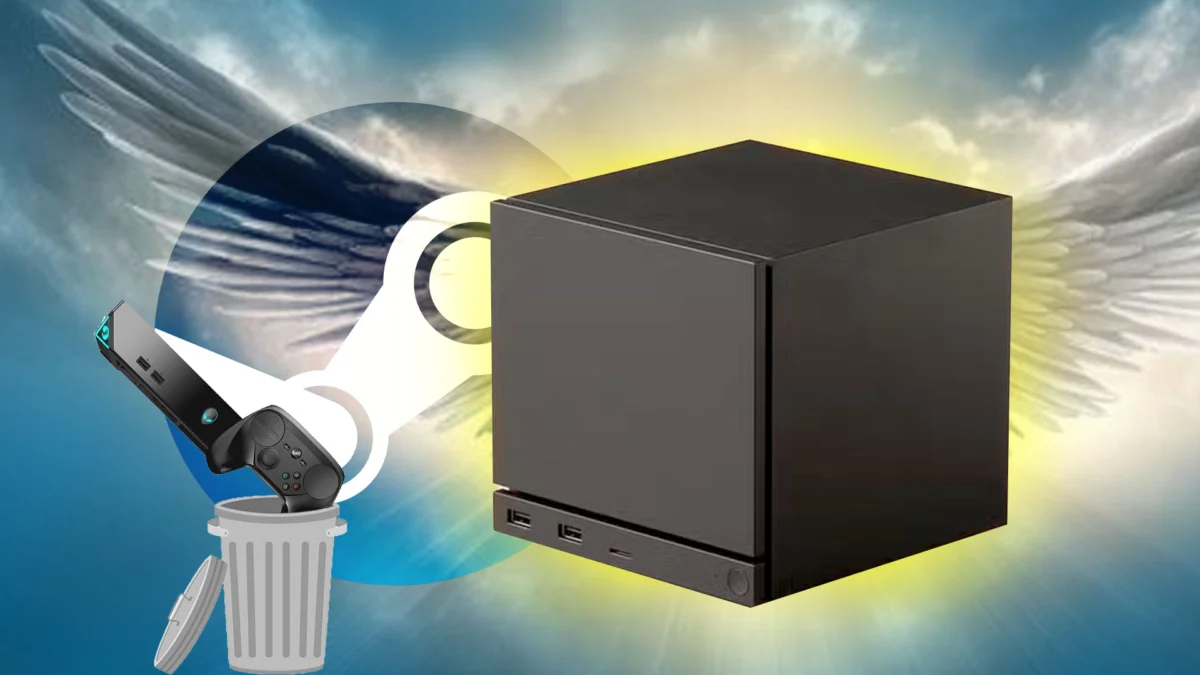
After months of intense industry speculation, cryptic leaks, and fervent community anticipation, Valve has finally pulled back the curtain on the pricing structure for its long-awaited hardware venture: the Steam Machine. The announcement, while clarifying the hardware landscape, has sent a shockwave through the gaming community, as the price points for these dedicated living-room PCs exceed the expectations of even the most optimistic market analysts.
For a company that once sought to democratize PC gaming through the Steam Deck, the Steam Machine represents a bold, albeit expensive, shift in strategy. With the entry-level 512GB model starting at $1,049—excluding the proprietary Steam Controller—Valve is signaling that this hardware is intended for a premium tier of enthusiasts rather than the casual console demographic.
A Chronology of Expectation and Adjustment
The road to this announcement has been anything but smooth. The narrative of the Steam Machine has been defined by the shifting economic realities of the global hardware market.
Early rumors suggested that Valve intended to price the hardware aggressively, aiming to compete directly with mid-range consoles from Sony and Microsoft. However, the internal climate at Valve shifted significantly over the last two quarters. In May, the industry was blindsided when Valve announced a 40% price hike for the Steam Deck, citing rising costs in global supply chains and the increasing price of high-end silicon. The handheld device, which was once the standard-bearer for affordable mobile gaming, saw its price jump from $549 to $789 in a matter of weeks.
This pattern of price inflation cast a long shadow over the Steam Machine project. Industry insiders had predicted that if the Steam Deck—a device with a smaller form factor and integrated peripherals—was seeing such dramatic price adjustments, the desktop-class Steam Machine would inevitably follow suit. Today’s announcement confirms those fears, marking the culmination of a tumultuous development period where the goalposts for "affordability" were moved repeatedly to account for the ballooning costs of production and logistics.
Hardware Configurations and Pricing Tiers
Valve has opted for a tiered approach to the Steam Machine launch, offering four distinct iterations based on storage capacity and peripheral bundling. The pricing matrix reflects a significant investment in internal architecture, though the exclusion of the controller in the base model remains a point of contention for potential early adopters.
The Configuration Breakdown
- The Entry Tier: 512GB SSD, no controller included – $1,049
- The Standard Tier: 512GB SSD, with Steam Controller – $1,199
- The Enthusiast Tier: 2TB SSD, no controller included – $1,499
- The Ultimate Tier: 2TB SSD, with Steam Controller – $1,649
The 512GB model serves as the baseline, featuring a customized mid-range processor and proprietary cooling solution designed to handle modern titles at 1440p resolution. While the 2TB model offers significant storage expansion, the price leap to the $1,500+ range positions these units firmly against high-end gaming laptops and custom-built rigs.
Official Responses and the "Hidden Cost" of Production
In an exclusive interview with Eurogamer, Valve engineer Yazan Aldehayyat offered some context regarding the pricing strategy. When pressed on the discrepancy between initial community expectations and the final retail price, Aldehayyat was candid about the challenges of bringing hardware to market in the current economic climate.
"It’s hard because I don’t think we ever really had an official price or anything like that," Aldehayyat noted. "I think we had some ideas, but it’s really difficult to quantify it when the cost of individual components fluctuates on a weekly basis. The final price is significantly more than what we were aiming for during the early design phases."
Aldehayyat’s comments highlight a broader issue within the tech sector: the "hardware volatility tax." Valve, much like other manufacturers, has found itself trapped between the desire to maintain consumer loyalty through competitive pricing and the stark reality of component procurement costs. For Valve, the Steam Machine is not just a console; it is a manifestation of the entire Steam ecosystem. However, that integration comes at a price that many consumers may find difficult to justify in a market saturated with cheaper pre-built PC alternatives.

Technical Specifications: What Does $1,049 Buy You?
For those attempting to calculate the value proposition of the entry-level 512GB Steam Machine, the internal specifications provide a look at what Valve considers a "standard" experience in 2026:
- Processor: Custom Valve-optimized Octa-Core Zen-architecture CPU
- Graphics: Integrated RDNA-based GPU (equivalent to mid-tier dedicated cards)
- Memory: 16GB LPDDR5 RAM
- Storage: 512GB NVMe SSD (User-replaceable)
- Connectivity: Wi-Fi 7, Bluetooth 5.4, and dedicated DisplayPort 2.1
- OS: SteamOS 4.0 (Linux-based kernel)
While these specs are undeniably capable, critics point out that a consumer could theoretically build a PC with similar—or superior—specifications for a comparable price. The value, therefore, must lie in the SteamOS experience: the seamless interface, the optimized software-hardware synergy, and the "console-like" convenience of plug-and-play PC gaming.
Implications for the Future of Steam Hardware
The release of the Steam Machine raises critical questions about the future of Valve’s hardware division. Is the company shifting away from the "accessible" market and toward the "premium enthusiast" market?
The Market Saturation Dilemma
The console market is currently dominated by entrenched players with deep subsidies. Microsoft and Sony often sell hardware at a loss to recoup revenue through software sales. Valve, however, has traditionally relied on the Steam storefront to drive its revenue, meaning it has less wiggle room to subsidize hardware costs. If the Steam Machine fails to gain traction due to its high price, it may signify that the living room is a market that Valve—despite its dominance in digital distribution—cannot penetrate with traditional hardware models.
The Impact on the Steam Deck
By increasing the price of the Steam Deck and positioning the Steam Machine as a premium product, Valve is effectively narrowing its demographic. The danger is that by shedding the "accessible" label, Valve risks alienating the very audience that helped the Steam Deck become a cultural phenomenon. If the price of entry becomes too high, the barrier to entry for new PC gamers increases, potentially stalling the growth of the Steam ecosystem in the long term.
The "Interest List" Gamble
Valve has implemented a randomized registration system for the initial wave of orders. Prospective buyers must register their interest via the Steam storefront before June 25th at 10:00 AM PT. Once the window closes, Valve will randomize the list and send invitations to purchase.
This model, while effective at preventing bot-driven scalping, also creates a psychological pressure cooker. By limiting supply and creating a "lottery" for the privilege of spending over $1,000, Valve is leaning into the scarcity marketing that has become common in modern hardware launches. Whether this strategy will sustain demand or frustrate a community already reeling from price hikes remains to be seen.
Final Thoughts: A Calculated Risk
The Steam Machine is a fascinating, if divisive, entry into the gaming market. It represents Valve’s attempt to bridge the gap between the simplicity of a console and the power of a desktop PC. However, the price point of $1,049 to $1,649 is a significant gamble.
In the coming weeks, the industry will watch closely to see how many users commit to the interest list. If the demand is high despite the cost, it will prove that there is a dedicated segment of the gaming population that values the Steam ecosystem above all else. If the list fails to generate significant volume, Valve may be forced to revisit its pricing structure once more, potentially leading to future revisions or, in a worst-case scenario, the cancellation of the hardware line entirely.
For now, the Steam Machine stands as a monument to the current volatility of the tech industry. It is a powerful, capable piece of hardware, but it is one that will require a very specific type of consumer to justify its place in their living room. As we wait for the results of the randomized registration process on June 25th, one thing is certain: Valve has sparked a conversation about the value of convenience that will resonate throughout the gaming industry for years to come.

 Ali Ikhwan
 Nana
Nana