Basiran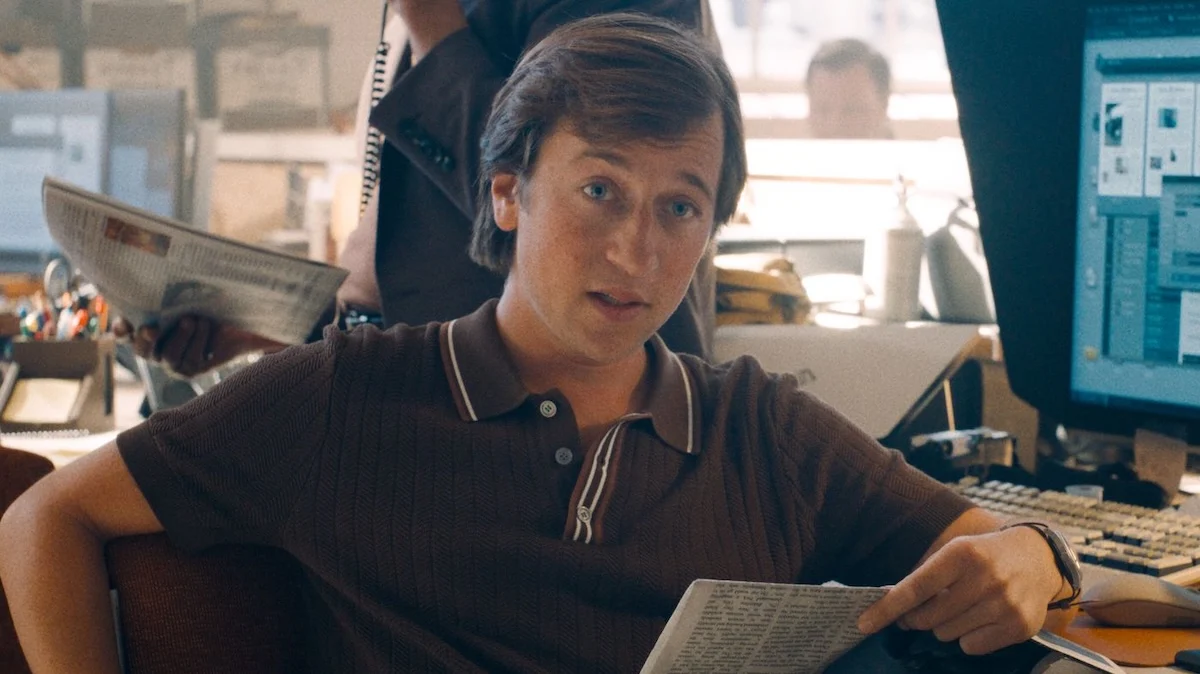
By [Your Name/Journalistic Byline]
June 16, 2026
For the casual viewer, the DC Universe is defined by the high-stakes heroics of the Justice League—the dark vigilante justice of Batman, the god-like power of Superman, and the cosmic battles against tyrants like Darkseid. However, for a dedicated sub-stratum of the fanbase, the true magic of the DC library lies not in the titanic clashes of the A-listers, but in the eccentric, the absurd, and the deeply weird corners of the canon. It is for this audience—the readers who treasure Doom Patrol’s sentient roads and the bizarre escapades of Brother Power the Geek—that James Gunn and Peter Safran have unveiled their most audacious project yet.
In a move that cements his commitment to the "deep cuts" of comic book history, DC Studios co-CEO James Gunn has officially confirmed that the upcoming television spinoff centered on Jimmy Olsen will feature an unexpected co-lead: the telepathic, megalomaniacal Gorilla Grodd.
The Genesis of the Odd Couple: Official Confirmation
The rumor mill surrounding the Daily Planet spinoff has been churning for months, with speculation largely centering on how Skyler Gisondo, who is set to portray the intrepid reporter in the 2025 Superman film, would transition into a solo television narrative. While the industry understood that Gorilla Grodd—traditionally a Flash villain—would make an appearance, the scope of his involvement remained a mystery.
That silence was broken this week when James Gunn took to the social media platform Threads. Responding to fan curiosity, Gunn confirmed that the series will function as a "buddy-cop-adjacent" dynamic between the human photojournalist and the super-intelligent primate. This confirmation has sent shockwaves through the fandom, signaling a shift in the DC Universe’s television strategy: a move away from standard procedural formats toward the surreal, character-driven insanity that defined the Silver Age of comics.
A Chronology of the Absurd: How We Got Here
To understand the significance of this pairing, one must look at the historical trajectory of both characters.
The Jimmy Olsen Paradox
Jimmy Olsen’s cinematic history has been, until now, largely grounded. From the affable sidekick played by Marc McClure in the Christopher Reeve era to the contemporary interpretations seen in Supergirl or the tragic, fleeting appearance in Batman v. Superman: Dawn of Justice, Jimmy has typically served as the "everyman"—a lens through which the audience perceives the overwhelming power of the superhuman world.
However, comic book readers know a different Jimmy. In the legendary Superman’s Pal, Jimmy Olsen series, which ran for two decades from 1954 to 1974, the character was defined by his insatiable curiosity and proximity to disaster. During this period, Jimmy didn’t just take photos; he transformed into a werewolf, acquired rubber-like elasticity, lived as a "turtle boy," and navigated the cosmic, psychedelic landscapes of Jack Kirby’s Fourth World. He was an agent of chaos, not just a witness to it.
The Rise of Gorilla Grodd
Gorilla Grodd represents the antithesis of the "grounded" villain. Debuting in The Flash #106 (1959), Grodd is a product of pure Silver Age whimsy: a gorilla from a hidden, technologically advanced city who gained telepathic powers from a cosmic event. Over the decades, Grodd evolved from a pulpy villain into a genuine threat, known for his cold intellect and capacity for extreme violence. His appearances in Justice League Unlimited and the time-travel antics of Legends of Tomorrow—where he famously plotted to assassinate a young Barack Obama—have cemented his status as a villain who works best when the stakes are bizarre and the genre is fluid.
Supporting Data: Why This Works
The decision to pair these two is not merely an act of fan service; it is a strategic tonal pivot for DC. Data regarding comic book consumption trends over the last five years indicates a massive surge in interest regarding "Legacy" and "Weird" DC imprints. Shows like Doom Patrol and Peacemaker proved that audiences are willing to embrace unconventional storytelling if the character work is authentic.
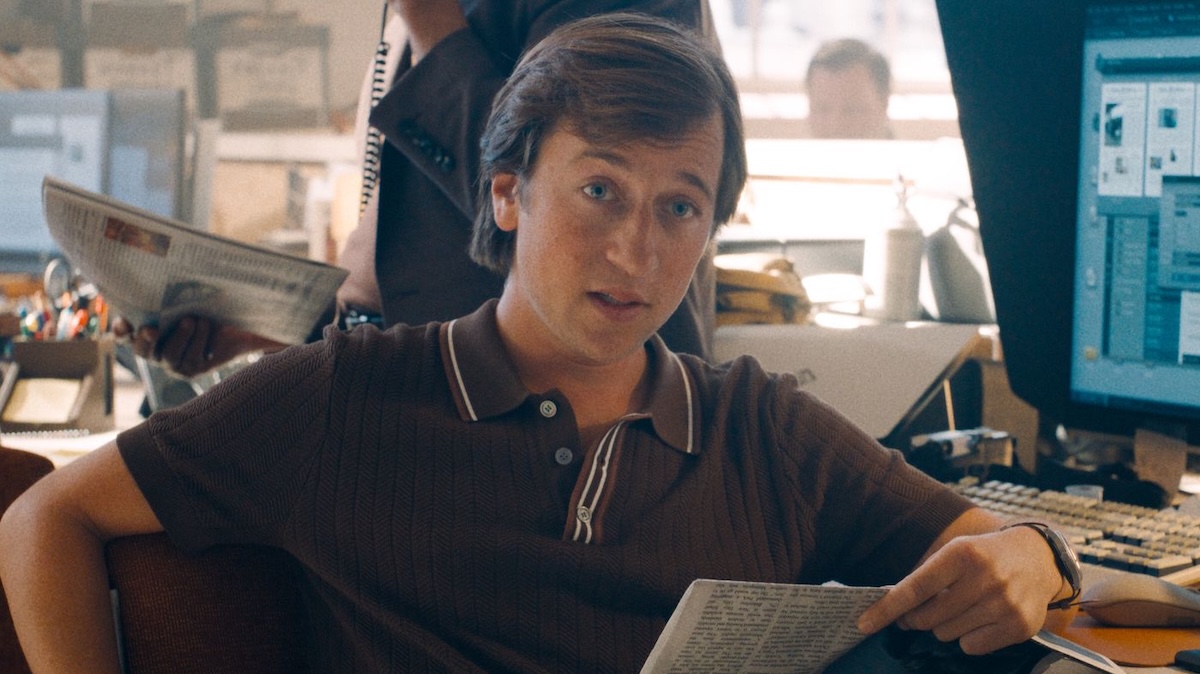
By casting Skyler Gisondo—who has already demonstrated a capacity for playing the "lovable dork" archetype—alongside a CGI-rendered Grodd, DC is betting on a "high-low" contrast. Jimmy brings the humanity and the humor; Grodd brings the high-concept, sci-fi menace. This allows the show to oscillate between the mundanity of a newspaper office and the grand, psychic wars of Gorilla City.
Official Responses and Creative Direction
James Gunn’s creative philosophy has always been to treat the "weird" characters with the same gravity as the icons. By putting a primary lens on a photographer and a talking ape, the production team is signaling that this series will serve as the "oddball" entry in the new DC Universe canon.
While details on the plot remain under tight lock and key, sources close to the production suggest that the show will lean into the legacy of the 1950s Jimmy Olsen comics. Expect a blend of investigative journalism and sci-fi body horror. The series aims to recapture the spirit of Jack Kirby’s original DC work, which often blurred the lines between the mundane and the cosmic.
Implications for the DC Universe
The implications of this series are vast. First, it establishes that the DC Universe is not just about the Justice League. By spotlighting Jimmy Olsen and Grodd, Gunn is validating the expansive nature of the DC sandbox. If the show succeeds, it opens the door for other "niche" characters—such as The Metal Men or Danny the Street—to move from the pages of comics to the screen.
Furthermore, this series serves as a litmus test for the DC brand’s flexibility. Can a mainstream audience embrace a show where one of the leads is a psychic gorilla? If the success of recent animated projects like My Adventures With Superman—which features a similarly adventurous, "dork" version of Jimmy—is any indicator, the audience is more than ready.
Conclusion: A New Era of Weird
For the "DC weirdos," as they are affectionately called, this is a watershed moment. The confirmation of the Jimmy Olsen and Gorilla Grodd series is an admission that the most interesting stories in the DC canon are the ones that refuse to take themselves too seriously.
If the show can successfully bridge the gap between the grounded, excitable humanity of Jimmy Olsen and the terrifying, telepathic intellect of Grodd, it will not only satisfy a dedicated fanbase but likely introduce a whole new generation of viewers to the beautifully chaotic, endlessly creative, and undeniably strange world of DC Comics. As we look toward the 2026 release, one thing is certain: the era of the "normal" superhero sidekick is officially over. We are entering the age of the Gorilla.

 Nana Wu
 Layla Zulfa