Basiran
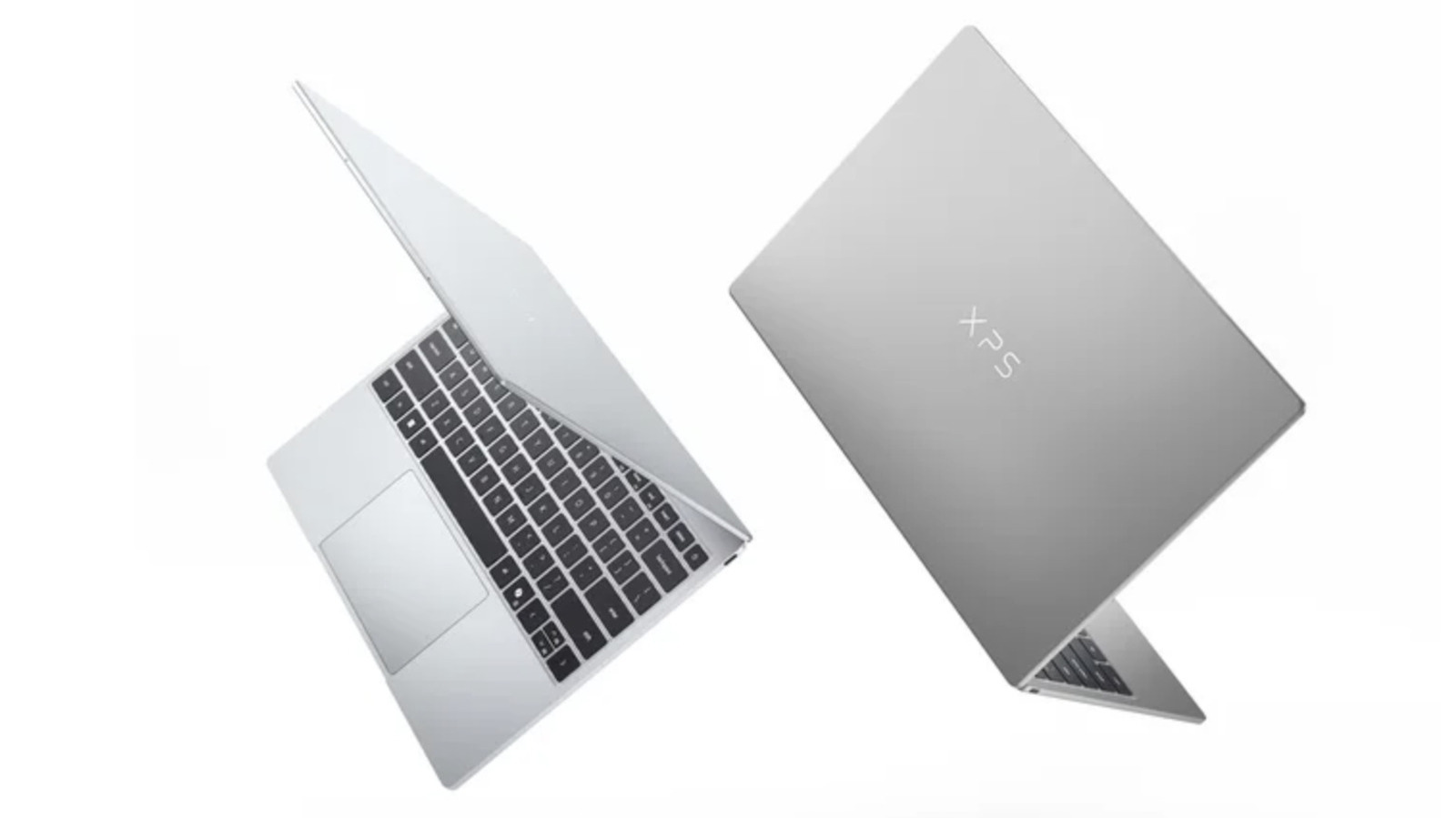
In an increasingly competitive landscape for entry-level computing, Dell has officially thrown its hat back into the ring. Following its announcement last month, the latest iteration of the Dell XPS 13 is now available for purchase both online and through authorized retail partners. With a starting price point that aggressively targets students and cost-conscious consumers, the device is positioned as a direct challenger to the current trend of budget-friendly, high-performance laptops—most notably, the recently launched Apple MacBook Neo.
The Core Facts: Pricing and Availability
The new Dell XPS 13 is hitting the market with a tiered pricing strategy designed to capture the education sector and the general consumer market simultaneously. For students, Dell has set a competitive entry price of $599, while general customers can acquire the base model for $699.
This release marks a significant moment for Dell, as it seeks to reclaim territory in the ultra-portable, budget-friendly segment—a category that has seen a resurgence of interest due to the shifting needs of remote learners and hybrid office workers. By offering a sub-$700 price point, Dell is signaling its intent to move beyond the premium, high-margin perception that has long defined the XPS brand.
A Chronology of the Release
The path to this launch was paved with anticipation and strategic maneuvering:
- Late May 2026: Dell first teased the return of the XPS 13, framing it as a versatile, affordable machine that does not compromise on the build quality associated with the XPS line.
- Early June 2026: As the release window opened, market analysts began drawing direct comparisons between Dell’s upcoming hardware and the industry-disrupting MacBook Neo.
- Mid-June 2026: Dell confirmed the official launch date, opening orders for both institutional buyers and individual consumers.
- Current Status: As of today, the laptop is available in physical retail locations and through Dell’s digital storefront, with initial shipping estimates suggesting immediate availability.
The MacBook Neo Factor: A New Benchmark
To understand why the new XPS 13 is being scrutinized so closely, one must examine the market shift triggered by Apple. The MacBook Neo, unveiled earlier this year, was designed specifically for the education sector. It was Apple’s first true "budget" laptop, and its reception was, by all accounts, overwhelming.
In independent reviews, the MacBook Neo was lauded for its integration of Apple’s proprietary silicon and its robust battery life, with many reviewers noting that it effectively "put every $600 Windows PC to shame." The success of the device was further bolstered by major institutional adoptions, such as the Kansas City Public Schools’ procurement of over 4,500 units. This widespread adoption created a "halo effect" for the MacBook Neo, setting a high bar for performance, aesthetics, and reliability that competitors like Dell are now forced to chase.
Supporting Data: The Education Tech Arms Race
The battle between the new XPS 13 and the MacBook Neo is not merely about hardware specs; it is a battle for the next generation of computing users. Data from the first half of 2026 indicates that educational institutions are significantly increasing their hardware budgets, moving away from legacy Chromebooks toward more capable, long-term investments.
The following factors define the current market landscape:
- Institutional Procurement: Schools are moving toward unified ecosystems. With Apple securing massive district-level contracts, the barrier to entry for a Windows-based device has risen.
- Performance Requirements: The shift toward cloud-based learning and resource-intensive software means that "budget" laptops can no longer be "underpowered." Both the Dell XPS 13 and the MacBook Neo utilize optimized thermal management and power-efficient processors to ensure longevity.
- Total Cost of Ownership (TCO): Beyond the initial $599-$699 price tag, organizations are looking at software maintenance, ease of deployment, and trade-in values—areas where Apple has traditionally held a dominant position.
Official Responses and Corporate Strategy
In communications regarding the launch, Dell has emphasized that the new XPS 13 represents a "reimagining" of the entry-level experience. While they have not explicitly named the MacBook Neo as a target, the messaging surrounding the XPS 13 focuses heavily on "choice" and "flexibility"—two areas where Windows-based machines have historically outperformed macOS.
"We believe that the student of today requires a device that balances the power of a professional machine with the accessibility of an entry-level tool," a Dell spokesperson noted during the launch briefing. "Our focus has been on ensuring that the XPS 13 delivers a premium, cohesive experience that scales with the user, regardless of their budget."
Industry analysts note that Dell is likely leveraging its extensive supply chain and long-standing relationships with enterprise and educational IT departments to push back against Apple’s recent gains. By providing a familiar Windows environment, Dell is betting that many school boards will prefer to stay within the existing Windows ecosystem rather than undergoing the complex migration process required to switch to macOS.
Implications for the Future of Computing
The competition between Dell and Apple in this space carries profound implications for the broader laptop market.
1. The Death of the "Cheap" Laptop
The existence of both the XPS 13 and the MacBook Neo at the sub-$700 price point suggests that the era of low-quality, plastic-heavy budget laptops is coming to an end. Manufacturers are increasingly realizing that users—students and professionals alike—are demanding premium design and reliable performance even at lower price points.
2. Ecosystem Lock-in
The battle is fundamentally about locking in users early. If a student grows up using a MacBook Neo, they are statistically more likely to purchase a MacBook Pro or Air later in their career. By introducing the XPS 13 at a similar price point, Dell is fighting to keep the Windows ecosystem relevant for the next generation of digital natives.
3. Sustainability and Longevity
Both companies are feeling the pressure to increase the lifespan of their budget devices. As schools move toward three-to-five-year refresh cycles, the hardware must be durable enough to survive the classroom environment. This has led to improvements in chassis materials and repairability, a trend that benefits the consumer regardless of which brand they choose.
Conclusion: Will Dell Succeed?
The success of the new Dell XPS 13 will be measured by its ability to penetrate the institutional market that Apple has already begun to capture. While the XPS 13 offers a compelling value proposition and the familiarity of the Windows operating system, it faces a steep climb to overcome the brand loyalty and the performance-per-dollar perception that the MacBook Neo has solidified.
For the individual consumer, the return of the XPS 13 is a win. Increased competition in the $600–$700 range inevitably leads to better features, lower prices, and higher standards across the board. Whether Dell can replicate Apple’s institutional success remains to be seen, but the battle for the budget-conscious market has officially entered its most exciting phase yet. As the school year approaches, the choice between the refined, ecosystem-integrated experience of the Neo and the versatile, familiar power of the new XPS 13 will be one of the most significant purchasing decisions for families and school districts across the country.


 Azzam Bilal Chamdy
 Layla Zulfa