

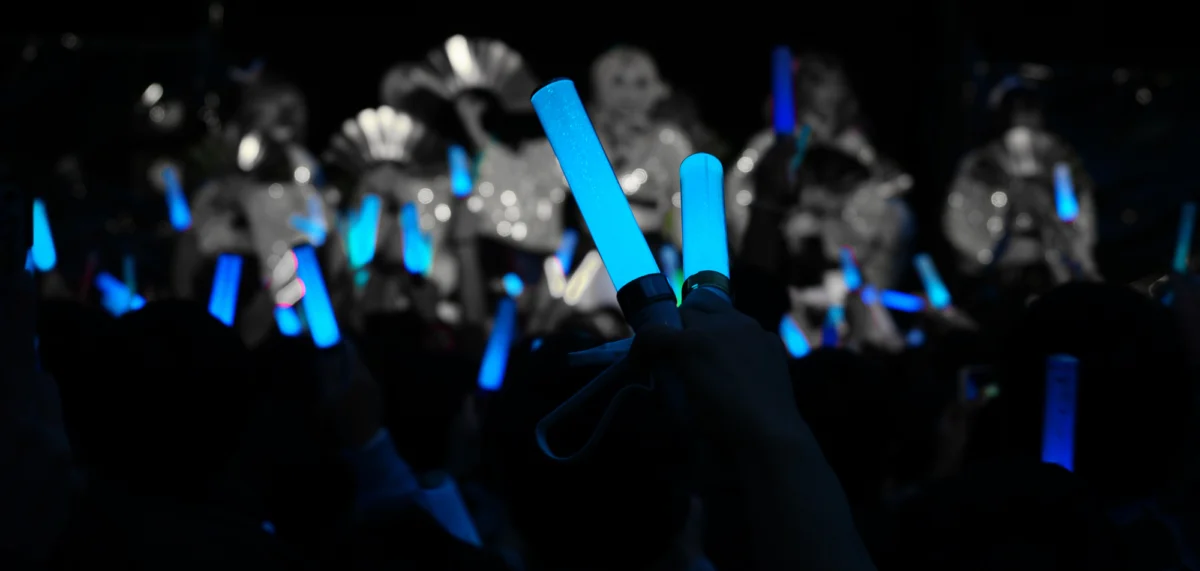
The Japanese concept of oshikatsu—literally "supporting one’s oshi" or favorite entertainer—was once regarded as a harmless, if expensive, hobby. Fans express their devotion by attending live performances, purchasing branded merchandise, and participating in fan-engagement events. However, a troubling trend has emerged in recent years, revealing a darker underbelly to this subculture: a cycle of financial dependency, grooming, and exploitation that is pushing vulnerable individuals, including minors, into the sex trade to fund their obsession.
Recent investigative reports from Japanese media outlets have brought this crisis to the forefront, highlighting how "underground" idols (chika-aidoru)—performers who operate outside the mainstream entertainment industry—are increasingly weaponizing the devotion of their fans. In many cases, these performers actively encourage their followers to engage in sex work to maintain the high costs of supporting them, creating a predatory ecosystem that existing laws are struggling to address.
The Anatomy of the “Chika-Aidoru” Business Model
To understand the exploitation, one must first understand the chika-aidoru model. Unlike mainstream idols who rely on television and radio to reach audiences, underground idols rely almost entirely on "real-contact" events. These venues—often small, cramped, and dimly lit—are designed to foster a sense of personal intimacy between the performer and the fan.
The business model is predicated on high-frequency, low-cost interactions that, when aggregated, represent significant revenue. Fans pay for "cheki" (instant Polaroid photos) and short, timed conversations. A standard cheki might cost between 1,000 and 2,000 yen ($6–$12), but the pressure to purchase dozens at a single show is immense.
More alarmingly, these groups have gamified fan loyalty. Many outfits offer "face-time awards" tied directly to cumulative spending. Tiered systems reward high-spending fans with exclusive experiences: 500,000 yen ($3,120) might secure a one-hour date at an arcade, while 1.5 million yen ($9,410) could buy a trip to Tokyo Disneyland with the idol. This commodification of companionship is the primary engine driving fans toward financial ruin.
Chronology of a Crisis: From Fandom to Exploitation
The path from casual fan to exploited sex worker is often swift and subtle. One harrowing account documented by FNN Prime Online involves a high school student who discovered the underground idol scene on TikTok at the age of 15. Over a short period, she funneled three million yen ($18,800) into her "faves."
As her obsession deepened, the financial requirements became unsustainable. Her idols, fully aware of her financial strain, did not urge her to step back. Instead, they encouraged her to seek unconventional ways to generate cash. The girl eventually turned to street prostitution and other forms of sexual labor, earning between 10,000 and 20,000 yen ($62–$125) per encounter. By her own estimation, she serviced hundreds of clients to afford the high-tier rewards offered by her idols, one of whom even promised to "take her in" once his career ended—a classic grooming tactic that weaponized her emotional vulnerability.
This is not a singular phenomenon. Similar stories appear with disturbing frequency across the Japanese press. In another notable instance, a tax official in her 20s was disciplined after it was discovered she had been moonlighting as a sex worker to fund her oshikatsu habit. She utilized both "delivery health" services (private, mobile sex work) and "papa-katsu" (sugar babying) to sustain her lifestyle. By the time the Kanto-Shin’etsu Regional Taxation Bureau intervened, she had earned 2.3 million yen ($14,400) through illicit side hustles, a violation of civil service regulations that ultimately led to her resignation.
Supporting Data: A Systemic Pattern
The prevalence of this issue is supported by a growing body of evidence. Investigative journalists at Bunshun Online have interviewed several young women who mirror these experiences. One young woman, identified as "Emina," recounted that when she began her fixation on underground idols at age 17, she was shocked to discover that many of her peers in the fandom were also engaging in sex work to keep pace with the idol’s demands.
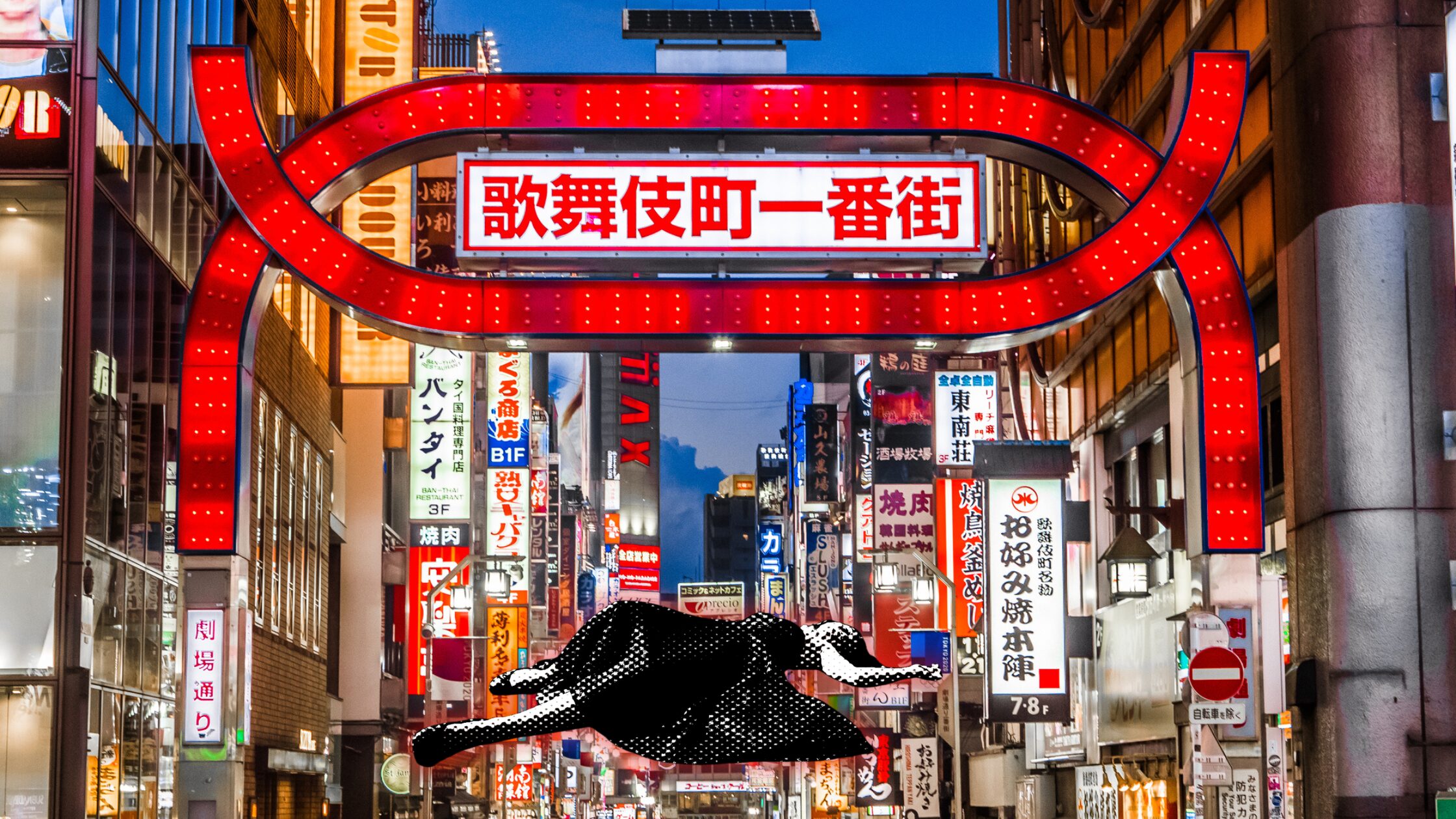
"Many underground idol fans do this," Emina stated, reflecting on a culture where sacrificing one’s body is treated as a standard, albeit unspoken, requirement of high-level fan participation.
The idols themselves often mirror this cold indifference. One unnamed performer told FNN, "It’s good value. They’re using their money because they like it; we’re not asking them." This sentiment—shifting the burden of responsibility entirely onto the victim—is a common defense in the industry, yet it ignores the power imbalance inherent in the idol-fan relationship and the manipulative tactics used to cultivate such extreme devotion.
Official Responses and the Limits of the Law
The Japanese government is currently at a crossroads regarding how to address this issue. Historically, the Fuzoku (Entertainment Business Law) has been the primary tool for regulating nightlife, covering everything from host clubs to "con-cafes" (concept cafes). Following a public outcry, the government recently introduced stricter regulations on host clubs to curb "business romance"—the practice of luring clients into debt-fueled romantic relationships.
However, underground idols fall into a regulatory gray area. Because they operate in venues that often escape the strict oversight applied to traditional adult-entertainment establishments, they are difficult to classify under existing law. The National Police Agency has acknowledged the link between idol support and the exploitation of minors, yet a spokesperson admitted that the definition of an "idol" is too "ambiguous" to trigger current legal enforcement mechanisms.
Instead of targeting the idols themselves, the government has shifted its focus to the demand side. The administration is exploring the "Norway Model," which seeks to criminalize the buyers of prostitution rather than the workers. While supporters argue this will curb the demand that drives women into the trade, sex worker advocates argue that such measures will only drive the industry further underground, making it more dangerous for those already participating.
The Broader Implications: A Looming Social Crisis
The societal implications of this crisis are profound. Japan is currently witnessing a rapid decline in the age of those entering the sex trade, with social media serving as the primary recruitment ground. When adolescents are groomed into the oshikatsu ecosystem, they are not only losing their savings but are also being introduced to sexual exploitation at a developmental stage where they are highly susceptible to long-term psychological harm.
Furthermore, the normalization of "fan-funded" sex work suggests a cultural shift in how emotional labor and financial transactions intersect. In a society where loneliness and the desire for belonging are powerful motivators, the chika-aidoru industry has effectively weaponized the human need for connection.
As the number of reported cases rises, Japan faces a critical challenge. Without a comprehensive regulatory framework that holds both the entertainers and the industry organizers accountable, the "idol" scene in districts like Kabukicho risks becoming a permanent pipeline for the exploitation of the country’s youth. The question remains: at what point does "supporting an oshi" transition from an act of fandom into a matter of public safety? For many, that line was crossed long ago.
While individual free will remains a cornerstone of legal theory, the systematic grooming of minors and the exploitation of vulnerable adults by powerful, predatory entertainment figures necessitate a more aggressive legislative response. Until then, the cycle of debt, shame, and exploitation will continue to thrive in the shadows of Japan’s neon-lit nightlife, hidden behind the facade of innocent, pop-culture adoration.












No comments yet. Be the first to join the conversation!