Basiran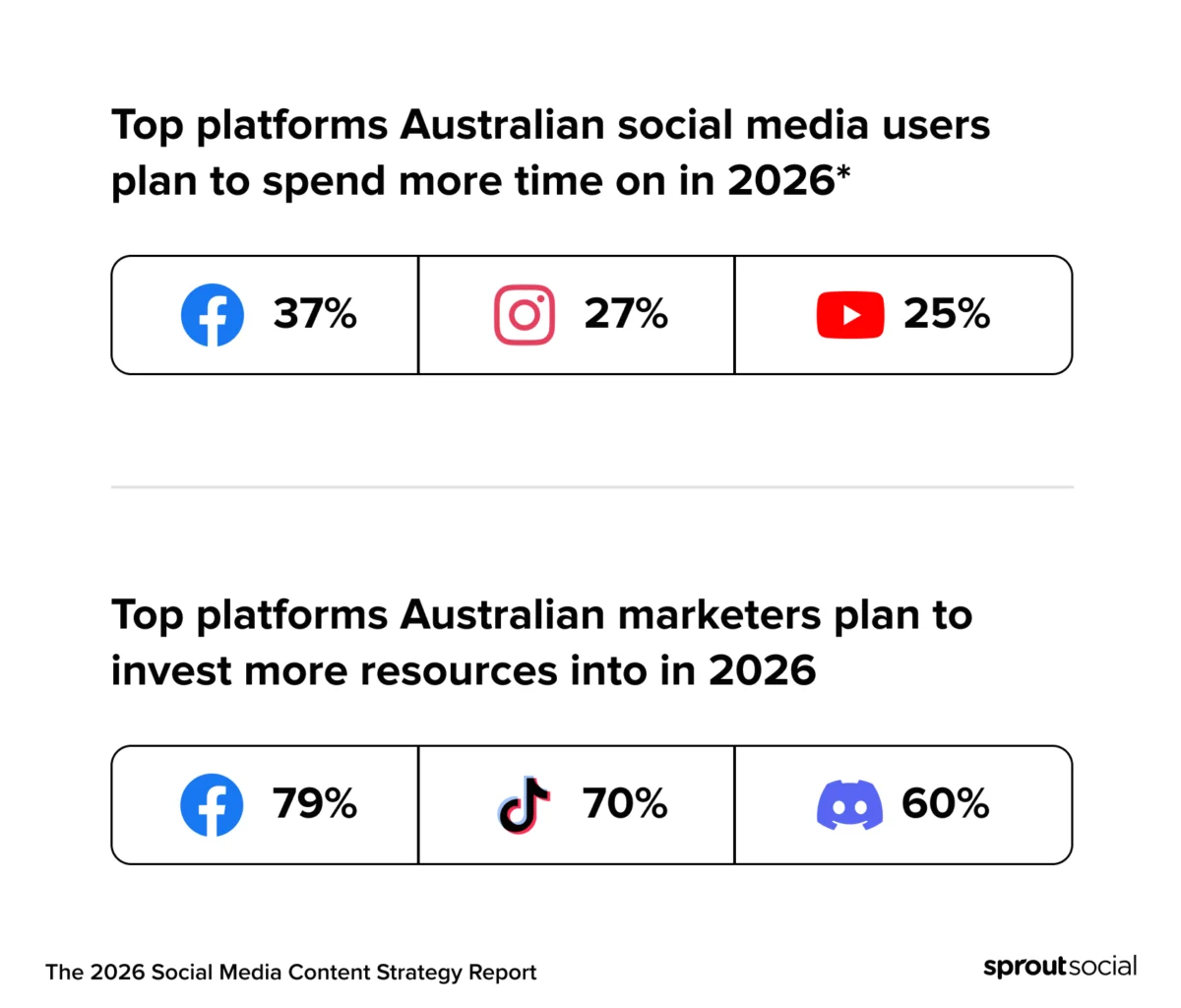
We are officially at the midpoint of 2026. For marketing leaders across Australia, the atmosphere is markedly different from the optimism of Q1. As budgets tighten and the C-suite demands granular evidence of return on investment (ROI), the "playbook" that guided teams through the start of the year is showing significant signs of fatigue.
The data suggests a structural shift in the Australian digital landscape. We are witnessing what industry analysts call the "Trust-Shift"—a decisive migration of consumer attention away from the "loud," algorithm-driven feeds that dominated the early 2020s and toward human-vetted, niche communities. For CMOs, this transition represents a fundamental change in the rules of engagement: navigating the remainder of 2026 will require intent, not intuition.
The State of the Market: A Mid-Year Reality Check
The current marketing climate is defined by a disconnect between brand ambition and consumer behavior. While global trends suggest a desire for omnipresence, the Australian market is trending toward consolidation.
Chronology of the Shift
- Q1 2026: Brands maintained a "growth at all costs" mentality, aggressively scaling presence on emerging platforms like Discord and experimental social channels.
- Q2 2026: Consumer sentiment data began to reflect "algorithmic exhaustion." Engagement rates on traditional broadcast-style content stagnated, while community-based platforms (like Reddit) saw unprecedented spikes in active users.
- H2 2026 (The Current Outlook): Pressure on profitability has forced a strategic pivot. The priority has shifted from broad reach to depth of connection, with an emphasis on customer retention over vanity metrics.
The Five Macro-Trends Defining H2 2026
To help marketing leaders navigate this volatile environment, we have analyzed five critical trends currently shaping the Australian market, along with the necessary pivots to ensure a strong fiscal finish.
1. The Platform Disconnect: Correcting "Shiny Object Syndrome"
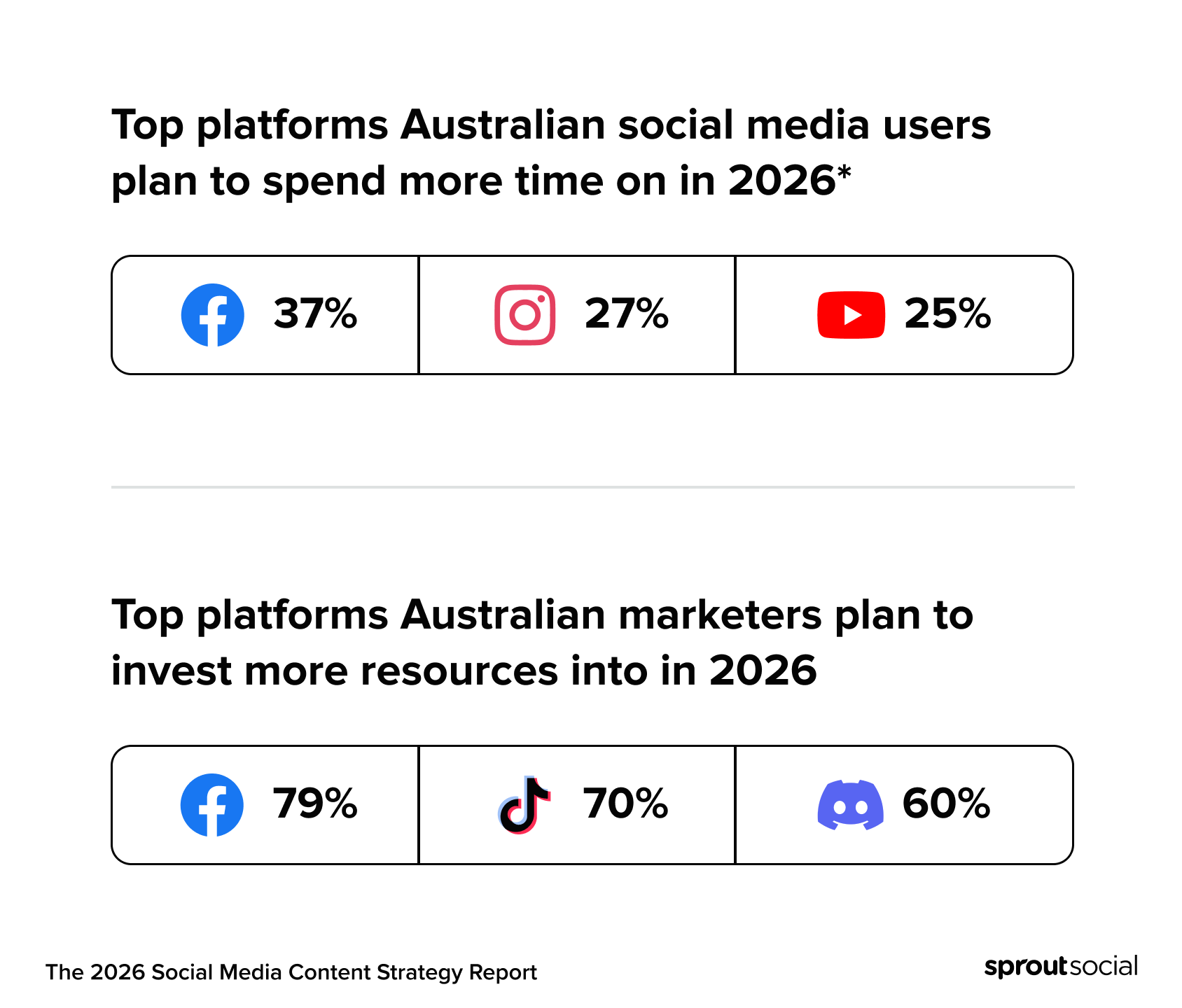
There is a widening gap between where Australian brands are allocating their media spend and where their customers are actually spending their time. Current market analysis reveals that while 87% of marketers aim to increase their presence on more networks, consumers are moving in the opposite direction, retreating to foundational platforms like Facebook, Instagram, and YouTube.

Implications: When brands chase "shiny object" platforms, they inadvertently abandon their high-intent audiences.
The H2 Pivot: Marketing teams must conduct a rigorous mid-year channel audit. Every active network must justify its existence through a clear contribution to acquisition or retention. If a channel is not driving tangible business outcomes, the budget must be reallocated to the platforms where the audience is already present and engaged.
2. The AI Paradox: Authenticity as a Competitive Advantage
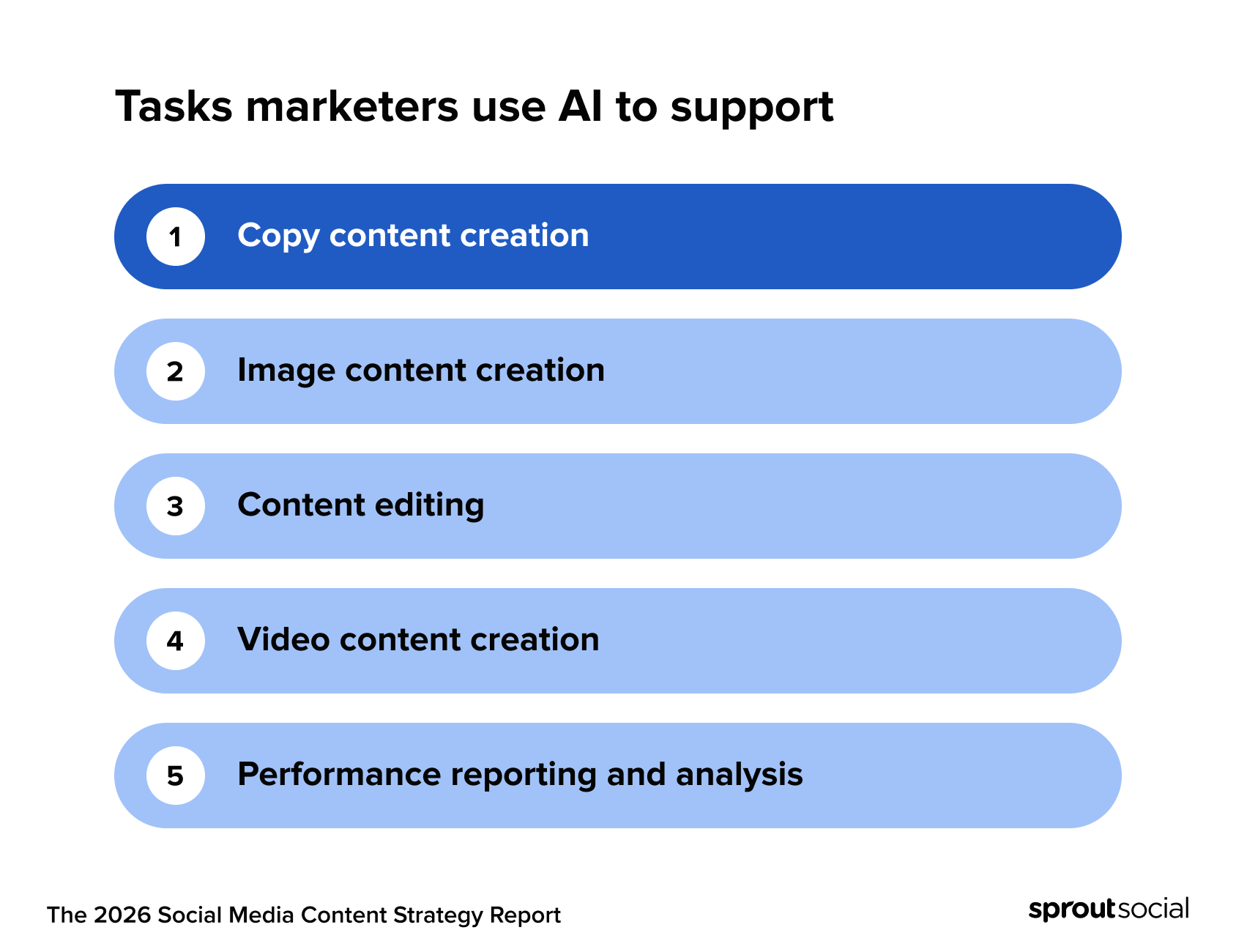
We are currently living through the "AI Paradox." While marketers are increasingly relying on AI for content creation, consumer data shows an active distaste for AI-generated assets that lack a human touch. The more AI-driven, repetitive content brands push out, the more their audience disengages.
The H2 Pivot: The strategy for the remainder of the year should be "AI for Operations, Humans for Content." AI is an invaluable asset for predictive analytics, social listening, and sentiment tracking. However, the creative execution—the storytelling that drives brand affinity—must remain human-led. By automating the data heavy-lifting, creative teams can reclaim the time necessary to foster genuine empathy with their audience.
3. The Rise of High-Friction Communities
Passive scrolling is on the decline. Australian consumers are increasingly flocking to "high-friction" spaces—niche forums and subreddits where content is vetted by peers rather than pushed by algorithms. Data confirms a 179% surge in Australian Reddit usage, as users seek validation from real people before making purchasing decisions.
Case Study: Up Bank’s recent success provides a blueprint. By abandoning the "shout-into-the-void" approach and engaging natively within specific finance and gaming subreddits, they achieved a 51% month-over-month increase in ad-driven conversions.
The H2 Pivot: Brands must transition social from a broadcast channel to an intelligence engine. Use platforms like Reddit as real-time focus groups, funneling raw, unfiltered consumer insights directly to Product and Sales teams to refine offerings in real-time.
4. Social Care as a Revenue Center
Perhaps the most overlooked area of the modern marketing stack is the social inbox. Too often, this is treated as a secondary PR function. However, in the Australian market, where personalized service is a primary driver of brand loyalty, a neglected inbox is a direct accelerator of churn.
The H2 Pivot: Integrate marketing and customer support. The most successful brands in sectors like telecommunications and retail are now resolving complex billing and technical issues directly within the DMs. By treating social care as a revenue-saving center rather than a cost center, brands can convert frustrated prospects into lifelong customers.
5. The Speed of Trust: Breaking the Approval Bottleneck
Cultural relevance has a short shelf life. Currently, 39% of global marketing teams report increased restrictions on their content, and 44% are hindered by bloated approval processes. When a brand takes days to approve a post regarding a trending topic, the opportunity has already evaporated.
Case Study: Aldi Australia’s "ALDI IQ" campaign demonstrates the power of agility. By moving away from rigid, overly-produced corporate content and allowing the social team to tap into organic shopper behaviors, the brand achieved significant double-digit engagement growth.
The H2 Pivot: Pre-approve your guardrails. Work with Legal and PR to define "risk boundaries" ahead of time. This empowers frontline social teams to act autonomously within these parameters, ensuring the brand can participate in cultural conversations while they are still relevant.
Supporting Data and Industry Perspectives
The shift toward trust-based marketing is supported by the 2026 Social Media Content Strategy Report. Analysts from the firm emphasize that the "real potential of AI for marketers isn’t content creation, but content analysis to garner timely audience insights."
The industry is moving toward a model where metrics are no longer judged by reach, but by the quality of the interaction. In the Australian telecommunications sector, for instance, data indicates that customers who receive rapid, empathetic responses in their social feeds are 30% more likely to renew their contracts than those who go through traditional, high-friction support channels.
Official Responses and Strategic Implications
For the C-suite, the message is clear: the era of speculative social media spending is coming to a close.
"The mandate for Australian marketing leaders is to do fewer things, but to do them with deep, informed intent," notes one industry lead. "The brands that will win the second half of 2026 are those that move away from chasing the algorithm and move toward building, nurturing, and listening to their communities."
Strategic Checklist for H2 2026:
- Channel Audit: Kill the platforms that don’t move the needle on revenue.
- AI Re-alignment: Shift AI from the content desk to the analytics desk.
- Community Integration: Assign a team member to monitor niche communities for product feedback.
- Support Synergy: Merge social inbox management with your CX department’s KPIs.
- Agility Protocol: Secure pre-approved creative guardrails to enable rapid posting.
Conclusion: Finishing Strong
The path to success for the remainder of 2026 does not lie in more content, more platforms, or more automated reach. It lies in the restoration of trust. Australian consumers are signaling that they want to be heard, they want to be respected, and they want to engage with brands that treat them as individuals rather than data points in a funnel.
As we look toward the final months of the year, the brands that succeed will be those that have the courage to scale back their broad-reach tactics in favor of deep, high-intent connections. By aligning social metrics with business revenue and empowering teams to act with both speed and empathy, marketing leaders can turn the challenges of today into the growth engine of tomorrow.


 Suro Senen
 Layla Zulfa