Lina Hope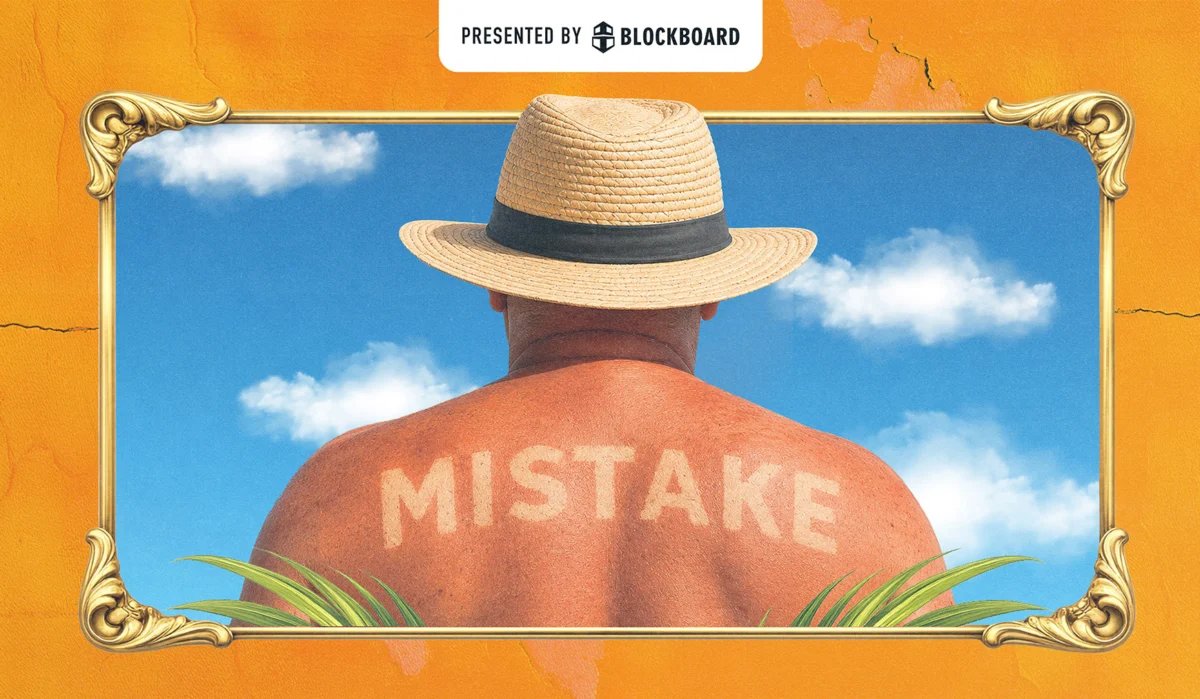
The Cannes Lions International Festival of Creativity is widely regarded as the "Oscars of Advertising." Every June, the sleepy French seaside town of Cannes transforms into a frenetic, high-stakes global hub where the world’s most influential marketers, media moguls, and tech innovators converge. Yet, beneath the glamour of private yachts and sun-drenched beach parties lies a professional gauntlet that has historically humbled even the most seasoned industry veterans.
For the uninitiated, the temptation to succumb to "Cannes Fever"—a potent mix of FOMO, excess, and professional posturing—is immense. However, as veterans of the festival reflect on their experiences, a consistent theme emerges: the true value of the festival is found not in the exclusive guest lists, but in intentionality, endurance, and the cultivation of genuine relationships.
The Anatomy of a Cannes Misstep: Chronology of a Rookie Error
The typical trajectory of a first-time attendee often follows a predictable, albeit painful, arc. It begins with "optimistic scheduling."
In the early days of the week, enthusiasm is high. Attendees pack their calendars with back-to-back breakfast meetings, panel discussions, and evening soirées. Many, like Renata Neumann, Head of Production at GUT, have learned the hard way that "saying yes to everything" is a recipe for disaster. "I once RSVP’d yes to every single invitation and decided I’d figure out my schedule once I got there," she recalls. "It was catastrophic. I missed most of what I’d committed to and left people genuinely annoyed."
By mid-week, the reality of the Croisette sets in. The "yacht shuffle"—the constant boarding and disembarking of vessels—begins to take its toll on footwear and patience. Physical exhaustion, combined with the Mediterranean heat, turns minor logistical oversights into major hurdles. As Antonia Faulkner of Samsung Ads notes, many underestimate the sheer scale of the festival. "I’d schedule a meeting at the Carlton and the next one at the yachts, thinking it would be a quick stroll," she says. "In reality, it’s a long, hot, and busy walk."
By the final days, the survivors are those who have tempered their ambition with practicality, prioritizing air-conditioned sanctuary and quality conversations over the pursuit of the "hottest" party.
Supporting Data: The Hidden Metrics of Success
While much of the buzz around Cannes centers on award tallies and brand visibility, the most successful attendees track a different set of metrics.
The "ROAC" Principle
Jeff Fagel, CMO of Jamloop, introduced the concept of ROAC: Return on Air Conditioning. It is a tongue-in-cheek but vital reminder that if your clients or prospects are physically uncomfortable, they are not absorbing your message. "If your guests are sweating through your panel, they’re not absorbing your message, they’re planning their escape," Fagel explains.
The 11-Second Rule
Renata Neumann emphasizes the importance of digital capture. "I send the LinkedIn request while I’m still standing there," she says. "It takes 11 seconds, and it’s the only thing that separates a great conversation from a great story you can’t quite verify."
The "Monday Graveyard"
There is a consensus among veterans that "Monday is a graveyard of Cannes intentions." The professional connections made during spontaneous run-ins on the Croisette are often the most valuable, yet they are frequently lost to poor follow-up. Successful attendees treat these chance encounters as the "main event" rather than a bonus.
Tales from the Trenches: Anecdotes of Excess and Recovery
The history of Cannes is punctuated by stories that serve as both cautionary tales and badges of honor.
The Lost Fortune: Andy Oakes, CEO of Bluestripe Group, recounts a harrowing experience from a decade ago. Tasked with carrying 4,000 Euros in cash for his team, he experienced a series of unfortunate events that led to the loss of his cash, phone, and laptop. After tracking his phone to a yacht, he recovered his belongings, only to have his phone stolen by a passing moped driver moments later while enjoying a celebratory beer. His takeaway? "I reckoned that was an acceptable level of loss."
The Fashion Faux Pas: Simon Stone, GM International at LoopMe, warns against the "personality shirts" that many middle-aged men adopt in an attempt to stand out. After being teased by his children and colleagues, he opted to dial back the aesthetic choices. Others, like David Geisinger of Deloitte Digital, learned that "stylish" shoes are no match for the miles of walking required at the festival.
The Sober Shift: Julia Linehan, founder of The Digital Voice, highlights the changing culture of the festival. Having transitioned from the "rosé-schoozing" era to a period of sobriety, she notes that the most significant mistake is letting alcohol dictate the week. "I used to fly home absolutely knackered," she says. "Now I come back buzzing, having actually gone to everything on my schedule."
Official Perspectives: Navigating the Industry Shift
The "wild excess" associated with Cannes in the early 2000s is undeniably fading. The industry’s shift toward more professional, intentional networking has been driven by both a change in corporate culture and a desire for higher ROI.
"The era of pure, wild excess is fading, replaced by a much healthier focus on genuine networking," says one veteran. "You can build the exact same deep industry connections over a morning coffee or a beach walk without ruining your liver."
The focus has shifted from "being seen" to "being heard." Alex Kozloff of the IAB U.K. emphasizes that the feeling of being left out—the FOMO—is largely an illusion. "Most people are also trying to find their next meeting, wondering if they’ve missed something important and looking for somewhere to sit down for five minutes," she explains.
Implications: The Future of the Festival
As Cannes Lions evolves, the implications for attendees are clear: the festival is what you make of it. If you treat it as a vacation, it will exhaust you. If you treat it as a high-pressure, unorganized sprint, it will frustrate you. If you treat it as a strategic networking opportunity, it remains the most powerful event in the marketing calendar.
Key Takeaways for Future Attendees:
- Prioritize Quality Over Quantity: Don’t over-schedule. Leave room for the serendipitous meetings that happen in the hallways and at coffee shops.
- Logistical Realism: Check your maps. The distance between venues is deceptive. Account for the heat and traffic.
- Digital Hygiene: Capture connections immediately. Do not rely on your memory after a long day of networking.
- Health is Wealth: Sleep, hydration, and comfortable footwear are not optional. They are the tools that will allow you to reach Friday with your professional reputation—and your health—intact.
- Authenticity: Don’t chase the "hottest" party. If a gathering doesn’t align with your goals, skip it. The people who get the most value out of Cannes are those who are not chasing validation, but building long-term professional relationships.
As the industry prepares for the next iteration of the festival, the advice from those who have survived the Gutter Bar and the Yacht Row is consistent: be intentional, stay hydrated, and remember that the person you meet while waiting for a taxi might be more important than the person on the main stage. Cannes is a marathon, not a sprint—and the goal is to make it to the finish line with your ideas, your contacts, and your sanity intact.


 Laily UPN
 Ammar Sabilarrohman