Neng Nana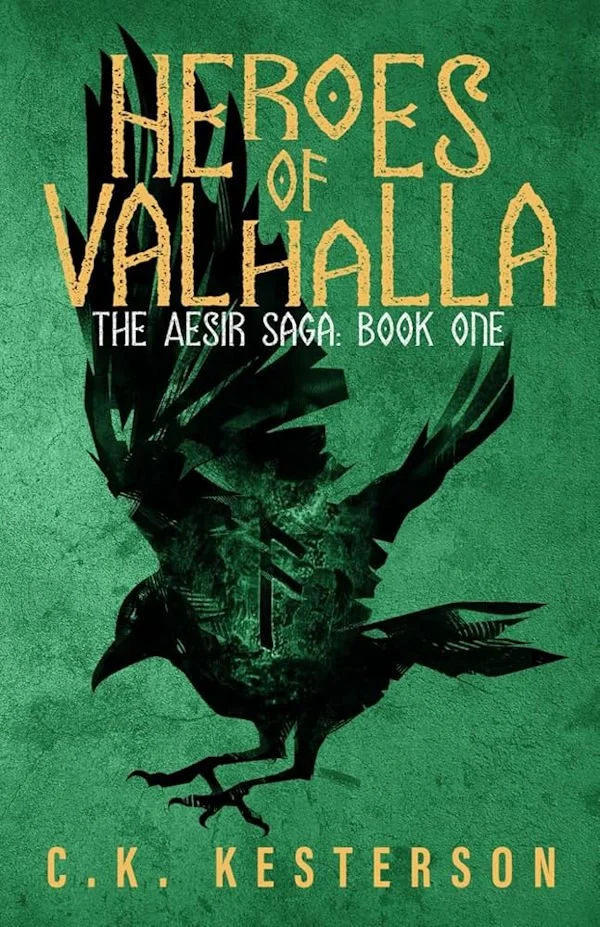
As May draws to a close, the literary marathon that is the 11th annual Self-Published Fantasy Blog-Off (SPFBO 11) continues its rigorous vetting process. Today marks a significant milestone in the competition as we bid farewell to another five contenders. Known affectionately as the "Third Five to Fall," these entries have completed their journey through our panel’s evaluation, providing a fascinating glimpse into the current trends, strengths, and pitfalls within the indie fantasy sphere.
The Nature of the Evaluation
Before diving into the specific critiques, it is essential to contextualize the SPFBO process. Our judging panel does not operate on a linear scale of "worst to best." Instead, we treat the competition as a series of thematic waves, reviewing batches of five books at a time. This methodology ensures that every submission receives focused attention before we narrow the field down to our eventual semi-finalists.
It is a core tenet of the SPFBO that all reading is inherently subjective. A critique provided by our panel—which consists of fourteen diverse readers, editors, and reviewers—is not an objective verdict on a book’s quality, but rather an assessment of how these specific works resonated with our current team. We encourage readers to view these "fallen" titles not as failures, but as stories that simply didn’t align with our specific panel’s palate this year. For many, these could easily become their next favorite read.
Chronology of the Competition
The SPFBO 11, founded by Mark Lawrence, remains the gold standard for independent fantasy recognition. Having launched its latest iteration earlier this year, the contest has been steadily winnowing down an initial pool of 300 entries. As we transition from May into the summer months, the pressure mounts for the remaining authors. The process is designed to be grueling, yet it serves a vital purpose: providing exposure to authors who have demonstrated the immense courage required to subject their creative labor to public scrutiny.

Analysis of the Third Five to Fall
Sweet & Wild by Alex Larkspur
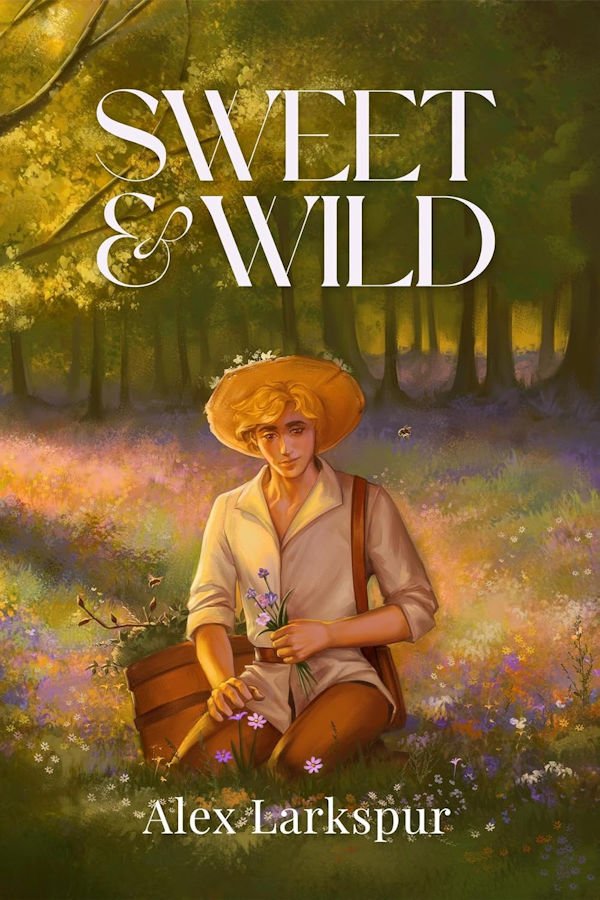
In Sweet & Wild, author Alex Larkspur introduces us to Micah Harlow, a protagonist seeking refuge in the small, mysterious town of Roseyard. The narrative promises a blend of folk-fantasy and romance, as Micah attempts to forge a connection with a local guardian spirit within the woods.
The Critique:
While the premise of a hedge witch interacting with a woodland deity is ripe for exploration, the execution struggled to captivate our judges. The primary point of contention was the romantic dynamic. Romance in fantasy is a polarizing element; when it works, it elevates the stakes, but when it falters, it can derail a narrative. In this instance, our panel found the lack of palpable chemistry between Micah and the spirit to be a hurdle. More critically, the age-gap trope—specifically the power imbalance inherent in an ancient magical entity pursuing a young mortal—struck an uncomfortable chord. Despite the atmospheric setting, these thematic choices ultimately prevented the book from advancing.
Shattered Peace by Megan Russ
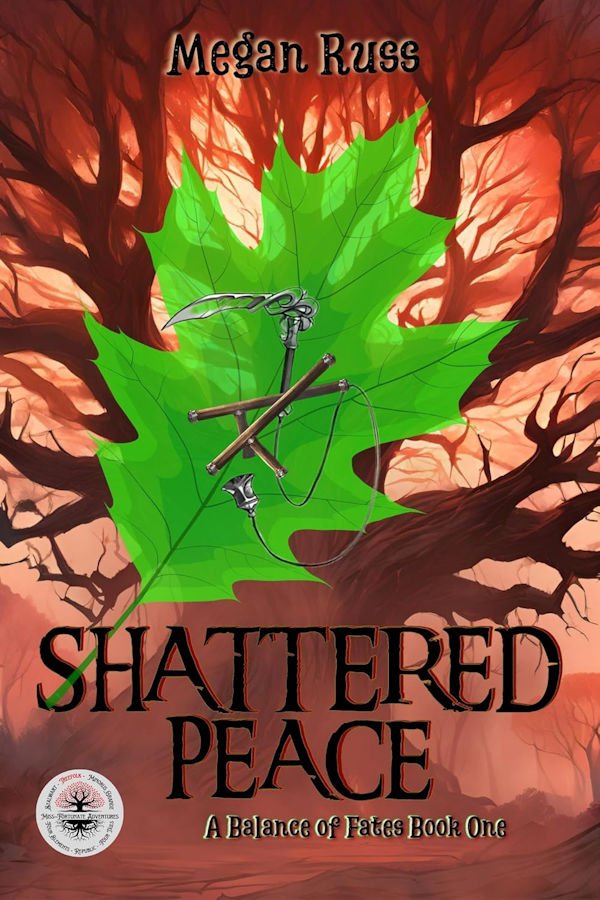
Shattered Peace offers a compelling hook: the world of Aearth, a planet physically and magically broken by a cataclysmic war 3000 years prior. The story follows two young monks, an elven outcast and a rare "free human," as they graduate from the Monastery of the Leaf and face a world where the gods have long since abandoned humanity.
The Critique:
Our judges lauded the world-building foundation. The concept of warrior monks navigating a post-divine world is a strong thematic hook. However, the narrative momentum proved to be the deciding factor. While the characterizations were solid, the pacing struggled to maintain a consistent rhythm. The story often felt bogged down in its own setup, failing to capitalize on the urgency the premise demanded. Consequently, the panel decided that the narrative failed to hold the necessary attention required for a competitive edge in such a crowded field.
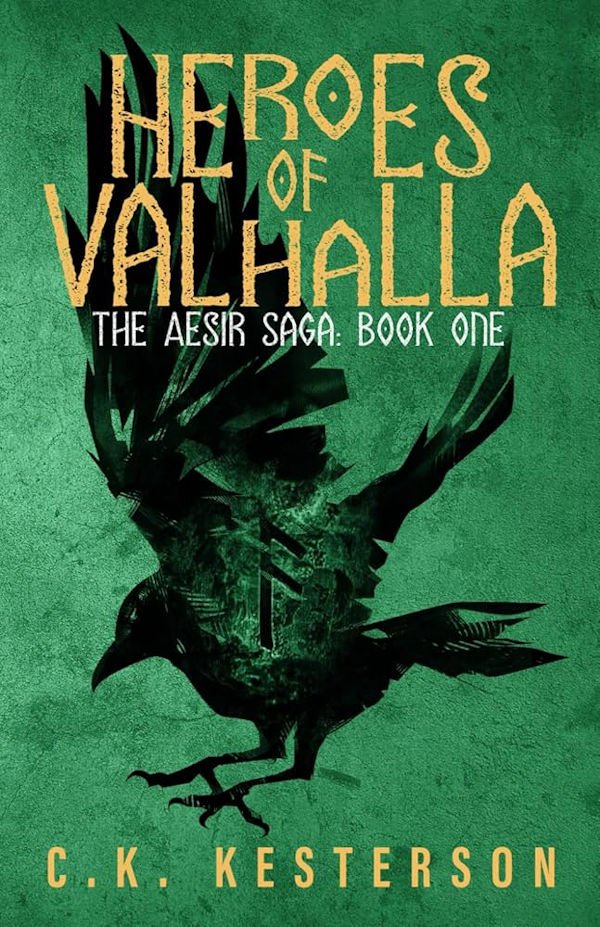
Heroes of Valhalla by C. K. Kesterson
Norse mythology remains an evergreen source of inspiration in fantasy literature. In Heroes of Valhalla, C. K. Kesterson explores the Kingdom of Asgard, a bastion of civilization in a dying, godless north, where King Odin searches for a champion to avert impending doom.
The Critique:
Heroes of Valhalla is a polished effort that adheres faithfully to the tropes of Norse-inspired epic fantasy. It is a competent, well-written story. However, in a competition that rewards innovation and unique voice, "competent" is often not enough. Our judges found that while there were no glaring flaws, there was also a lack of distinctive flair or surprising subversions. It failed to spark the kind of passionate debate or excitement that characterizes the books we move forward to the next round.
The Winter Mage (Legacy of the Lost Mage #1) by TJ Muir
Set in a world still reeling from the "Night of Ashes," The Winter Mage focuses on Kadaris, a young woman determined to master forbidden magic in a society that fears and hunts those who wield it.
The Critique:
This title offered a dual-POV structure that initially hooked our judges. The juxtaposition between a budding mage and a martial-arts-trained warrior provided a dynamic foundation for the narrative. However, the experience was hampered by two recurring issues: an over-reliance on heavy, exposition-laden world-building and a noticeable presence of technical editing errors. These hurdles interrupted the immersion, causing the judges to lose the initial connection they felt with the protagonists.
Legacy Bound (Legacies #1) by Elizabeth Daly
The final book in this batch, Legacy Bound, presents an epic fantasy centered on three distinct perspectives: an empath hiding in plain sight, her soldier brother seeking redemption, and a prince grappling with his own mortality.
The Critique:
Legacy Bound sits at the intersection of epic fantasy and "romantasy." While the interaction between the siblings was a highlight for many, the panel was sharply divided regarding the character arcs. Furthermore, the narrative trajectory—particularly the climax—featured a twist that felt misaligned with the tone established throughout the book. For readers who enjoy subversions, this might be a rewarding experience; for our current judging panel, it served as a point of disconnect that ultimately halted its progress in the contest.
Supporting Data and Implications
The departure of these five titles underscores a recurring theme in SPFBO 11: the competition is no longer just about "good writing." With 300 entrants, the difference between a semi-finalist and a fallen entry often comes down to pacing, the freshness of the trope execution, and the technical polish of the manuscript.
The SPFBO 11 panel, comprised of fourteen esteemed members including Adawia Asad, Eva Geraghty, and Robert Max Freeman, continues to refine its search for the "X-factor"—that elusive quality that separates a standard genre entry from a standout piece of literature. The implications for authors are clear: in a self-publishing market that is increasingly saturated, the importance of professional editing, tight pacing, and subverting established tropes cannot be overstated.
Official Contact and Future Rounds
As we move forward, there are 15 books remaining to be reviewed in this specific cycle. We remain committed to transparency and to the support of the indie community. Authors and readers interested in tracking the progress of the remaining contenders can visit the official SPFBO 11 website.
For any inquiries, feedback, or further discussion regarding the judging process, the editor, Jennie Ivins, is available via direct message on Bluesky or Threads.
We wish all authors, both those who have exited and those who remain, continued success in their literary endeavors. The journey through the SPFBO is not merely a contest; it is a collaborative effort to bring the best of self-published fantasy to the forefront of the genre.
Featured image: "Open Book with Dandelion" by Ruslan Sikunov.


 Layla Zulfa