Muslim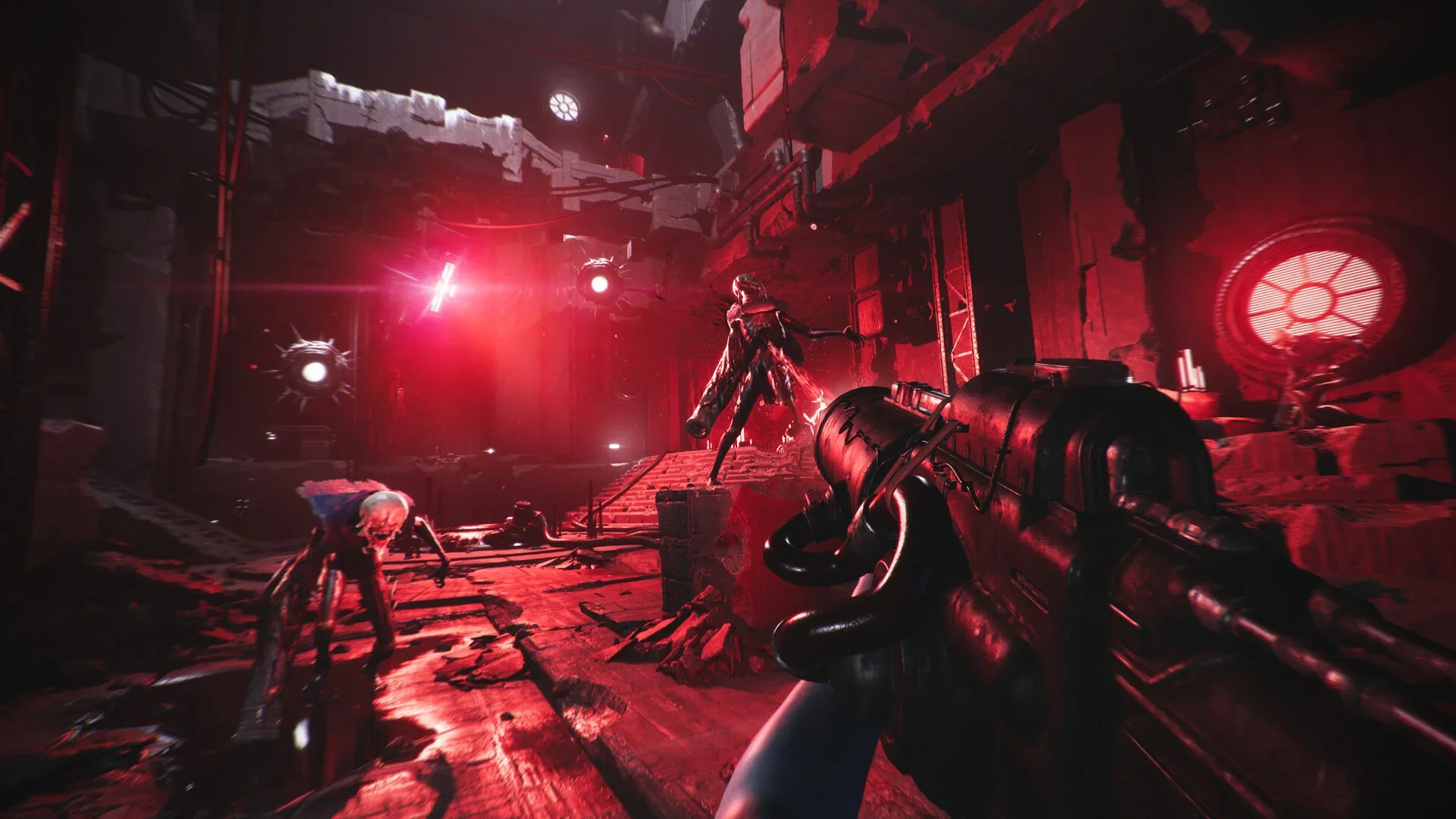
The video game industry has faced a tumultuous period of contraction over the last twenty-four months, with thousands of developers displaced by studio closures and mass layoffs. The latest casualty in this sobering trend is Kwalee Labs—a studio that, until mere days ago, was riding the momentum of its debut sci-fi shooter, Luna Abyss. In a swift and devastating development, the entire nine-person team has been made redundant just one month after the game’s official launch, marking a tragic end to a project that had survived years of production hurdles and a high-profile corporate rescue.
The Main Facts: A Brief Tenure
Kwalee Labs, formerly known as Bonsai Collective, was officially shuttered in June 2025. The studio’s closure comes only four weeks after the release of Luna Abyss, a narrative-driven sci-fi shooter that had garnered respectable critical acclaim upon its May 21st launch.
The decision to close the studio was not a reflection of the team’s creative output, but rather a structural collapse. Despite the team’s pride in shipping their debut title, CEO Hollie Emery confirmed that the closure was "completely outside of our control," leaving the small, nine-person development team without jobs. The studio’s history is one of resilience—having survived an initial brush with administration—only to fall victim to the broader economic pressures currently strangling the mid-tier and independent development sector.
A Chronology of a Studio
To understand the collapse of Kwalee Labs, one must look back at the origins of the team as Bonsai Collective.
2019: Foundations and Remote Ambitions
Founded in 2019 by Hollie Emery, a veteran of Team17, Bonsai Collective was established as a fully remote studio. The team set out to create a unique, atmospheric sci-fi experience that would stand out in a saturated market. Their vision eventually crystallized into Luna Abyss, a title that promised a mix of bullet-hell mechanics and deep, mysterious world-building.
2021: The Investment Phase
The project gained significant industry attention in 2021 when the studio secured a $3.5 million investment from publisher Super.com (which later rebranded as Super Good Games in 2022). This infusion of capital was intended to bridge the gap between concept and completion, allowing the team to scale their ambitions for the PlayStation 5 and PC release.
2025: The Acquisition and Final Sprint
Following a difficult period of development, the studio faced financial insolvency, leading to administration. In September 2025, the UK-based publisher Kwalee—founded by Codemasters visionary David Darling—stepped in to acquire the studio. The team was rebranded as Kwalee Labs, and the remaining staff pushed through the final months of development to bring Luna Abyss to the finish line.
May 2025: Launch and Immediate Aftermath
Luna Abyss launched on May 21, 2025. The game was greeted with warmth by critics and players alike, who praised its distinct aesthetic and challenging gameplay loops. However, the commercial reality of the launch did not align with the sustainability requirements of its parent company. Within thirty days of the game’s debut, the studio was shuttered, and the staff was laid off.
Supporting Data: The Commercial Reality
While Luna Abyss received positive reviews, the cold metrics of the industry often dictate a different story. According to data provided by GameDiscoverCo, the title sold approximately 12,000 units on the Steam platform. While for an independent, grassroots project this might represent a modest success, it is often insufficient to cover the overhead of a studio—even a small one—when accounting for years of development costs, platform fees, and marketing expenditures.
The broader context of the publisher, Kwalee, adds another layer to this story. As a publisher, Kwalee has been aggressive in its expansion, releasing seven titles in 2025 alone. Among their recent portfolio, the deck-building title Rune Dice outperformed their other releases. The stark difference in performance between titles like Rune Dice and Luna Abyss highlights the unforgiving nature of the current market, where mid-tier games that do not achieve "viral" status or massive volume are increasingly viewed as liabilities rather than assets.
Official Responses and Emotional Toll
The announcement of the closure was handled with transparency and heavy hearts. Hollie Emery’s statement on LinkedIn served as the primary window into the team’s final days.
"Whilst we faced many challenges along the way, it has been the highlight of our careers—and we are incredibly proud that it has finally seen the light of day," Emery wrote. Her statement emphasized that the team was "enamoured by the love and support it received both by our industry and critically by journalists and media."
The professional grace shown by the team in the wake of their redundancy has been noted by many in the industry. By making it clear that the entire team is immediately available for work, the studio leaders are attempting to facilitate a soft landing for their staff, many of whom have spent years pouring their expertise into a project that effectively served as their final act together.
Implications for the Industry
The closure of Kwalee Labs is a microcosm of the "mid-tier squeeze" currently affecting the gaming industry. Several key implications can be drawn from this event:
1. The Fragility of Acquisition
The fact that Kwalee Labs was purchased out of administration only months ago proves that acquisition is not a panacea for financial struggle. When a publisher acquires a studio from administration, the "runway" provided is often incredibly short. If the acquired title does not generate immediate, significant returns, the parent company is often forced to cut ties to protect their broader portfolio.
2. The High Bar for "Success"
The gaming industry has reached a point where "good" reviews are no longer a shield against closure. In an era where player attention is dominated by "forever games" (live-service titles that occupy thousands of hours of a player’s time), a single-player, narrative-focused title like Luna Abyss faces an uphill battle. Selling 12,000 copies on Steam is a significant achievement for a team of nine, but it is often viewed as a "failure" in the eyes of corporate entities looking for massive, scalable hits.
3. The Future of Remote Development
Bonsai Collective/Kwalee Labs was a pioneer of the remote-first model. While this allowed for a diverse and talented team, the closure raises questions about the long-term viability of small, remote teams in a landscape that increasingly favors centralized, studio-based support systems. Without the physical presence of a larger office to absorb overhead or integrate staff into other projects, remote teams often face the greatest risk when their specific project concludes.
4. The Publisher’s Responsibility
The silence from Kwalee regarding the specifics of the closure remains a point of contention for many observers. As a major publisher with a wide array of titles, Kwalee’s decision to close the studio so shortly after launch will likely fuel ongoing debates about the ethical responsibilities of publishers toward the developers they acquire. When a publisher takes ownership of a studio, there is an implicit promise of sustainability; when that is revoked within weeks, it casts a shadow over the publisher’s reputation among independent developers.
Conclusion
The story of Kwalee Labs is one of immense talent and dedication ultimately defeated by the cold math of the modern gaming market. Luna Abyss stands as a testament to what a small, passionate team can achieve, even under the shadow of bankruptcy and corporate acquisition.
While the studio is no longer, the legacy of the project remains in the positive reviews of its players and the professional reputation of the developers who created it. As the industry continues to consolidate, the tragic shuttering of Kwalee Labs serves as a sobering reminder that in today’s landscape, even the most successful, critically acclaimed creative efforts can be deemed expendable. The nine developers who have been laid off are now part of a growing pool of highly skilled industry veterans seeking new opportunities, leaving the rest of the gaming world to wonder how many more creative gems will be lost in the pursuit of corporate efficiency.


 Raul Delapena Setiawan
 Asro
Asro