Lina Irawan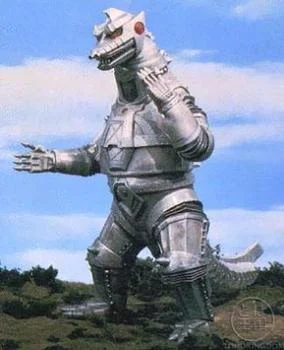
The world of science fiction fandom is preparing to launch a new, high-octane project. Journey Planet, the esteemed, Hugo Award-winning fanzine, has officially announced its next major theme: an exhaustive, celebratory, and critical exploration of the “Mecha” genre. From the towering steel titans of classic anime to the complex technological narratives of modern giant robot epics, the fanzine is inviting creators, scholars, and enthusiasts to submit their work for what promises to be a definitive collection of giant robot fandom.
The editorial team has set a strict deadline of September 15, 2026, for all submissions, signaling a long lead time intended to capture high-quality, deeply researched, and artistically significant contributions from across the global community.
Main Facts: A Call to Arms for Fandom
The Journey Planet Mecha issue is designed to be a comprehensive retrospective and forward-looking analysis of the giant robot subgenre. The project aims to move beyond simple nostalgia, seeking to examine the cultural, mechanical, and narrative threads that have made mecha a staple of speculative fiction for over half a century.
The editors are casting a wide net. They are actively soliciting:
- Critical Essays: Deep dives into the socio-political themes found in series like Mobile Suit Gundam, Neon Genesis Evangelion, or Patlabor.
- Historical Retrospectives: Investigations into the evolution of mecha design, from the "Super Robot" era of the 1970s to the "Real Robot" grit of the 1980s and beyond.
- Creative Writing: Short fiction set within original mecha universes or fan-fiction that explores the human condition through the cockpit of a machine.
- Visual Art: Illustrations, technical diagrams, and conceptual art that capture the scale and intricacy of these mechanical giants.
- Cosplay & Performance: Showcases of the craftsmanship behind the real-life armor and props that bring these characters into the physical world.
By inviting contributions from both first-time voices and seasoned fanzine contributors, Journey Planet intends to bridge the gap between academic discourse and passionate fan expression.
Chronology: The Evolution of a Genre
To understand the significance of this issue, one must look at the historical trajectory of the mecha genre, which Journey Planet intends to chronicle.
The Dawn of the Giant Robot (1950s–1960s)
The roots of the genre are often traced back to Mitsuteru Yokoyama’s Tetsujin 28-go (1956). In these early days, the robot was a tool, often controlled by a remote-operated console. It was a projection of post-war technological optimism, where the machine was a hero that could be commanded by a child.
The Super Robot Era (1970s)
The 1970s saw the rise of iconic series such as Mazinger Z and the Getter Robo franchise. This era established the "Super Robot" archetype: machines with near-magical capabilities, individual personalities, and a heroic, almost mythical status. These robots were larger than life, often battling alien threats to save humanity.
The Real Robot Revolution (1980s)
1979 marked a paradigm shift with the release of Yoshiyuki Tomino’s Mobile Suit Gundam. This introduced the "Real Robot" genre, where giant robots were reimagined as mass-produced military hardware. This transition brought themes of war, political maneuvering, and the psychological toll on young pilots to the forefront. It transformed the genre from a children’s power fantasy into a nuanced medium for social commentary.
The Global Expansion (1990s–Present)
The international success of Neon Genesis Evangelion in the 1990s pushed the genre into the realm of high-concept existentialism, questioning the nature of humanity, religion, and trauma. In the 21st century, the genre has seen a global infusion of ideas, with Hollywood productions like Pacific Rim blending Western blockbuster sensibilities with the aesthetic DNA of Japanese mecha history.
Supporting Data: Why Mecha Matters
The enduring appeal of the mecha genre is backed by decades of commercial and cultural data. The global market for mecha-related media, toys, and model kits—most notably the Gunpla (Gundam Plastic Model) market—continues to generate billions of dollars annually.
According to industry reports, the Gunpla line alone has sold over 700 million units since its inception in 1980. This level of engagement indicates that mecha is not merely a genre of television; it is an interactive hobby that fosters a unique type of engineering-focused creativity among fans.
Furthermore, the academic interest in mecha has spiked. Scholars now frequently cite the genre in studies regarding transhumanism, the ethics of Artificial Intelligence, and the intersection of traditional Japanese folklore with futuristic technology. Journey Planet’s decision to dedicate an entire issue to this topic reflects an acknowledgment of the genre’s academic weight and cultural longevity.
Official Responses and Editorial Vision
The editorial board of Journey Planet has expressed that the goal of this issue is to foster inclusivity. "We want to see the diversity of fandom," says a spokesperson for the publication. "Whether your passion is the nostalgic, grainy VHS aesthetic of an old show or the high-definition, 3D-modeled reality of modern games, there is a place for your perspective here."
The choice of Mechagodzilla as a visual anchor for this announcement is telling. It highlights the intersection of the "Kaiju" (giant monster) and "Mecha" genres—a sub-genre that has provided some of the most memorable battles in cinematic history. By choosing a character that is essentially a weaponized mirror of a living legend, the editors are inviting contributors to explore the "mirroring" effect of the genre: how robots reflect our own human flaws, ambitions, and fears.
Implications: The Future of Fanzine Culture
The announcement of the "Mecha" issue carries significant implications for the state of fanzines in the digital age.
Preservation of Fandom History
As streaming services and corporate streaming platforms continue to consolidate and shift content, the physical or digital archival work performed by fanzines like Journey Planet becomes vital. They serve as a repository for fan memories, critical essays that might otherwise be lost in the ephemeral nature of social media threads, and artistic interpretations that challenge corporate-sanctioned aesthetics.
Community Building
The call for submissions encourages a global dialogue. By opening the floor to international contributors, the fanzine is effectively acting as a bridge between the originators of the genre in Japan and the global audience that has adopted these stories as their own. This creates a cross-pollination of ideas that enriches the global science fiction community.
Sustaining Critical Discourse
The move to dedicate an entire issue to a specific sub-genre demonstrates a commitment to "slow media." In an era of instant gratification and short-form content, the commitment to long-form, researched, and curated content in Journey Planet ensures that the conversation surrounding these franchises remains elevated and intellectually rigorous.
How to Contribute
For those interested in participating, the instructions are straightforward but demand a high standard of quality. Potential contributors are encouraged to review previous issues of Journey Planet to understand the tone and editorial standards of the publication.
- Submissions: Should be sent in accordance with the standard Journey Planet guidelines, typically involving email correspondence with the editorial team.
- Format: The editors are flexible regarding format, provided the work is original and relevant to the mecha theme.
- Deadline: September 15, 2026. This allows ample time for contributors to develop their ideas, conduct interviews, or create visual assets.
In conclusion, the upcoming Mecha issue of Journey Planet is set to be a milestone for fans of the genre. It promises to be a deep, thoughtful, and expansive look at one of the most vibrant sub-genres in science fiction. Whether you are a die-hard pilot of a giant robot or simply a curious observer of the genre’s history, the call is out: prepare to launch, and join the conversation.
For further updates, readers are encouraged to monitor the Journey Planet website and the official File 770 updates, which continue to provide essential coverage for the science fiction and fantasy community.

 Neng Nana
 Layla Zulfa