Reynand Wu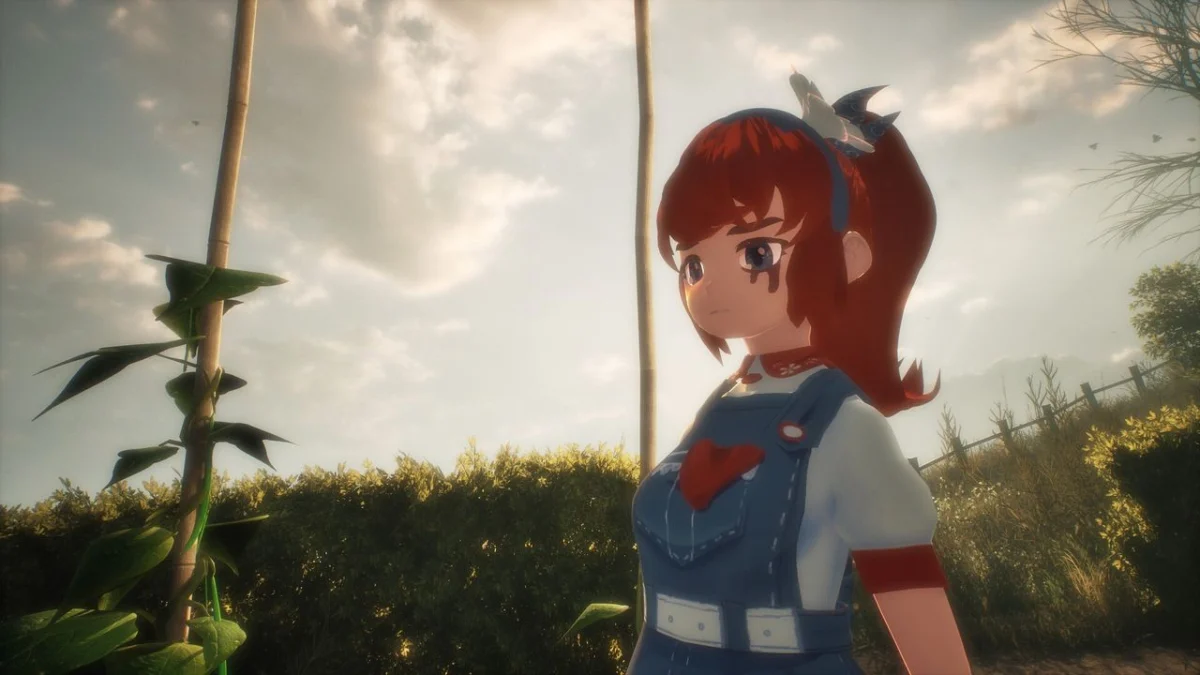
The landscape of modern horror gaming is often defined by the predictable cadence of jump scares, industrial corridors, and the looming presence of mascot-driven terror. However, emerging from the digital shadows of Summer Game Fest 2026 is Fractured Blooms, a title that eschews these tired tropes in favor of something far more unsettling: the quiet, repetitive agony of the mundane. Published by Serenity Forge—the same creative force behind the psychological phenomenon Doki Doki Literature Club—Fractured Blooms presents a farming simulator that feels less like a cozy hobby and more like a fever dream etched into the soil of rural West Virginia.
A Convergence of Folklore and Trauma
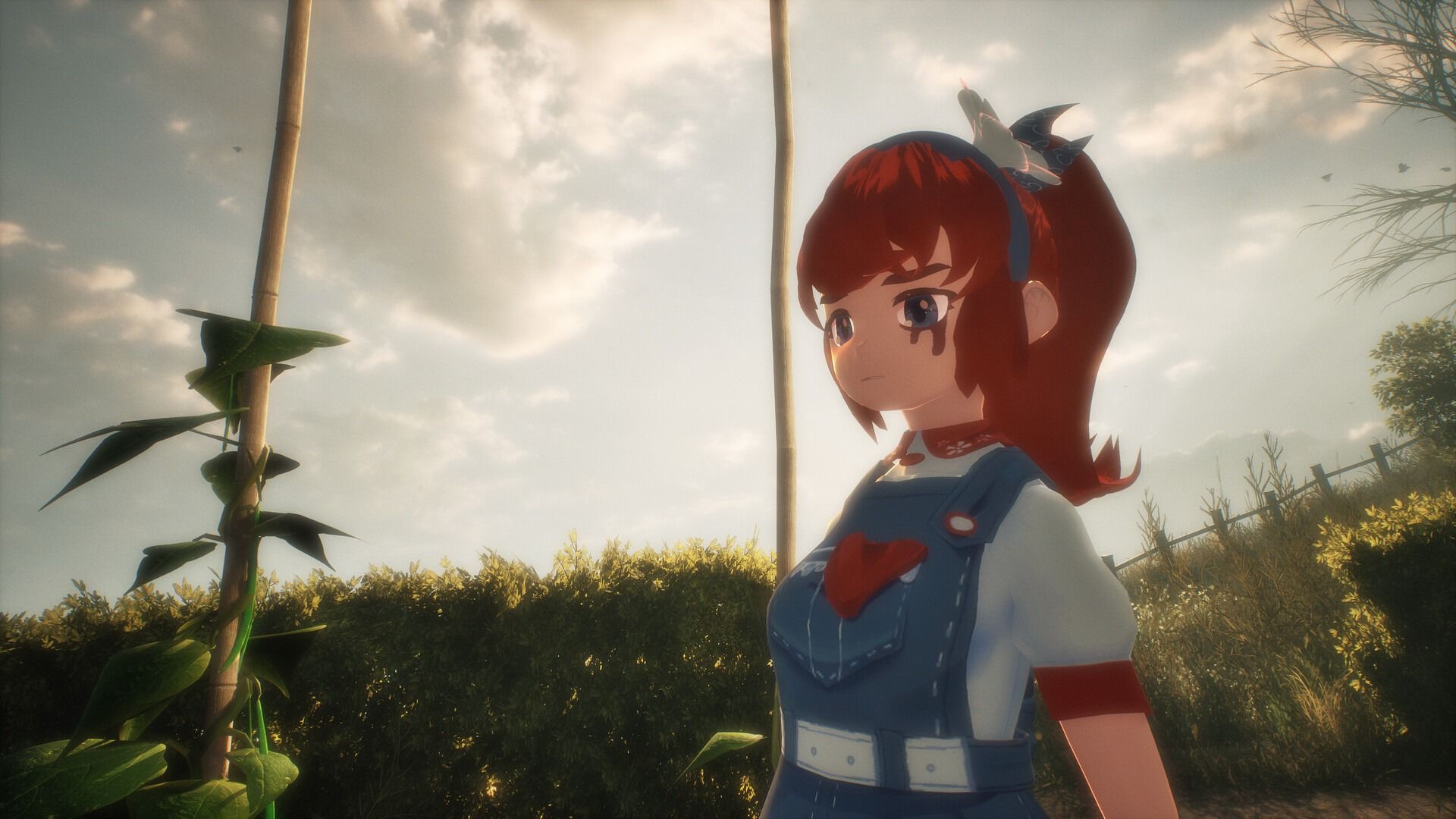
The premise of Fractured Blooms centers on Angie, a teenager navigating an environment that blurs the lines between pastoral simplicity and eldritch horror. From the moment the player boots the demo, they are greeted by a world that feels simultaneously grounded and deeply, disturbingly wrong. Angie’s narrative is framed by a confession: "Can I tell you a secret? I’m not scared."
This opening line sets the tone for a game that explores the intersection of Appalachian mysticism and the weight of religious expectation. As Angie trudges through the woods toward an old, dilapidated church, the imagery is heavy with symbolism. White flowers, intended to be a sign of purity, are replaced by falling red petals. Inside the church, the altar serves not as a place of sanctuary, but as a site of grotesque offering, where raw meat sits in place of communion, and a congregation silently beckons the player to "partake in His flesh."
The developer, Serenity Forge founder Zhenghua "Z" Yang, describes the game as being rooted in a "true story," though he remains intentionally cryptic regarding the specific origins. This ambiguity lends the experience a dreamlike quality, where the player is not merely observing a narrative, but inhabiting the fragmented memories of a life that feels precariously tethered to reality.
Chronology of a Ritualistic Loop
At its core, Fractured Blooms functions as a time-loop simulator. The player is tasked with performing a cycle of daily chores—farming, cooking, cleaning, and maintaining the homestead. However, these activities are not the tranquil tasks found in titles like Stardew Valley. Instead, they are depicted as an exhaustive, soul-crushing necessity.
In the demo, the player learns that Angie is trapped in a cycle of maintenance that persists to the point of physical and mental pain. The tasks—harvesting tomatoes before insects consume them, preparing venison stew with specific herbs, and managing the rot in a treehouse—are presented with an obsessive attention to detail that highlights the fragility of her existence.
The chronology of the game is non-linear and repetitive. Each day brings a new iteration of these chores, yet each cycle reveals further decay in the environment. Angie’s interactions with the world are marked by a profound, childlike evasiveness. She speaks of her duties with a grim sense of commitment, often weeping mid-sentence. In one of the most striking sequences of the demo, she performs a self-destructive act at the behest of an enigmatic character, viewing the experience not with horror, but with an eerie sense of necessity and purpose.
The Philosophy of Fear: Insights from Z Yang
To understand the intent behind Fractured Blooms, one must look at the life experience of its creator. Z Yang’s approach to horror is deeply personal, shaped by his own brush with mortality. During our interview, Yang revealed that he finds little resonance in traditional horror media, which often relies on external threats. For him, the true horror lies in the daily, unyielding demands of life—the laundry that must be folded, the garden that must be tended, and the body that eventually fails.
This perspective was forged when Yang was 18 years old and diagnosed with a near-fatal illness. "I was told I was going to die in three hours," Yang shared. "I spent years just expecting to not have a future… It kind of removed my fear of death, because I just had to be so OK with it from such a young age."
This lack of fear regarding death has translated into a game design philosophy that prioritizes contemplation over adrenaline. Yang explicitly critiques the current state of the horror genre: "The most difficult part about launching a horror game in general is to try to break through the noise of a now established and generic formula, which is typically some kind of combination of mascots, jumpscares, asset store flips, and some kind of PS1 graphics." Fractured Blooms is, by contrast, an attempt to create "contemplative horror," where the player is encouraged to sit with the discomfort of their own existence.
Supporting Data and Technical Ambition
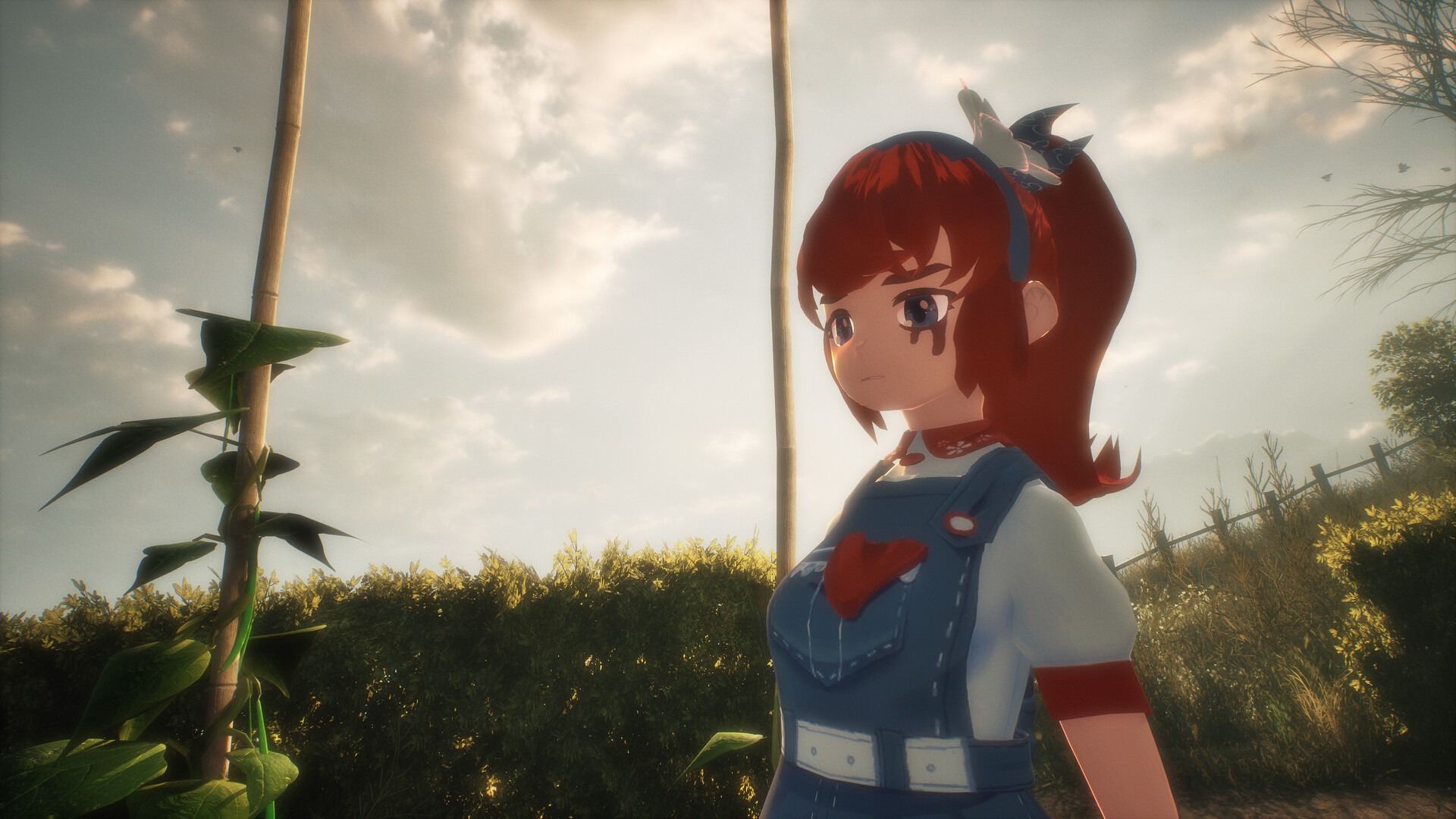
While the narrative remains shrouded in mystery, the technical execution of Fractured Blooms suggests a sophisticated approach to visual storytelling. The game employs a deliberate clash of art styles, juxtaposing the environment’s gauzy, naturalistic beauty with the character designs that occasionally lean into anime-inspired aesthetics.
Yang promises that this divergence is not merely an aesthetic choice but a narrative device. He hints at a "major payoff" that will explain why the character and environmental art styles operate in such distinct registers. This visual dissonance serves to heighten the player’s sense of alienation—as if Angie is a foreign element in a world that is fundamentally hostile to her presence.
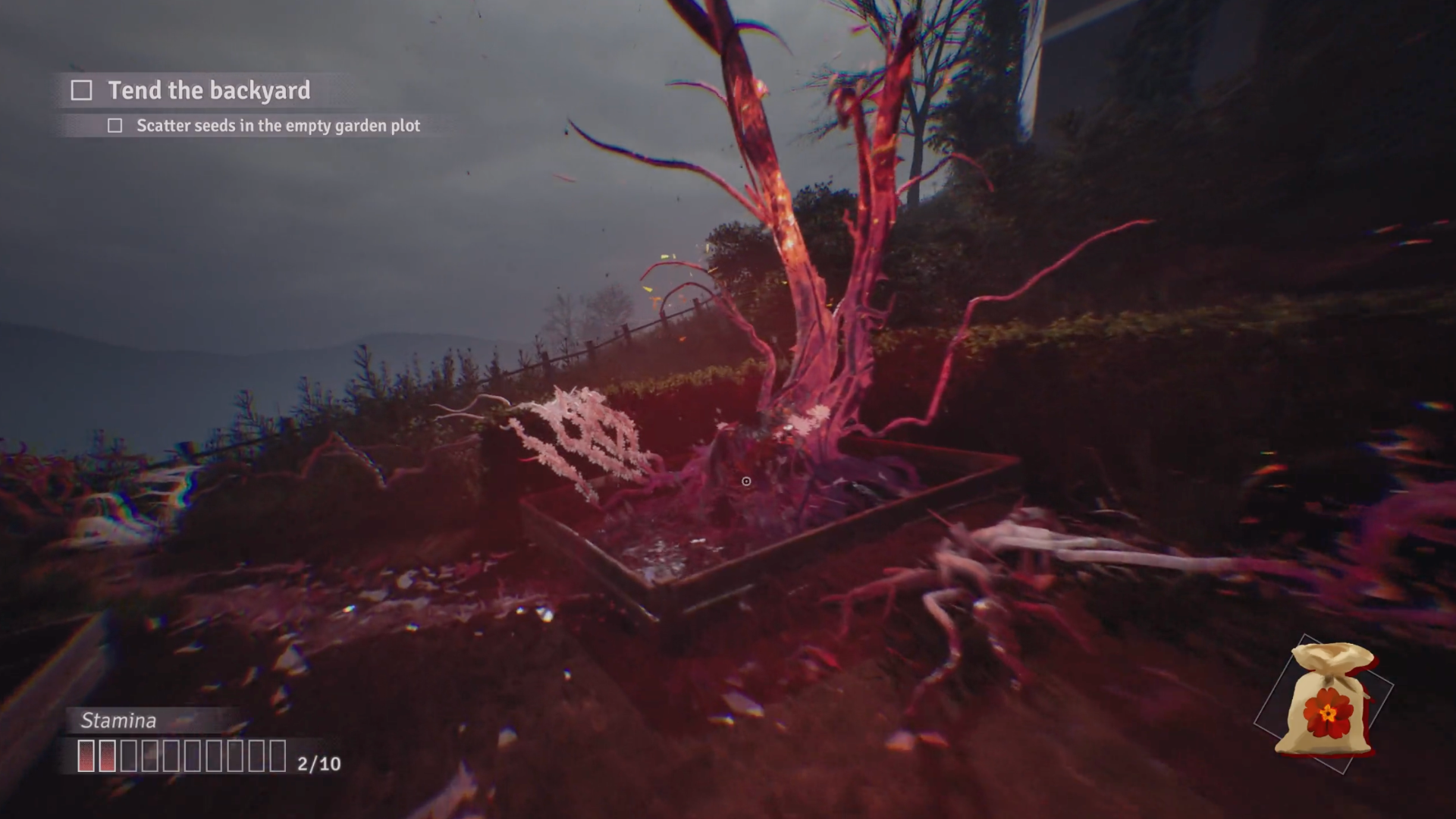
Furthermore, the game’s sound design and environmental storytelling reinforce the theme of religious trauma. The recurring motifs of Christian iconography, combined with the visceral, often bloody imagery of the Appalachian wilderness, suggest a game that is deeply concerned with the nature of belief. "I think it’s very important for players to see the version of God in their own way," Yang notes, "because I believe that that is the truth of how it works."
Implications for the Horror Genre
The implications of Fractured Blooms for the indie horror scene are significant. By moving away from the "mascot horror" trend that has dominated the Steam marketplace, Serenity Forge is betting that audiences are ready for a more mature, introspective experience. The game suggests that horror does not require a monster lurking in the closet; sometimes, the horror is simply the obligation to wake up and start the cycle all over again.
The demo, which is currently available on Steam, serves as a proof-of-concept for this design philosophy. It forces players to reckon with their own relationship to suffering and labor. As one navigates the cracked porcelain of the kitchen or the rot-filled woods, the line between the player’s world and Angie’s world begins to blur.
Whether Fractured Blooms can maintain this level of tension throughout a full-length experience remains to be seen. However, its success at this early stage is undeniable. In twenty minutes of gameplay, it achieves what many horror titles fail to do in ten hours: it makes the player feel a genuine, lingering sense of unease that persists long after the screen goes dark. It is a haunting exploration of the human condition, wrapped in the quiet, terrifying beauty of a forgotten forest. As we wait for the full release, one thing is certain: the Appalachian woods have never felt so close, and they have never felt so dangerous.

 Sagoh
Sagoh