Reynand Wu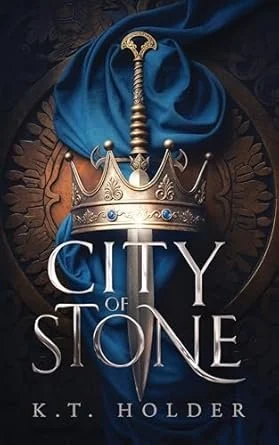
In the landscape of modern epic fantasy, few tropes are as enduring—or as difficult to execute with fresh eyes—as the "found family" narrative set against the backdrop of systemic collapse. K.T. Holder’s City of Stone attempts to bridge this gap, offering a sprawling tale of magical espionage, political upheaval, and the heavy price of loyalty. As the novel gains traction among readers, a panel of critics from Fantasy Faction has weighed in, providing a complex, polarized, and deeply insightful look at whether this burgeoning series earns its place on the shelf of must-reads.
The Premise: A Kingdom on the Brink
City of Stone introduces readers to a world where magic is the primary currency of power and shadows serve as the silent architects of history. The story centers on Kasperi Ironstone, a young man whose life is defined by a singular, self-sacrificing act. After turning to theft to ensure the survival of his younger brother, Kas is captured and sentenced to eight years in the empire’s most brutal labor camps.
When he finally emerges, he finds the world transformed. The empire is teetering on the precipice of a devastating invasion, and the brother he sacrificed everything to protect has reinvented himself as the spearhead of a growing rebellion. As Kas attempts to navigate this volatile political landscape, he is joined by a band of disparate allies. Together, they must dismantle a web of internal sabotage and unmask a traitor, all while Kas grapples with the agonizing choice between his familial devotion and the survival of the realm.
Chronology of a Crisis
The narrative structure of City of Stone follows a distinct trajectory, beginning with the formative tragedy of Kas’s imprisonment and culminating in a high-stakes, frenetic climax that leaves the reader poised for the subsequent installments.
- The Inciting Incident: Eight years prior to the main narrative, Kas’s arrest establishes the emotional stakes of the novel. His motive—protecting his brother, Soli—sets a baseline of altruism that drives the character’s development throughout the story.
- The Post-Camp Reality: The opening chapters of the novel deal with the disorientation of freedom. Kas and his companions are defined by their shared history in the mines, where their magic was systematically bound. This section serves as the foundation for the "found family" dynamic that becomes the book’s central strength.
- The Rebellion and the Reveal: As the plot progresses, the reunion between Kas and Soli serves as the primary conflict catalyst. The brotherly dynamic is subverted; the boy Kas left behind is gone, replaced by a hardened leader, forcing Kas to re-evaluate his loyalties.
- The Political Escalation: Parallel to the personal drama, the narrative expands into the halls of power, tracking the movements of the young Empress and various political factions. This leads to the final act, where the disparate storylines converge into a rapid-fire sequence of revelations.
Supporting Data: The Critic’s Consensus
The critical reception of City of Stone is characterized by a "love-it-or-leave-it" dichotomy. While the emotional resonance of the characters is universally acknowledged, the execution of the plot and the pacing of the political intrigue have sparked significant debate.
The Case for Enthusiasm
Proponents of the book, such as Maureen and Stacey, highlight the strength of the character work. Maureen notes that the "layers upon layers of plotting" kept the momentum high, even within the confines of the labor camps. For her, the world-building was a masterclass in subtlety; rather than relying on heavy-handed exposition, Holder allows the geography and the magic systems to reveal themselves through action and necessity.
Stacey similarly emphasizes the emotional core of the narrative, noting, "There is magic, but it’s not the core of the novel—people and relationships are." This focus on the interpersonal, rather than the mechanical, seems to be the book’s greatest asset.
The Case for Skepticism
Conversely, critics like EG point to a perceived lack of nuance. EG found the character dynamics to be overly explained, arguing that the dialogue often spelled out emotional beats that should have been self-evident. This transparency, according to EG, rendered several plot twists predictable, ultimately leading to a loss of engagement by the midpoint of the book.
This critique of "easy" resolutions is echoed by Julia, who, despite enjoying the read, noted that conflicts occasionally resolve with a speed that stretches credibility. For Julia, while the characters were compelling, the "rough edges" of the narrative architecture occasionally pulled her out of the immersion.
Official Perspectives: Themes of Growth and Agency
Perhaps the most compelling aspect of City of Stone—and the one that garnered the most praise from the panel—is its approach to character evolution and social commentary.
Julia highlighted a specific, understated brilliance in the novel: the protagonist’s process of "unlearning." Kas’s journey involves realizing that the language and cultural biases he inherited from the empire are reductive and harmful. His gradual adjustment to the correct names and customs of the Jatte and Kikachi peoples is portrayed not as a grand moral victory, but as a quiet, necessary act of respect. This grounded approach to character growth is mirrored in the novel’s handling of LGBTQ+ dynamics, which are treated with a refreshing lack of performative drama, focusing instead on the awkward, gentle reality of human connection.
Furthermore, the inclusion of the young Empress’s POV chapters adds a layer of structural critique. Her struggle against a patriarchal, entrenched aristocracy provides the necessary political weight to the story, framing the rebellion not just as a war of swords and spells, but as a fight against systemic stagnation.
Implications for the Series
The consensus among the reviewers suggests that City of Stone is a novel of immense potential that occasionally falters in its polish. The "found family" trope, while well-trodden, is executed here with a sincerity that clearly resonates with readers.
The primary implication for the future of the series is a need for deeper complexity in its plotting. As Kerry noted, the transition from the first book to the second is seamless—so much so that readers are often compelled to binge the series in a single sitting. This "page-turner" quality is the author’s strongest weapon. However, for the series to evolve from a "good read" into a genre staple, the next installments will need to address the pacing issues and the "too-easy" resolutions identified by the panel.
Final Verdict
City of Stone stands as an ambitious entry into the fantasy canon. It is a book that prioritizes heart over spectacle, and in doing so, it captures the complexities of trauma, loyalty, and the difficult transition from survival to living. While it may not satisfy those looking for the intricate, impenetrable machinations of high-political fantasy, it offers a deeply satisfying experience for readers who prioritize character-driven narratives.
As Holder prepares to expand this world, the groundwork has been laid. The disparate threads of the rebellion, the mystery of the magic systems, and the fractured relationship between two brothers provide more than enough fuel for future volumes. If the author can refine the pacing and add a layer of narrative friction to the next installment, City of Stone could well become the start of an essential series for fans of the genre.
For now, it remains a testament to the power of the "found family" story—a tale that, despite its rougher edges, finds its strength in the warmth and resilience of those who have survived the furnace of the camps to stand together against the encroaching shadows.


 Neng Nana
 Layla Zulfa