Nana Wu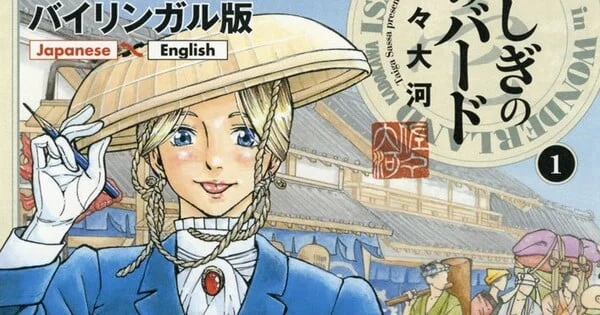
Tokyo, Japan – June 16, 2026 – The captivating manga series, Isabella Bird in Wonderland – Unbeaten Tracks in Japan (Fushigi no Kuni no Bird), a meticulously crafted exploration of 19th-century Japan through the eyes of intrepid British adventurer Isabella Bird, is set to conclude its run. The 135th issue of Kadokawa’s esteemed Harta magazine announced on Monday that the final chapter of Taiga Sassa’s critically acclaimed work will be published in the magazine’s 137th issue, scheduled for release on September 15, 2026.
This announcement marks a significant milestone for a manga that has consistently captivated readers with its unique blend of historical narrative, cultural observation, and artistic merit. Since its debut, Isabella Bird in Wonderland has offered a rare and insightful perspective on Japan during the early Meiji era, a period of immense transformation and cultural exchange. The series has not only illuminated the personal journey of Isabella Bird but also provided a vivid tableau of a nation on the cusp of modernity, as seen through the lens of a foreign observer.
A Journey Through Time: The Genesis and Evolution of Isabella Bird in Wonderland
The narrative of Isabella Bird in Wonderland is deeply rooted in the actual travels of Isabella Lucy Bird, a pioneering female explorer, writer, and photographer who embarked on a remarkable journey through Japan in the early Meiji era. Her experiences, meticulously documented in her seminal work "Unbeaten Tracks in Japan," form the bedrock of Sassa’s manga. The series artfully recreates Bird’s arduous trek, which commenced in Tokyo and extended all the way to Ezo, the historical name for the northern island of Hokkaido. This epic expedition, undertaken by a woman in an era where such independent travel was exceptionally rare, provides the framework for Sassa’s compelling storytelling.
Taiga Sassa launched Isabella Bird in Wonderland in Harta magazine in 2013, a testament to the enduring fascination with Bird’s story and the potential for its adaptation into the manga medium. The choice of Harta, a magazine known for its commitment to diverse and often historical or literary-focused manga, proved to be an ideal platform for the series. Over the years, Sassa’s dedication to historical accuracy, coupled with a keen artistic sensibility, has garnered a loyal following. The manga’s ability to transport readers back in time, allowing them to vicariously experience the challenges and wonders of Bird’s journey, has been a key factor in its success.
The series’ journey towards its conclusion has been a gradual and well-signaled one. In April 2024, readers were informed that Isabella Bird in Wonderland had officially entered its final arc. This news, while perhaps bittersweet for devoted fans, underscored the narrative’s progression towards a natural and satisfying resolution. The manga has consistently delivered on its promise to explore Japanese culture from Bird’s unique vantage point, offering observations on social customs, landscapes, and the evolving identity of the nation.
Unpacking the Cultural Tapestry: Bilingual Editions and Educational Impact
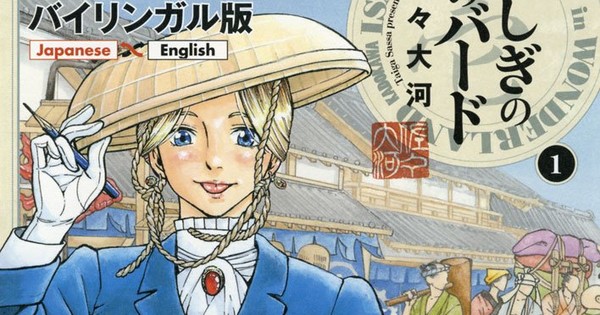
A particularly innovative aspect of Isabella Bird in Wonderland‘s publication history was the release of a bilingual edition of its first volume in January 2018. This strategic move by Kadokawa was aimed at a dual audience: both Japanese students of English and English-speaking enthusiasts of Japanese culture. The bilingual edition featured English text within the manga panels, accompanied by Japanese translations in the margins. This approach not only facilitated language learning but also deepened the reader’s engagement with Bird’s original narratives and Sassa’s interpretation.
The decision to create a bilingual edition speaks to the broader educational and cultural significance of the manga. By presenting Bird’s experiences in a way that bridges linguistic barriers, Sassa and Kadokawa have fostered a greater appreciation for both Japanese history and the English language. This initiative positioned the manga as more than just entertainment; it became a valuable resource for cultural understanding and linguistic enrichment. The success of this bilingual format highlights a growing interest in cross-cultural narratives and accessible educational content within the manga sphere.
The Art of Observation: Taiga Sassa’s Vision and Critical Acclaim
Taiga Sassa’s artistic style and narrative approach have been instrumental in the manga’s critical and commercial success. The artist’s ability to render historical settings with meticulous detail, capture the nuances of human emotion, and convey the vastness of the Japanese landscape has been widely praised. Sassa’s visual storytelling not only brings Isabella Bird’s journey to life but also imbues the historical context with a sense of immediacy and authenticity.
The manga’s exploration of early Meiji Japan offers a fascinating counterpoint to modern perceptions of the country. Bird’s observations, recorded over a century ago, provide a unique perspective on a society undergoing profound change. Sassa’s manga allows readers to witness this transformation through Bird’s often insightful and sometimes critical gaze. The series has been lauded for its sensitive portrayal of cultural encounters, its depiction of the lives of ordinary Japanese people, and its commitment to historical fidelity. This dedication to authenticity has earned Isabella Bird in Wonderland a distinguished place within the historical manga genre.
The release of the 13th compiled book volume in October 2025 further solidified the manga’s substantial presence. This indicates a significant body of work that has consistently engaged readers and critics alike. The impending conclusion of the series, therefore, is not merely the end of a story but the culmination of years of dedicated artistic endeavor and historical exploration.
Broader Implications: Historical Manga, Cultural Exchange, and the Future of Storytelling
The conclusion of Isabella Bird in Wonderland – Unbeaten Tracks in Japan resonates beyond the immediate readership of Harta magazine. It signifies a moment for reflection on the enduring appeal of historical narratives within the manga medium and the increasing global appreciation for Japanese culture. Historical manga, like Sassa’s work, plays a crucial role in preserving and disseminating knowledge about the past, making it accessible and engaging for new generations.
Furthermore, the success of the bilingual edition highlights a growing trend towards creating content that transcends linguistic boundaries. As manga continues to gain popularity worldwide, publishers are increasingly recognizing the importance of providing accessible versions for international audiences. This not only expands the market but also fosters greater cross-cultural understanding and appreciation. Isabella Bird in Wonderland serves as a compelling case study in how manga can act as a bridge between cultures, offering unique insights into different historical periods and societal contexts.
The series’ exploration of Isabella Bird’s pioneering spirit also speaks to broader themes of female empowerment and the pursuit of knowledge against societal constraints. Bird’s journey, undertaken with remarkable courage and determination, continues to inspire. Sassa’s manga has, in turn, introduced her remarkable story to a new audience, ensuring her legacy endures.
As the final chapter approaches, fans will undoubtedly be eager to see how Taiga Sassa brings Isabella Bird’s extraordinary Japanese adventure to a close. The series has undoubtedly left an indelible mark on the landscape of historical manga, offering a rich, educational, and artistically brilliant portrayal of a pivotal moment in Japanese history. The impending conclusion is a testament to the power of storytelling to illuminate the past, connect cultures, and inspire future generations of readers and explorers alike. The legacy of Isabella Bird in Wonderland will undoubtedly continue to be felt long after its final panel is drawn.


 Sagoh
Sagoh
 Reynand Wu