Asro
Asro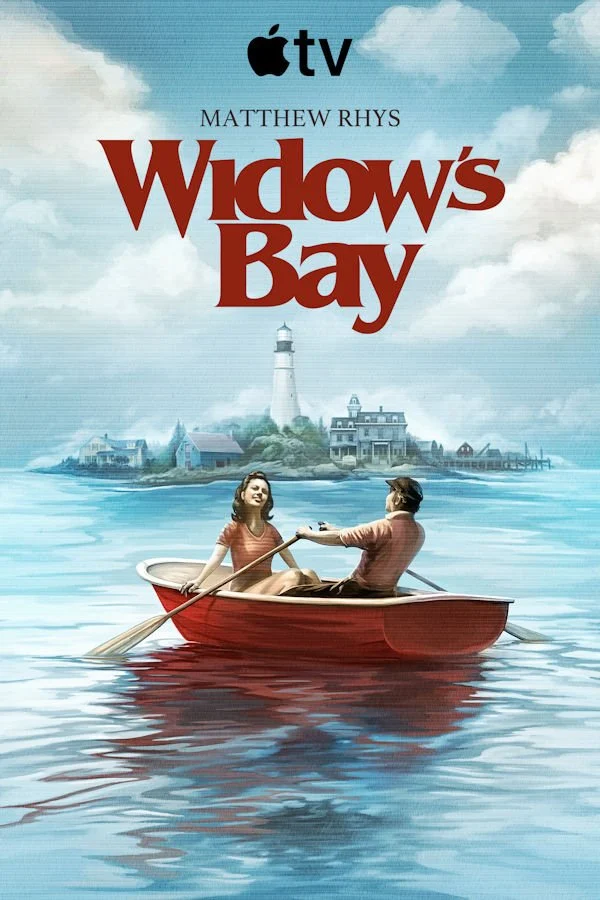
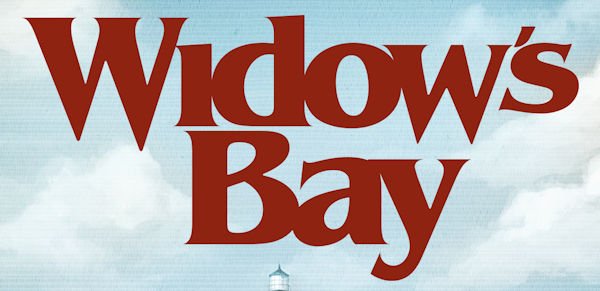
There is a specific, visceral reaction that occurs when a viewer sees those sharp, blocky serif letters materialize on a television screen. It is an aesthetic shorthand for terror—a font synonymous with the works of Stephen King, Stranger Things, and the haunting legacy of John Carpenter. It signals that the viewer is about to be unsettled, thrilled, and perhaps fundamentally frightened.
This iconic visual language serves as the gateway to Widow’s Bay, the latest atmospheric triumph from Apple TV+. While the stylistic nod to horror royalty catches the eye, it is the series’ masterful subversion of tropes and its tonal tightrope walk between gut-busting comedy and existential dread that has cemented its status as a must-watch television event.
Main Facts: A Town Drowning in Superstition
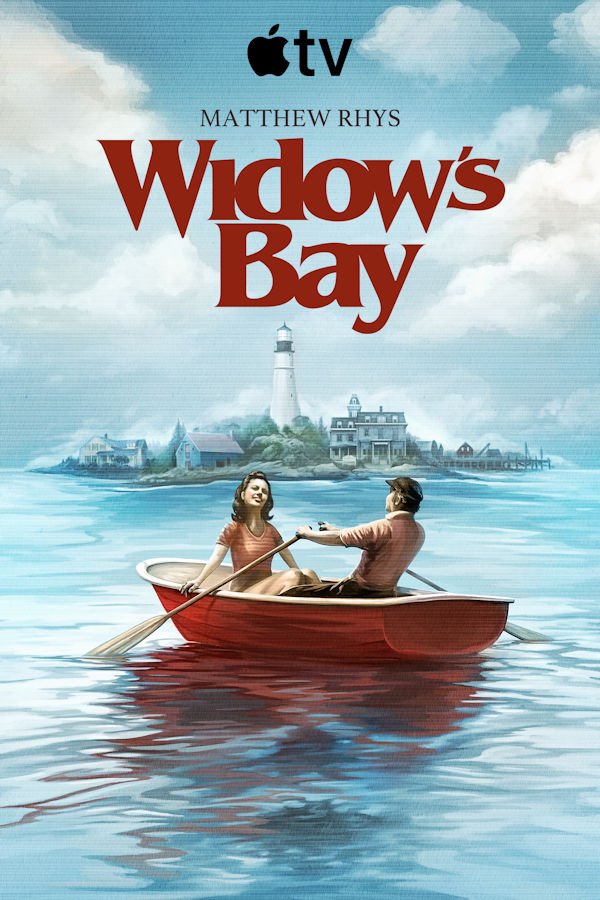
Widow’s Bay is set on a secluded, picturesque fishing island off the rugged coast of New England. The narrative centers on Mayor Tom Loftis, portrayed with a weary, grounded brilliance by Matthew Rhys (The Americans, Perry Mason). Loftis is an outsider—or, at least, an outsider by degree; while his father hailed from the island, Tom is a man of modern sensibilities and scientific skepticism.
His primary objective is to revitalize the island’s stagnant economy, a mission that puts him at direct odds with the deep-seated, often dark, superstitions of the local population. As he attempts to court outsiders—including a high-profile New York Times journalist—to bring tourism to the area, he is constantly sabotaged by the island’s history. From the macabre newspaper clippings detailing historical cannibalism hanging in the town historical society to the local legend of sea hags and restless revenants, the town is a powder keg of folklore waiting for a spark.
Chronology: The First Three Episodes
In its opening trio of episodes, Widow’s Bay adopts a structural approach reminiscent of the "monster-of-the-week" storytelling popularized by The X-Files and Buffy the Vampire Slayer. This allows creator Katie Dippold and director Hiro Murai to establish the island’s ecosystem before diving into the overarching, slow-burn mystery.
- Episode 1: Introduces the audience to Tom’s predicament. He is the reluctant audience surrogate, attempting to modernize the island while the residents—led by the perpetually intoxicated Wyck (Stephen Root) and the archly cynical gossip Rosemary (Dale Dickey)—watch his every move with a mix of pity and malice.
- Episode 2: Expands the local mythology. We see the first manifestations of the "uncanny," as strange occurrences at the local inn and oddities in the fog begin to test Tom’s resolve. The tension between the supernatural reality and Tom’s rationalist denials becomes the primary friction point of the narrative.
- Episode 3: Solidifies the supporting cast. We see more of Patricia (Kate O’Flynn), Tom’s assistant, whose trauma-informed stoicism provides the show’s sharpest comedic relief. The episode closes on a cliffhanger that suggests the "bad place" the audience suspects the island to be is far more active than anyone initially dared to believe.
Supporting Data and Character Dynamics
The success of Widow’s Bay is rooted in the caliber of its performances. Matthew Rhys’s portrayal of Tom Loftis is essential to the show’s balance. His innate comedic timing allows the audience to laugh at the absurdity of the islanders’ fears without undermining the genuine, lethal threat that those fears represent.
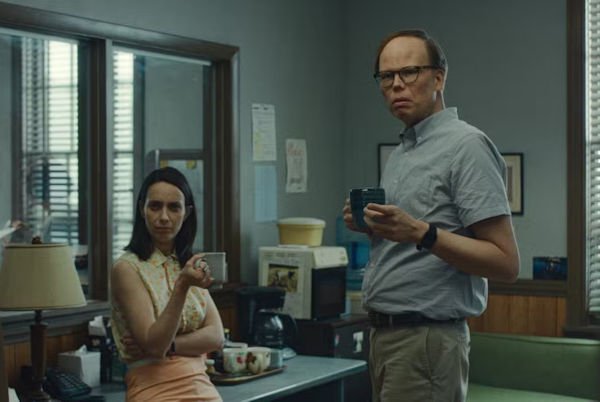
Kate O’Flynn, as Patricia, serves as the perfect foil to Rhys. Her character is haunted by a specific, past terror that the show has yet to fully reveal, yet she handles her daily administrative duties with a dry, sardonic wit that keeps the show from descending into pure nihilism.
The antagonists, played by industry stalwarts Stephen Root and Dale Dickey, are not merely villains; they are archetypes of the "Small Town Sentinel." They embody the collective memory of the island—a memory that refuses to let the past die. Whether it is Wyck’s drunken prophecies or Rosemary’s barbed commentary, these performances add a layer of "lived-in" realism that makes the supernatural elements feel all the more intrusive and frightening.
Creative Vision: The Dippold-Murai Partnership
The series is a masterclass in collaboration between creator Katie Dippold and director Hiro Murai. Dippold, whose background as a writer on Parks and Recreation is evident in the sharp, character-driven dialogue, brings a sense of warmth to the "wacky" townspeople. However, unlike a traditional sitcom, these characters are never allowed to become mere caricatures.
Hiro Murai, known for his visually stunning and emotionally heavy work on The Bear, Atlanta, and Barry, brings a cinematic weight to the island. His ability to frame a scene so that the geography of the island feels oppressive and claustrophobic is a key factor in the show’s tension. Together, they have crafted a project that feels inherently "real." When the audience sees a chained-up church bell ringing on its own or a chair positioned toward a locked basement door, they are not just looking at props; they are looking at evidence of a world that operates on rules the characters have yet to fully comprehend.
Implications: A Shift in Genre Television
The release of Widow’s Bay signals a potential shift in the "horror-comedy" landscape. For too long, the subgenre has relied on either parody or gratuitous jump scares. Widow’s Bay aims for something more sophisticated: the blending of mundane, realistic drama with cosmic, folk-horror elements.
- The "Lived-In" Setting: By making the island feel like a place you could visit—complete with a specific, salty smell and a local bar serving cheap lager—the horror becomes more intimate. We care about the town’s economy because we are invested in the people who live there.
- Dramatic Irony as a Tool: The audience knows this is a "bad place." The showrunners understand that we know this. By playing into our expectations while simultaneously surprising us with the execution, they maintain a level of engagement that is rare in ten-episode runs.
- The Ten-Episode Arc: While many modern streaming series suffer from "bloated middle" syndrome, the ten-episode commitment for Widow’s Bay suggests a focused, tight narrative. There is no room for filler; every scene, from a fishing trip with the doomed Shep Clark to a heated town council meeting, is designed to advance either the character development or the mounting threat.
Conclusion: Setting Sail for the Bay
Widow’s Bay is a triumphant addition to the Apple TV+ library. It occupies a unique space, catering to those who hold a deep appreciation for the works of Stephen King, the uncanny atmosphere of Picket Fences, and the biting, genre-blending brilliance of The Cabin in the Woods.
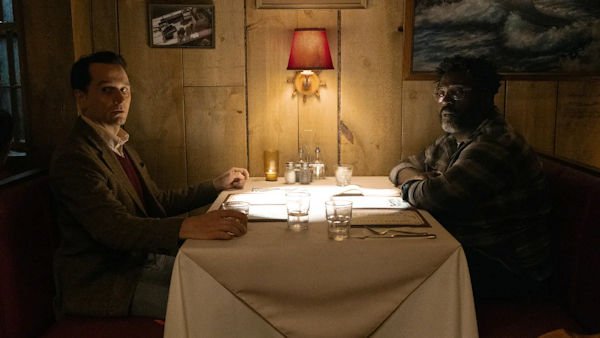
As the series continues, the primary question remains: will Mayor Tom Loftis succumb to the island’s madness, or will he survive long enough to expose the truth? For the viewers, the answer is secondary to the experience of the journey. The fog is rolling in, the sea hags are stirring, and the ferry is—perhaps—running on time. If you have a penchant for the eerie and a stomach for the macabre, Widow’s Bay is the destination you have been waiting for.
With seven episodes remaining in the inaugural season, the stage is set for a climax that promises to be as haunting as the island itself. Whether you are a fan of high-concept horror or simply a viewer looking for a well-acted, expertly written drama, Widow’s Bay is the standout series of the year. Do not wait for the tides to turn—dive into the mystery now.


 Neng Nana
 Layla Zulfa