Pevita Pearce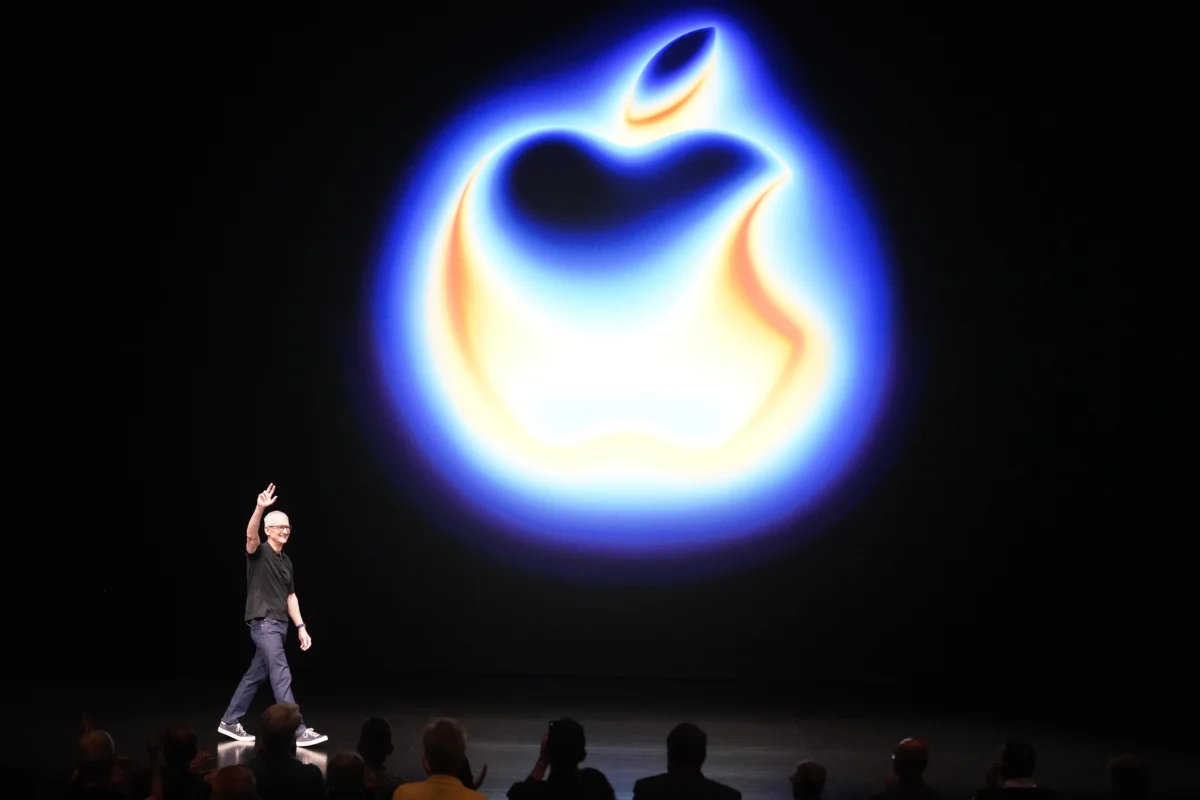
The global technology landscape is currently grappling with a phenomenon industry analysts have dubbed "RAMageddon"—a massive, systemic supply crunch driven by the insatiable appetite of Artificial Intelligence. As the hardware requirements for Large Language Models (LLMs) and on-device machine learning grow, the cost of the essential components that power our digital lives—specifically DRAM and NAND storage chips—has reached a breaking point.
For Apple, the world’s most valuable technology company, the ripple effects of this shortage are no longer a distant threat but an immediate operational crisis. Outgoing CEO Tim Cook has signaled that the era of absorbing these ballooning costs is coming to an end, warning consumers that price increases for the next generation of iPhones, iPads, and Macs are not just likely, but "unavoidable."
The Anatomy of the Crisis: Why Memory Costs are Skyrocketing
At the heart of the crisis is a fundamental supply-demand mismatch. AI training and inference require massive amounts of high-speed memory. While tech giants like NVIDIA and cloud providers are buying up advanced HBM (High Bandwidth Memory) at record prices, the consumer-grade DRAM and NAND markets are also feeling the heat.
Apple, which prides itself on supply chain mastery, has historically navigated component shortages through long-term contracts and immense purchasing power. However, industry reports indicate that the cost of these memory components has quadrupled since last year. What was once a manageable line item in a Bill of Materials (BOM) has transformed into a major financial liability.
Cook’s characterization of the current situation as "unsustainable" highlights a shift in corporate philosophy. For years, Apple has managed to maintain its premium margins while keeping retail prices relatively stable. The current volatility, however, is testing the limits of that strategy, forcing the company to weigh the risks of shrinking profit margins against the potential consumer backlash of a price hike.
A Chronology of the "RAMageddon" Warning
The alarm bells surrounding the hardware shortage have been ringing for months, marking a steady escalation in tone from Apple’s executive suite.
- April 2026: Following a quarter of record-breaking sales, Tim Cook first publicly acknowledged the strain on the supply chain. During the earnings call, he noted that while performance was strong, the surging costs of memory and storage were creating a "looming" challenge for future business results.
- April 2026 (Concurrent): Incoming CEO John Ternus echoed these sentiments, identifying the quadrupled memory costs as one of the most pressing hurdles for his transition into the top leadership role.
- June 2026: Following a $250 million settlement to resolve a class-action lawsuit regarding failed AI feature delivery, Apple used its Worldwide Developers Conference (WWDC) to re-assert its commitment to on-device intelligence.
- Late June 2026: In a candid interview with The Wall Street Journal, Tim Cook officially confirmed that the company could no longer absorb the cost spikes, setting the stage for imminent price adjustments across the product lineup.
Supporting Data: The Cost of Innovation
To understand the gravity of the situation, one must look at the math behind the manufacturing. Research firm TechInsights recently provided a grim projection regarding the upcoming iPhone 17 Pro.
According to their analysis, to maintain the historical profit margins that Wall Street expects from Apple, the company would need to pass on a cost increase of approximately $270 per unit to the consumer. With the iPhone 17 Pro currently starting at $1,099, a price hike of that magnitude would push the base model well into the $1,300–$1,400 range, potentially alienating a significant portion of the core consumer base.
This isn’t just about the iPhone. Apple’s ecosystem is deeply reliant on high-density storage and memory, from the Apple Watch and iPad to the premium Apple Vision Pro. If the cost of NAND and DRAM remains at these elevated levels, the entire hardware catalog faces upward price pressure.
Official Responses and Strategic Shifts
Apple’s leadership has been notably measured in their public statements, avoiding the naming of specific products or specific dates for price increases. However, the intent is clear. By framing the price hikes as "unavoidable," Apple is attempting to manage investor expectations while preparing the market for a potential "sticker shock" this autumn.
The company is currently under intense pressure to deliver on its AI promises. After a tumultuous period characterized by lawsuits and missed delivery dates regarding the integration of advanced AI features into iOS, the company is in a "must-win" phase. The paradox, however, is that as Apple adds more on-device AI features to satisfy users, those very features require more RAM and more storage, effectively driving up the cost of the hardware even further.
The Implications: What This Means for Consumers
The immediate concern for the average consumer is the September launch cycle. Typically, September is when Apple unveils its next-generation iPhone. Experts from the Financial Times and other industry analysts suggest that this event is the most logical time for Apple to bake in the increased costs.
1. The Death of the "Entry-Level" Price Point
If Apple chooses to maintain its current price tiers, they may be forced to reduce base storage configurations or offer less RAM in lower-end models, which would be a significant regression for a company that markets itself on performance and longevity. Alternatively, they may simply raise the base prices across the board, effectively ending the era of the $799 entry-level "Pro" experience.
2. The AI Premium
We are entering an era where the "AI tax" becomes a reality. As manufacturers pack more neural engines and memory-hungry AI models into devices, the baseline cost of production is fundamentally shifting. Consumers may soon find that owning a device capable of running the latest local AI models requires a significantly higher financial investment than it did only two years ago.
3. Supply Chain Volatility
The "RAMageddon" crisis underscores the fragility of global supply chains. When a single component—be it a memory chip or a specialized sensor—sees a 400% price surge, the downstream effects are immediate. Apple’s struggle is a microcosm of a larger industry-wide issue. If the company with the most leverage in the global supply chain cannot insulate itself from these costs, smaller manufacturers will likely face even more severe consequences.
Conclusion: The New Normal
As Tim Cook prepares to transition out of his role as CEO, the challenge of navigating the hardware-AI nexus will be a defining issue for his successor, John Ternus. The "RAMageddon" crisis is more than just a temporary market fluctuation; it is a signal that the cost of silicon and the requirements of modern AI are on a collision course.
For the consumer, the takeaway is clear: the period of predictable or decreasing hardware prices is likely coming to a close. As we head into the second half of 2026, potential buyers should brace for a more expensive upgrade cycle. While Apple continues to innovate, the "AI-powered" future will carry a heavier price tag—a cost directly tied to the silicon that powers the intelligence we have come to expect in our pockets.
Whether this leads to a dip in sales or if the brand loyalty of the Apple ecosystem proves resilient enough to withstand a $200–$300 price jump remains to be seen. One thing is certain: the era of "cheap" high-performance computing is currently in the rearview mirror.


 Rifan Muazin
 Azzam Bilal Chamdy