Asep Darmawan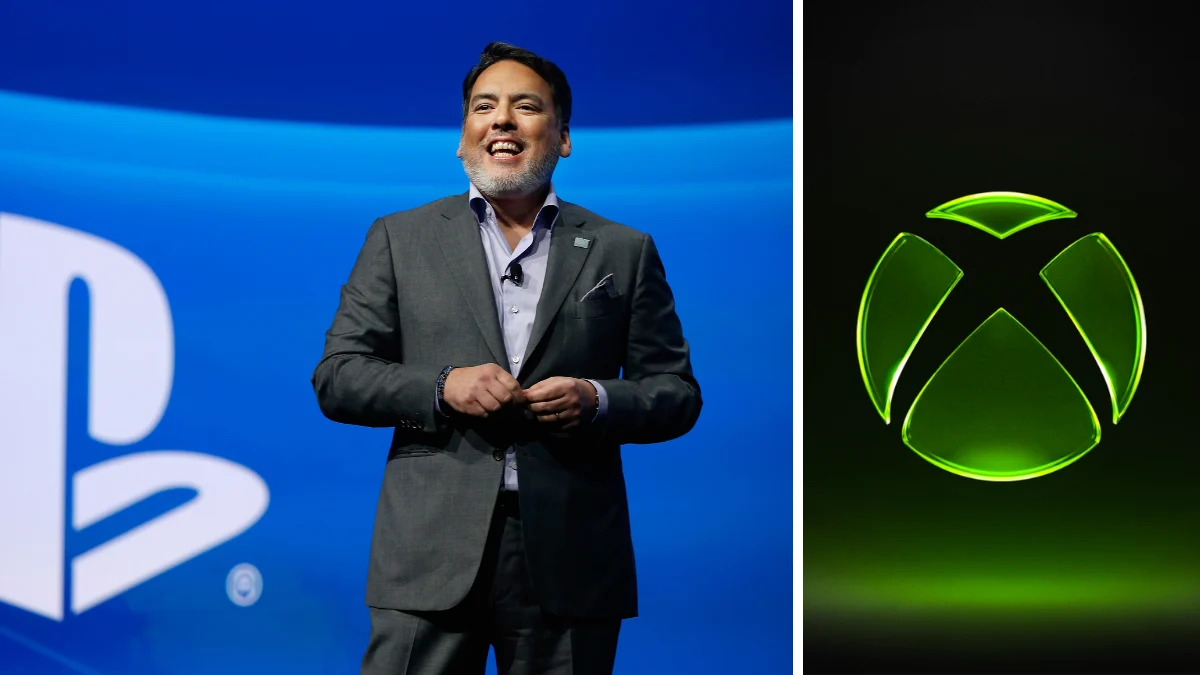
In the modern gaming landscape, few entities command as much raw power and financial potential as Microsoft’s gaming division, Xbox. Yet, despite a market valuation exceeding $2 trillion and the ownership of legendary intellectual properties—ranging from the ubiquitous Minecraft to the annual juggernaut Call of Duty—the company currently finds itself in the throes of a profound existential crisis. With reports of potential studio closures, a hardware market dampened by rising costs, and a pivot toward AI-integrated strategies that seem at odds with traditional console gaming, Xbox is struggling to justify its path forward.
The State of Play: A Troubled Trajectory
The current climate at Microsoft is one of palpable uncertainty. While the corporation boasts an enviable portfolio of studios, including heavy hitters like Double Fine and Ninja Theory, rumors of staff reductions and studio shuttering have cast a long shadow over the "Big Green" brand.
Microsoft CEO Satya Nadella has publicly expressed dissatisfaction with the profitability of the company’s first-party gaming output. This sentiment, coming from a leader who has pivoted Microsoft aggressively toward the AI sector, suggests a fundamental misalignment between the creative, high-risk nature of game development and the data-driven, efficiency-focused mandate of modern Microsoft. As the tech industry faces rising hardware component costs, the console market is cooling, leaving Microsoft in a precarious position: possessing the world’s largest gaming catalog but seemingly unable to turn that advantage into the sustainable, high-margin growth expected by shareholders.
A History of Strategic Mismatch: A Chronology
The roots of the current malaise are not found in a single event, but rather in a series of conflicting tactical pivots.
- The Acquisition Spree: Microsoft spent years building an insurmountable wall of IP, culminating in the historic $68.7 billion acquisition of Activision Blizzard. The goal was clearly to dominate the subscription market through Game Pass.
- The Pivot to Multiplatform: As console growth plateaued, Microsoft began porting its flagship titles to PlayStation and Nintendo, effectively eroding the unique value proposition of the Xbox hardware ecosystem.
- The Leadership Transition: In February 2024, Asha Sharma stepped into a key role overseeing the division. Since then, observers have noted a lack of consistent messaging, with the company oscillating between hardware manufacturer, software publisher, and cloud-gaming service provider.
- The AI Mandate: Simultaneously, the corporate parent has shifted its resources toward AI infrastructure, leaving the gaming division to fight for both budget and executive attention.
Expert Analysis: Is Microsoft Misreading the Room?
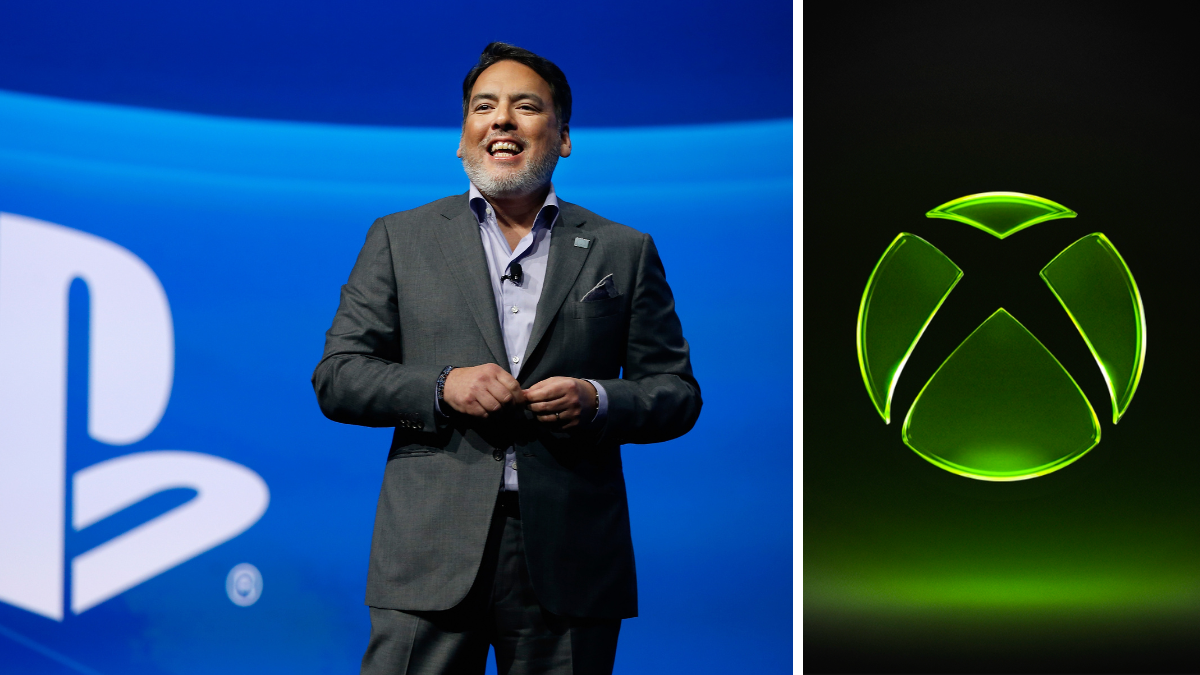
The industry’s most seasoned veterans have begun to speak out, and their assessment of Xbox is scathing. Among them is Shawn Layden, the former Sony Interactive Entertainment executive who spent 32 years with PlayStation, helping oversee the launch of the PlayStation 5.
Layden, a critic of the industry’s recent obsession with "live service" models and massive console consolidation, argues that Microsoft’s current maneuvers suggest a failure to understand the core tenets of interactive entertainment. "The moves evince a basic misunderstanding of how the interactive entertainment world moves," Layden stated in a recent discussion on LinkedIn. His critique carries weight; as a man who helped define the modern console era, Layden views industry consolidation as the "enemy of diversity" and believes that heavy reliance on subscription models often stifles the very creativity that drives the industry.
This sentiment was mirrored by game design consultant Tadhg Kelly, who recently remarked that the "Xbox identity crisis will continue until morale improves." Kelly noted that Microsoft’s strategy has devolved into a series of disconnected, reactionary tactics—a "bob and weave" approach that fails to present a coherent vision to the consumer or the developer.
The "Creative DNA" Question
The disconnect between Microsoft’s corporate culture and the gaming industry was perhaps most memorably articulated by former Activision Blizzard CEO Bobby Kotick. In a candid interview last year, Kotick recalled a conversation with Satya Nadella regarding the gaming business.
"I was like, dude, you shouldn’t be in gaming," Kotick recounted. "You’re not a creative company. You should buy Workday or something, SAP. This is not a creative DNA company."
Kotick’s assertion—that Microsoft is fundamentally a utility and cloud-service provider masquerading as a creative studio—strikes at the heart of the current conflict. If the parent company prioritizes the bottom-line metrics typical of an enterprise software firm, it will inevitably clash with the unpredictable, high-effort, and long-term investment cycles required to create "Game of the Year" caliber software. When the priority shifts from "making great games" to "monetizing the ecosystem," the soul of the product often suffers.
Implications for the Future of Xbox
The implications of this misalignment are severe. If Microsoft cannot reconcile its corporate identity with the demands of the gaming industry, the company faces several critical risks:
- Talent Attrition: Top-tier developers are attracted to studios with clear creative visions. If Microsoft continues to treat its studios as interchangeable cogs in a cloud-service machine, it will struggle to retain the industry’s best creative minds.
- Brand Erosion: The Xbox brand, once defined by the "Play Anywhere" philosophy and a strong hardware identity, is becoming increasingly nebulous. Consumers are left wondering what it means to be an "Xbox gamer" in a world where Xbox games are played on rival consoles and the hardware itself seems secondary.
- Monetization Failures: Nadella’s claim that Microsoft is not monetizing its entertainment enough suggests a push for more aggressive microtransactions, subscription price hikes, or data-harvesting tactics—all of which risk alienating a loyal fan base that is already wary of the company’s direction.
Conclusion: A Pivot Point
Microsoft stands at a crossroads. It has the capital, the IP, and the technical infrastructure to dominate the future of gaming. However, as the industry veterans have noted, it lacks the institutional patience and the cultural alignment required to nurture that dominance.
If Xbox continues to chase short-term tactical wins—porting games here, closing a studio there, and shifting focus to the next buzzworthy trend—it risks becoming a company that owns everything but understands nothing. The challenge for the leadership team is not to "fix" gaming with AI or spreadsheet-driven efficiency, but to rediscover the creative DNA that made the industry a multi-billion dollar juggernaut in the first place. Without a cohesive vision that places the player and the developer above the quarterly earnings call, the "Big Green" giant may find itself losing the very thing it spent billions to acquire: the loyalty of the gaming world.


 Asro
Asro
 Muslim