Lina Hope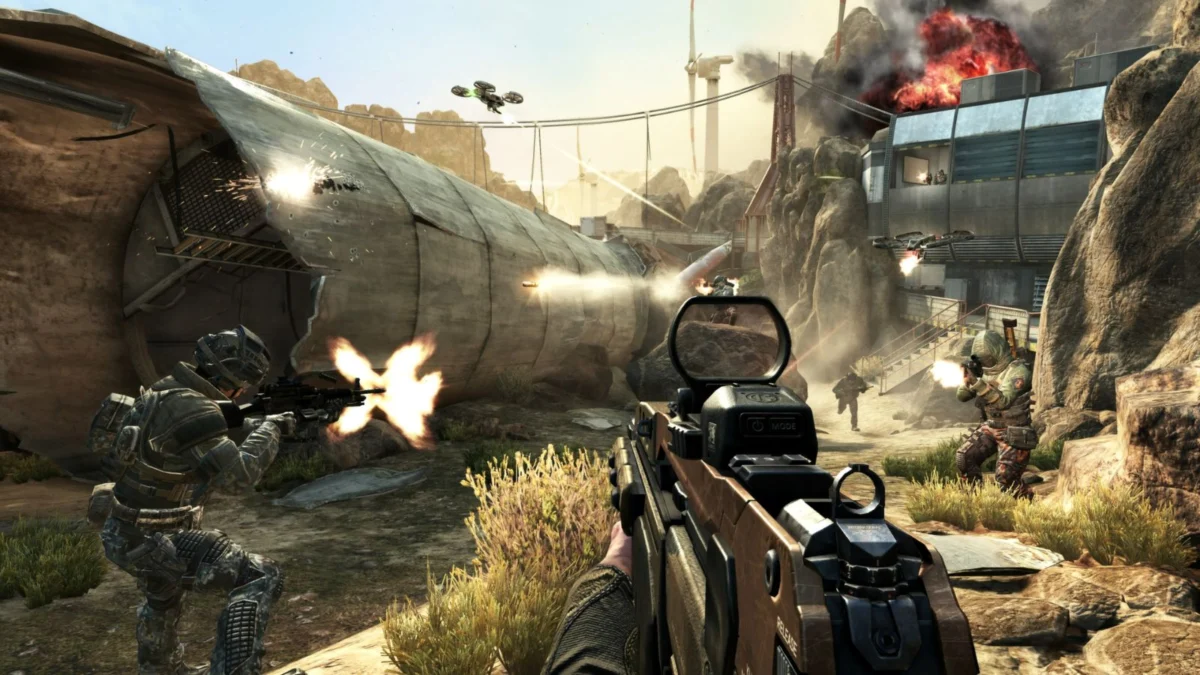
After more than a decade of exclusivity and technological stagnation, two of the most iconic titles in the first-person shooter genre are finally making their way to modern PlayStation hardware. Treyarch, the powerhouse studio behind the Black Ops franchise, officially announced on June 17, 2026, that both the original Call of Duty: Black Ops (2010) and Call of Duty: Black Ops 2 (2012) will be released on PlayStation consoles this July.
The announcement, which sent shockwaves through the gaming community, confirms a long-rumored development project handled by Iron Galaxy, a studio renowned for its technical expertise in porting and optimizing legacy titles for modern platforms. While the news is cause for celebration for millions of PlayStation users who missed out on these classics, the lack of granular detail regarding server stability, cross-platform functionality, and pricing has left the community with lingering questions.
The Long Road to PlayStation: A Chronological Retrospective
The absence of Black Ops and Black Ops 2 from the PlayStation ecosystem has been a point of contention for years. To understand the significance of this release, one must look at the diverging paths taken by the two primary console manufacturers during the previous decade.
The PS3 Legacy and the Compatibility Gap
When the PlayStation 4 launched in 2013, it abandoned the complex architecture of the PlayStation 3’s "Cell" processor. Unlike Microsoft, which invested heavily in software-based emulation to bring Xbox 360 titles to the Xbox One and Xbox Series X|S, Sony opted for a different approach. Consequently, PlayStation owners were left with no native way to play their digital or physical PS3-era Call of Duty titles on newer consoles.
For Xbox players, the transition was seamless. Through Microsoft’s robust Backwards Compatibility program, Black Ops and Black Ops 2 became playable on Xbox One as early as 2016 and 2017, respectively. For years, PlayStation users watched from the sidelines, often relegated to playing inferior versions or relying on cloud-based solutions that lacked the fidelity of local hardware.
The Rise of the Leaks
In the months leading up to the June 2026 announcement, speculation reached a fever pitch. Early backend database listings for the PlayStation Store began to circulate in gaming forums, suggesting that Activision was preparing to bridge the gap. Dexerto’s reporting on these listings provided the first tangible evidence that these ports were more than just fan-fueled rumors. These findings suggested that the titles were being developed as PS4 builds, which would utilize the PS5’s native backwards compatibility capabilities rather than receiving "native" PS5 upgrades.
Supporting Data and Technical Context
While Treyarch’s confirmation is the headline, the technical implications of this porting project are substantial. By partnering with Iron Galaxy, Activision is signaling that this is a project intended to preserve the integrity of the original experiences rather than a full-scale "remake" or "remaster."
The Iron Galaxy Factor
Iron Galaxy has a storied history of bringing complex games to hardware that was never originally intended to run them. Their involvement suggests that these ports will likely focus on:
- Resolution Scaling: Ensuring the games run at a stable 1080p or 4K resolution on PS4 and PS5, respectively.
- Frame Rate Stability: Targeting a consistent 60 FPS, which is critical for the "snappy" feel that defined the Black Ops series.
- Input Latency: Optimizing the legacy code to respond effectively to modern DualShock 4 and DualSense controllers.
The "PS4 Build" Reality
Data suggests these titles are being treated as legacy imports. This means that PS5 owners will likely experience the games through the console’s existing emulation layer for PS4 titles. While this is an efficient way to release the games, it leaves open questions regarding potential graphical enhancements, such as texture filtering or anti-aliasing, which were common in previous "remastered" iterations of legacy games.
Official Responses and the "Silent" Details
The official announcement from Treyarch on X (formerly Twitter) was concise: "It’s official: the original Black Ops and Black Ops 2 are being ported to PlayStation in July, courtesy of our partners at Iron Galaxy."
However, the brevity of the announcement has led to significant speculation regarding the "missing" features of the launch:
- Pricing Models: Will these be sold as a bundle, or as individual digital downloads? Will there be a discount for players who already own the digital licenses from the PS3 era?
- Server Infrastructure: This is perhaps the most pressing concern. Both Black Ops and Black Ops 2 were notorious for hacker infestations and lobby instability on legacy hardware. Players are demanding to know if these ports will feature updated matchmaking and anti-cheat measures.
- Cross-Platform Play: In the modern era of Call of Duty, cross-platform play is the gold standard. However, the announcement was silent on whether PlayStation players will be able to play against their friends on Xbox or PC.
- Content Parity: Will the ports include all original map packs, or will they be limited to the base game?
Broader Implications for the Industry
The decision to bring these titles to modern PlayStation hardware carries implications that extend far beyond a single release.
The Preservation of Gaming History
The industry has long struggled with the "digital dark age," where games become unplayable as hardware cycles move forward. By finally porting these titles, Activision is acknowledging that their back catalog has immense, enduring value. If these releases are successful, it could pave the way for other legacy titles—such as the Modern Warfare trilogy or the original World at War—to receive similar treatment on current-gen consoles.
Competitive Integrity
For the competitive Call of Duty community, the return of Black Ops 2 is monumental. Black Ops 2 is widely considered the "Golden Age" of competitive Call of Duty, featuring the most balanced map design and weapon meta in the series’ history. The arrival of these games on PlayStation could lead to a resurgence in community-run tournaments and a new generation of players experiencing the game that defined competitive eSports for years.
The Xbox vs. PlayStation Dynamic
The fact that Xbox has held a decade-long advantage in playing these titles has been a constant point of debate in the "console wars." With this release, the gap is finally closing. However, it also raises questions about why it took so long. Is this a strategic move by Activision following their acquisition by Microsoft, or is it simply a response to overwhelming market demand?
Looking Ahead to July
As July 2026 approaches, the gaming world waits for the next drop of information. The nostalgia factor is undeniable; Black Ops 2 reached a major milestone last year, and the community is eager to revisit the maps of Nuketown, Firing Range, and Raid.
The success of these ports will ultimately be determined by the quality of the experience. If the games launch with robust servers and a clean, high-definition presentation, they will likely dominate the digital sales charts for months. If, however, they suffer from the same technical issues that plagued the original versions—namely, the prevalence of cheaters and unstable servers—the release may be met with criticism rather than nostalgia.
For now, the return of these titles serves as a bridge between the past and the future of the Call of Duty franchise. Whether you are a veteran player looking to relive the glory days or a new fan curious about the history of the series, July 2026 is shaping up to be a defining month for fans of the Black Ops legacy.
Final Thoughts
As we await further confirmation, one thing remains clear: the Black Ops series remains one of the most beloved pillars of the Call of Duty brand. By listening to the feedback of the player base and utilizing the expertise of studios like Iron Galaxy, Activision has the opportunity to turn a decade-long frustration into a massive celebration of gaming history. The countdown to July has officially begun.

 Lina Irawan
 Layla Zulfa