Nana
Nana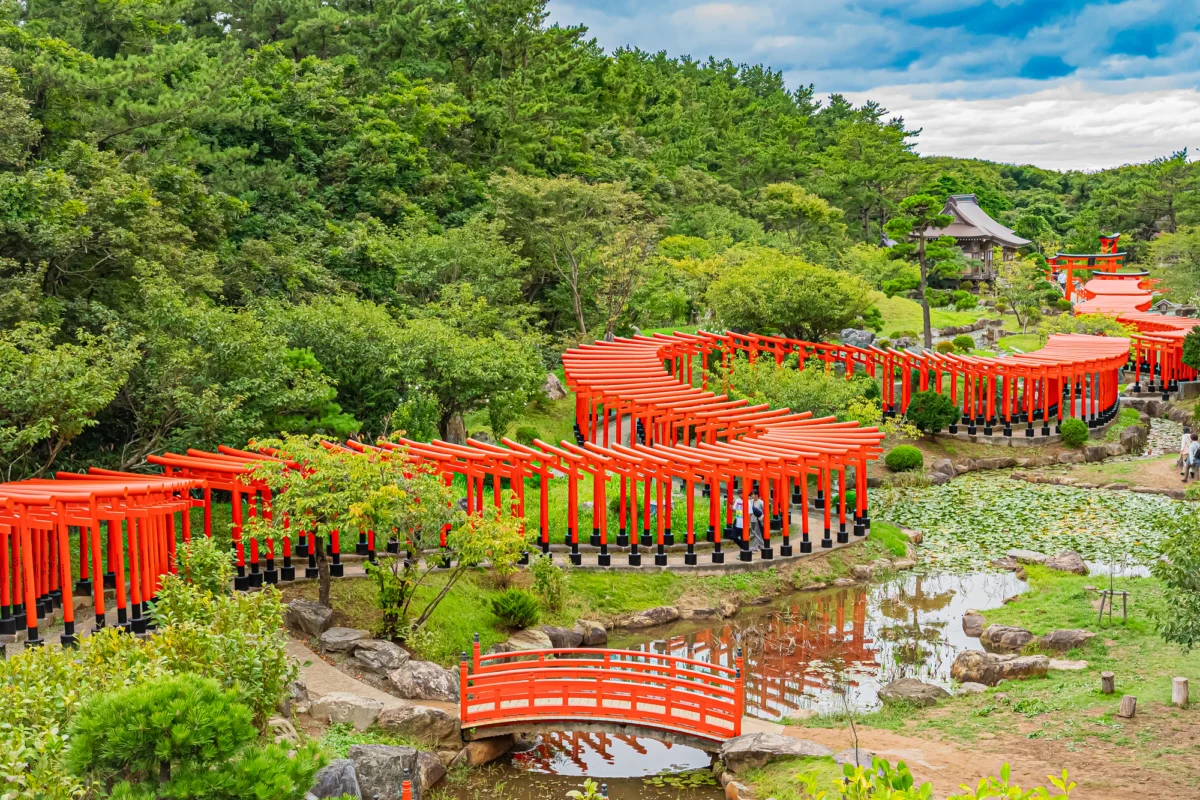
For decades, the rhythmic click-clack of sleeper trains fading into the Japanese night seemed destined to become a relic of history. As the high-speed Shinkansen network expanded and domestic air travel became increasingly accessible, the iconic "Blue Trains"—once the backbone of long-distance travel in Japan—gradually vanished from the tracks. For many rail enthusiasts, the era of overnight rail travel appeared to be effectively over.
However, in a surprising pivot toward nostalgia and premium experience, JR East has announced the development of a brand-new overnight limited express train: the Luna Azul. By blending the romantic legacy of classic rail travel with contemporary luxury and modular design, JR East is betting that the modern traveler is ready to slow down and rediscover the journey as much as the destination.
The Main Facts: A New Chapter for Overnight Rail
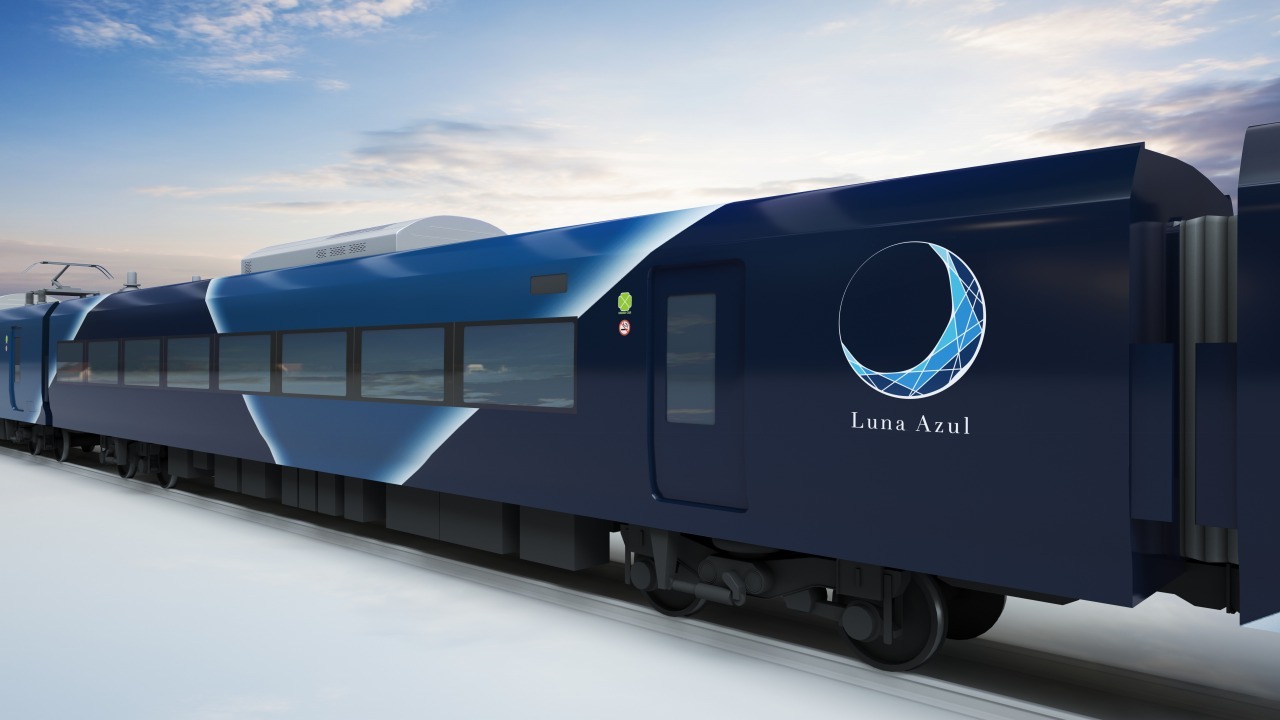
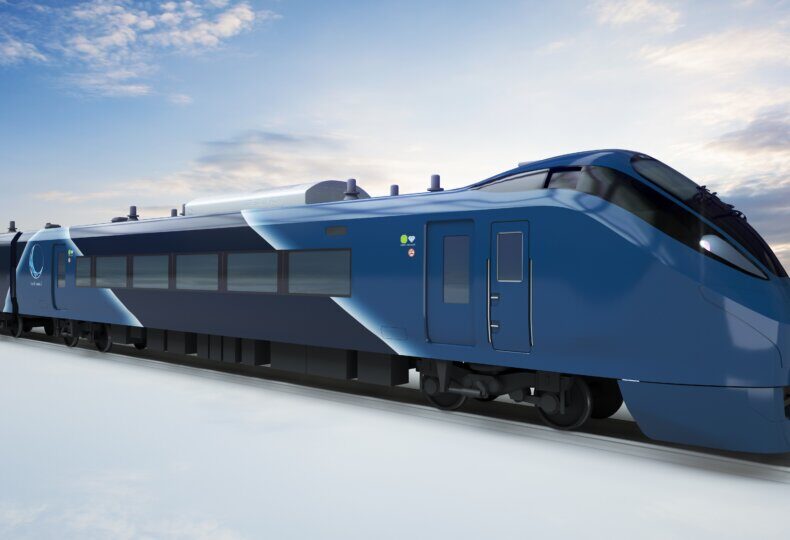
Scheduled for launch in early fiscal 2027, the Luna Azul—Spanish for "Blue Moon"—is designed to evoke a sense of mystery, relaxation, and a departure from the frantic pace of modern life. The choice of name and the striking two-tone blue exterior are deliberate tributes to the legendary sleeper trains that crisscrossed Japan from the 1950s through the late 1970s.
The service is not merely a nostalgia project; it is a strategic expansion of JR East’s current offerings. While the Sunrise Izumo and Sunrise Seto have served as the last remaining bastions of daily overnight rail, they are increasingly strained by high demand. The Luna Azul is designed to fill this void, providing a high-capacity, high-comfort alternative that connects the Tokyo metropolitan area with the rugged, culturally rich landscapes of the Tohoku region.
The route will encompass major hubs including Ueno, Tokyo, Omiya, Takasaki, Akita, Hirosaki, Shin-Aomori, and Aomori. By carving this path through the heart of Tohoku, JR East aims to provide a unique transit experience that turns a standard commute into a scenic, multi-day retreat.
Chronology and Evolution: From the Golden Age to the Modern Renaissance
The Golden Age (1950s–1970s)
During the mid-20th century, Japan’s rail network was defined by its "Blue Trains." These dark blue sleepers were essential for business and leisure travel, connecting distant provinces to the capital. They were symbols of national progress and industrial pride.
The Decline (1980s–2010s)
The rise of the bullet train (Shinkansen) fundamentally altered the geography of Japan. As travel times between major cities plummeted, the overnight sleeper became perceived as inefficient. Coupled with the democratization of affordable air travel, the sleeper train industry saw a steady decline, with most classic lines retired by the early 2010s.
The Pivot (2027 and Beyond)
The announcement of the Luna Azul marks a realization by rail operators that efficiency is no longer the only metric for success. In an age of digital burnout, the "slow travel" movement is gaining traction. By integrating modern, flexible seating and private, high-end accommodations, JR East is positioning the Luna Azul as a direct competitor to both long-distance driving and short-haul flights.
Technical Specifications and Passenger Experience
The Luna Azul distinguishes itself through its versatility, operating in two distinct configurations depending on the season and route demands.
Capacity and Configuration
- Daytime Service: The train will consist of seven cars with a capacity of up to 150 passengers. This configuration is optimized for tourists navigating the scenic routes of Northern Japan during daylight hours.
- Overnight Service: For nocturnal operations, the train expands to 10 cars with a capacity of approximately 125 passengers. This shift in density allows for the installation of more robust private sleeping quarters.
A standout feature is the seating technology: the seats are engineered to transition from ergonomic chairs to full-flat beds in seconds, ensuring that the transition from a daytime view to an overnight rest is seamless.
Premium Accommodations
JR East is moving away from the traditional, cramped bunk-bed style of the past. The Luna Azul will feature:
- Premium Cabins: Designed for one to two passengers, these offer maximum square footage and personalized amenities, catering to the luxury travel market.
- Luna Comfort Rooms: A mid-tier option that remains high-quality, these cabins are flexible in size and can accommodate groups ranging from one to four people, making the train accessible to solo travelers, couples, and families.
The Social Hub: Car Number Five
Recognizing that travel can be isolating, JR East has dedicated the fifth car as a shared lounge. This space acts as the heart of the train, where passengers can socialize, watch the landscape, or purchase curated snacks and beverages. This "third space" design is a response to the growing desire for community-oriented travel experiences.
Strategic Implications: Overtourism and Economic Shifts
The launch of Luna Azul is arriving at a critical juncture for Japan’s tourism industry. With popular cities like Kyoto and Tokyo struggling under the weight of overtourism, the Japanese government and regional rail operators are keen to divert traffic to the country’s more rural, less-explored regions.
Addressing the Tohoku Gateway
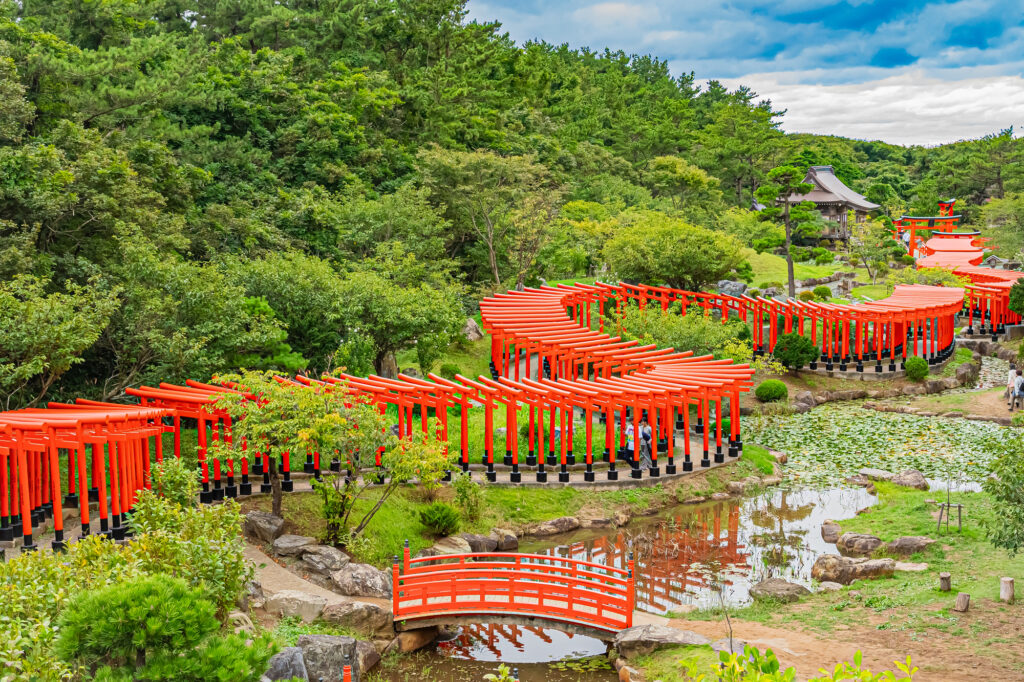
By directing the Luna Azul toward Aomori and the Tohoku region, JR East is effectively using the train as a tool for regional revitalization. Tohoku is rich in tradition, folklore, and natural beauty—including the stunning scenery around Takayama Inari Shrine—yet it has historically been overlooked by the typical "Golden Route" tourist.
The Rise of Oshikatsu
A fascinating demographic driver for this project is oshikatsu (fan culture). Fans of idols, bands, and characters often travel massive distances for live events. These fans, who are often budget-conscious but loyal, frequently face the "last train" dilemma—if a concert ends late, they are stranded. The Luna Azul provides a solution: an overnight transport option that acts as both a hotel and a transit method, potentially saving fans the cost of a hotel room while providing a more comfortable, social experience than a standard late-night bus.
Supporting Data and Financial Outlook
While final pricing has not been set, JR East has provided a preliminary framework. The company has suggested that fares will be competitive with the Green Car (first class) rates on the Tohoku Shinkansen, which currently sits at approximately ¥24,180 (roughly $150 USD).
However, it is unlikely that these will be sold as simple "point-to-point" tickets. Instead, JR East is expected to market the Luna Azul as part of comprehensive, packaged tour products. This allows the company to bundle the rail fare with local experiences, dining, and hotel stays in Aomori, creating a higher value-add for the consumer and a more stable revenue stream for the company.
Official Responses and Industry Outlook
The industry reaction to the Luna Azul has been one of cautious optimism. Railway analysts point out that while the costs of maintaining and operating a luxury overnight train are significantly higher than a standard commuter train, the potential for brand differentiation is immense.
In official press releases, JR East representatives have emphasized that the Luna Azul is an experiment in "experience-based value." The company is moving away from the paradigm of simply moving people from Point A to Point B, and toward creating an environment where the transit itself is the highlight of the vacation.
Whether the Luna Azul triggers a wider revival of the sleeper train remains to be seen. However, if the service proves successful, it could signal a long-term shift in Japanese transport policy. In a nation where efficiency has been the god of engineering for forty years, the willingness to embrace the slow, the comfortable, and the nostalgic represents a profound maturation of Japan’s rail industry.
As Japan looks toward 2027, the Luna Azul stands as a blue beacon of innovation—a reminder that in the world of high-speed travel, there is still, and perhaps always will be, a place for the romance of the rails. For those looking to experience Japan beyond the neon glow of its major metropolises, the journey to the north is about to become a whole lot more inviting.


 Neng Nana
 Asro
Asro