Layla Zulfa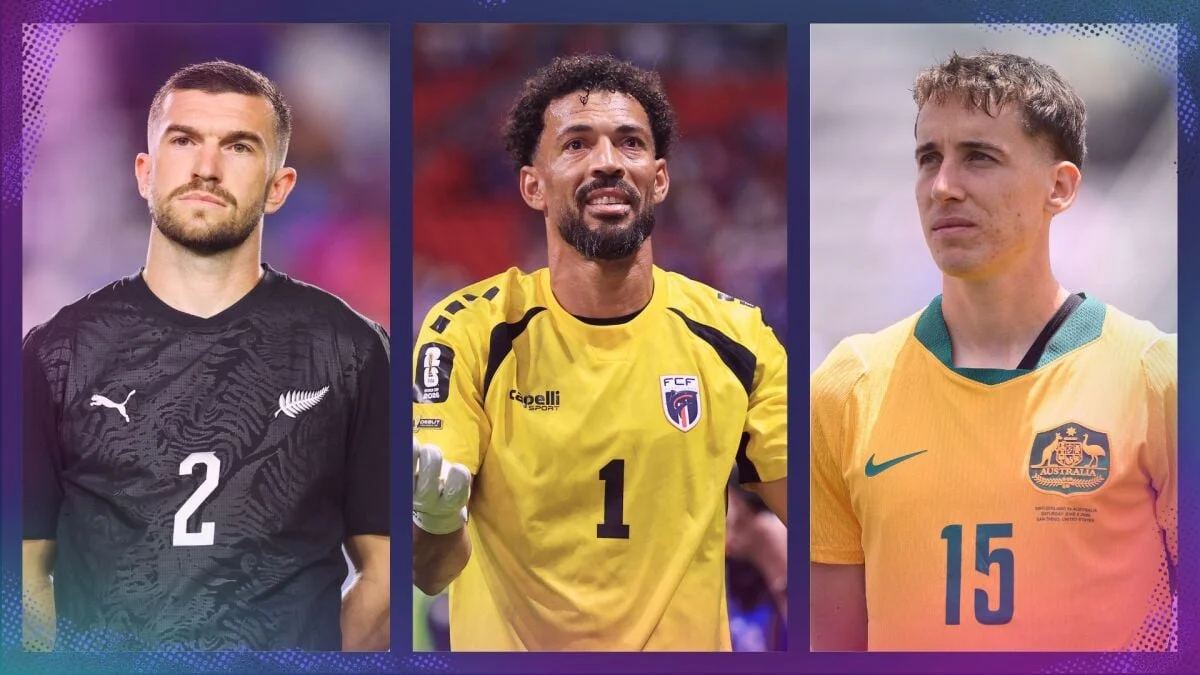
The FIFA World Cup has historically functioned as the ultimate stage for the “unlikely hero”—a platform where players from smaller nations emerge from the periphery to capture the global imagination. However, in 2026, the mechanics of this phenomenon have undergone a seismic shift. No longer are heroes merely forged through 90 minutes of grit on the pitch; they are being synthesized in real-time through the hyper-connected, volatile, and highly participatory ecosystem of social media.
The current poster child for this digital metamorphosis is Josimar José Évora Dias, the 40-year-old Cape Verdean goalkeeper known globally as "Vozinha." Before Monday’s clash against tournament favorites Spain, Vozinha was a veteran of 19 years, a respected professional whose career had largely unfolded outside the view of the Western soccer intelligentsia. He entered the match with a modest 50,000 Instagram followers. By the time the final whistle blew on a historic 0-0 draw, he had become a global icon, boasting over 12 million followers—a figure that now dwarfs some of the most recognizable names in professional sports, including NBA sensation Victor Wembanyama and NFL titan Patrick Mahomes.
The Catalyst: A New Guard of Sports Broadcasting
Vozinha’s rapid ascent was not organic in the traditional sense; it was engineered by the new gatekeepers of sports media. The primary architect of this digital explosion was Casimiro "Cazé" Miguel, a Brazilian streamer whose platform, CazéTV, has fundamentally disrupted how the World Cup is consumed in South America.
CazéTV, which holds the rights to all 104 matches of the 2026 tournament, represents a departure from the polished, distant commentary of traditional networks. With over 31 million YouTube subscribers, the channel thrives on a "watch-along" culture that prizes fan participation and raw, unfiltered reaction. During the Cape Verde-Spain match, Cazé noticed the discrepancy between Vozinha’s heroic performance—marked by seven spectacular saves against a relentless Spanish offensive—and his relatively low social media footprint.
In a moment of spontaneous community engagement, Cazé urged his millions of viewers to "follow the man of the match." The response was instantaneous and overwhelming. Vozinha’s follower count surged to one million before the broadcast concluded. Within 24 hours, that number had scaled to nearly 10 million. This demonstrates a profound shift: the power to confer "stardom" has shifted from legacy media gatekeepers to individual digital creators who view their audience not as passive observers, but as active participants in a social experiment.
Chronology of an Online Uprising
The trajectory of Vozinha’s fame provides a blueprint for the modern viral athlete.
- Pre-Match: Vozinha is a quiet veteran with a professional, yet localized, following of approximately 50,000.
- The Match (Minute 1 to 90): As Spain unleashed 27 shots, Vozinha’s repeated saves transformed him from an underdog into a spectacle. CazéTV commentators began highlighting his journey, framing the 40-year-old as the emotional anchor of the Cape Verdean squad.
- The Post-Match Plea: During the live stream, the conversation shifted from stats to narrative. Vozinha gave an emotional post-game interview, revealing the heartbreak of his mother being unable to attend the tournament due to complex visa issues and financial constraints.
- The Viral Peak: This human element transformed "Vozinha" from a trending hashtag into a cause. The narrative of the humble, aging hero denied his family’s support mobilized the internet, leading to an unprecedented influx of followers and public discourse.
Supporting Data: The Viral Economy of 2026
Vozinha is not an isolated incident; he is part of a broader trend of "digital mobilization" that has defined the early stages of the 2026 World Cup. The tournament has seen a concerted effort by influencers to identify and elevate "hidden gems."
Before the tournament, New Zealand defender Tim Payne became the focal point of a campaign led by Argentine influencer Valen Scarsini, known as "El Scarso." Scarsini challenged his audience to find the World Cup’s "least-known player," settling on Payne, who then held fewer than 5,000 followers. Following a coordinated push, Payne’s following skyrocketed to 6 million, illustrating the sheer velocity of social media amplification.
Similarly, Australian defender Kai Trewin saw his online presence surge from 3,000 to over 100,000 followers after creator RubikayTV launched a campaign to brand him the "Cristiano Ronaldo of the World Cup." Other notable examples include Curaçao goalkeeper Trevor Doornbusch, who gained significant traction following a shoutout from the soccer influencer FiagoBall.
This data suggests that in the current climate, reach is no longer determined by past accolades or club prestige, but by the ability to capture the "main character energy" of a digital community in real-time.
Official Responses and Real-World Implications
The implications of this digital fame extend far beyond the vanity metrics of Instagram followers. In the case of Vozinha, the surge in global attention triggered tangible, real-world consequences. His emotional revelation regarding his mother’s inability to secure a visa prompted immediate action from diplomatic channels.
In a rare intersection of pop-culture viral fame and international diplomacy, the U.S. State Department acknowledged the situation, confirming that it is working to assist the family with visa services. This marks a fascinating, albeit unprecedented, development: the "digital mob" is now capable of influencing the bureaucratic processes of sovereign nations, provided the narrative is compelling enough to reach critical mass.
The Structural Shift: FIFA’s New Distribution Model
This phenomenon is not merely a product of luck; it is the intended outcome of FIFA’s 2026 distribution strategy. By naming TikTok as its first-ever preferred platform for video content and securing deals with YouTube that allow for live-streaming of match segments, FIFA has effectively decentralized the tournament broadcast.
The modern World Cup is no longer confined to the television screen. It is being fragmented into short-form clips, real-time commentary, and influencer-led streams. This "democratization of content" has lowered the barrier to entry for fans, allowing them to follow the tournament through their preferred social feeds.
However, this environment creates a volatile landscape for athletes. A player can go from anonymity to international household name in a single afternoon, and just as quickly fade from the public consciousness if the digital algorithm moves on to the next "main character."
Conclusion: The New Definition of Sporting Stardom
The 2026 World Cup is proving that the definition of a "star" has been permanently rewritten. The traditional, slow-burn climb to fame—based on years of consistent, elite-level performance and mainstream media coverage—has been supplemented, and in some cases replaced, by the "flash-flood" model of influencer-led recognition.
For players like Vozinha, this digital spotlight offers unprecedented opportunities for financial gain, advocacy, and personal connection with fans. Yet, it also brings immense pressure to maintain that visibility. As the tournament progresses, the world will be watching not just to see who wins the trophy, but to see who the internet decides to crown next. In this new era, the whistle marks the start of the match, but the "share" button determines the legacy.

 Laily UPN
 Ammar Sabilarrohman