Siti Muinah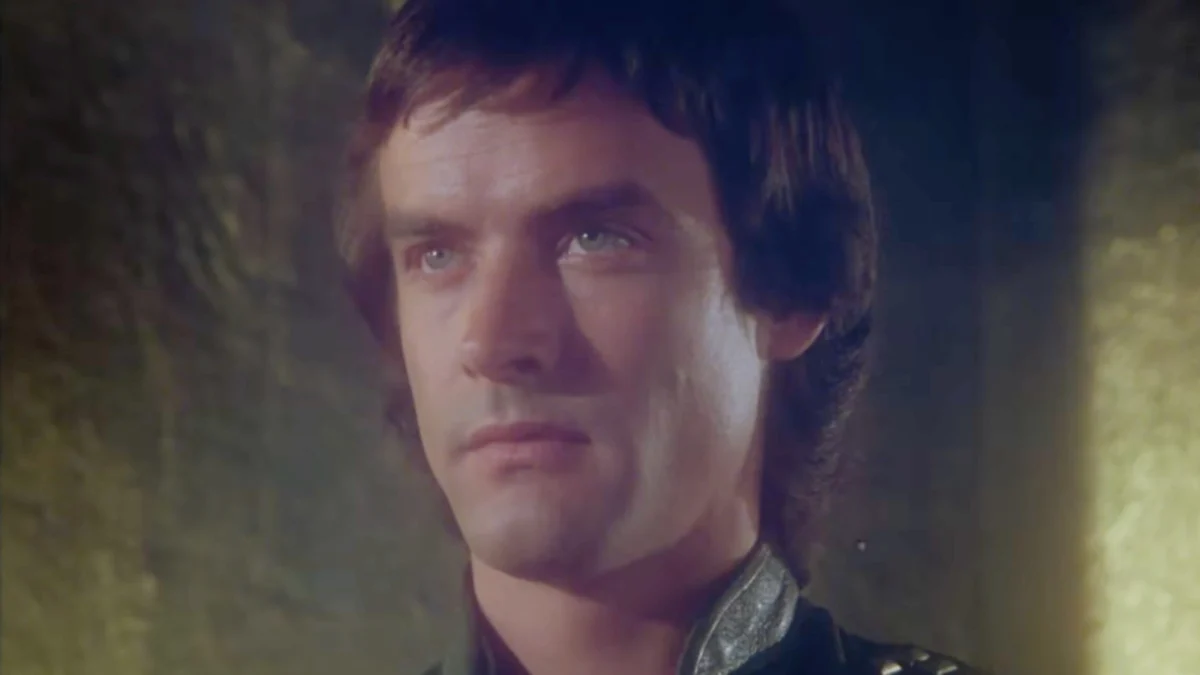
In the wake of George Lucas’s Star Wars: Episode IV — A New Hope (1977), the cinematic landscape underwent a seismic shift. Hollywood, desperate to replicate the astronomical success of the space opera, pivoted toward an era defined by high-concept spectacle and expansive world-building. For over a decade, studios funneled massive budgets into sci-fi and fantasy projects, seeking to capture the imaginations of a generation hungry for escapism. While the 1980s produced undisputed classics—such as the atmospheric The Dark Crystal and the George R.R. Martin-endorsed Dragonslayer—these high-profile successes were merely the tip of a much stranger, lower-budget iceberg.
Among the debris of this post-Star Wars boom lies Hawk the Slayer (1980), a British production that has transitioned from a critical footnote to a celebrated cult phenomenon. Recently made available for streaming on Tubi, the film offers a unique window into a period of unfettered, if occasionally misguided, creative ambition.
The Genesis of a Low-Budget Epic: Main Facts
Directed by Terry Marcel, Hawk the Slayer is a quintessential product of the "sword and sorcery" gold rush. With a production budget that would be considered microscopic by modern standards, the film relies heavily on the gravitas of its lead, Jack Palance, and a collection of seasoned character actors to ground its lofty narrative.
The film follows the story of two brothers: the virtuous Hawk (John Terry) and the villainous Voltan (Palance). The plot is kicked into motion by a patricide that leaves Hawk in possession of the "Mind Stone," a mystical artifact that imbues his sword with telepathic control. As Voltan embarks on a campaign of terror across the kingdom, Hawk is forced to assemble a motley crew of warriors—a giant, a dwarf, and an elven archer—to combat his brother’s encroaching darkness.
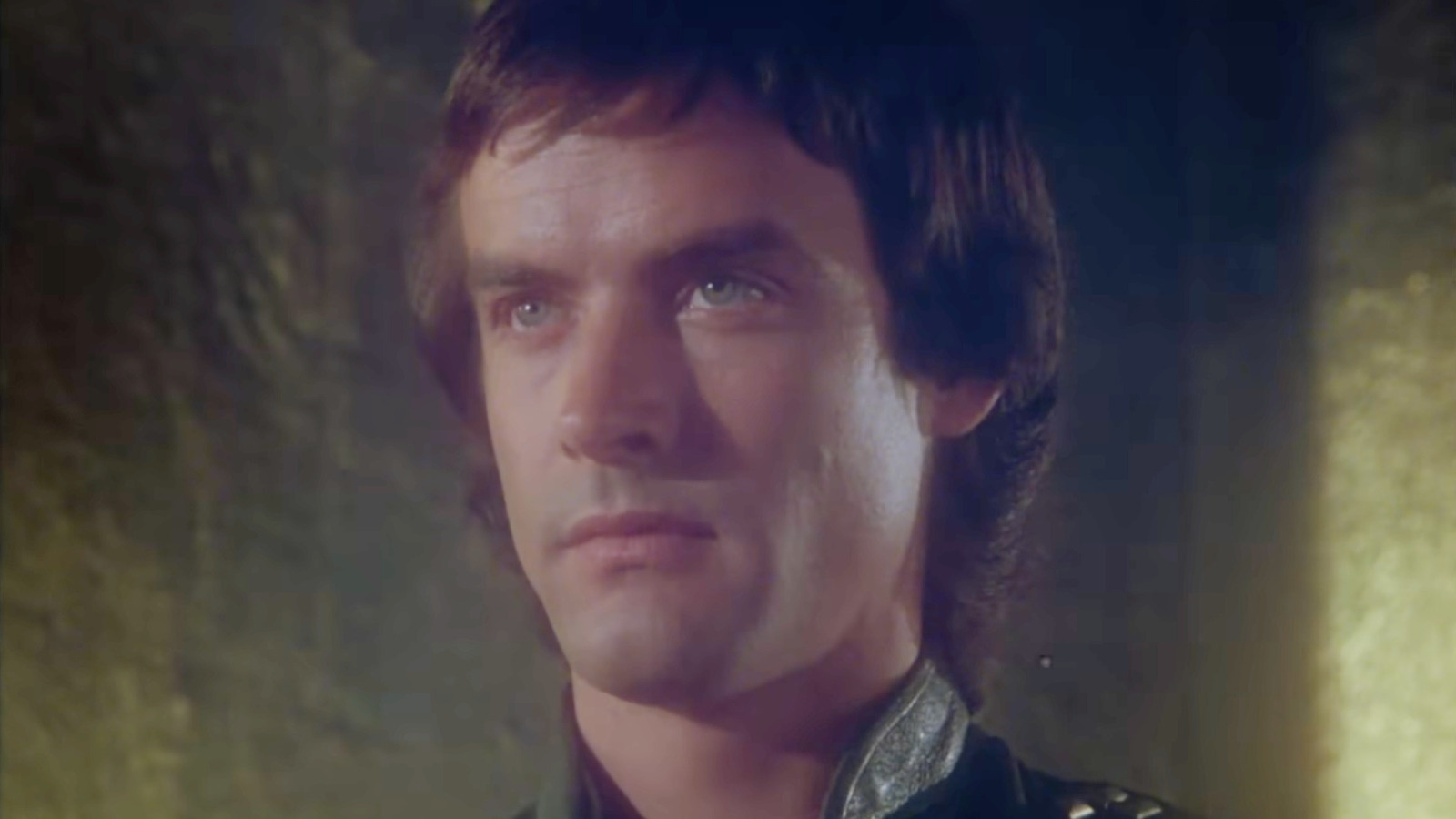
What the film lacks in technical polish, it attempts to compensate for with sheer, unadulterated "camp." The production is infamous for its creative, albeit transparent, use of practical effects—many of which were sourced directly from the toy aisles of the era.
A Chronology of Chaos: From Box Office Doldrums to Cult Icon
The trajectory of Hawk the Slayer is a masterclass in the longevity of cult cinema.
- 1980 (The Release): The film hit theaters as a niche British fantasy production. Despite the presence of Jack Palance, it failed to make a significant dent in the global box office, overshadowed by larger, more sophisticated American productions.
- The 1990s and 2000s (The Wilderness Years): For years, Hawk the Slayer was relegated to the bargain bins of VHS rental stores and late-night television slots, largely forgotten by mainstream audiences.
- 2014 (The Rifftrax Revival): A pivotal moment occurred when the comedy troupe Rifftrax released a feature-length commentary track for the film. By highlighting the movie’s nonsensical editing and bizarre special effects, the commentary introduced Hawk the Slayer to a new generation of digital-native fans.
- 2016 (The Failed Sequel): Enthusiasm reached a fever pitch with a Kickstarter campaign for a proposed sequel, Hawk the Hunter. While the project ultimately did not come to fruition, the campaign served as a testament to the film’s dedicated, albeit small, following.
- 2023 (The Red Letter Media Boost): The film’s inclusion in the popular Best of the Worst series by Red Letter Media cemented its status as a "must-watch" for fans of bad-movie excellence, propelling it back into the public consciousness.
Behind the Scenes: The "Wham-O" Special Effects
One of the most enduring elements of Hawk the Slayer is its reliance on everyday household items to simulate high fantasy. The production’s financial limitations necessitated an inventive approach to visual effects, resulting in a charmingly slapdash aesthetic.
Most notably, the film’s magical elements—teleportation portals and energy blasts—were achieved using products manufactured by the toy giant Wham-O. The glowing portals that transport characters across the landscape are, upon close inspection, standard hula hoops. The magical spells unleashed in battle often manifest as bursts of Silly String, while the shimmering particles that fill a room during a climactic siege are unmistakably Super Balls.
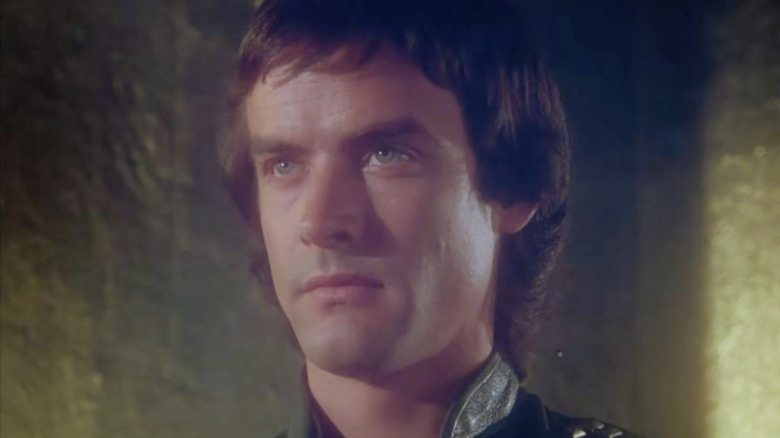
These choices have become the film’s calling card. Rather than distracting from the narrative, these low-budget artifacts have become part of the experience, offering viewers a candid look at the resourcefulness—and the desperation—of 1980s independent filmmaking.
Supporting Data: The Cast and the Craft
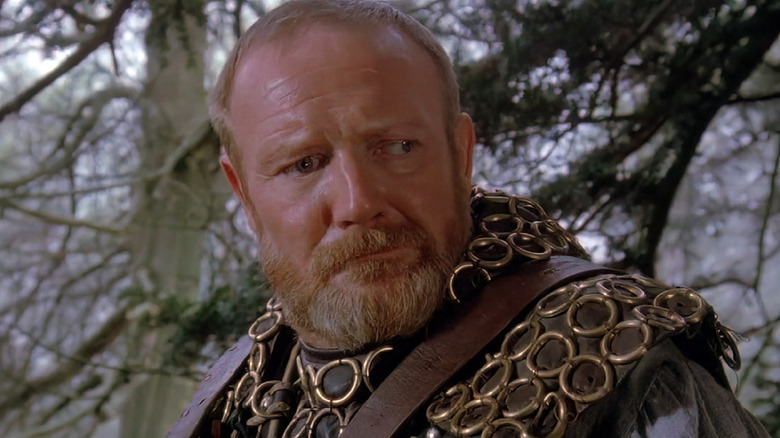
While the film is often mocked for its production values, the caliber of the cast cannot be understated. Jack Palance, an Academy Award-winning actor, provides a performance that is nothing short of operatic. Dressed in an oversized, ornate helmet, his portrayal of Voltan is frantic, loud, and undeniably charismatic.
The supporting cast is similarly robust, featuring actors who were pillars of the British character-acting community:
- Roy Kinnear (Willy Wonka & the Chocolate Factory): Appearing as a beleaguered innkeeper.
- Patricia Quinn (The Rocky Horror Picture Show): Providing an eerie, memorable turn as a blind witch.
- Patrick Magee (A Clockwork Orange): Playing a priest with the gravitas one would expect from a veteran of Kubrick’s cinema.
- W. Morgan Sheppard (Star Trek VI): Delivering a standout performance as the character Ranulf.
These actors brought a level of professionalism that arguably keeps the film from collapsing under the weight of its own absurdity. They treat the material with a straight-faced commitment that creates the perfect friction against the film’s campy reality.
Implications for Modern Streaming
The rediscovery of Hawk the Slayer on platforms like Tubi and Shout! Factory highlights a fascinating shift in the way we consume older, lower-quality media. In the age of high-definition remasters and "prestige" television, there is an increasing appetite for the "so-bad-it’s-good" experience.
The "Tubi effect"—where forgotten catalogs of B-movies find new life through algorithmic discovery—has turned platforms like this into virtual museums of cinema history. For Hawk the Slayer, this is the perfect venue. The film is not meant to be viewed with the same critical lens as a contemporary blockbuster; it is a film designed for "Friday nights and a Negroni." It is an invitation to engage with a piece of history that is flawed, earnest, and inherently social.
Conclusion: Why It Still Matters
Hawk the Slayer serves as a vital reminder that "quality" in cinema is not merely defined by budget or technical proficiency. It is defined by legacy. By surviving the decades and finding a new audience on streaming services, the film has achieved a level of immortality that many high-budget failures never reach.
Whether you are a fan of 1980s nostalgia, a student of independent film production, or simply someone looking for a bizarre, entertaining way to spend an evening, Hawk the Slayer remains a compelling artifact. It stands as a testament to a time when filmmakers were willing to aim for the stars with nothing more than a hula hoop and a dream. As it waits to be rediscovered on Tubi, one thing is certain: they really don’t make them like this anymore—and perhaps, in the most charming way possible, that is for the best.


 Nana Wu
 Layla Zulfa