Dwi Wanna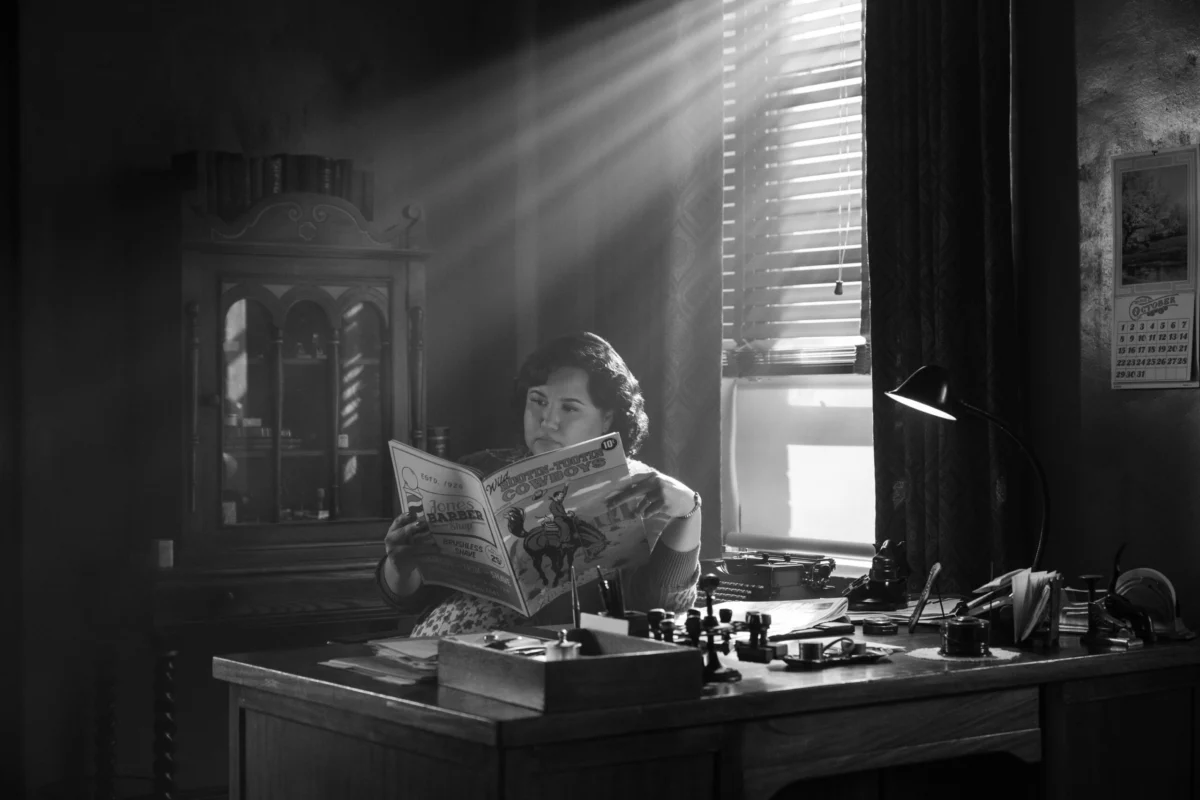
In the crowded landscape of modern television, where intellectual property is often stretched to its breaking point, Spider-Noir has emerged as a rare, stylistic outlier. By successfully marrying the high-contrast, moody atmosphere of 1930s detective fiction with the kinetic energy of the Marvel multiverse, the series—spearheaded by creator Oren Uziel and anchored by the gravel-voiced intensity of Nicolas Cage—has managed to carve out a unique space in the cultural zeitgeist.
While the show’s commercial success is undeniably bolstered by the global ubiquity of the Spider-Man brand, its critical acclaim is rooted in a much more delicate process: the pursuit of a visual and auditory equilibrium that refuses to lean too heavily into either pulp-noir trope or superhero spectacle.
The Architecture of an Aesthetic
The production of Spider-Noir was never merely about adapting a comic book; it was about curating a sensory experience that felt authentic to two distinct eras of entertainment. Achieving this required a Herculean effort from the show’s below-the-line artisans, who operated under the constant pressure of balancing fan expectations with high-concept stylistic rigor.
During IndieWire’s recent Craft Roundtables, the series’ key creative architects—including VFX supervisor Hnedel Maximore, composers Kris Bowers and Michael Dean Parsons, and costume designer Trayce Gigi Field—revealed the granular complexities behind building a world that exists in the gray area between a rain-slicked alley in 1933 New York and the expansive, colorful history of the Spider-Verse.
Chronology of a Creative Fusion
The development of Spider-Noir followed a rigorous, iterative timeline that prioritized research over raw production speed.
Phase 1: Conceptualization and Narrative Foundation
Creator Oren Uziel, working alongside the creative team at Prime Video, established early on that the show would not be a standard origin story. Instead, it would focus on an aging, world-weary protagonist living in a version of New York City defined by the Great Depression. The chronology of the design process began with an exhaustive deep dive into "Old Hollywood" cinematography—specifically the shadows of film noir classics—which were then layered over the distinct, ink-heavy visual language of the original Spider-Man Noir comic book series.
Phase 2: The Costume Design Pivot
Costume designer Trayce Gigi Field joined the project with the specific mandate of grounding the fantastical elements of the Spider-Man suit in the tactile reality of mid-century fashion. Her process was a meticulous dance of revisions. As Field noted during the roundtable, the goal was to avoid the "costumey" feel of modern superhero films while ensuring that the character remained instantly recognizable to audiences.
Phase 3: Technical Implementation
Once the aesthetic was codified, the VFX and sound departments took over. Hnedel Maximore focused on the integration of digital environments that mimicked the high-contrast lighting of the 1930s, while composers Bowers and Parsons worked to ensure the score acted as a bridge between the jazz-infused soundscapes of the era and the pulse-pounding intensity expected of a Marvel project.
Supporting Data: The Craft of the Contrast
The success of Spider-Noir is a testament to the power of specific, well-researched references. Field’s approach to the wardrobe was particularly illuminating, serving as the bridge between the two genres.
"The comic book itself was something that inspired me, only because I really wanted the actual villains to correlate and have a feel where when you see them, you know exactly who they are," Field explained. This was not a passive nod to the source material but a deliberate effort to maintain the silhouette-based storytelling that defines graphic novels.
Perhaps the most significant creative touchstone was the figure of Humphrey Bogart. When dressing Nicolas Cage for the role, Field looked toward the iconic trench coats of 1940s detective cinema. By grounding Cage’s iteration of the character in the wardrobe of a classic private investigator, the design team created an immediate shorthand that allowed the audience to bypass the "superhero" question and accept him as a noir protagonist first.
"In terms of references, Humphrey Bogart was a big one for Nick Cage, even down to the trench coat that he wore," Field added. "We tried to get really specific with those kinds of things. It was a lot to put those two things together."
Official Responses and Creative Philosophy
The collaborative nature of Spider-Noir was the central theme during the Craft Roundtables. The panelists emphasized that the "Spider-Man" name was both a massive opportunity and a potential trap. If the team leaned too heavily into the colorful, spandex-heavy iconography of mainstream Marvel, they risked losing the atmospheric soul of the noir genre. Conversely, if they became too enamored with the shadows of the 1930s, they risked alienating the core audience that tuned in for a superhero story.
Hnedel Maximore’s VFX work was similarly constrained by this paradox. The digital world had to feel "real" in a way that traditional VFX often ignores. Instead of the clean, digital sheen of modern blockbusters, the world of Spider-Noir required the grit, the film grain, and the lighting artifacts of an era before CGI. This was achieved through a constant, iterative back-and-forth between the visual effects team and the physical production designers to ensure that the practical sets and the digital extensions felt as though they were shot on the same celluloid.
Implications for the Future of IP Adaptations
The success of Spider-Noir provides a blueprint for the future of franchise-based television. By treating "IP" as a foundation rather than a cage, shows like this can expand the boundaries of what is expected from a superhero series.
Breaking the Genre Barrier
Spider-Noir proves that audiences are hungry for "genre-mashups." The fusion of detective fiction and superhero lore isn’t just a gimmick; it’s a narrative tool that allows for more complex character studies. By forcing the protagonist to deal with the limitations of the 1930s—limited technology, pervasive corruption, and a lack of modern convenience—the writers were able to craft a version of Spider-Man that felt more vulnerable and, consequently, more compelling.
The Role of Artisans in Prestige TV
The heavy focus on costume, sound, and visual effects at the recent IndieWire panels underscores a growing trend in the industry: the rise of the "artisanal" superhero show. As the market becomes saturated, the shows that stand out are those where the craftspeople are given the time and resources to refine their vision. Field’s research-heavy approach to costume design, for instance, adds a layer of depth that a standard, CGI-reliant wardrobe simply cannot match.
The Audience Expectation Shift
Ultimately, Spider-Noir signals that the "superhero fatigue" often discussed in industry circles may not be about the heroes themselves, but about the lack of aesthetic innovation. When viewers are presented with a familiar character in a completely unexpected visual and tonal environment, their engagement levels spike. The show’s commercial success is the ultimate validation of the creative team’s bet: that if you build a compelling enough world, the audience will follow the hero anywhere—even into the dark, rain-drenched streets of a 1930s nightmare.
As the series continues to influence the conversation around Prime Video’s growing slate of original content, one thing remains clear: the mask is important, but it is the world behind the mask that keeps the audience watching. Spider-Noir has successfully proven that while the superhero brand may bring the viewers in, it is the uncompromising craftsmanship that keeps them there.
This conversation is presented in partnership with Prime Video.


 Layla Zulfa